0

Growing Info

Scarification
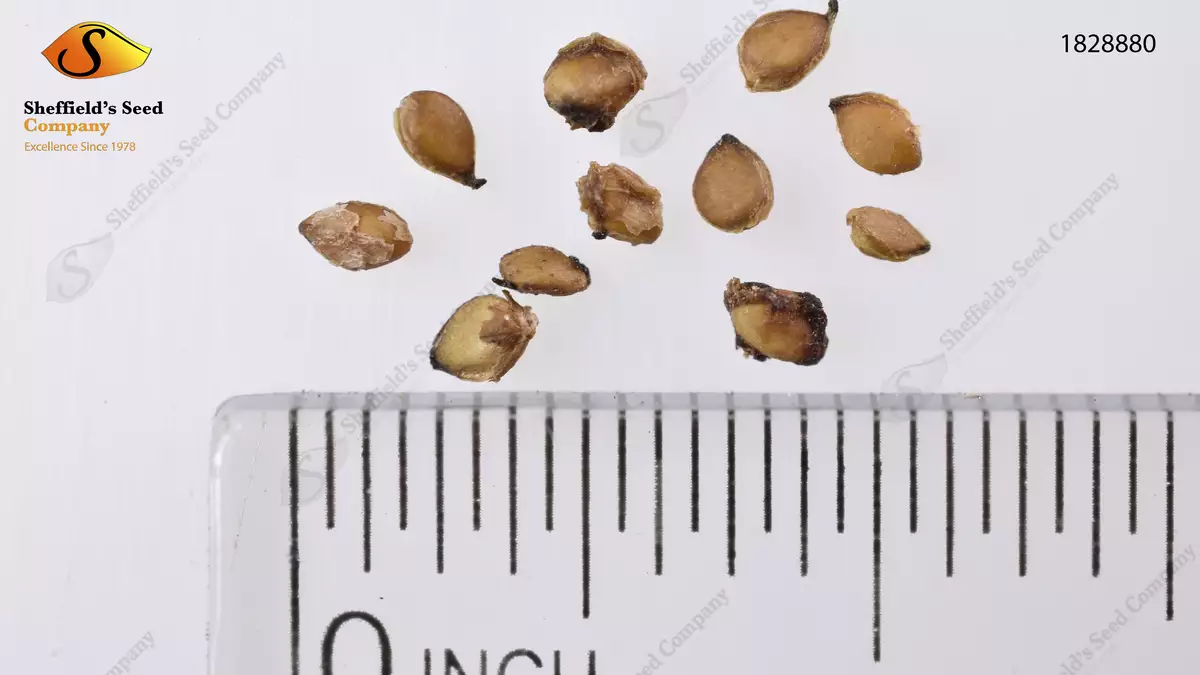
Scarification: Soak in water, let stand in water for 24 hours, repeat process daily for 4 days
Stratification
Stratification: cold stratify for 90 days
Germination
Germination: surface sow and keep moist, tamp the soil, keep moist, mulch the seed bed, can be sown outdoors in the fall for spring germination

Native to: China, Jiangsu, Sichuan
Native
Introduced

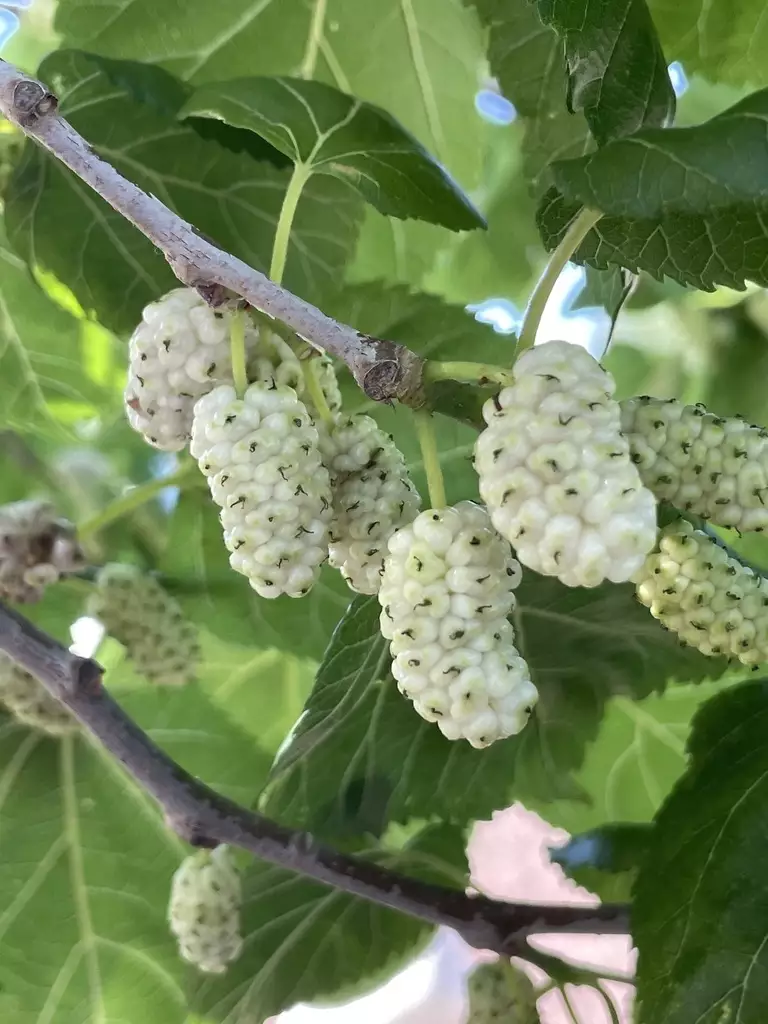
Morus alba

White Mulberry

  • Morus alba

Please select the quantity desired, and we will advise availability and price as soon as possible.

Details

Min. hardiness zone:
4

Growing Info

Scarification
Scarification: Soak in water, let stand in water for 24 hours, repeat process daily for 4 days
Stratification
Stratification: cold stratify for 90 days
Germination
Germination: surface sow and keep moist, tamp the soil, keep moist, mulch the seed bed, can be sown outdoors in the fall for spring germination

Native to: China, Jiangsu, Sichuan
Native
Introduced
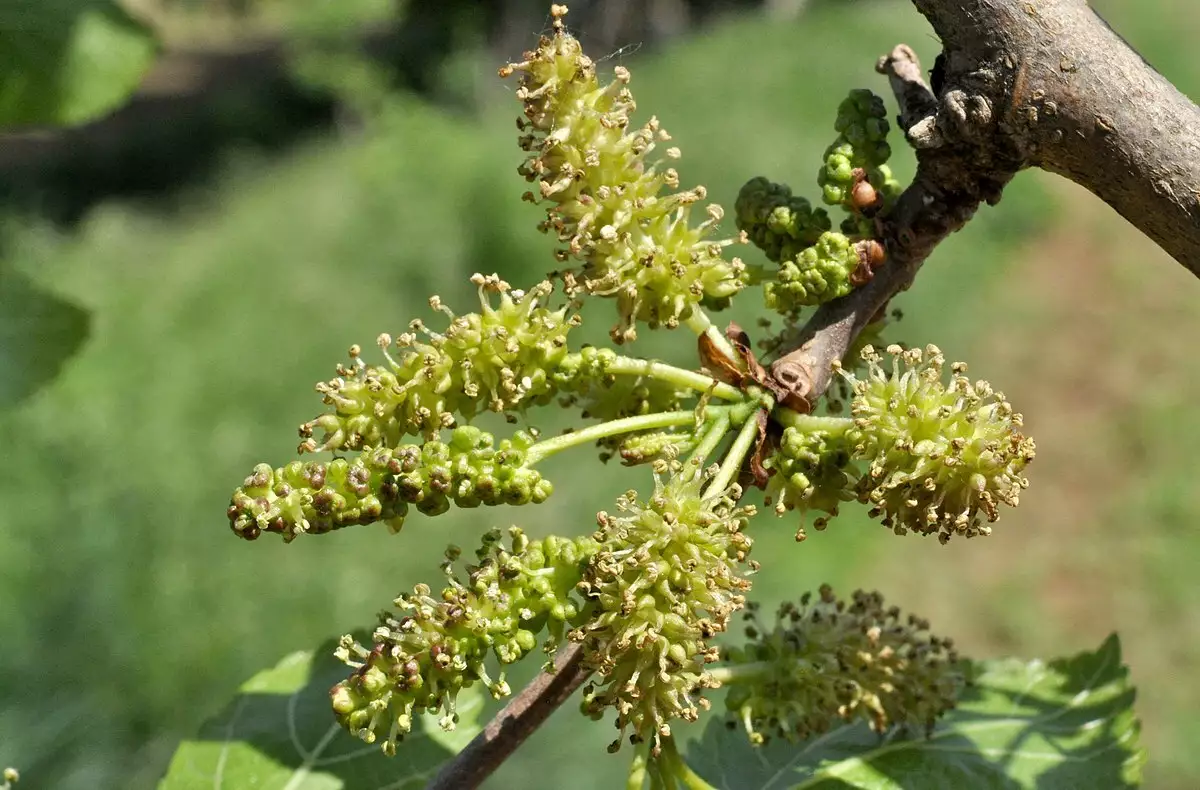
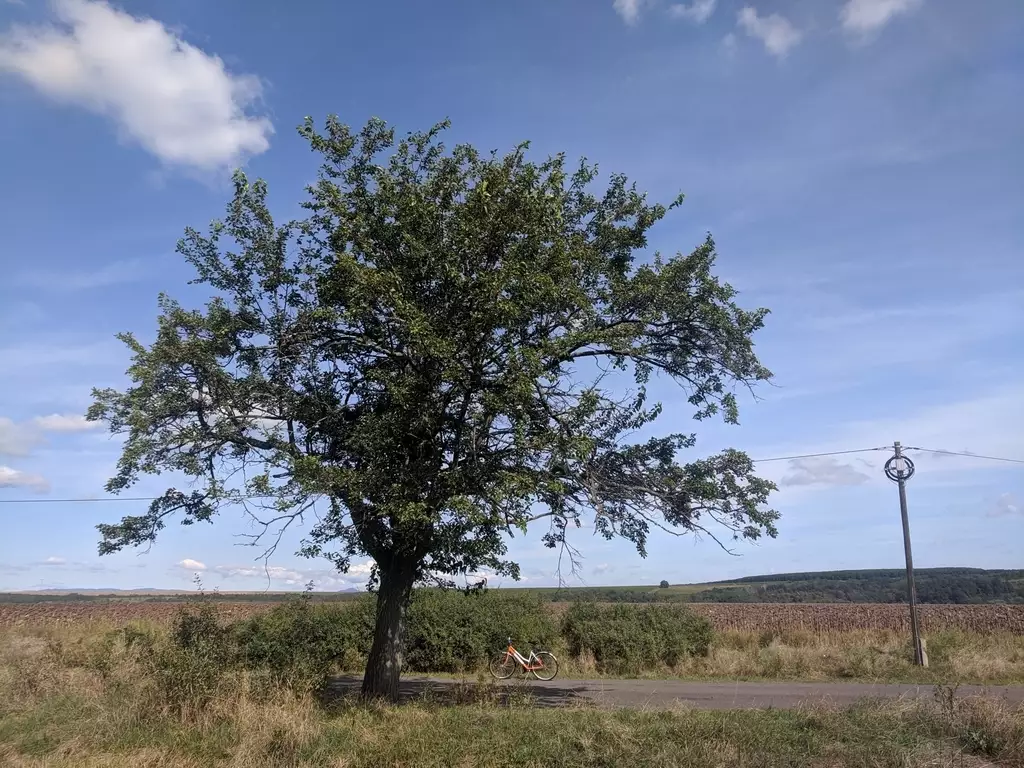
Morus alba, commonly known as White Mulberry, is a distinguished tree native to China, renowned for its historical significance and versatile adaptability. This fast-growing, deciduous tree can reach impressive heights of 30-50 feet, with a wide-spreading crown that adds a majestic touch to any landscape. Valued since 2600 B.C. for its leaves, the primary diet for silkworms in silk production, Morus alba was introduced to North America during colonial times to support silk industry efforts. Although the industry didn't flourish, the resilient White Mulberry has thrived, naturalizing across the U.S., gracing fields, forest margins, and roadsides.

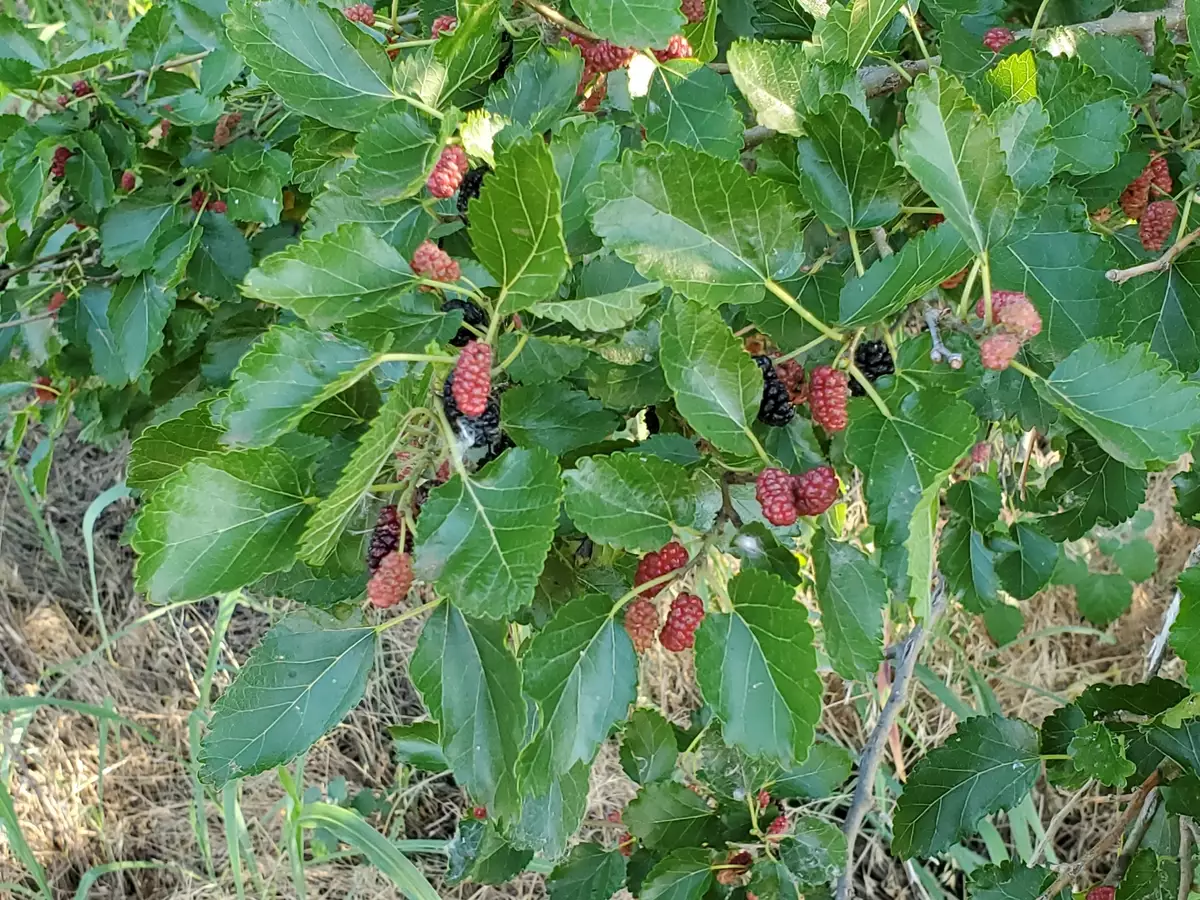
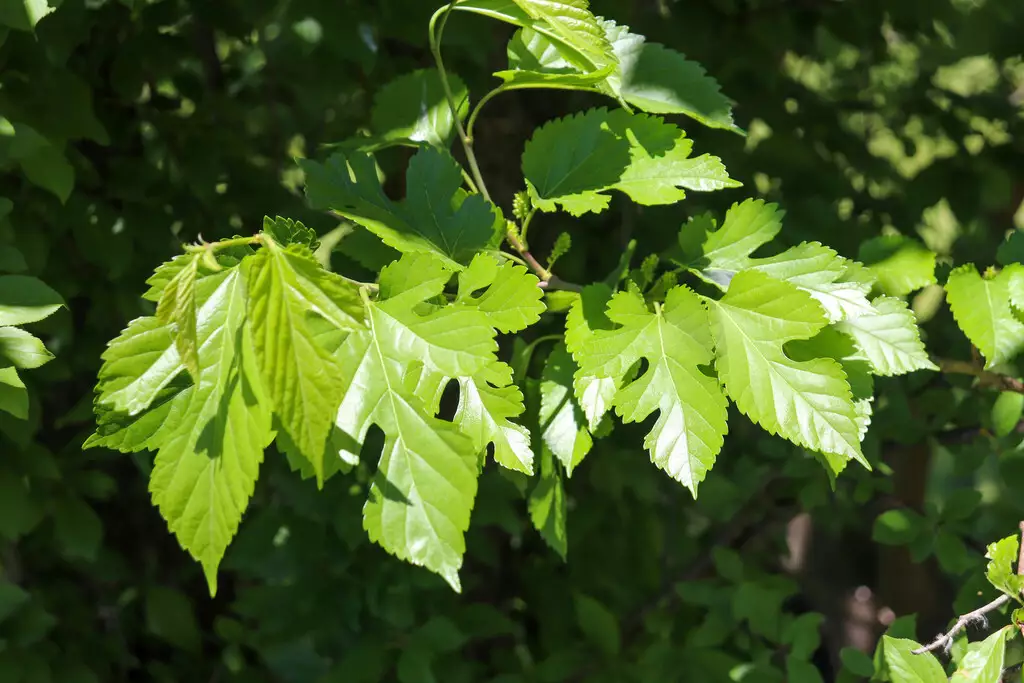
Adaptable to a broad range of conditions, it thrives in full sun to part shade and tolerates drought, air pollution, and varied soil types including alkaline soils. The tree's shiny, variable-shaped leaves with serrate edges are a distinctive feature, while its fruits, beloved by birds, range in color from pink to dark hues, offering a delightful treat in June. Ideal for naturalizing, erosion control, and windbreaks, Morus alba combines practical utility with ecological value, though gardeners should note its potential to stain surfaces. Despite its tendency to spread, this iconic tree remains a striking element of any landscape, testament to its enduring legacy.

You might also like

Papaver somniferum

Papaver somniferum

Opium Poppy

Sequoia sempervirens

Sequoia sempervirens

California Redwood, Coast Redwood, Redwood

Sequoiadendron giganteum

Sequoiadendron giganteum

Bigtree, Giant Sequoia, Sierra Redwood, Sierran Redwood, Wellingtonia

Vaccinium corymbosum

Vaccinium corymbosum

Highbush Blueberry

(315) 497-1058
269 NY-34 Locke NY 13092
seed@sheffields.com

HOME - logo

Find us on: