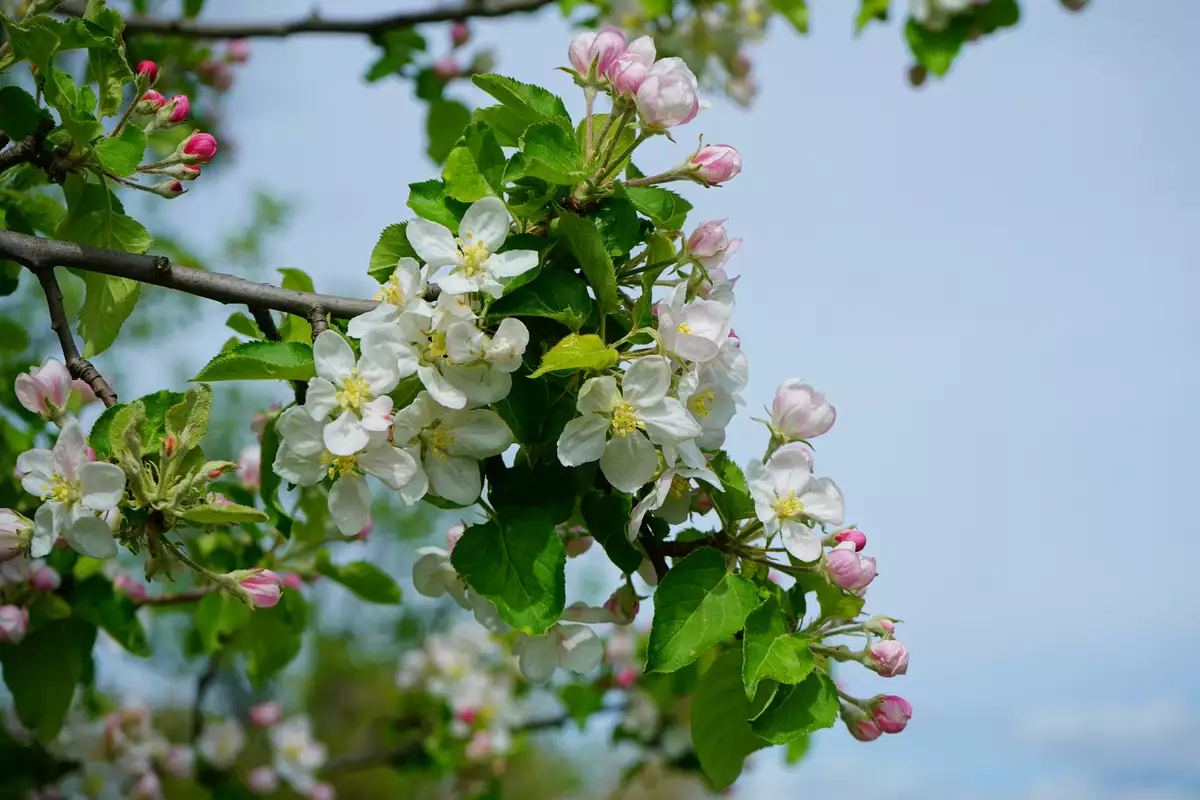
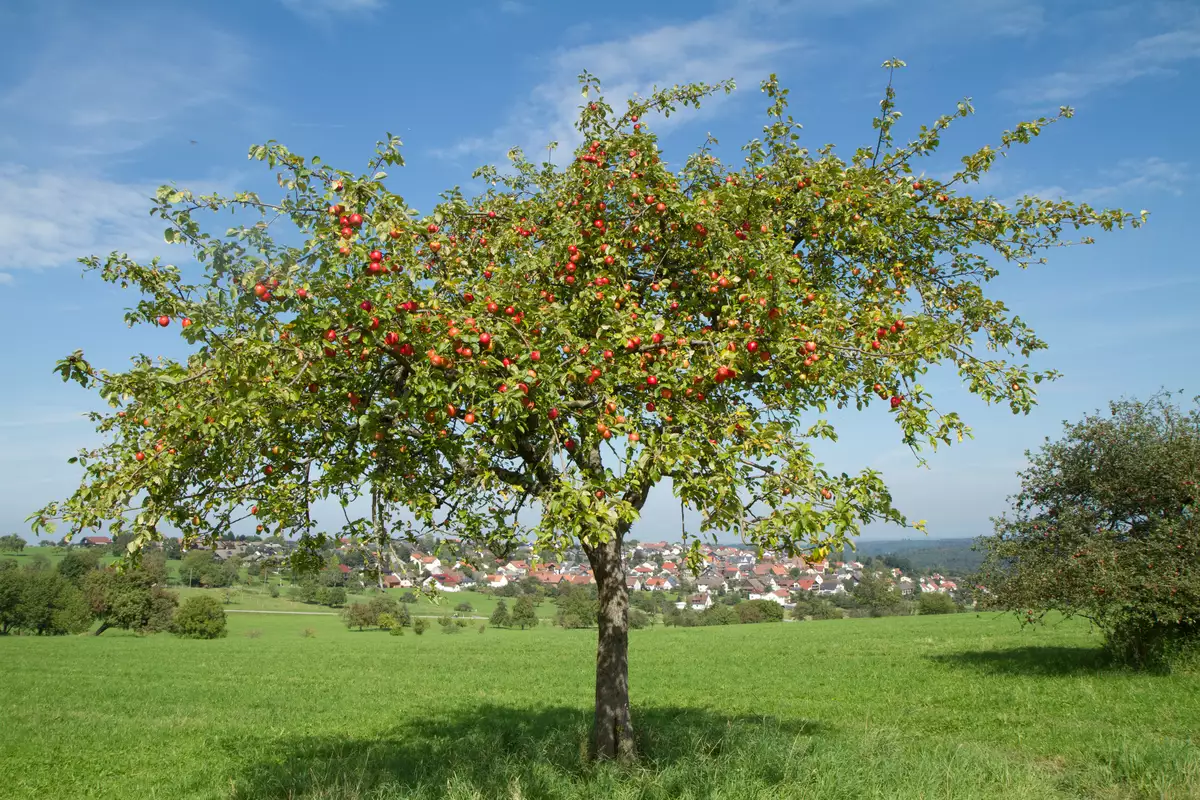
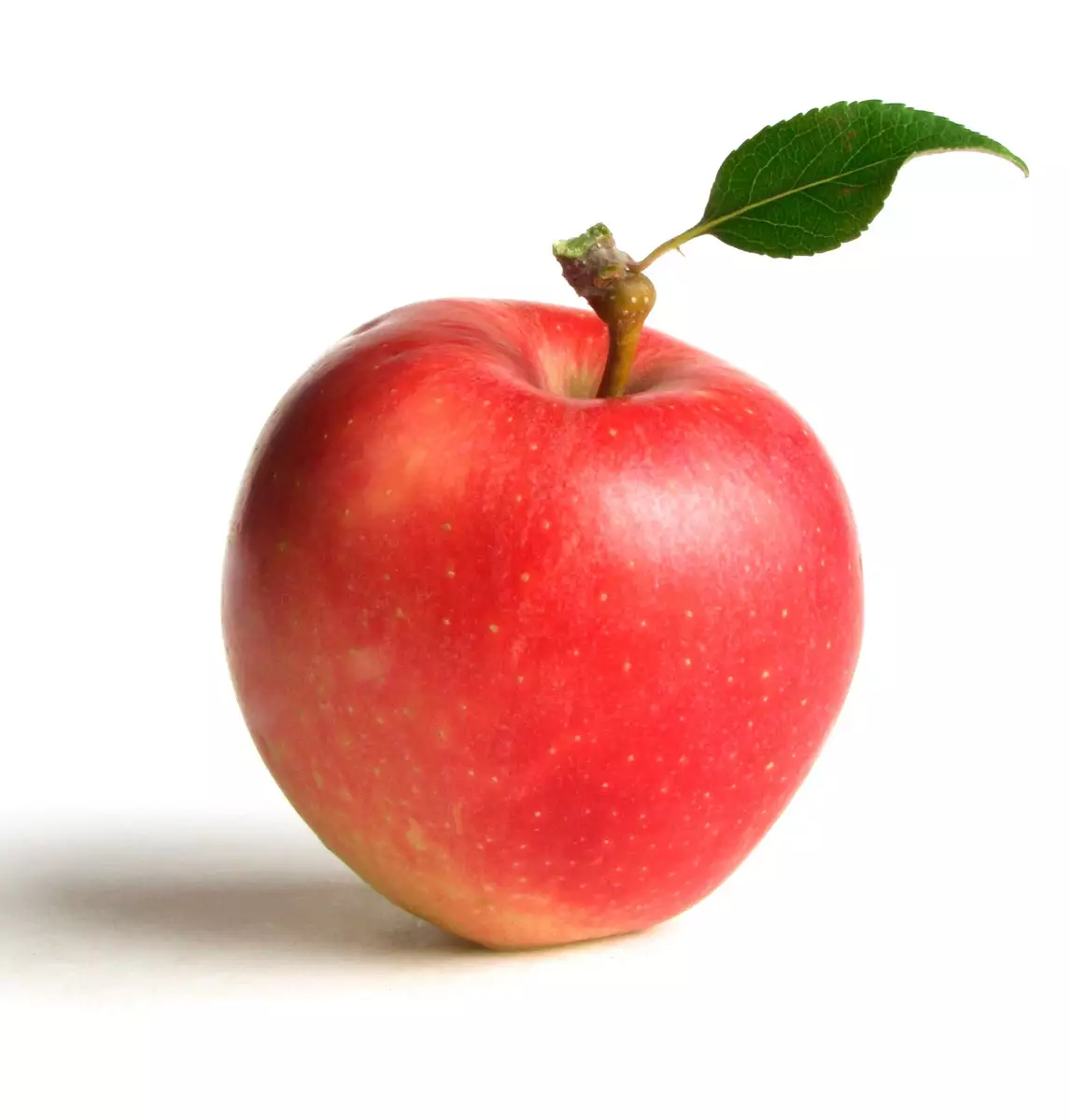
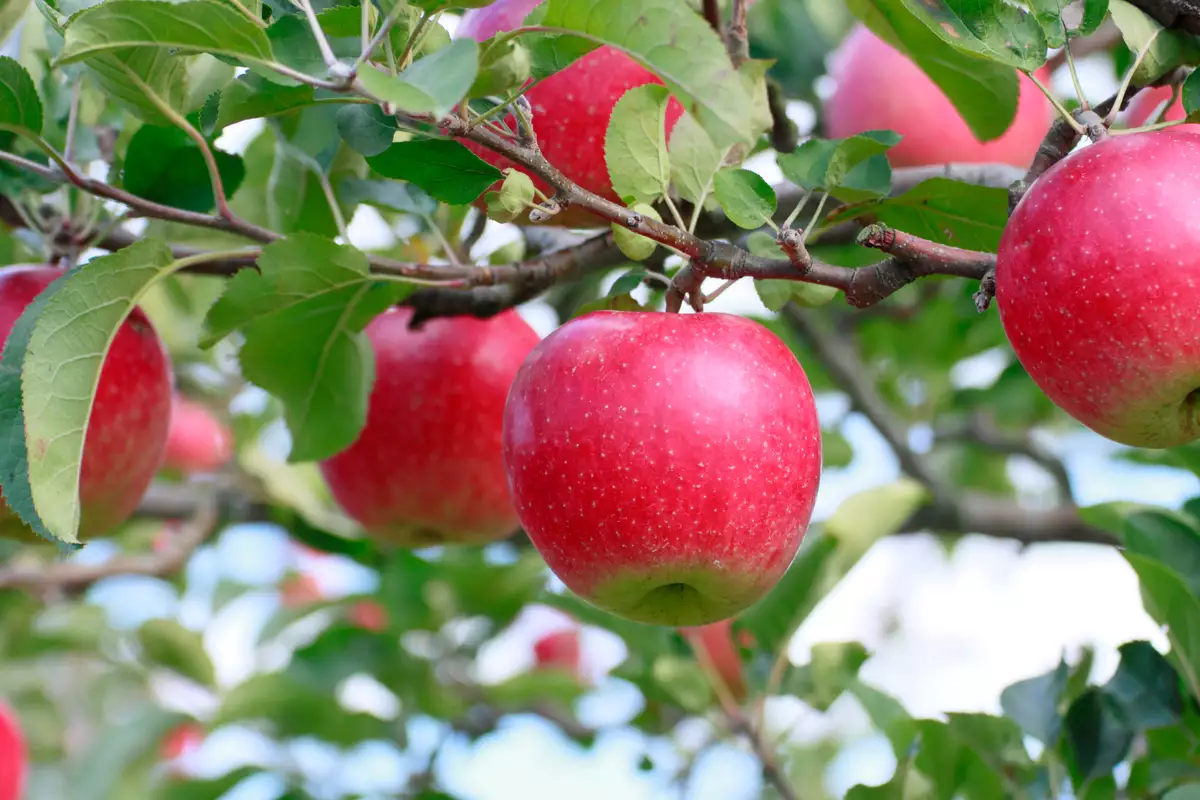
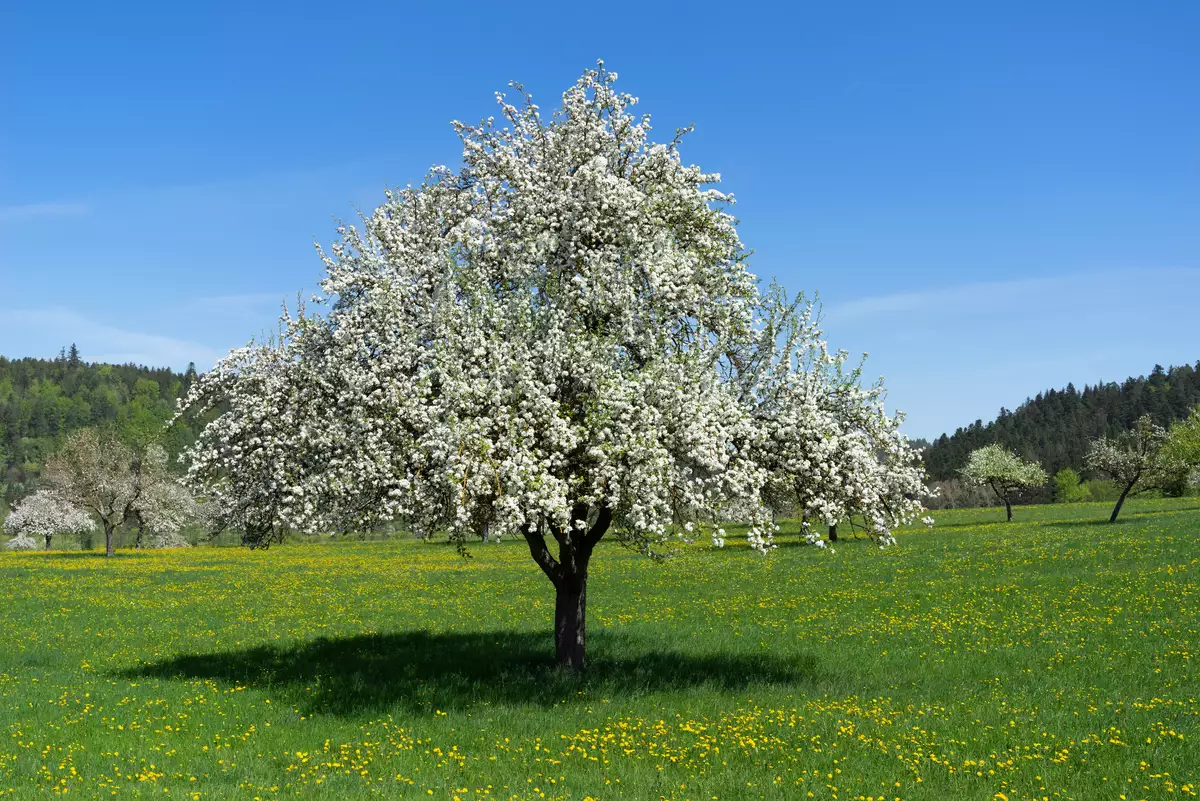
Malus pumila, commonly known as Common or Paradise Apple, is a delightful fruit-bearing tree that graces gardens and orchards with its beauty and bounty. Ideal for USDA Zones 4-7, this deciduous tree thrives in full sun, growing to heights and widths of 15-25 feet. Common Apple is celebrated for its profuse, showy white blossoms with charming pink tinges that bloom in late spring, filling the air with a delightful fragrance. Pollinated by bees and other insects, these blossoms transform into juicy, crisp fruits that ripen between September and November, showcasing a spectrum of colors from green to yellow to vivid red.
A favorite among wildlife, apple trees attract numerous beneficial insects, with the blooms serving as a vital nectar source for bees, butterflies, and moths. The ripened fruits are a scrumptious treat for birds, deer, and small mammals, supporting the ecosystem well into late fall. Due to their short, twisty trunks and gnarly branches, apple trees also provide protective nesting sites for various species.
Planting in well-drained, moist soils will optimize tree health and productivity. Regular pruning ensures increased sunlight penetration and air circulation, mitigating disease and encouraging bountiful harvests. Enhance your orchard’s health by adding shallow-rooted plants around the tree base or incorporating a 2-foot diameter of pea gravel to deter weeds and protect against pests like voles.
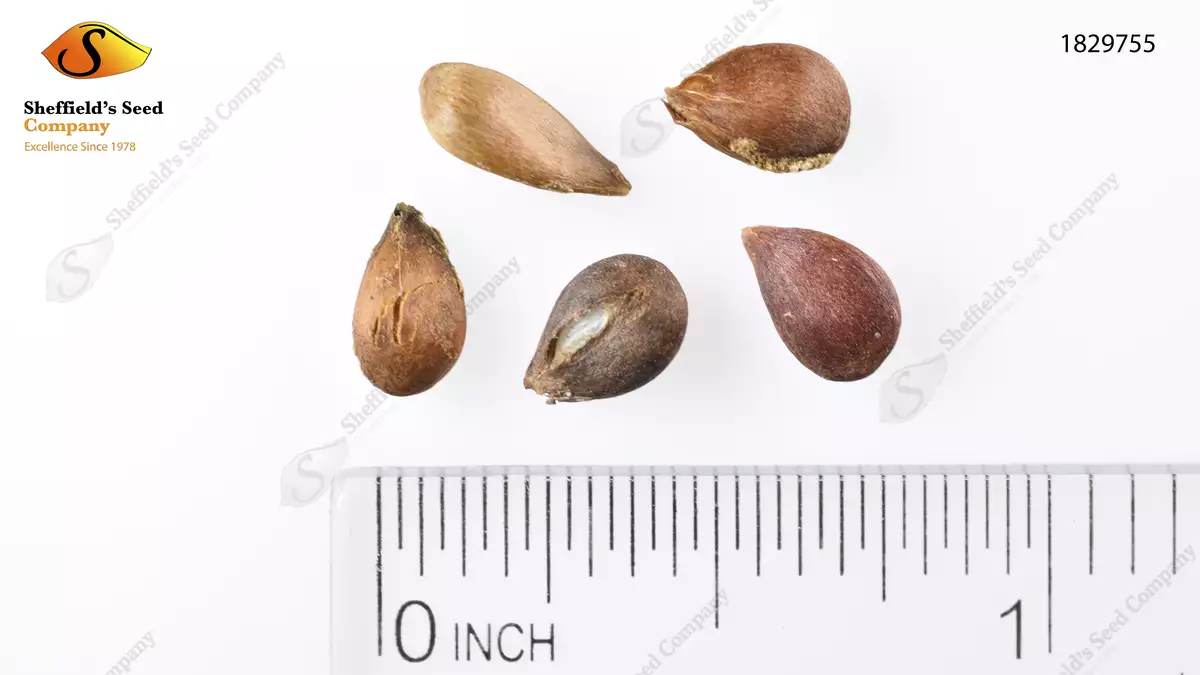
Beyond its culinary delights in cider, pies, and fresh consumption, the apple tree has medicinal applications and is used in Bach flower remedies; however, caution is advised as the seeds contain small amounts of cyanide. A testament to beauty and bounty, Malus pumila remains a beloved staple in both cultivated orchards and natural landscapes.