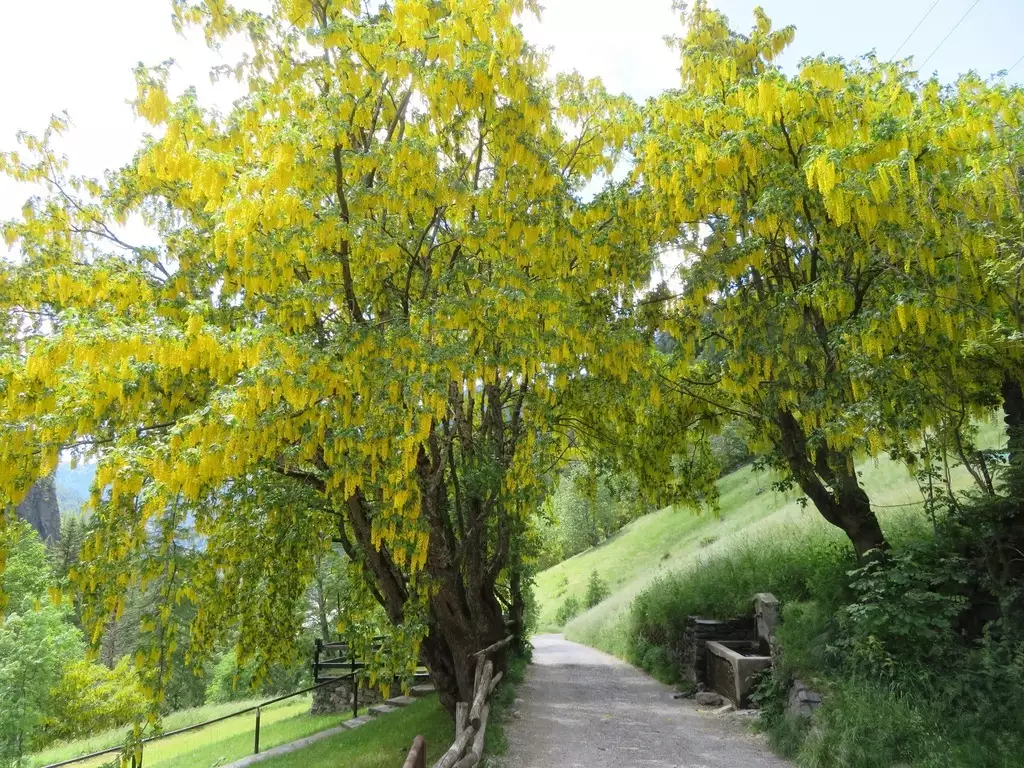
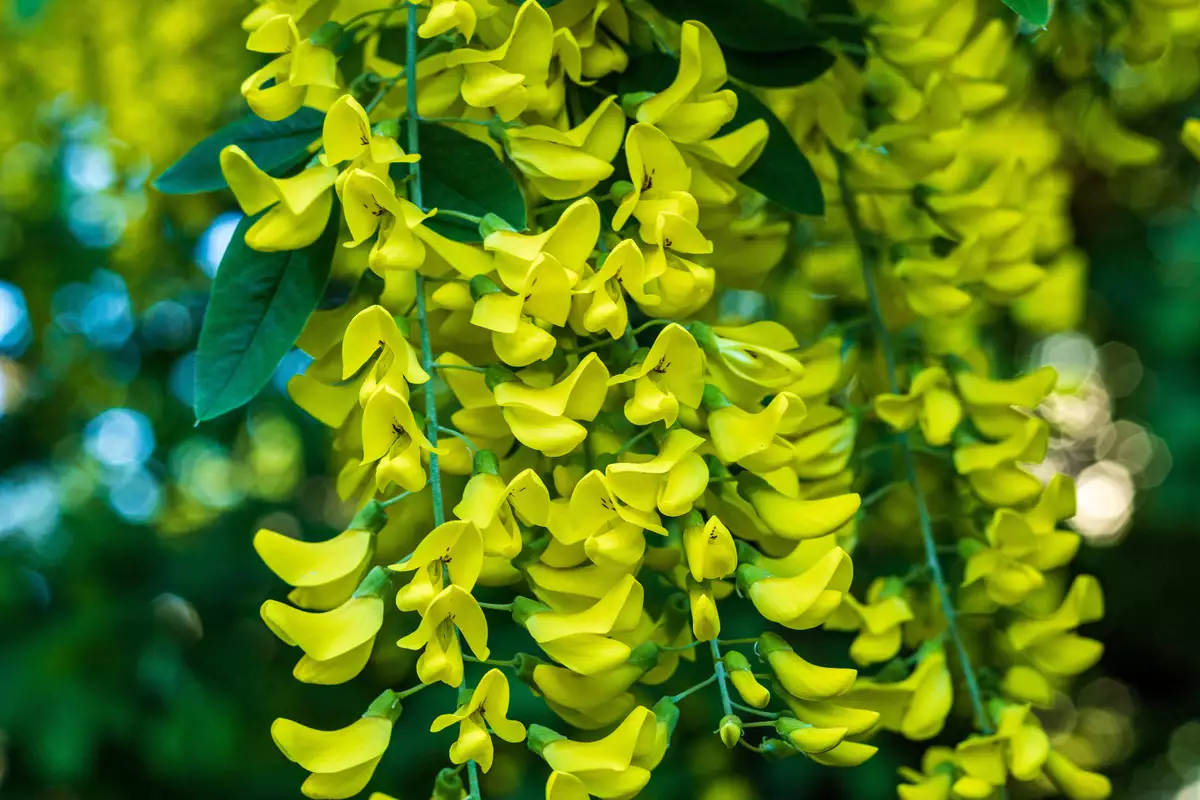
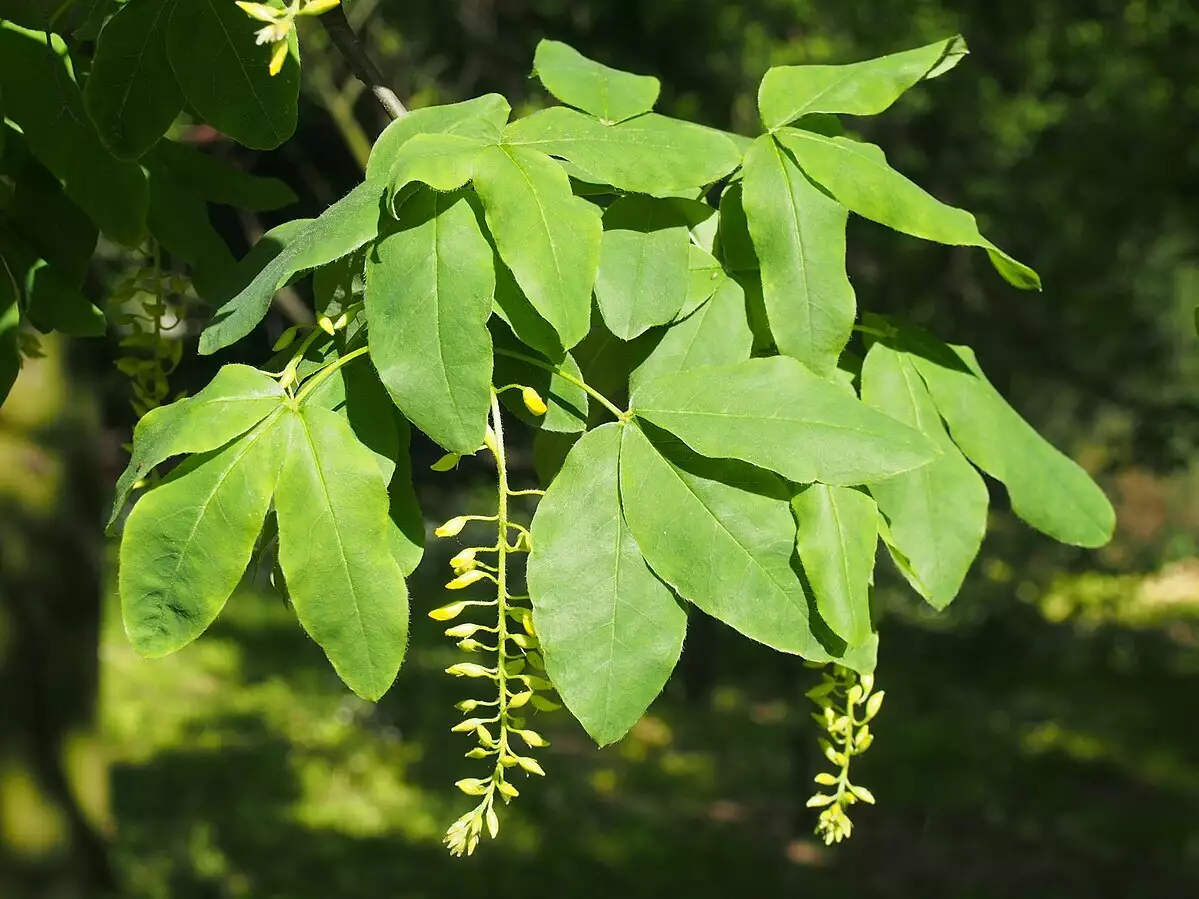
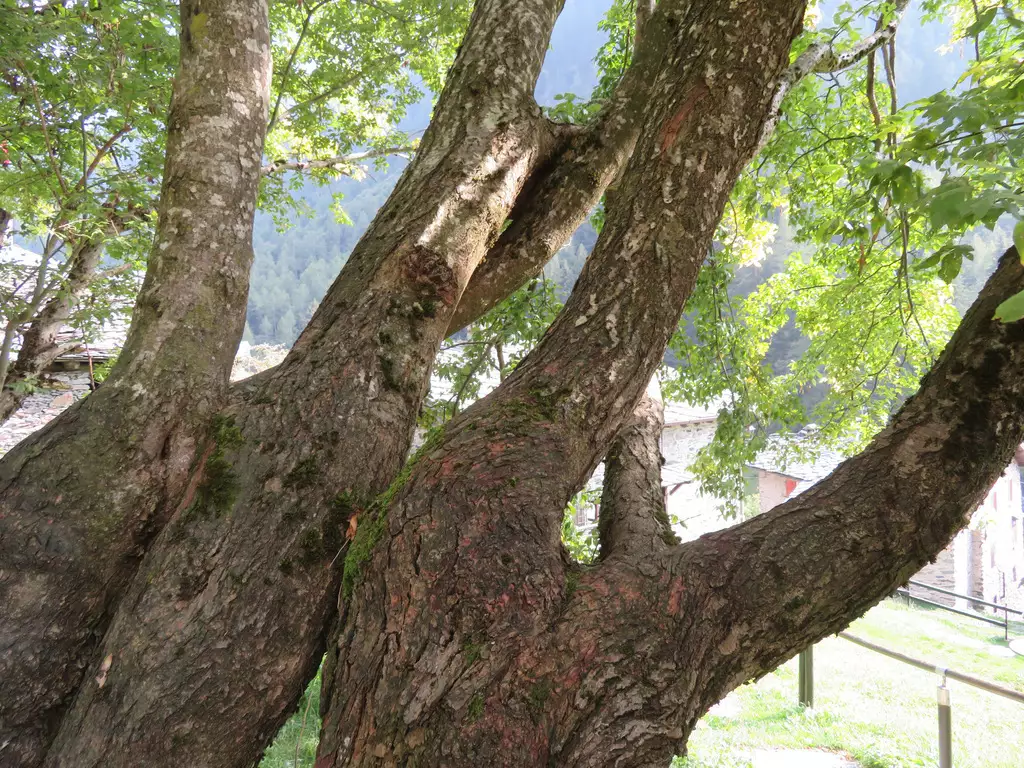
Laburnum alpinum, commonly known as Scotch laburnum or Alpine laburnum, is an exquisite addition to any garden, renowned for its captivating, pendulous racemes of vibrant yellow flowers. Blooming in mid-spring, this small deciduous tree or large shrub typically reaches 15-25 feet in height, with a similar spread, providing a striking visual display reminiscent of wisteria. Native to the southern and central European regions, its natural elegance graces landscapes across USDA Zones 4-7. Although often mistaken for a native of Scotland, its true origins lie in the alpine regions of Central Europe.
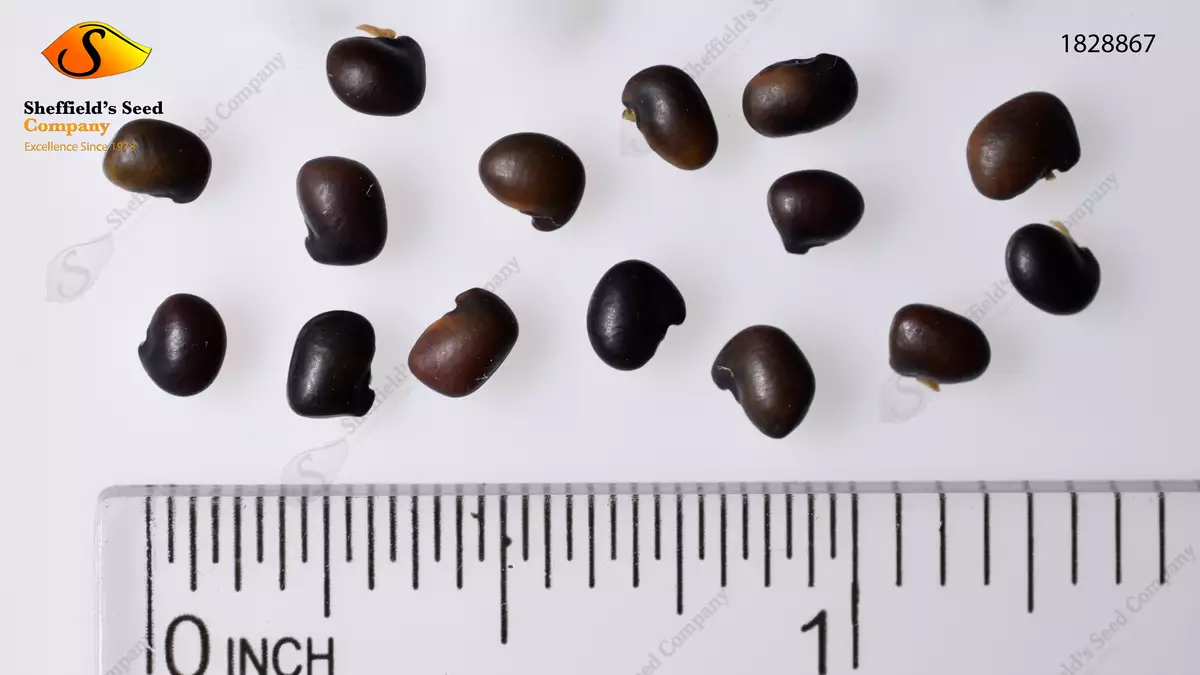
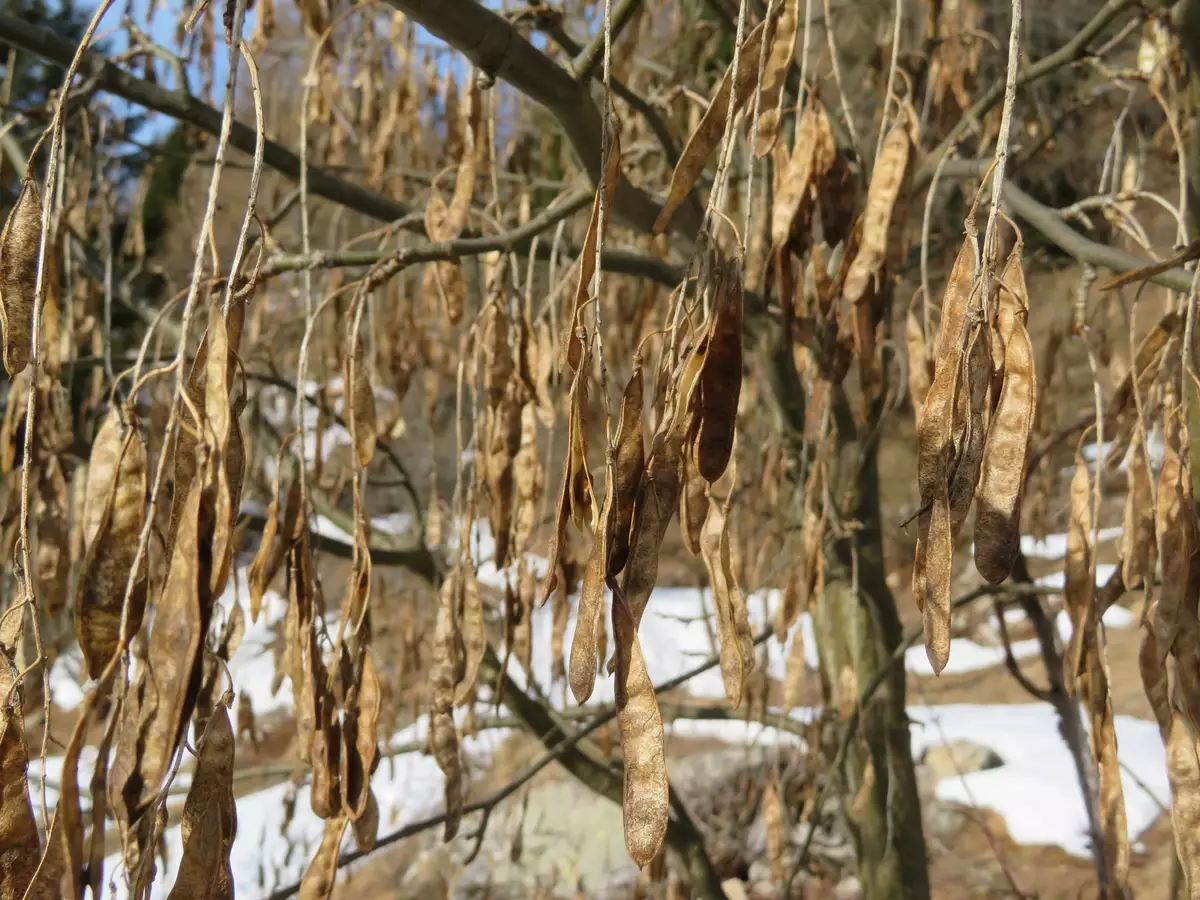
Gardeners will find it thrives best in organically rich, well-drained soils, basking in full sun to part shade. While it excels in climates with moderate summer and winter temperatures, such as the Pacific Northwest, it's less suited to the humid conditions of the Deep South. A versatile plant, Scotch laburnum can be cultivated as a flowering tree, a hedge, or a striking specimen in shrub borders. It supports pollinators with its hermaphroditic, insect-pollinated blossoms, while its hardiness ensures resilience against strong winds and pollution. However, gardeners should supervise its growth, controlling root suckers and removing seed pods due to their toxicity.
As it enhances the visual and environmental appeal of gardens, this nitrogen-fixing species enriches the soil, supporting surrounding plants. Despite its noteworthy characteristics, caution should be exercised due to its potential for twig blight and susceptibility to pests like aphids and mealybugs. Whether used as a solitary showcase or part of a lush group planting, Laburnum alpinum offers both aesthetic brilliance and ecological benefits.