0
Close
3 / 6
5 / 6
6 / 6

AdobeStock

Growing Info

Scarification
Scarification: Soak in water, let stand in water for 24 hours
Stratification
Stratification: cold stratify for 120 days
Germination
Germination: sow 1-2" deep, tamp the soil, mulch the seed bed

Native to: Eastern United States, Illinois, Indiana, Missouri, Pennsylvania, United States
Introduced to: EU, Europe
Native
Introduced

Juglans nigra

Northern

Black Walnut, Eastern Black Walnut

  • Juglans nigra Northern

Please select the quantity desired, and we will advise availability and price as soon as possible.

Details

Min. hardiness zone:
4

No Export to These Countries

Australia, Japan

Growing Info

Scarification
Scarification: Soak in water, let stand in water for 24 hours
Stratification
Stratification: cold stratify for 120 days
Germination
Germination: sow 1-2" deep, tamp the soil, mulch the seed bed

Native to: Eastern United States, Illinois, Indiana, Missouri, Pennsylvania, United States
Introduced to: EU, Europe
Native
Introduced
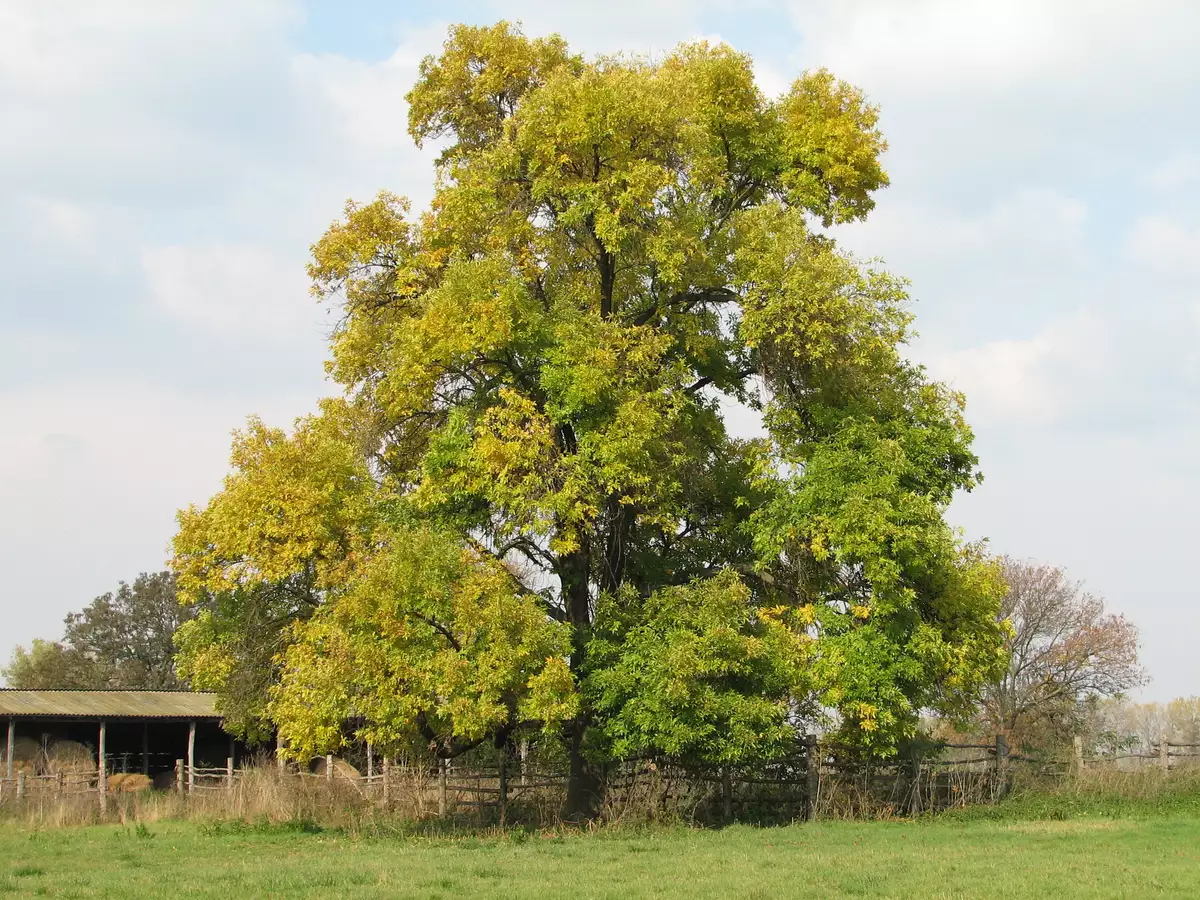
Discover the remarkable Eastern Black Walnut (Juglans nigra), with its beautifully grained wood that makes it a highly prized timber tree, possibly the most sought after in North America. This species grows prominent in various zones, from central Texas to southeast South Dakota, stretching eastward to northern Florida and southern Ontario. Apart from its high-value timber, this tree is also known for its nutritious nuts, often used in creating delicious candies and ice creams. Its hard shell has commercial uses in abrasive cleaning, cosmetics, oil well drilling, and water filtration.
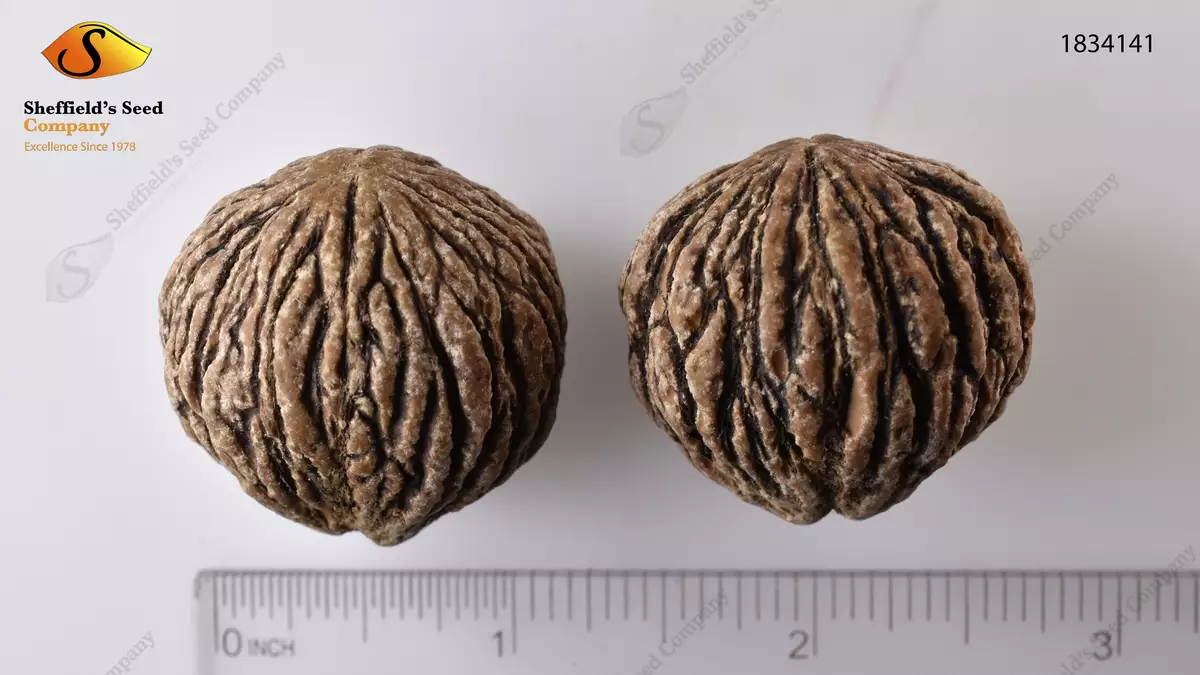
A mature Eastern Black Walnut attains heights of 30–40 feet and develops a short bole and broad crown when grown openly. It has grey-black bark and deeply furrowed twigs with air spaces in the pith. Its leaves are odd-pinnate with 15-23 leaflets. Its male flowers form drooping catkins, while female flowers cluster at the terminal, ripening into brown corrugated nuts in autumn.
The tree has been appreciated since 1629 when it was introduced to Europe. It flourishes best in warmer regions, on fertile, lowland soils with a high water table. The wood from this tree serves many purposes, including crafting furniture, flooring and rifle stocks. Furthermore, oil is pressed from the seeds for various uses. Interestingly, approximately 65% of the annual wild harvest comes from the U.S. state of Missouri.

You might also like

Papaver somniferum

Papaver somniferum

Opium Poppy

Robinia pseudoacacia

Robinia pseudoacacia

Black Locust, False Acacia, Yellow Locust

Sequoia sempervirens

Sequoia sempervirens

California Redwood, Coast Redwood, Redwood

Sequoiadendron giganteum

Sequoiadendron giganteum

Bigtree, Giant Sequoia, Sierra Redwood, Sierran Redwood, Wellingtonia

(315) 497-1058
269 NY-34 Locke NY 13092
seed@sheffields.com

HOME - logo

Find us on: