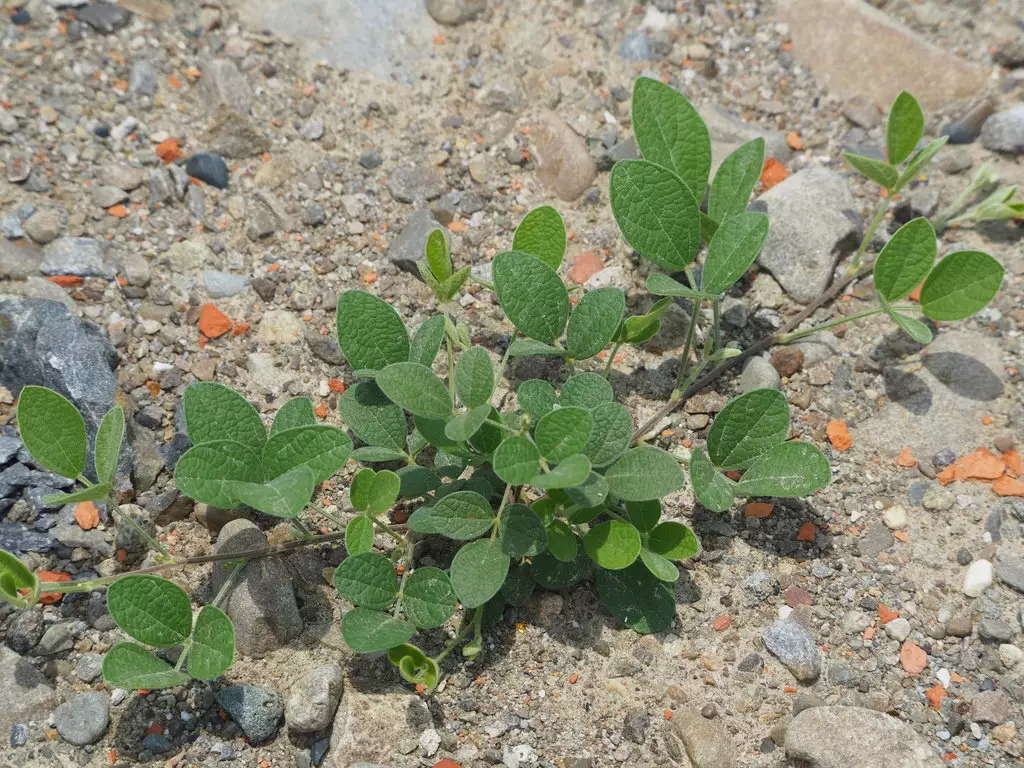
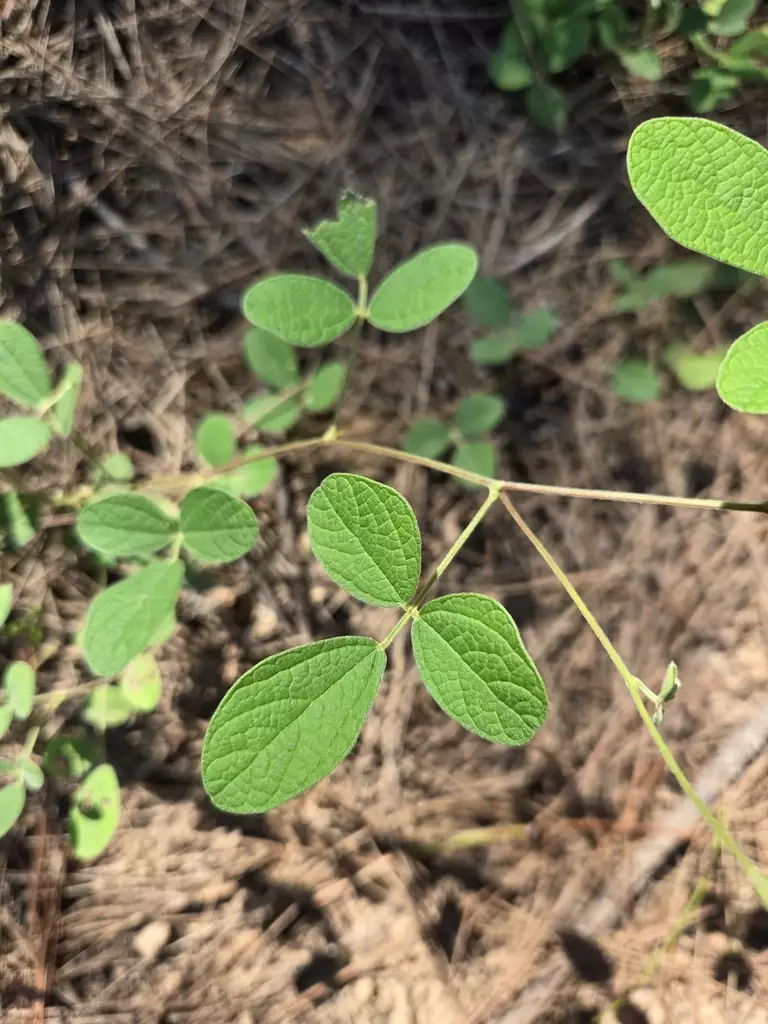
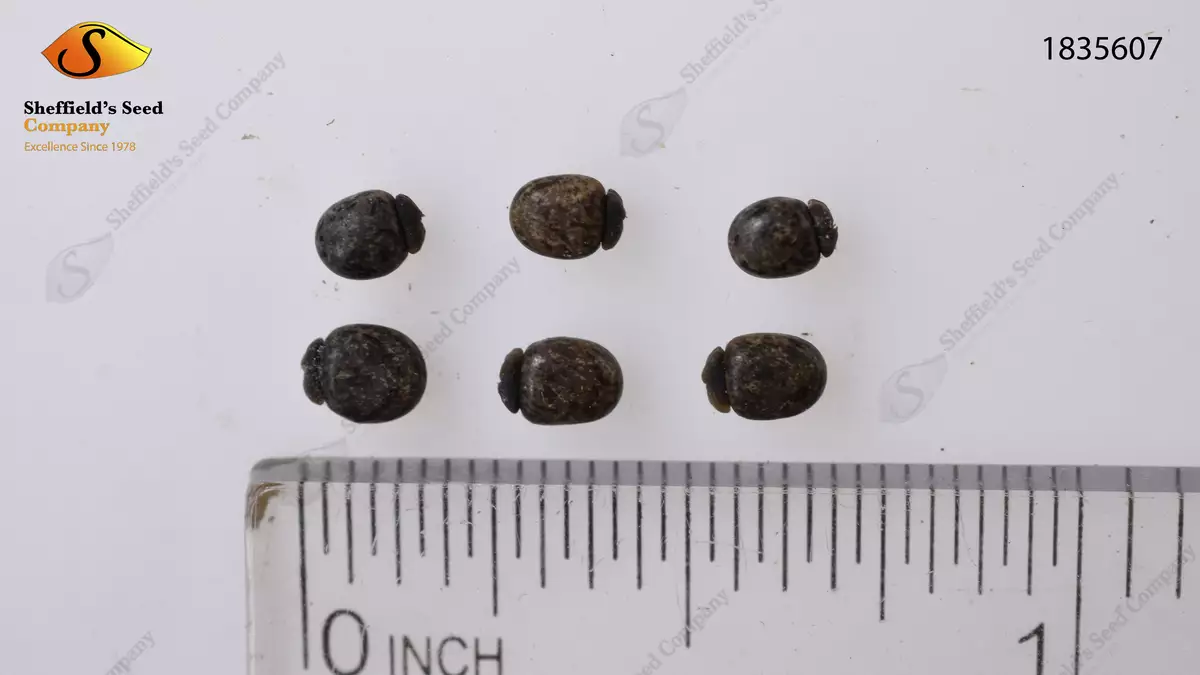
Cajanus scarabaeoides, commonly known as Showy Pigeonpea, is a remarkable plant species native to regions ranging from Madagascar to South China and Northern Australia. This perennial or subshrub thrives in seasonally dry tropical biomes and exhibits exceptional versatility, complemented by its close genetic relationship with the cultivated pigeonpea, Cajanus cajan. With its innate adaptability, C. scarabaeoides stands out as a vital resource for enhancing agricultural productivity. Its high drought tolerance and superior resistance to insect pests set it apart, offering a sustainable solution for subsistence farmers. These advantageous traits can be crossbred with pigeonpea cultivars to enhance their resilience and nutritional profile, ultimately reducing economic losses and boosting overall yields.
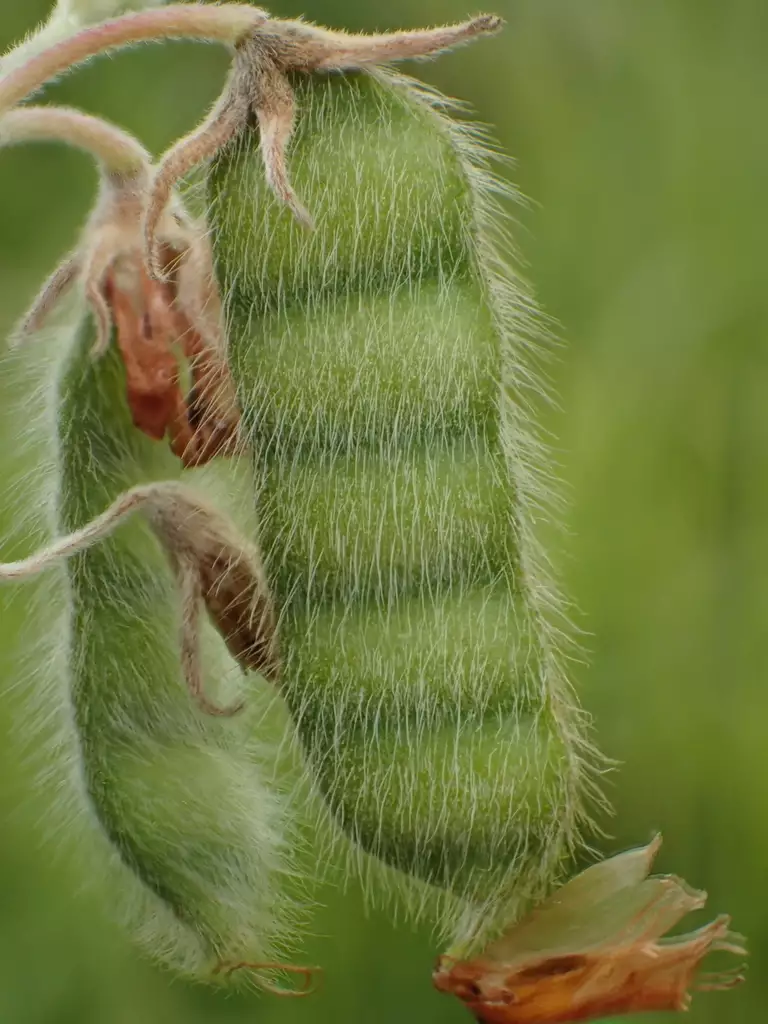
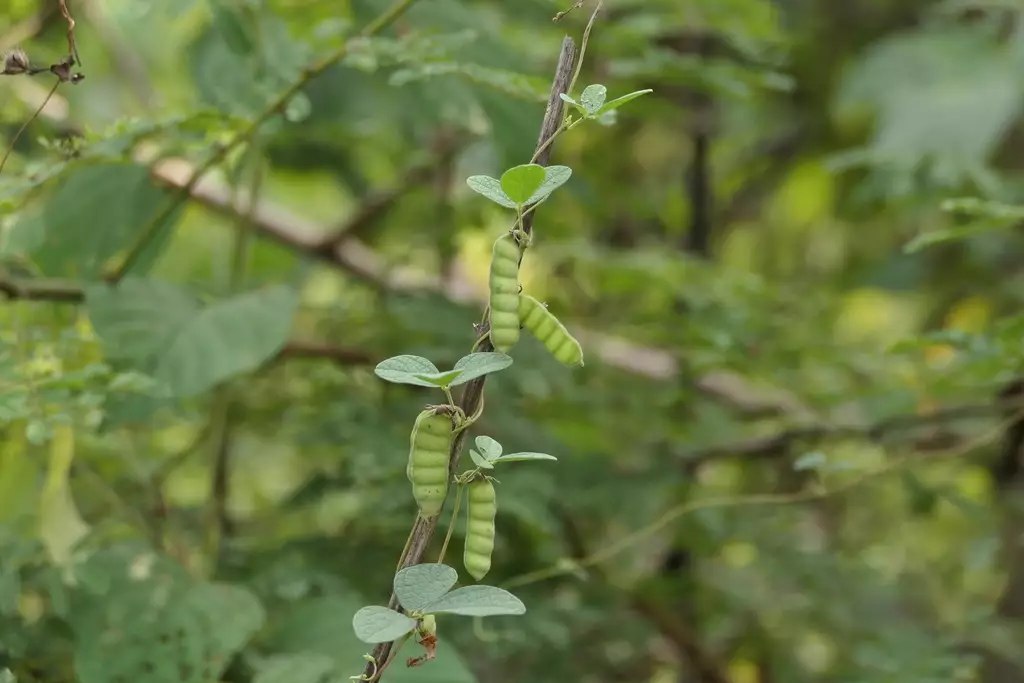
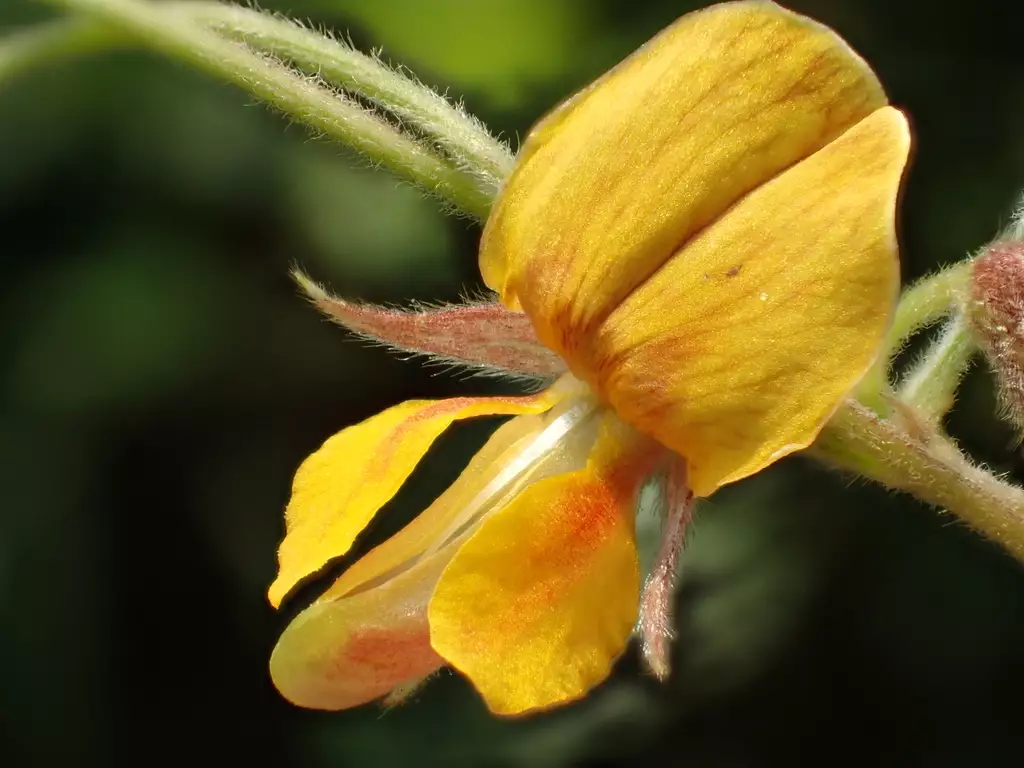
Cajanus scarabaeoides features distinctive yellow flowers with red veins, producing oblong seed pods densely covered in hairs. Notably, the species showcases a significant advantage in pod seed percentage and multiseed pod production. Its broad native range, spanning temperate and tropical zones, underscores its adaptability to various environments. This robust plant provides high protein content—up to 27%—and essential amino acids, making it a valuable dietary component. Furthermore, its inherent resistance to major pests like Helicoverpa armigera promises notable economic benefits, supporting sustainable agriculture and securing livelihoods globally.