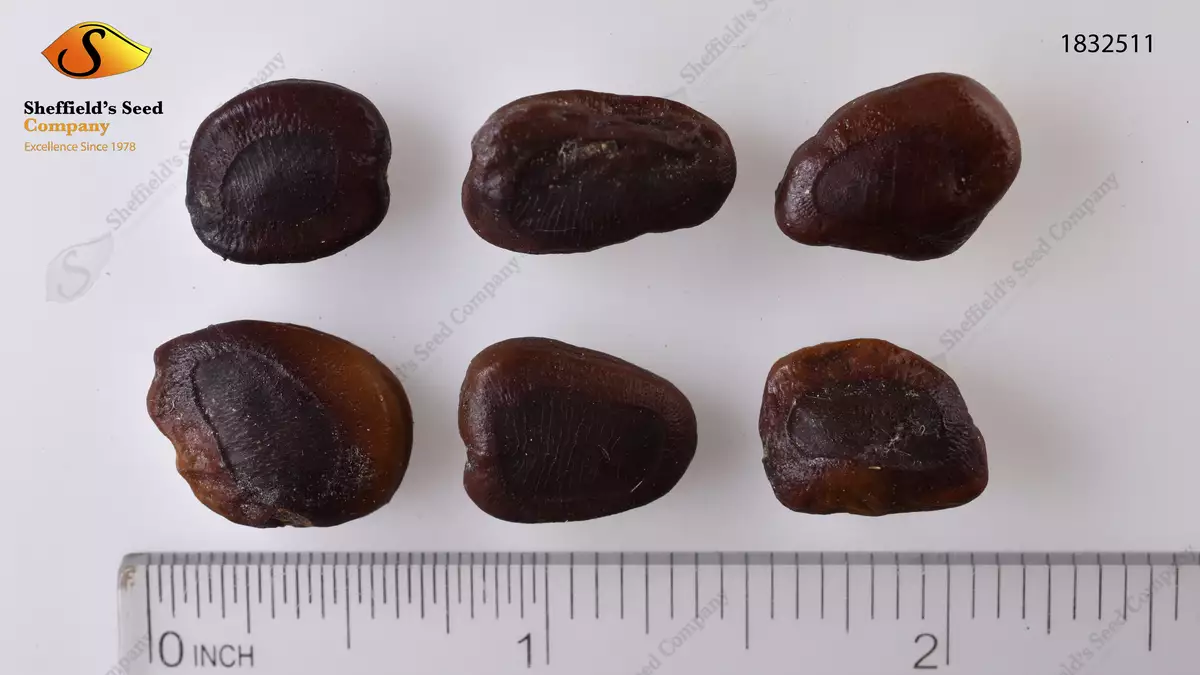
Scarification: Soak in sulfuric or nitric acid for 30 minutes and wash under cold water for 5-10 minutes
Stratification: none required
Germination: sow 1" deep, tamp the soil, mulch the seed bed
Native to: Comoros, Madagascar
Introduced to: Aldabra, Andaman Is., Angola, Aruba, Assam, Bahamas, Bangladesh, Belize, Benin, Bismarck Archipelago, Bolivia, Burkina, Burundi, Cambodia, Cameroon, Cape Verde, Caroline Is., Cayman Is., Central African Repu, Chad, Chagos Archipelago, China South-Central, China Southeast, Christmas I., Colombia, Costa Rica, Cuba, Djibouti, Dominican Republic, East Himalaya, Ecuador, Egypt, Eritrea, Ethiopia, Fiji, Florida, Galápagos, Gambia, Ghana, Gilbert Is., Guatemala, Guinea, Guinea-Bissau, Gulf of Guinea Is., Hainan, Haiti, Hawaii, India, Iraq, Ivory Coast, Jamaica, Jawa, Kenya, KwaZulu-Natal, Laccadive Is., Laos, Leeward Is., Liberia, Libya, Malawi, Malaya, Maldives, Mali, Marianas, Marquesas, Mauritania, Mauritius, Mexico Central, Mexico Southeast, Mexico Southwest, Mozambique, Mozambique Channel I, Myanmar, Nepal, Netherlands Antilles, New Caledonia, New Guinea, Nicobar Is., Niger, Nigeria, Northern Provinces, Oman, Pakistan, Panamá, Peru, Philippines, Puerto Rico, Réunion, Rodrigues, Saudi Arabia, Senegal, Seychelles, Sierra Leone, Socotra, Somalia, Southwest Caribbean, Sri Lanka, Sudan, Sumatera, Tanzania, Texas, Thailand, Togo, Trinidad-Tobago, Tuamotu, Turks-Caicos Is., Uganda, Vanuatu, Venezuela, Venezuelan Antilles, Vietnam, West Himalaya, Western Australia, Windward Is., Yemen, Zaïre, Zambia, Zimbabwe
Native
Introduced
Tamarindus indicaTamarindus indica
Tamarind
In Stock: 3.002 lb (Total:4.036lb)
Tamarindus indica
select i.*, as2.state_abbr
from inventory_item_manage i
left outer join sheffields_2017.address_states as2 on (as2.state_name = i.CollectionLocale or as2.state_abbr = i.CollectionLocale)
where i.inventory_id = '698930'
group by i.id
Scarification: Soak in sulfuric or nitric acid for 30 minutes and wash under cold water for 5-10 minutes
Stratification: none required
Germination: sow 1" deep, tamp the soil, mulch the seed bed
Native to: Comoros, Madagascar
Introduced to: Aldabra, Andaman Is., Angola, Aruba, Assam, Bahamas, Bangladesh, Belize, Benin, Bismarck Archipelago, Bolivia, Burkina, Burundi, Cambodia, Cameroon, Cape Verde, Caroline Is., Cayman Is., Central African Repu, Chad, Chagos Archipelago, China South-Central, China Southeast, Christmas I., Colombia, Costa Rica, Cuba, Djibouti, Dominican Republic, East Himalaya, Ecuador, Egypt, Eritrea, Ethiopia, Fiji, Florida, Galápagos, Gambia, Ghana, Gilbert Is., Guatemala, Guinea, Guinea-Bissau, Gulf of Guinea Is., Hainan, Haiti, Hawaii, India, Iraq, Ivory Coast, Jamaica, Jawa, Kenya, KwaZulu-Natal, Laccadive Is., Laos, Leeward Is., Liberia, Libya, Malawi, Malaya, Maldives, Mali, Marianas, Marquesas, Mauritania, Mauritius, Mexico Central, Mexico Southeast, Mexico Southwest, Mozambique, Mozambique Channel I, Myanmar, Nepal, Netherlands Antilles, New Caledonia, New Guinea, Nicobar Is., Niger, Nigeria, Northern Provinces, Oman, Pakistan, Panamá, Peru, Philippines, Puerto Rico, Réunion, Rodrigues, Saudi Arabia, Senegal, Seychelles, Sierra Leone, Socotra, Somalia, Southwest Caribbean, Sri Lanka, Sudan, Sumatera, Tanzania, Texas, Thailand, Togo, Trinidad-Tobago, Tuamotu, Turks-Caicos Is., Uganda, Vanuatu, Venezuela, Venezuelan Antilles, Vietnam, West Himalaya, Western Australia, Windward Is., Yemen, Zaïre, Zambia, Zimbabwe
Native
Introduced
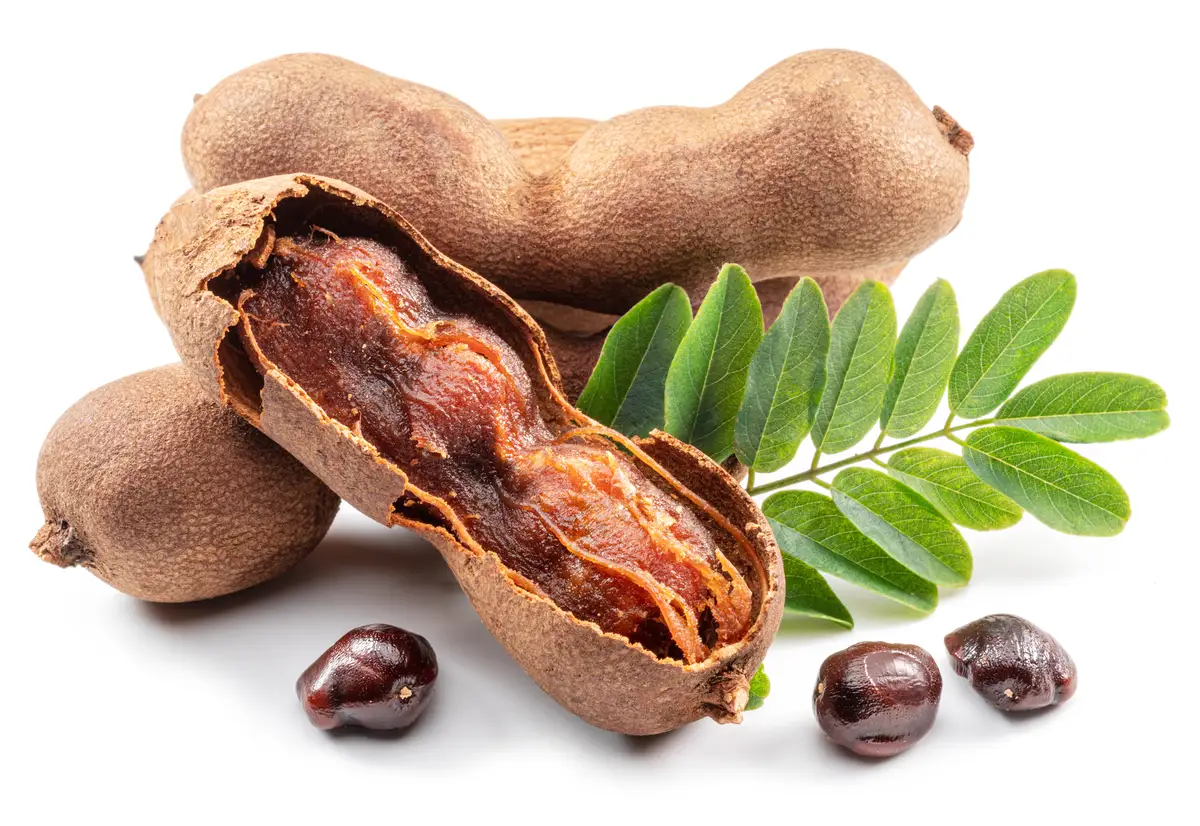
Experience the exotic allure of Tamarindus indica, commonly known as Tamarind, a versatile and enchanting tree native to tropical Africa and celebrated worldwide. Revered for its succulent, tangy-sweet brown pods, Tamarind is a delightful culinary staple, infusing dishes with a refreshing zest across cuisines from Asia to the Americas. Its cherished pulp transforms sauces, chutneys, and beverages, including the renowned Middle Eastern tamr-hindi drink, while young leaves and seeds expand its gastronomic repertoire in dishes like India's samosa chutney and Filipino sinigang.
Beyond the kitchen, Tamarind shines in traditional medicine and artisanal crafts. Its pulp is embraced for health remedies, while the robust heartwood makes it a prized material for woodworking, used in fine furniture and intricate carvings. Tamarind seed oil, derived from the kernel, features prominently in industrial applications like textile processing and varnish manufacturing.
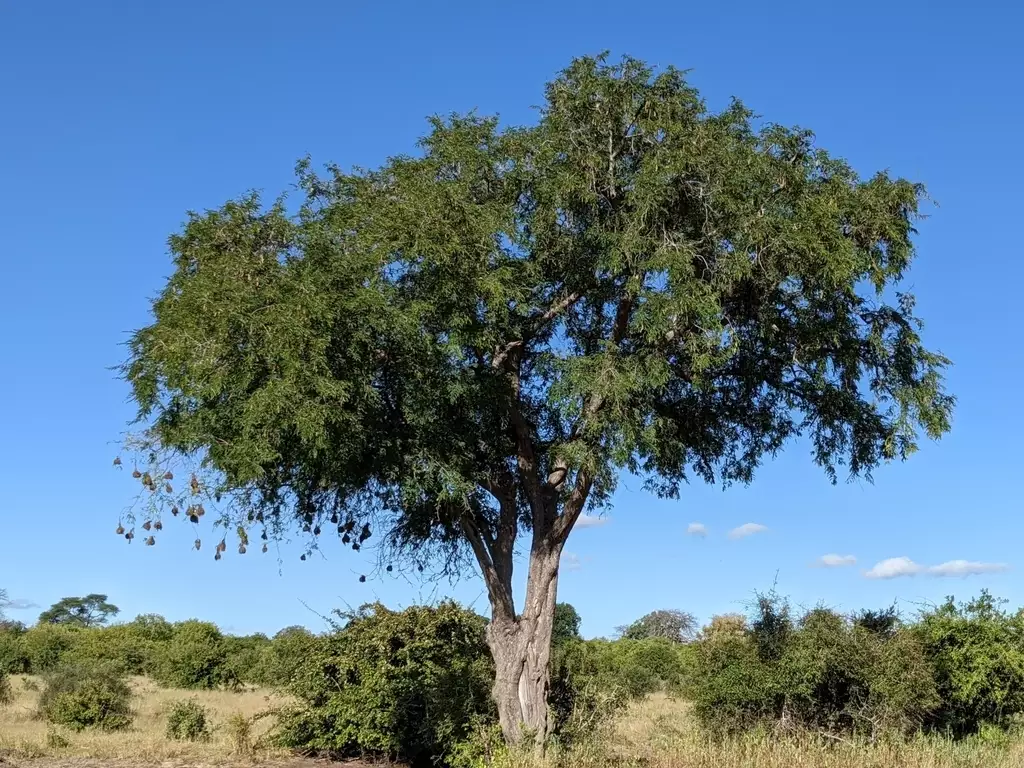
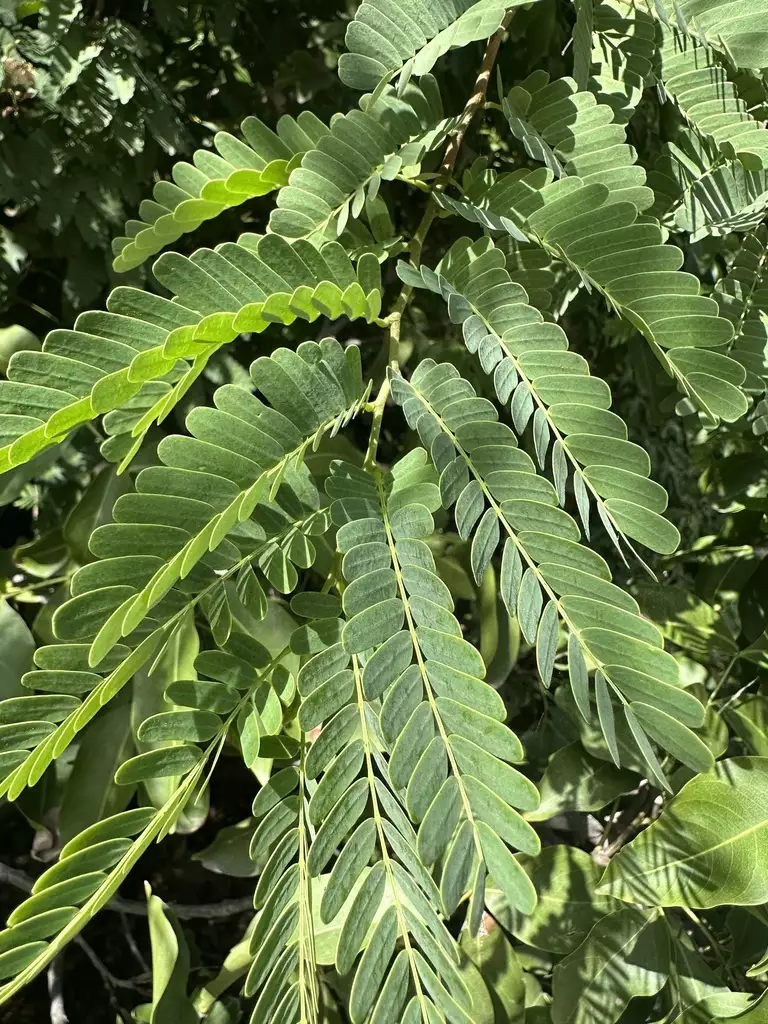
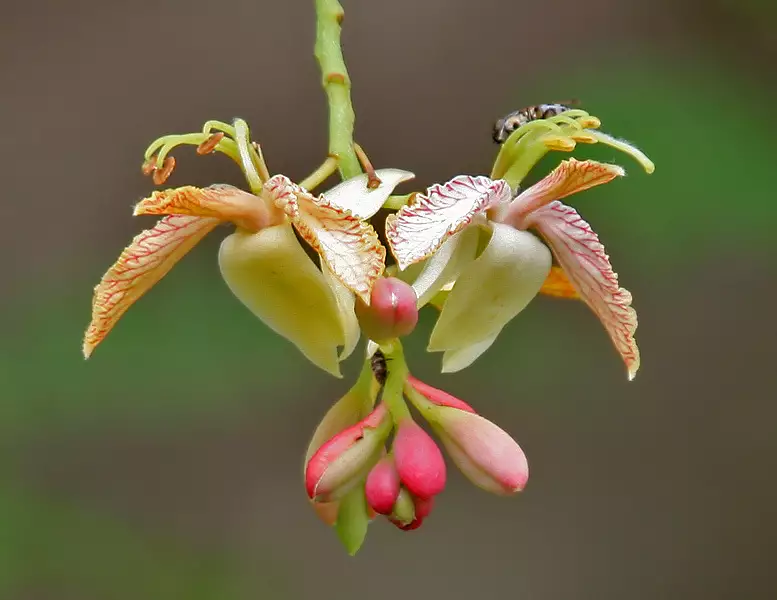
Growing up to 100 ft tall with lush, evergreen leaves and vibrant racemes of red and yellow flowers, Tamarind is not only a culinary gem but also a horticultural beauty. Its formidable resilience to drought and salt make it a staple in tropical and subtropical landscapes globally, from Indian orchards to Floridian parks. Whether you're enhancing your culinary skills, exploring herbal remedies, or appreciating nature's resilience and beauty, Tamarind tree offers a world of possibilities to explore.








_flowers_W_IMG_9164.jpg)