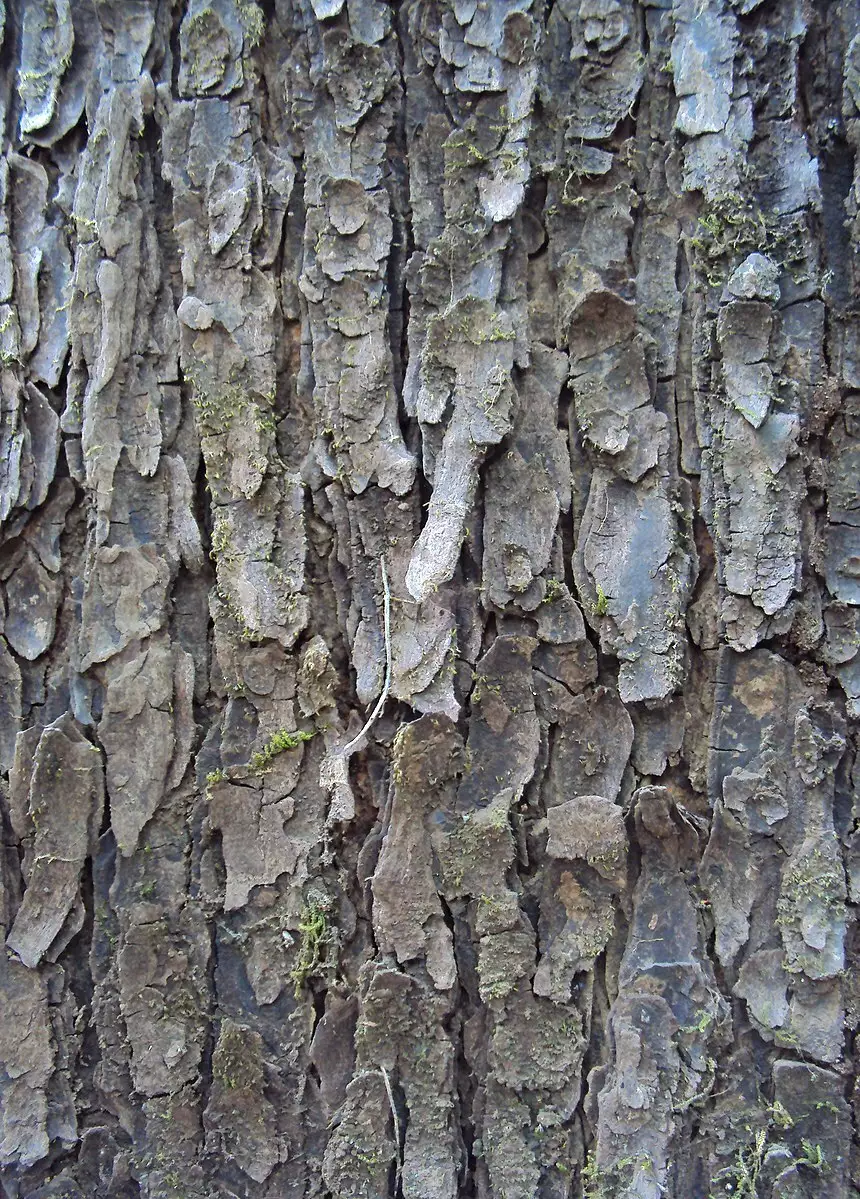
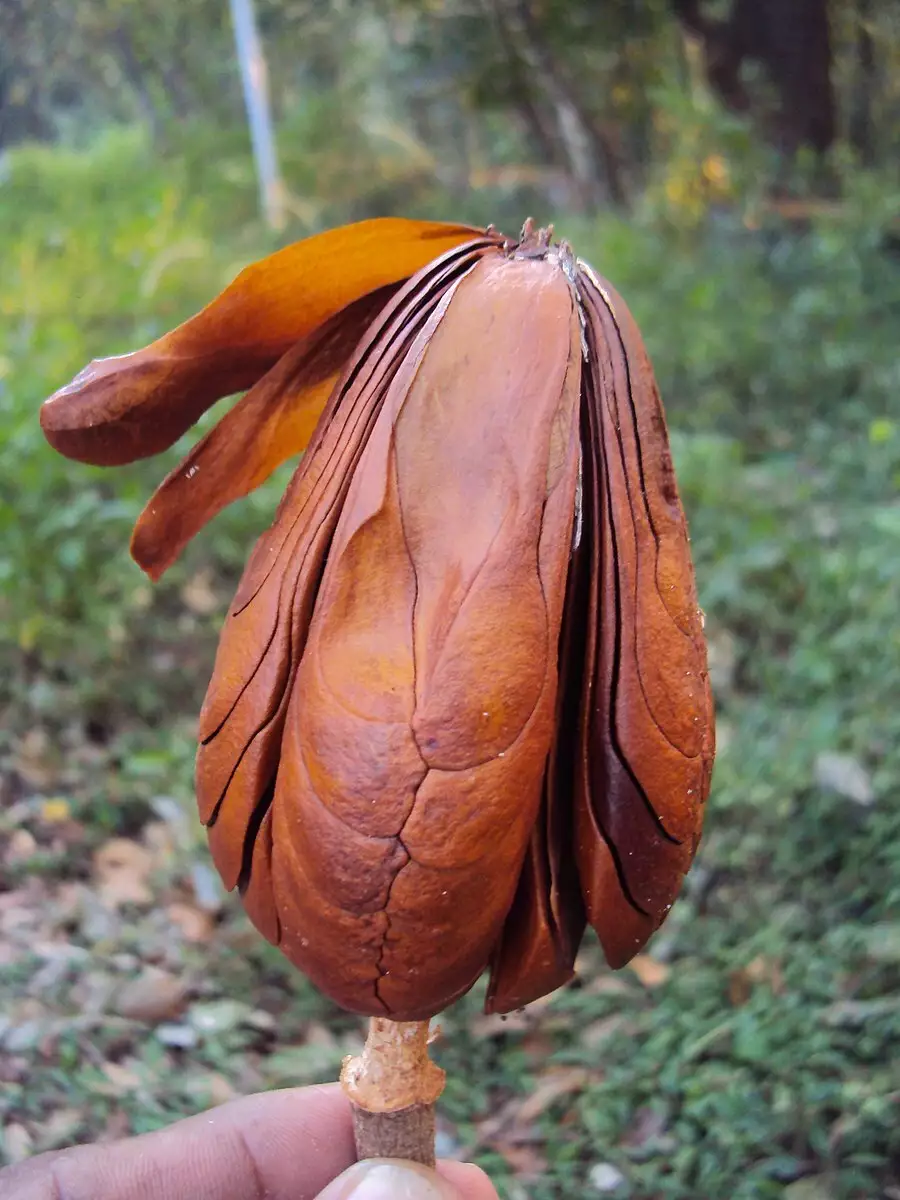
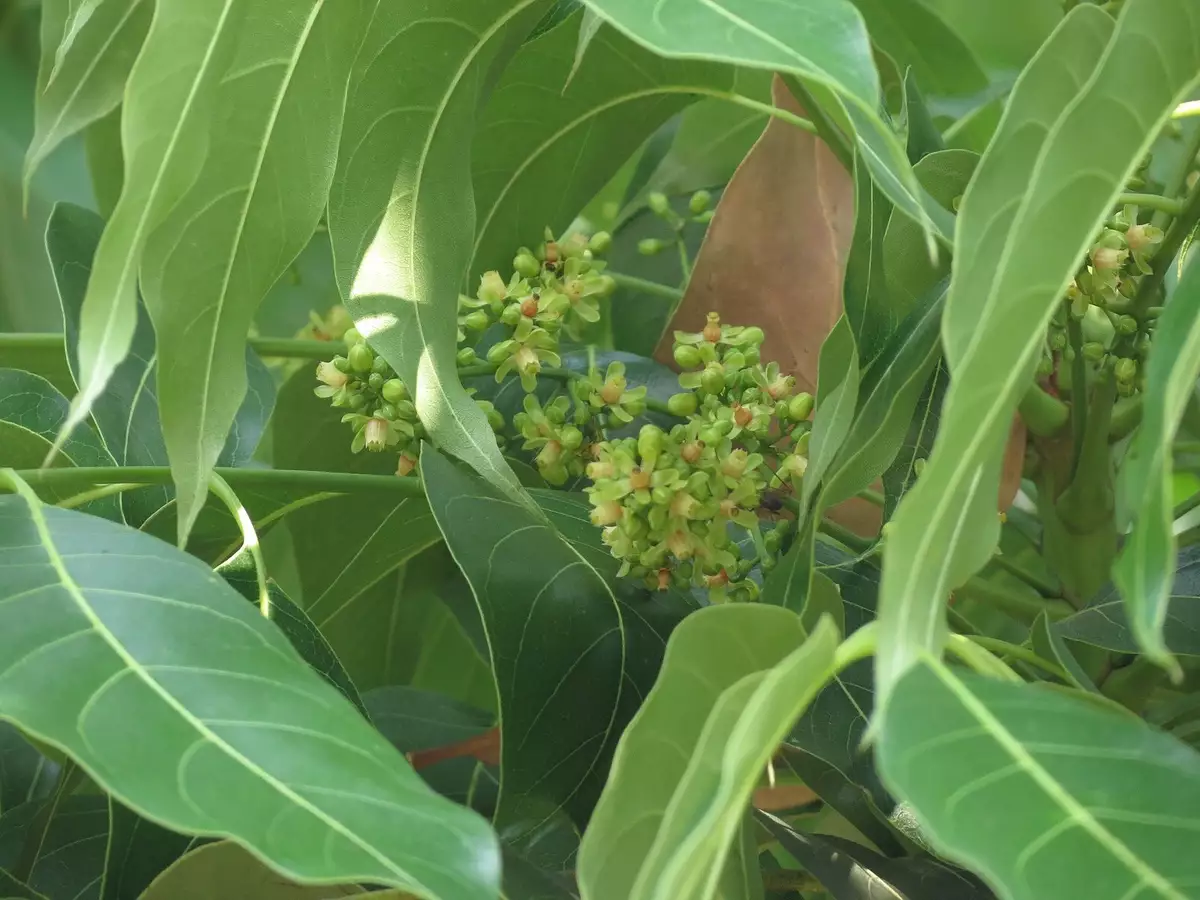
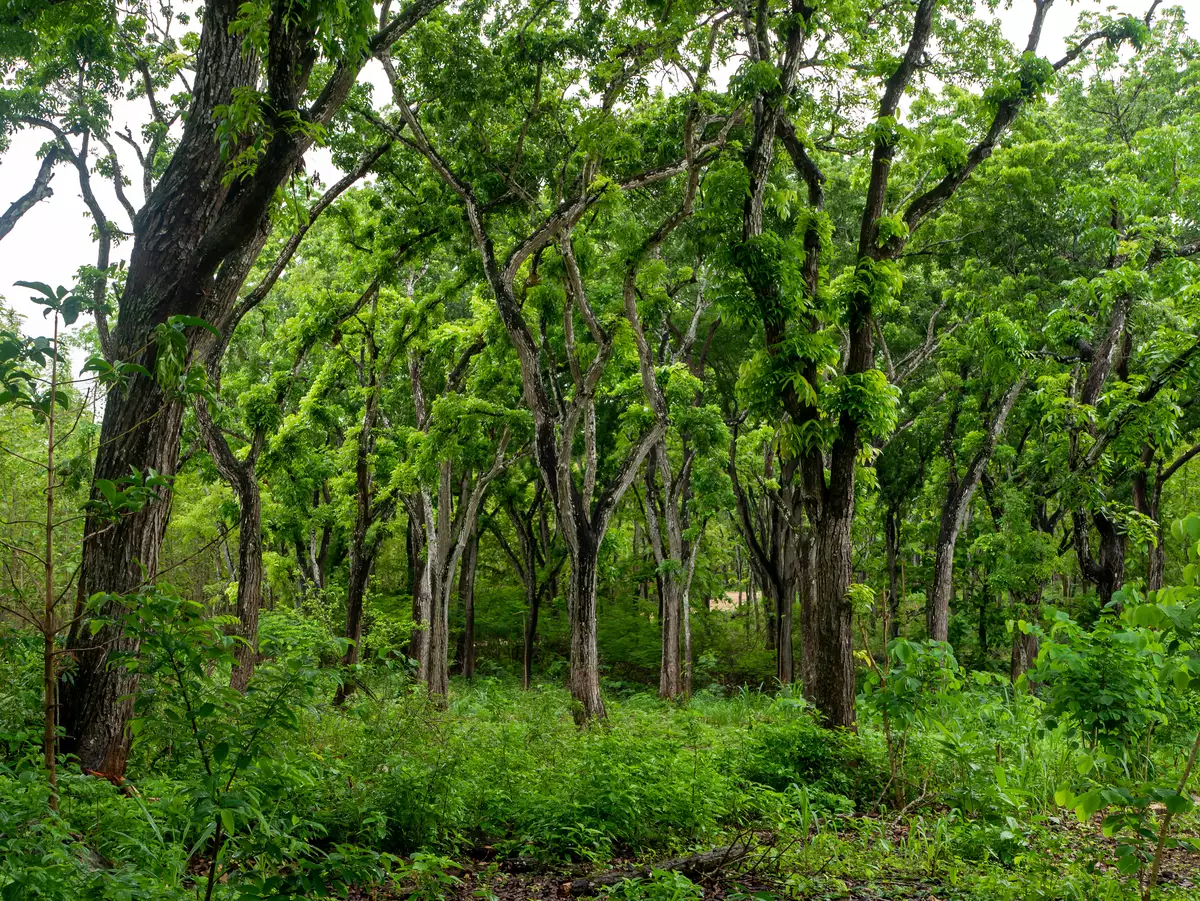
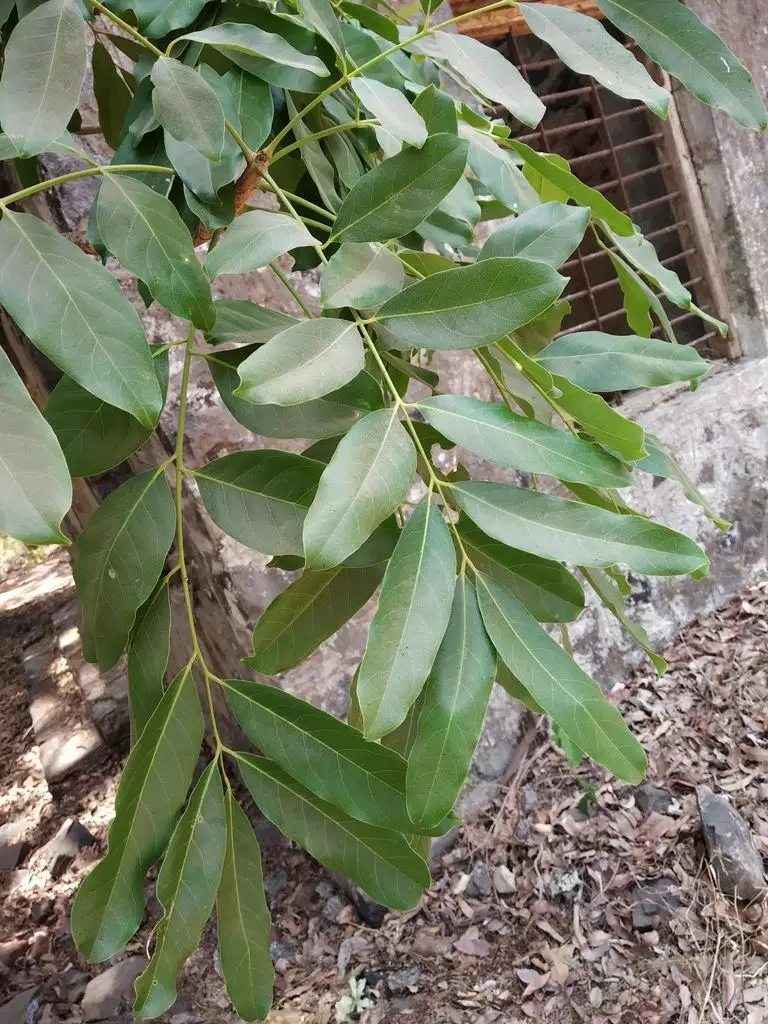
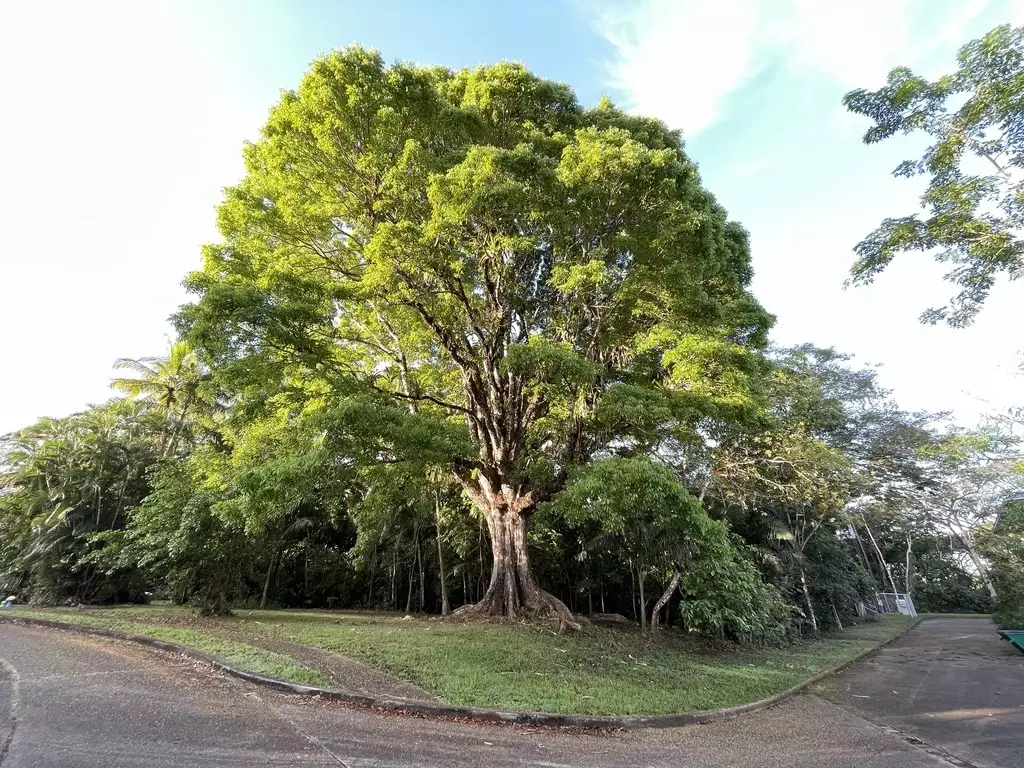
Swietenia macrophylla, commonly known as Big Leaf Mahogany or Honduras Mahogany, stands as a towering icon within the rainforest ecosystem, soaring up to 200 feet with a lifespan surpassing 350 years. With its expansive leaves reaching up to 20 inches, this "big-leaf" mahogany, locally referred to as "caoba" in several Latin American countries, is not only visually striking but ecologically vital. Its habitat spans from southern Mexico through Central America, and into Brazil and Bolivia, thriving in diverse tropical environments. The tree's exquisite dark reddish wood is celebrated for its durability and natural beauty, making it a favored material for high-end furniture and musical instruments since the 1500's. However, its allure has also led to significant threats, including overharvesting and habitat degradation due to illegal logging, exacerbated by the construction of access roads into previously undisturbed rainforests. This exploitation poses serious ecological risks such as soil erosion and diminished biodiversity, as regeneration is hindered by insufficient light conditions necessary for young mahogany growth. To safeguard this majestic species for generations to come, a conscious effort towards sustainable forestry practices and stronger enforcement against illegal logging activities is essential.









.jpg)
