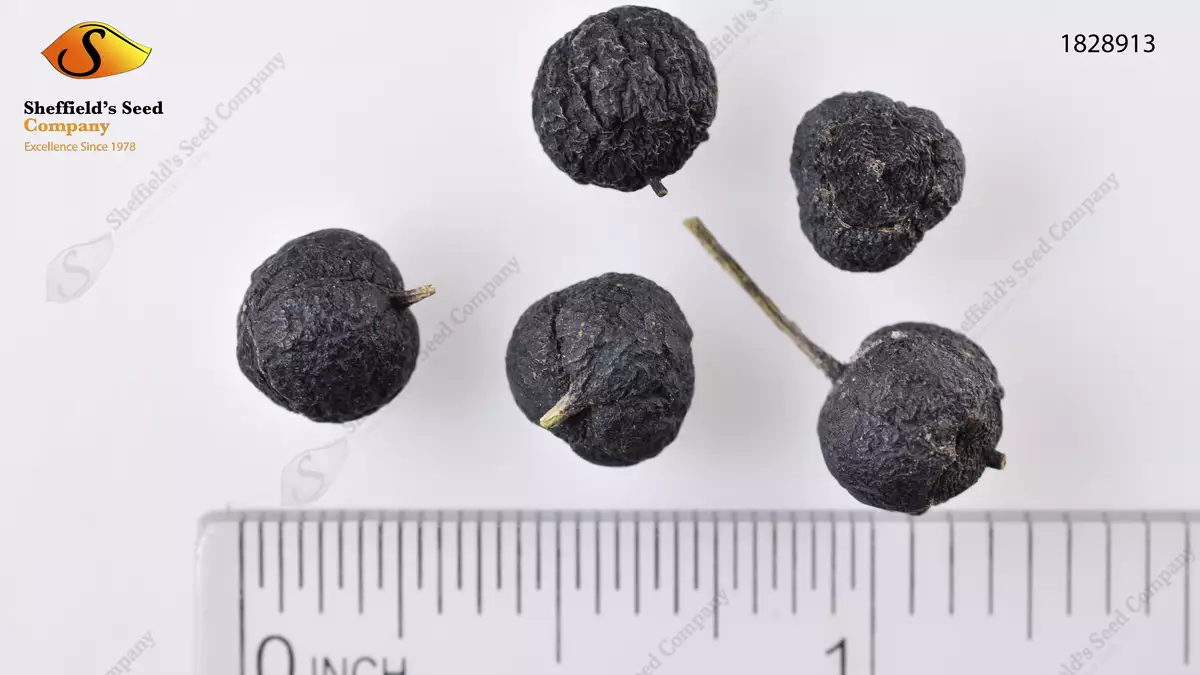
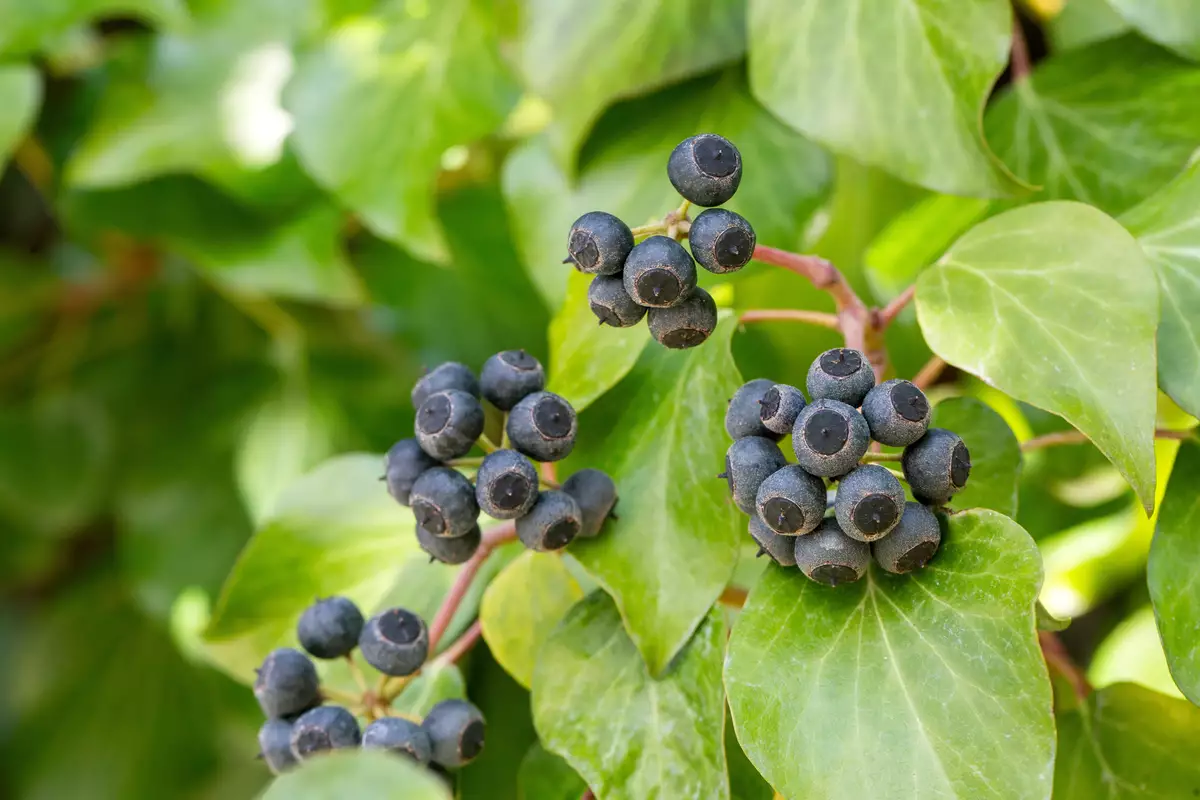
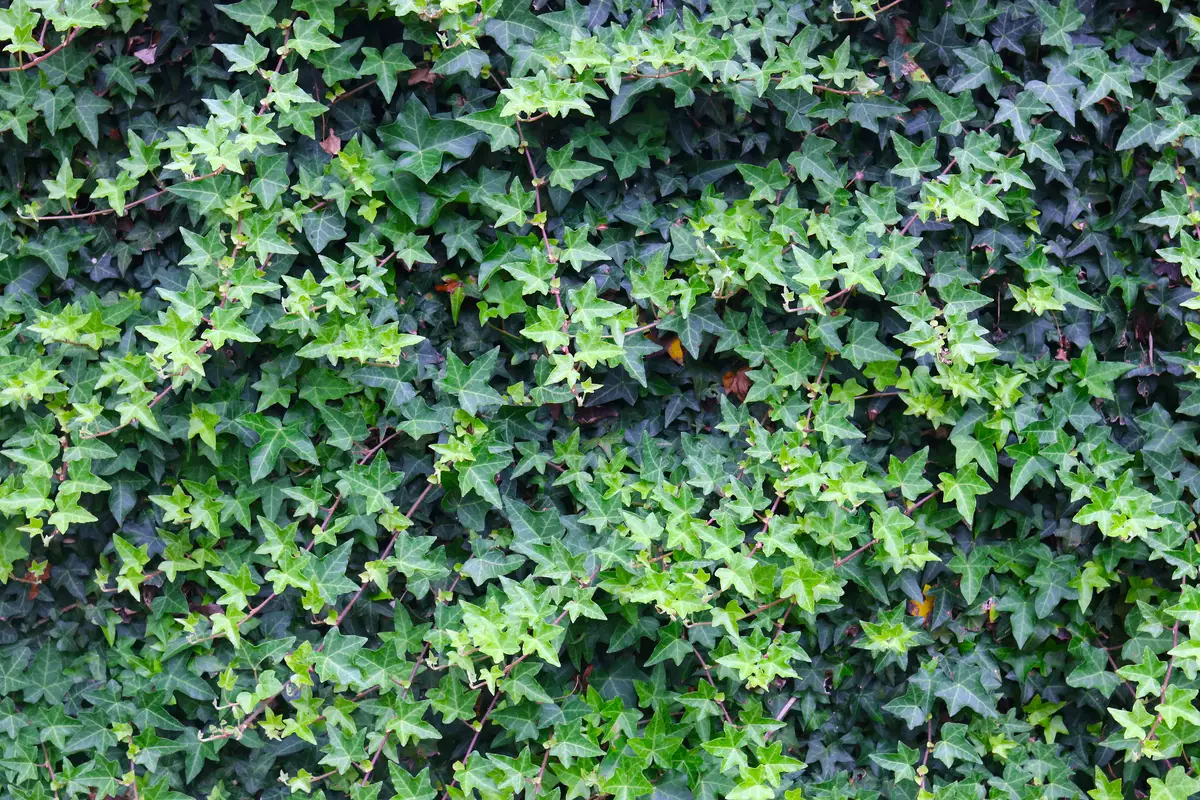
English Ivy (Hedera helix), a versatile and vigorous evergreen perennial vine, is predominantly native to Europe, Scandinavia, and Russia, offering both aesthetic charm and ground coverage in diverse landscapes. Appreciated for its lush, green foliage that remains vibrant throughout the year, English Ivy thrives in zones 4 to 9, exhibiting remarkable adaptability to both partial and full shade environments.
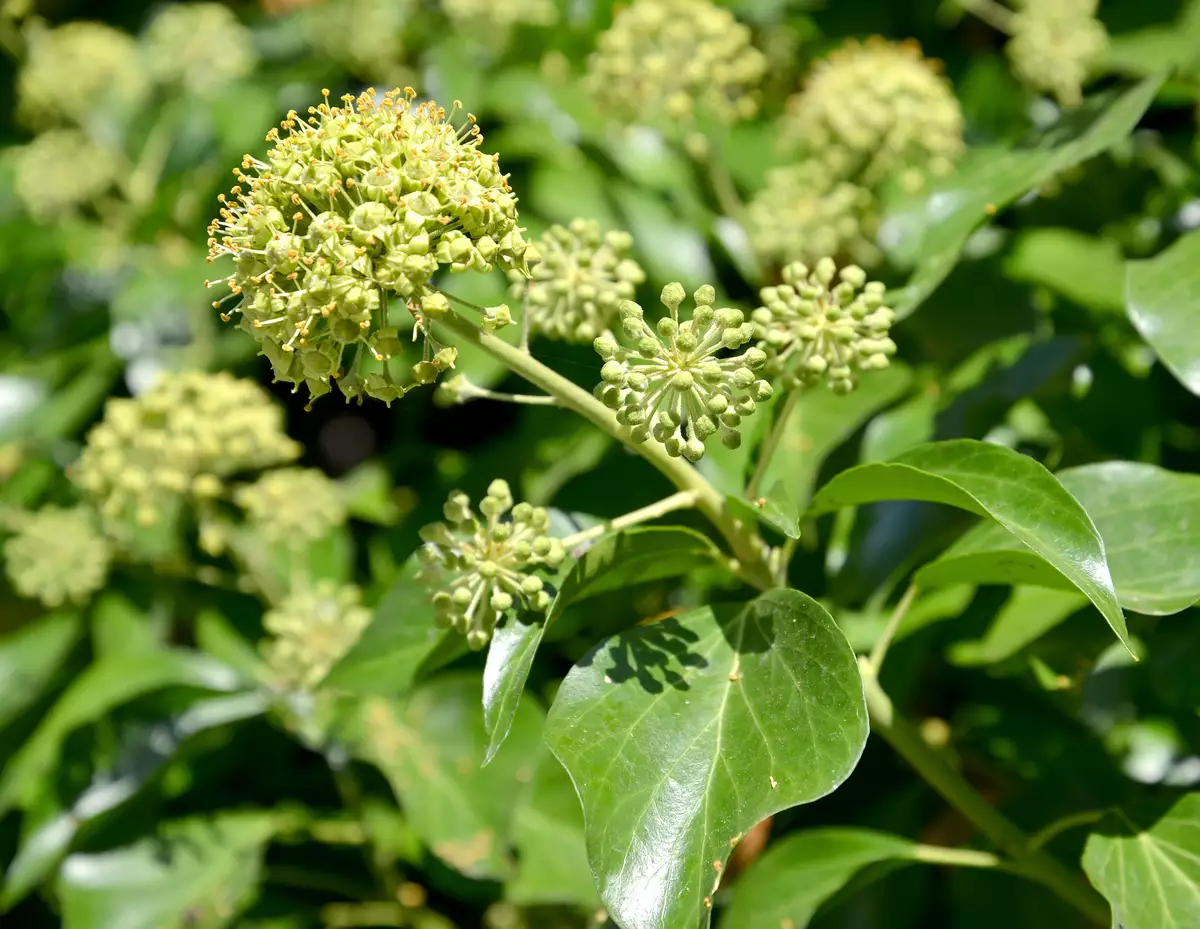
Typically, English Ivy can climb to impressive heights of 20 to 80 feet, while extending horizontally from 3 to 50 feet. It blooms modestly from September to October, producing subtle greenish-white flowers. Once established, English Ivy is notably low-maintenance, tolerating drought and heavy shade, and performs best in rich, well-drained soils. This makes it an exceptional choice for ground cover, naturalizing, or adorning vertical structures like trellises and walls.
Despite its appealing characteristics, English Ivy's aggressive growth rate presents challenges. In North America, it is considered invasive, particularly in the Midwest, where it can displace native vegetation and disrupt local ecosystems. Therefore, while it offers outstanding coverage for urban and disturbed areas, responsible cultivation is essential to prevent unintended ecological impact.
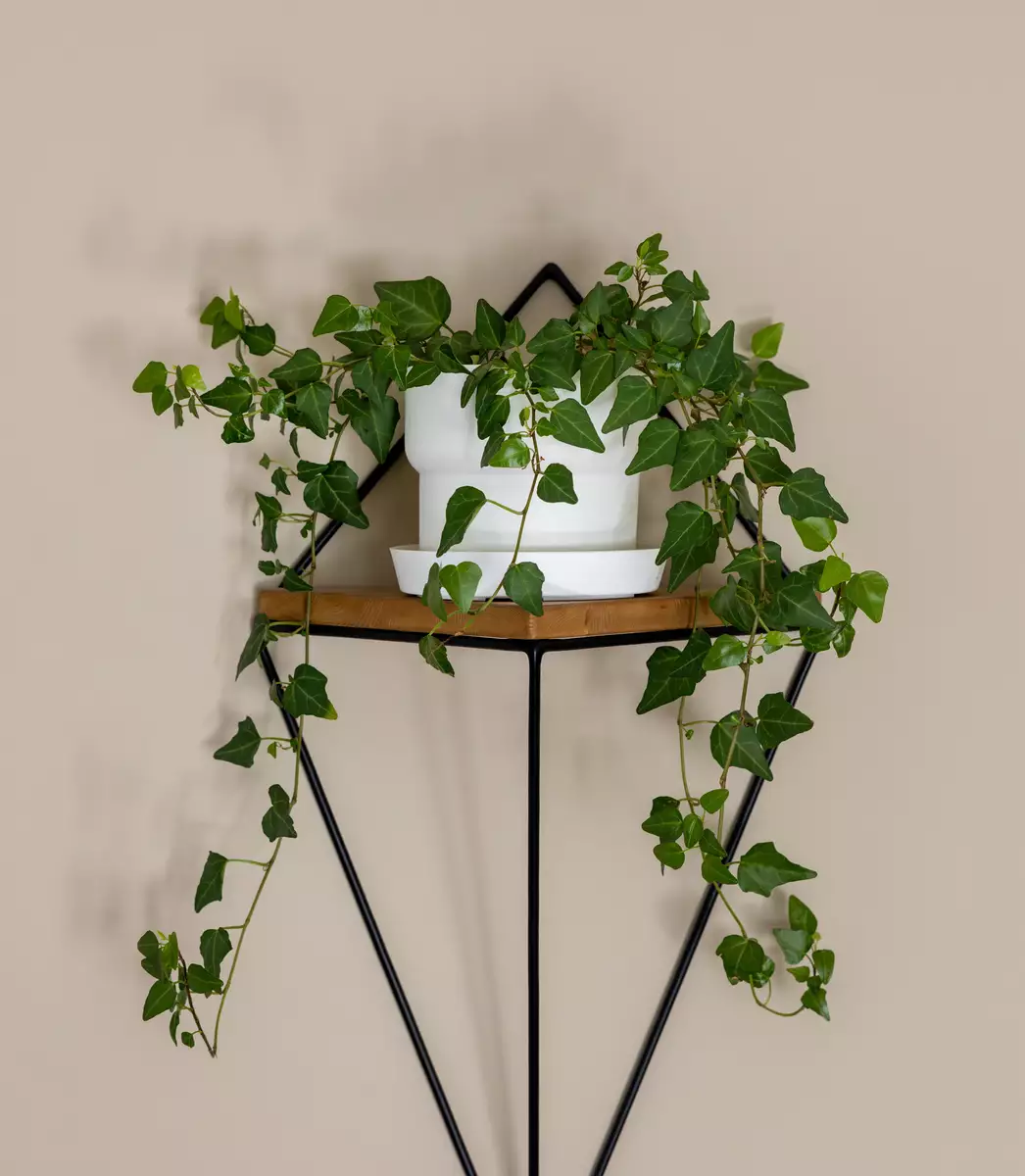
Whether used for decorative topiary, as a hanging basket, or as a houseplant, English Ivy’s classic appeal and ease of growth make it a popular choice among gardeners and landscapers. However, it requires mindful management to contain its invasive tendencies and safeguard surrounding plant life. Ideal for shaded locations yet thriving even in full sun with sufficient water, English Ivy epitomizes resilience and beauty in any garden setting, promising year-round greenery and aesthetic delight.