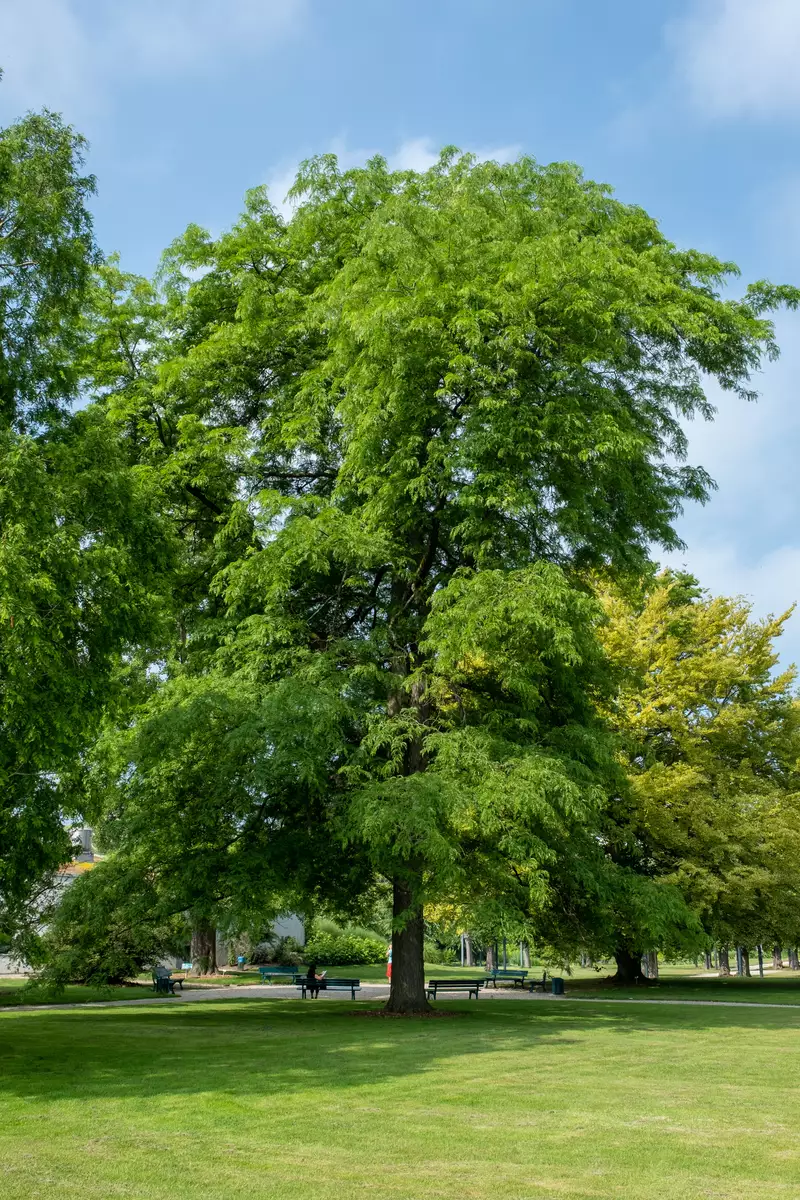
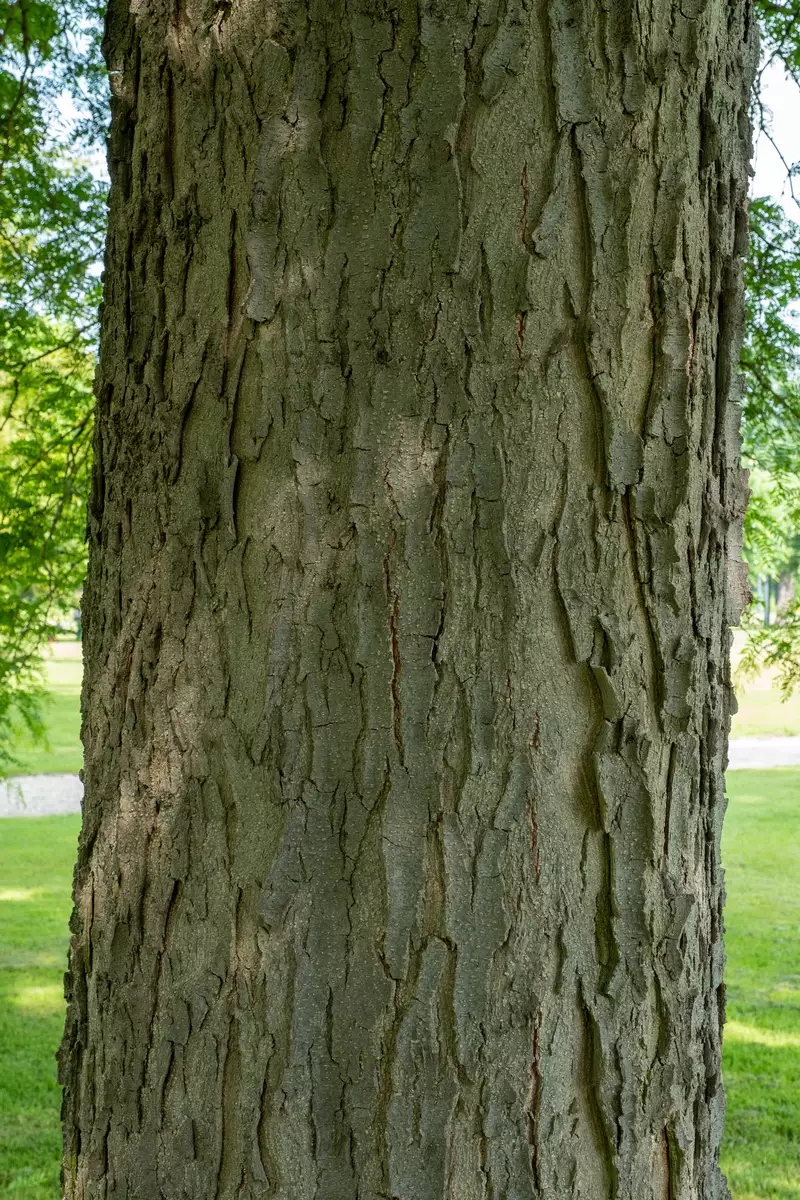
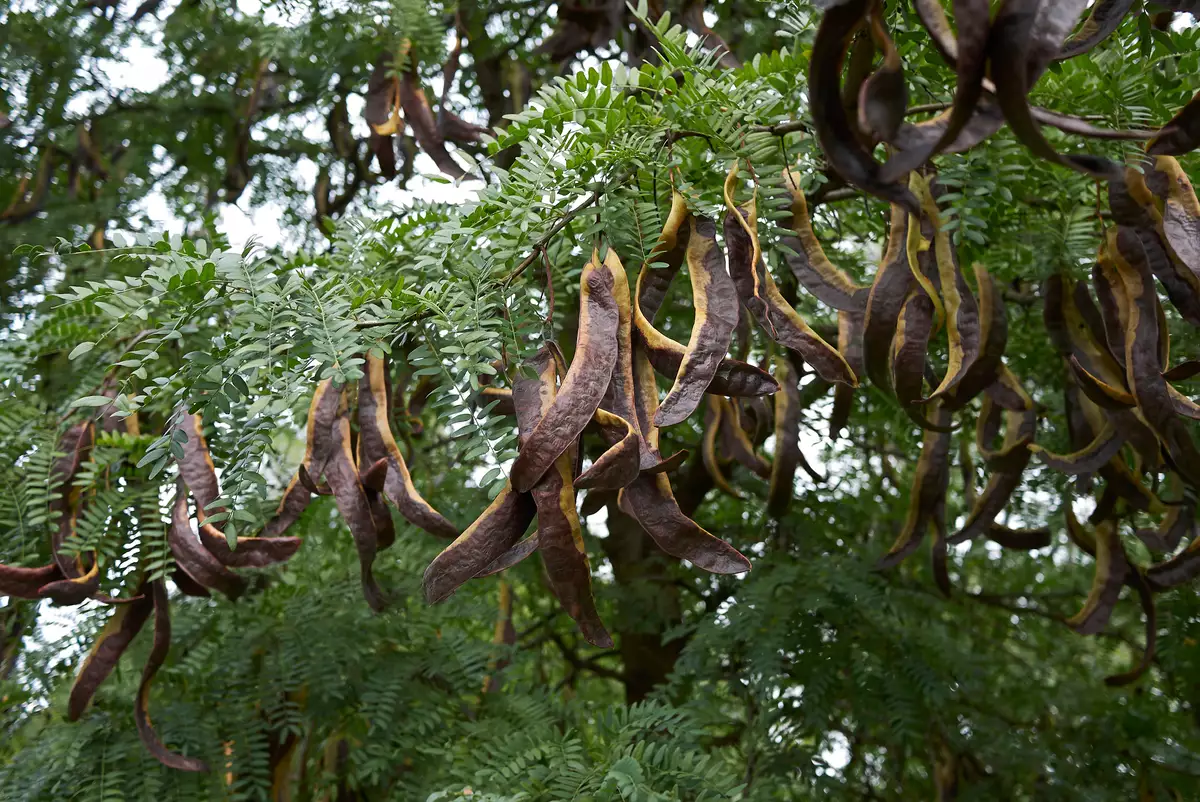
Gleditsia triacanthos 'Inermis', commonly known as Thornless Honey Locust— is a distinguished member of the legume family that offers elegance and practicality for your landscape needs. Celebrated for its refined silhouette and robust resilience, this deciduous shade tree grows to a height of 30 to 70 feet, with a spread of 25 to 40 feet, showcasing an airy, spreading crown and smoother, thornless branches.
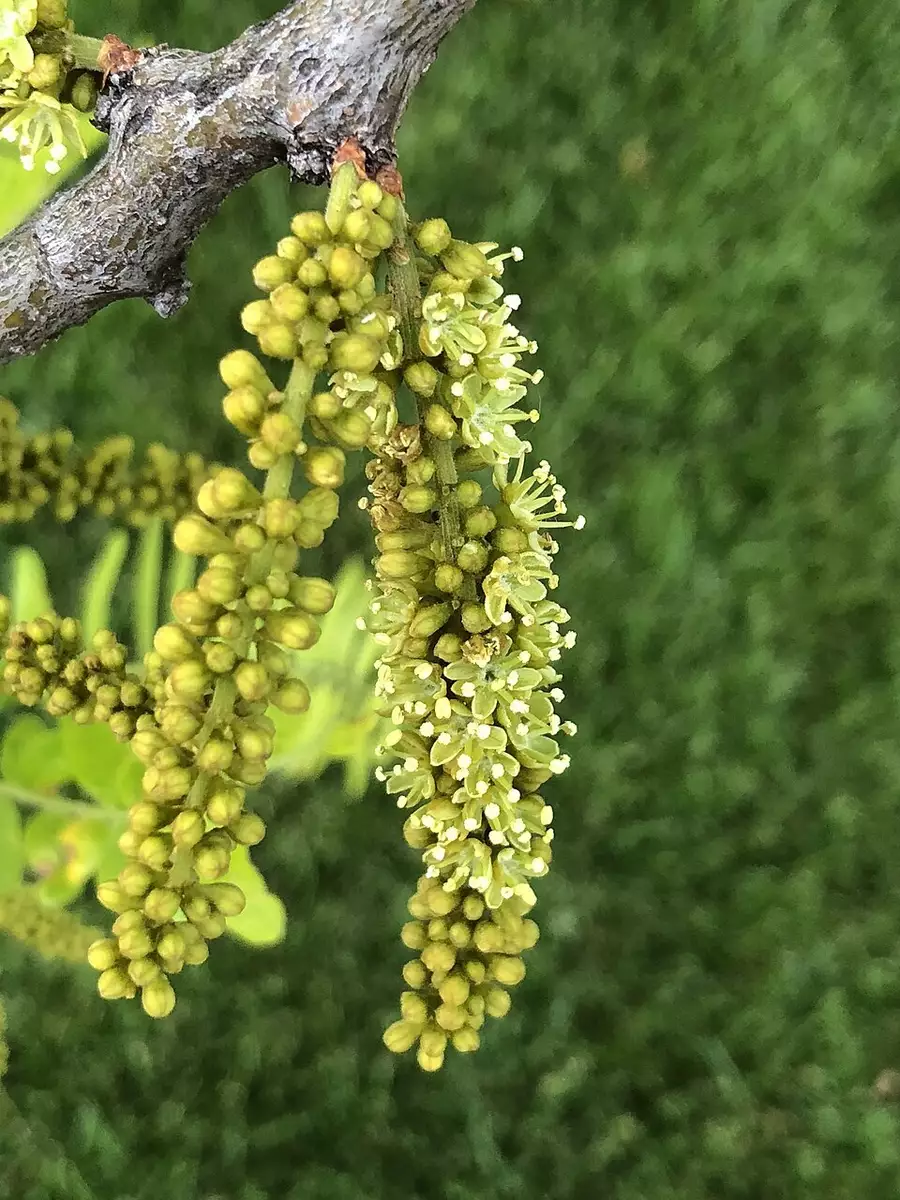
Ideal for urban settings, parks, or personal gardens, Thornless Honey Locust thrives in full sun and a variety of soil conditions, from moist, well-drained soils to challenging urban and saline environments. It stands resilient against drought, clay soil, and air pollution, making it a versatile choice for diverse climates across USDA Zones 3 to 8. In spring, the tree presents inconspicuous greenish-yellow blooms, transitioning to an eye-catching yellow foliage in fall for a striking seasonal display.
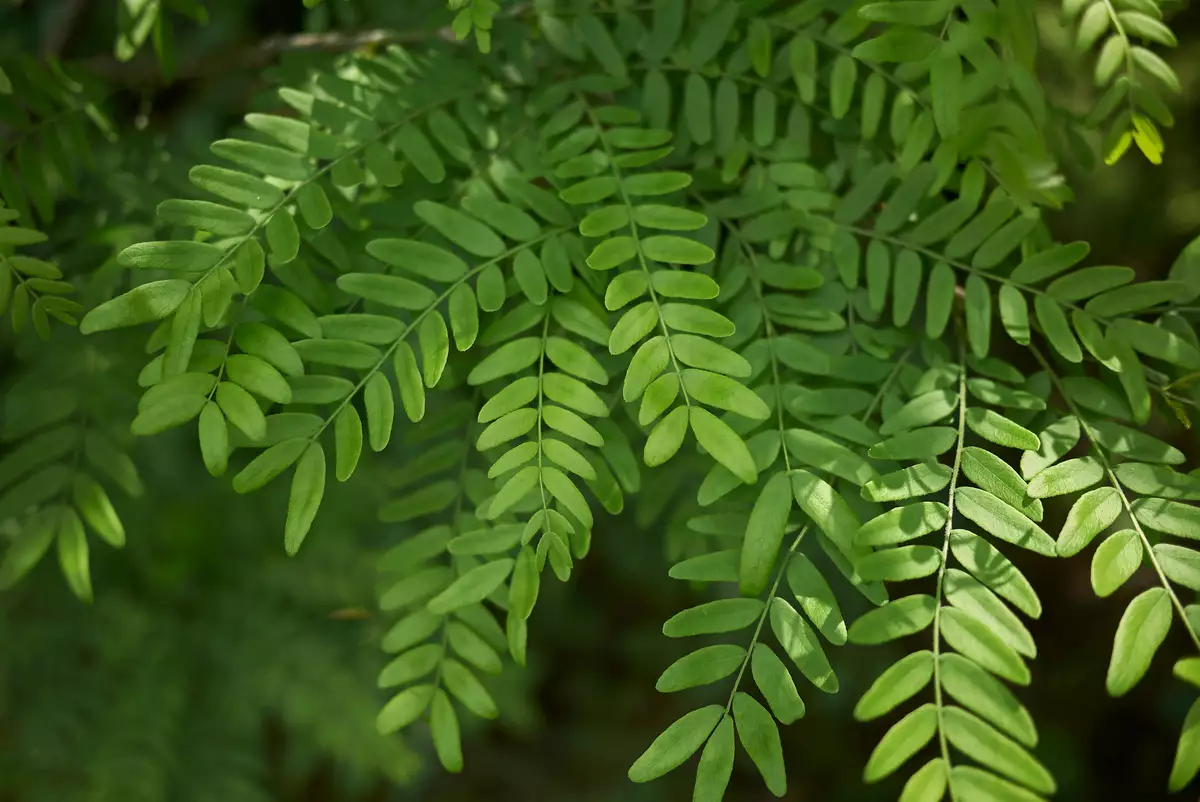
Beyond aesthetics, this tree is a functional asset to any outdoor space. Its fine-textured leaves cast a filtered shade, supporting undergrowth and easy lawn maintenance while seamlessly blending into wildlife-friendly gardens. As a nearly seedless and thorn-free specimen, it ensures minimal cleanup and heightened safety, particularly ideal for children's play areas.
Paying homage to its heritage, the genus name honors Johann Gottlieb Gleditsch, with its epithet 'Inermis' underscoring the absence of thorns, adding a seamless elegance to public and private landscapes alike. Thornless Honey Locust promises beauty, utility, and enduring vitality, making it a standout centerpiece for your garden or street-side plantings.