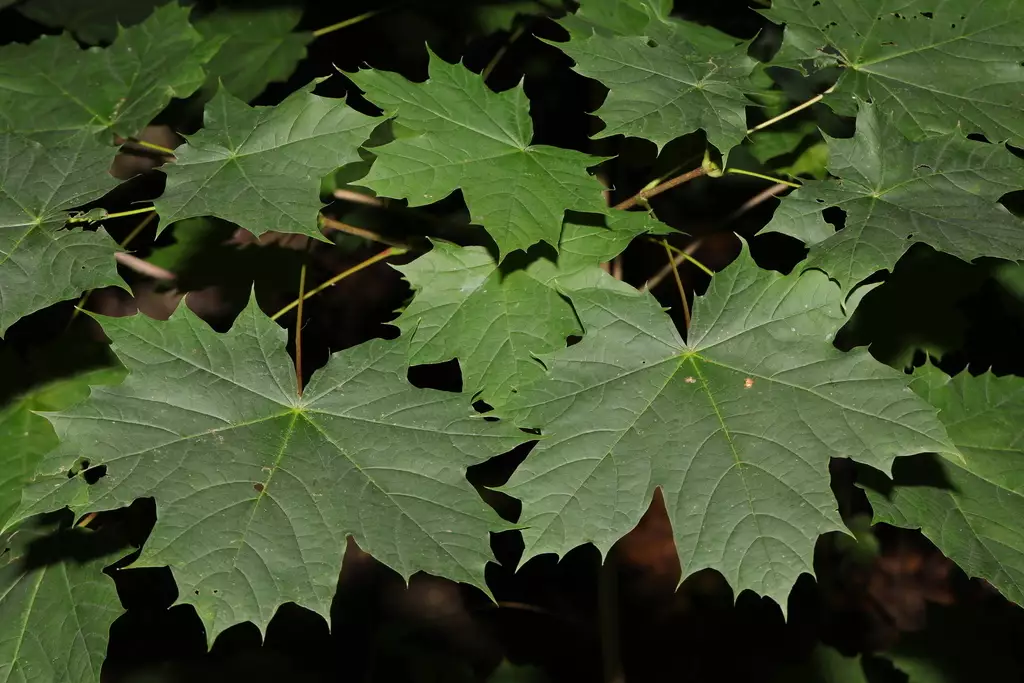
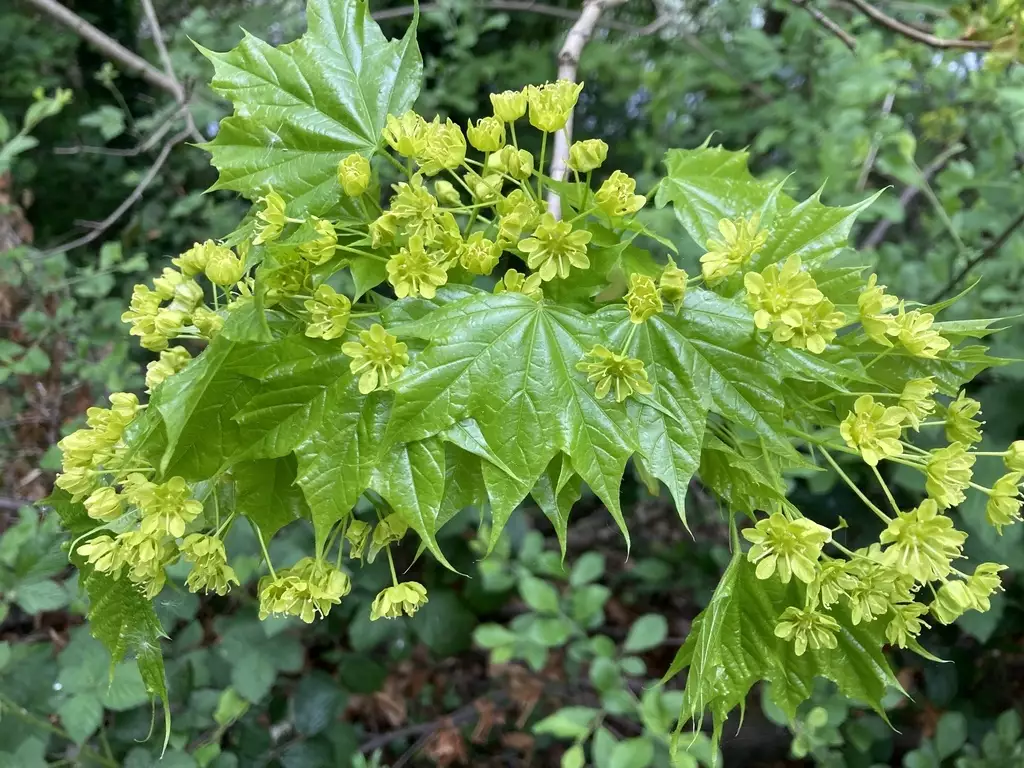
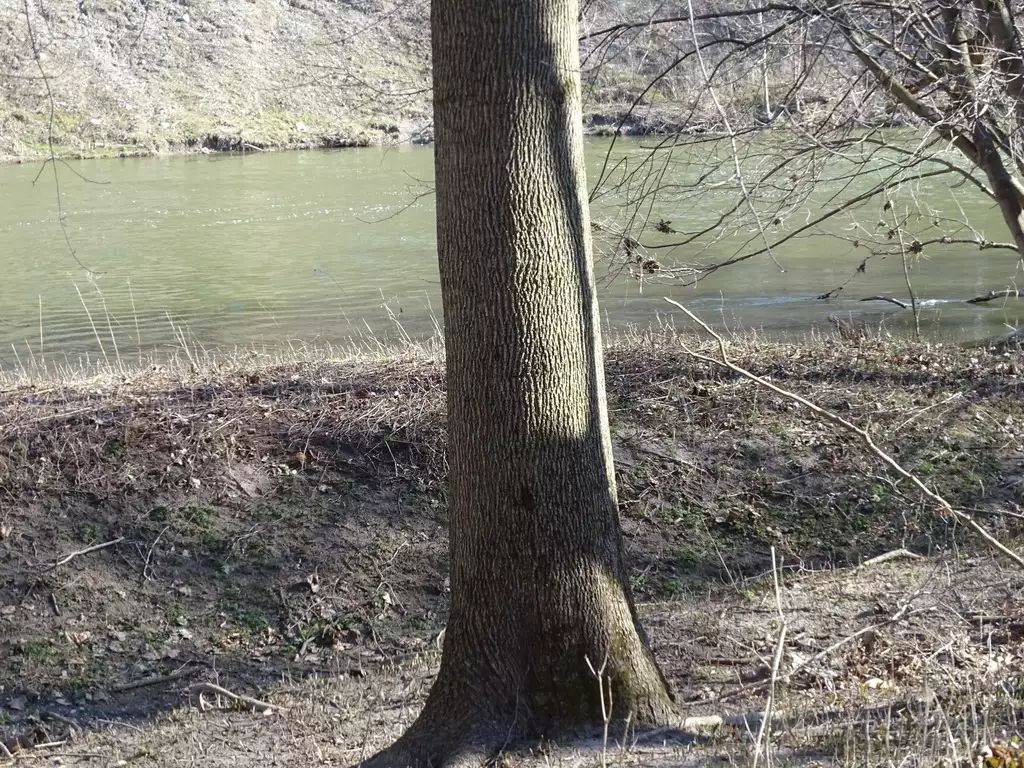
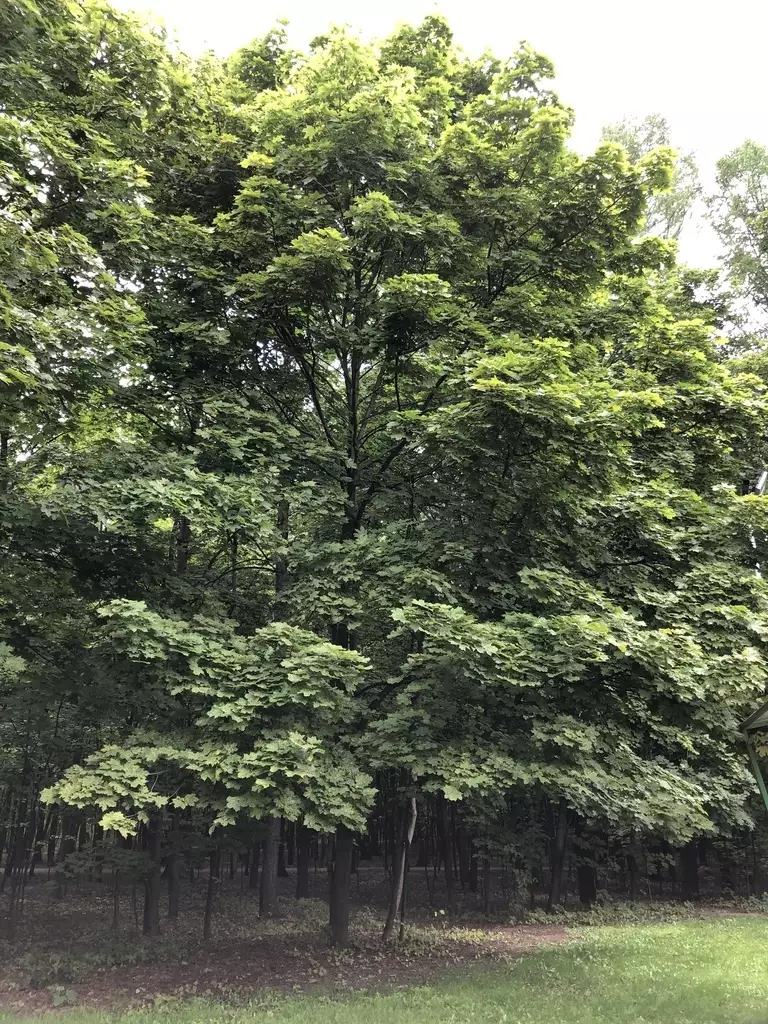
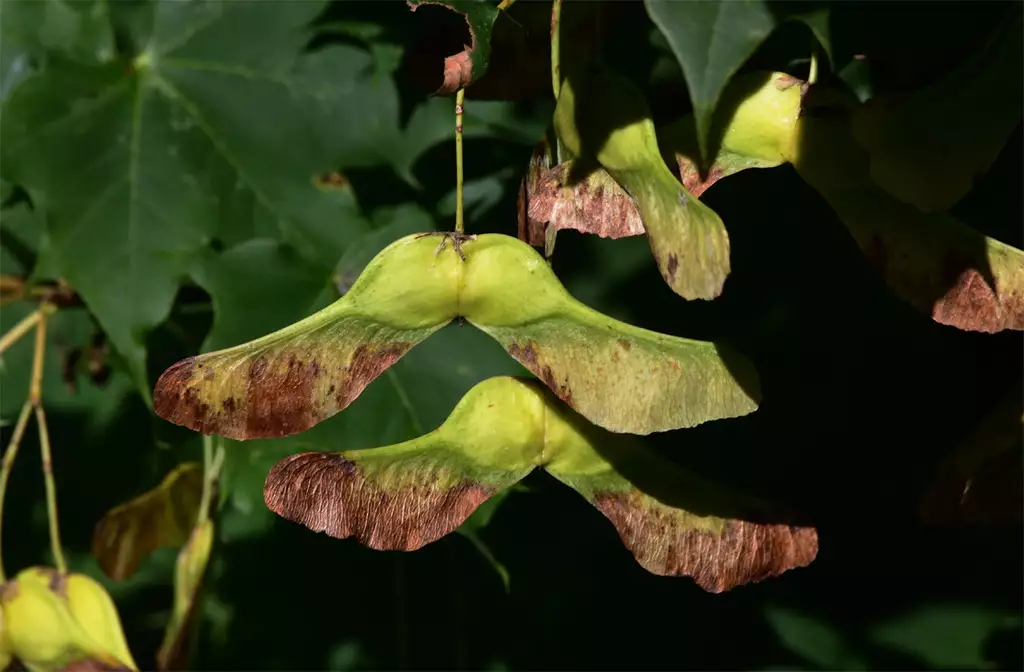
Acer platanoides, commonly known as Norway Maple, is a robust, broadleaf deciduous tree valued for its adaptability and lush foliage. Reaching heights of 40-50 feet with a spread of 30-50 feet, it features a dense, rounded crown that provides excellent shade, making it ideal as a shade or street tree. Its striking 5-lobed leaves, glossy dark green on both sides, transition to a sometimes vibrant yellow in autumn. The tree blooms with clusters of insignificant yellow or greenish-yellow flowers in early spring, preceding the leafing. Exceptionally tolerant of harsh conditions, Norway Maple thrives in diverse soils—from sandy to clayey and acidic to calcareous—and withstands heat, drought, and urban pollution better than many of its counterparts. Despite its popularity in urban landscaping across the U.S., particularly due to its hardy nature, it's worth noting that this species is invasive in certain areas, including the northeastern and upper midwestern states. It produces copious seeds that germinate rapidly, often outcompeting native flora. Caution is advised when planting near driveways or sidewalks due to its shallow, spreading root system, which can lead to pavement cracking and turf interference. While once a favored street tree, its invasive potential now urges careful consideration and management.