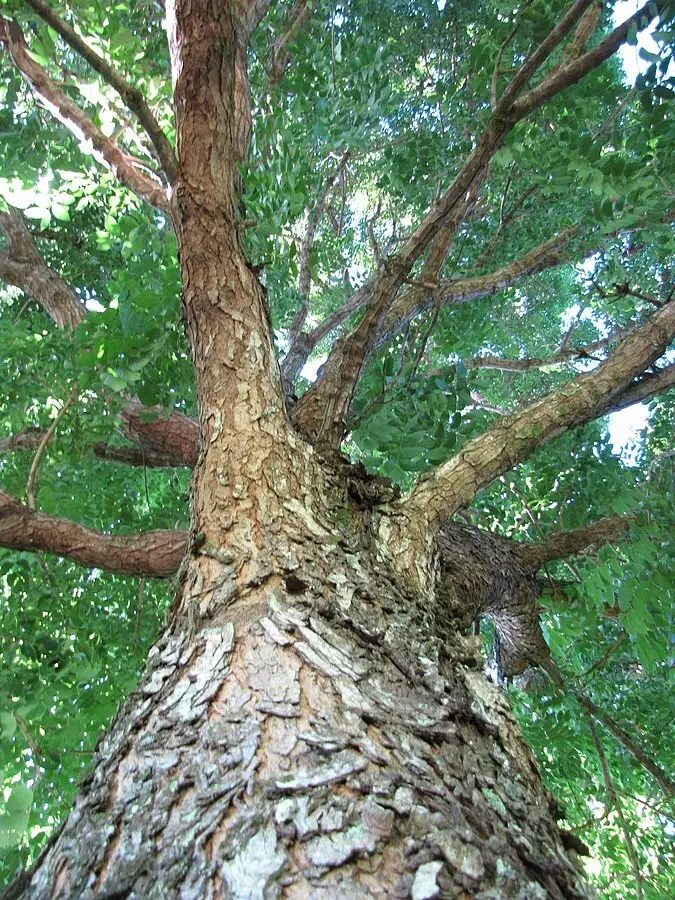
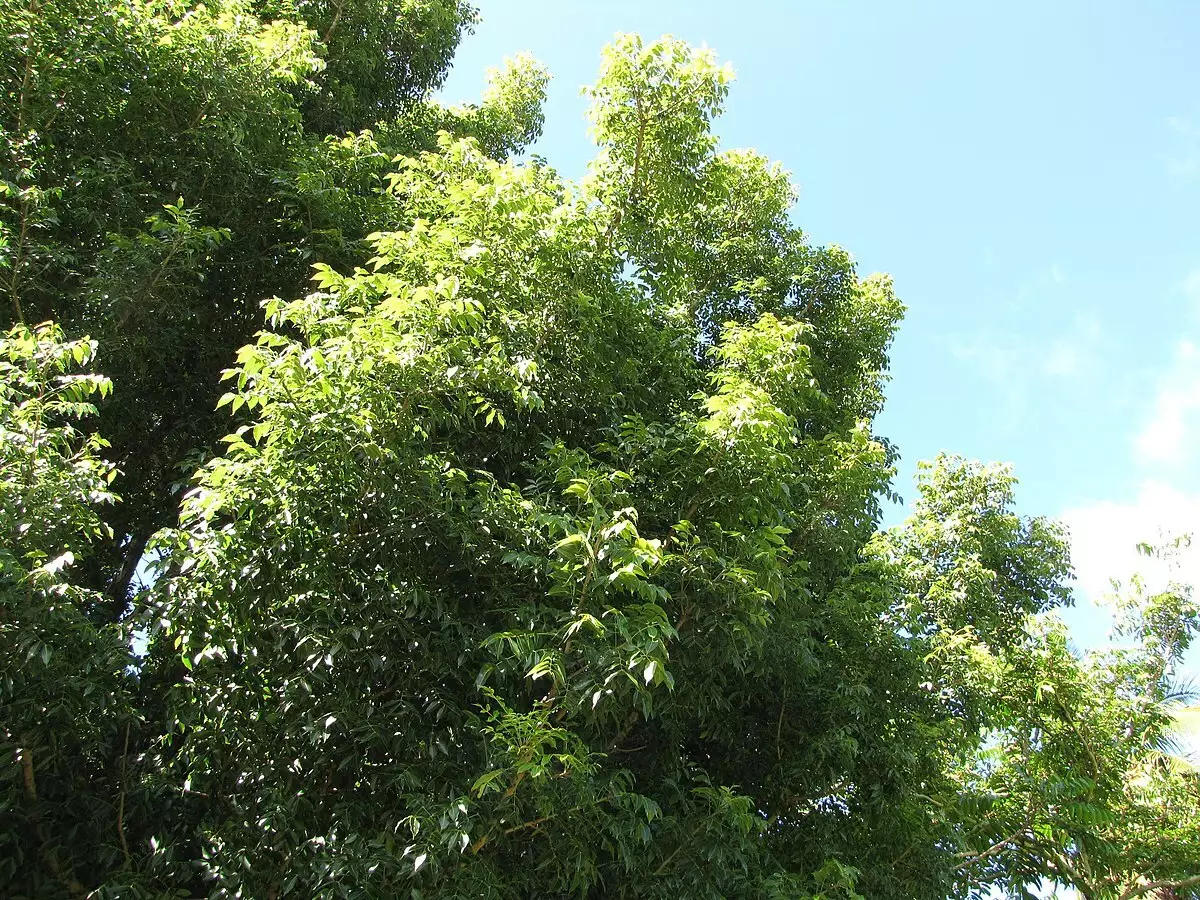
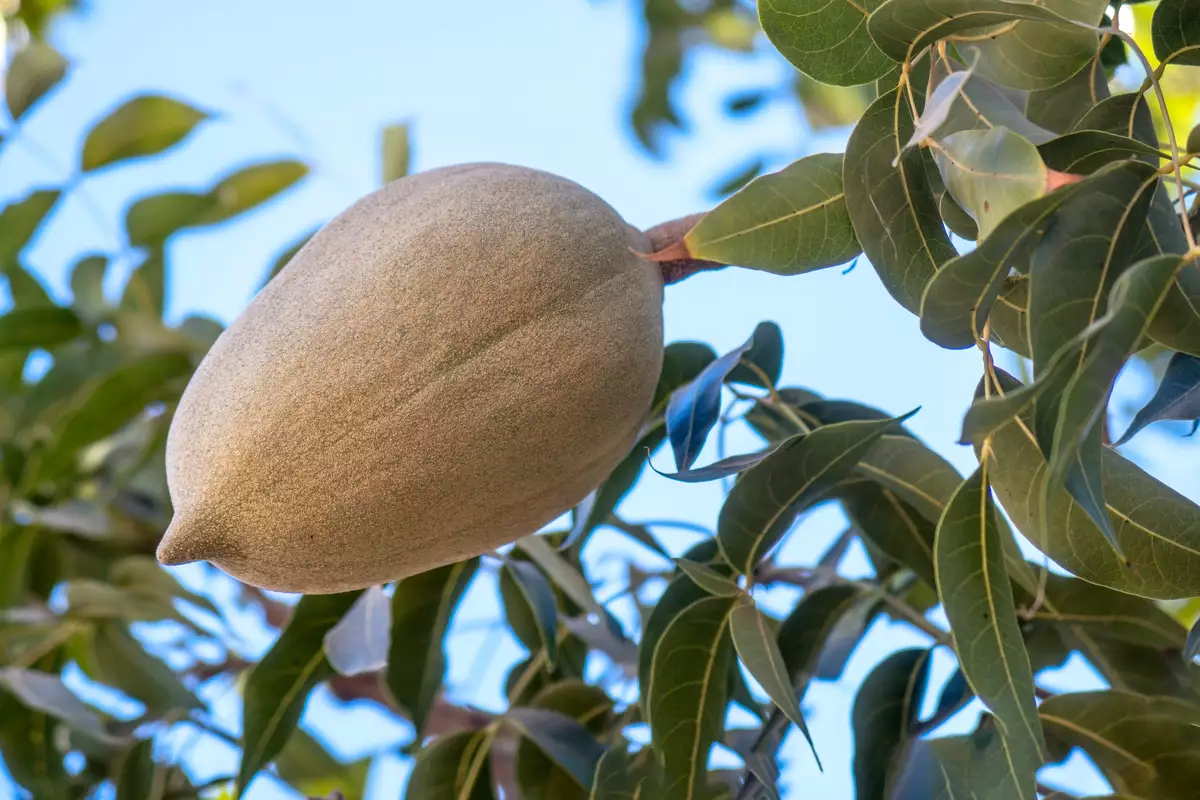
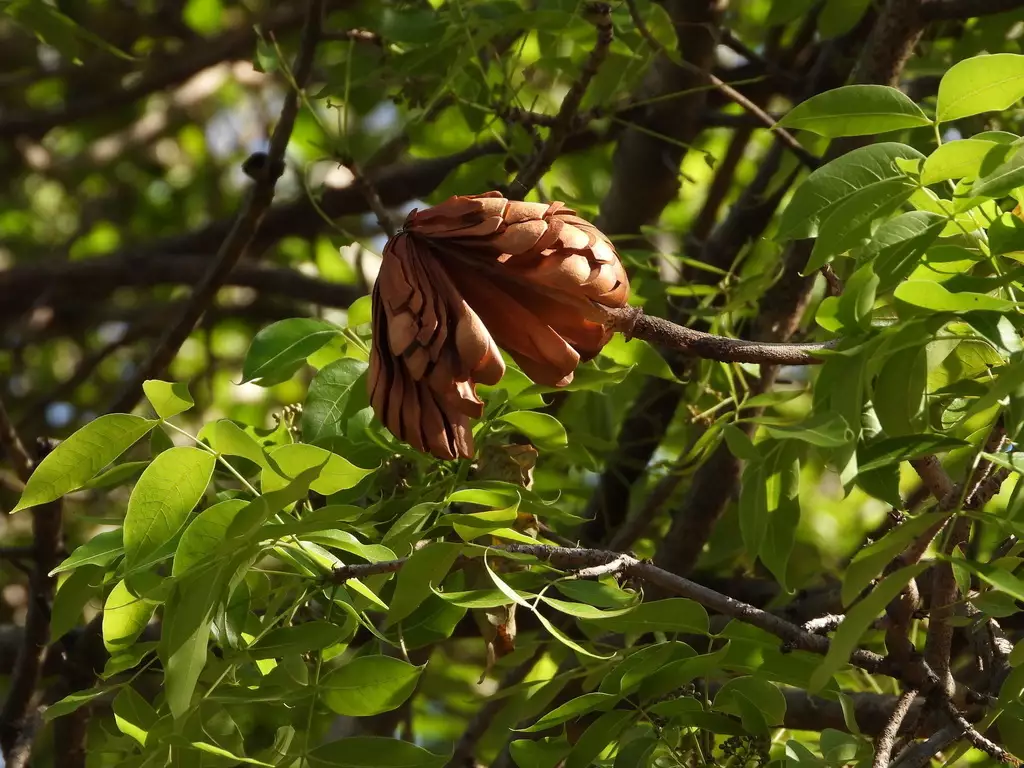
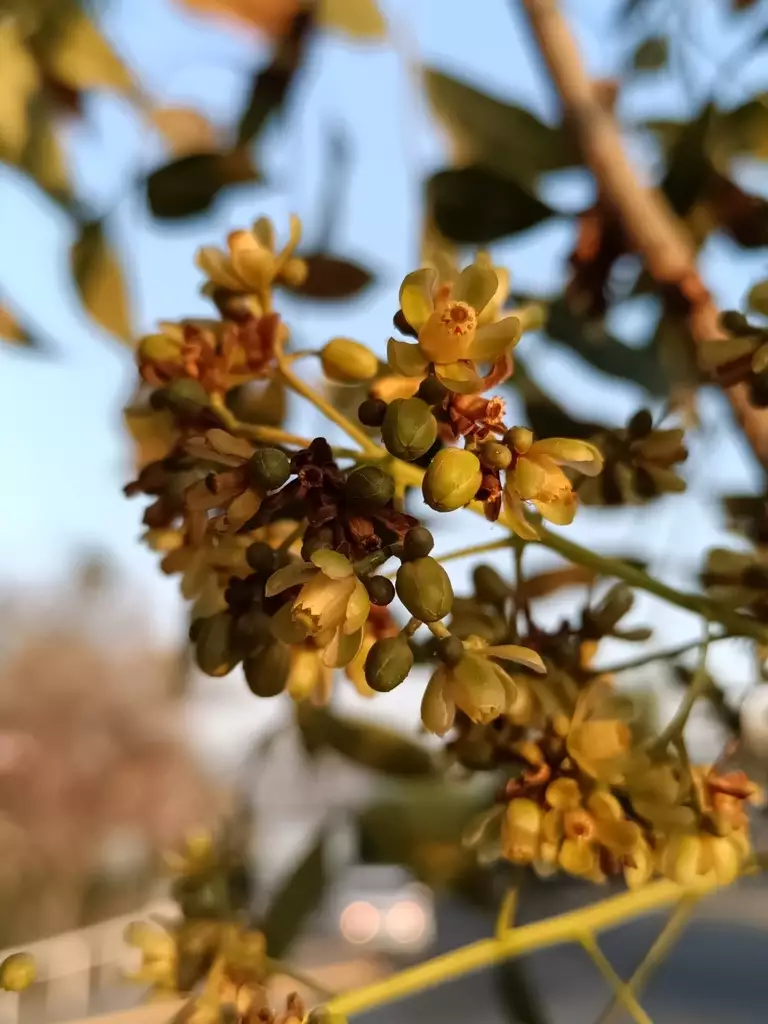
Swietenia humilis, known commonly as Pacific Coast Mahogany or Honduras Mahogany, is a valuable species endemic to the western Sierra Madre mountain range, stretching from Mexico to Central American nations like Guatemala, Belize, Honduras, El Salvador, and the northern Pacific Coast of Costa Rica. This majestic tree, though smaller at 20 ft compared to its relatives like S. mahagoni, is cherished for its high-quality wood, making it a sought-after resource for exquisite furniture craftsmanship. Despite its rugged charm in diverse habitats—including deciduous forests, savannas, and rocky terrains—S. humilis is currently endangered due to over-exploitation, and international trade is regulated under the CITES Appendix II.
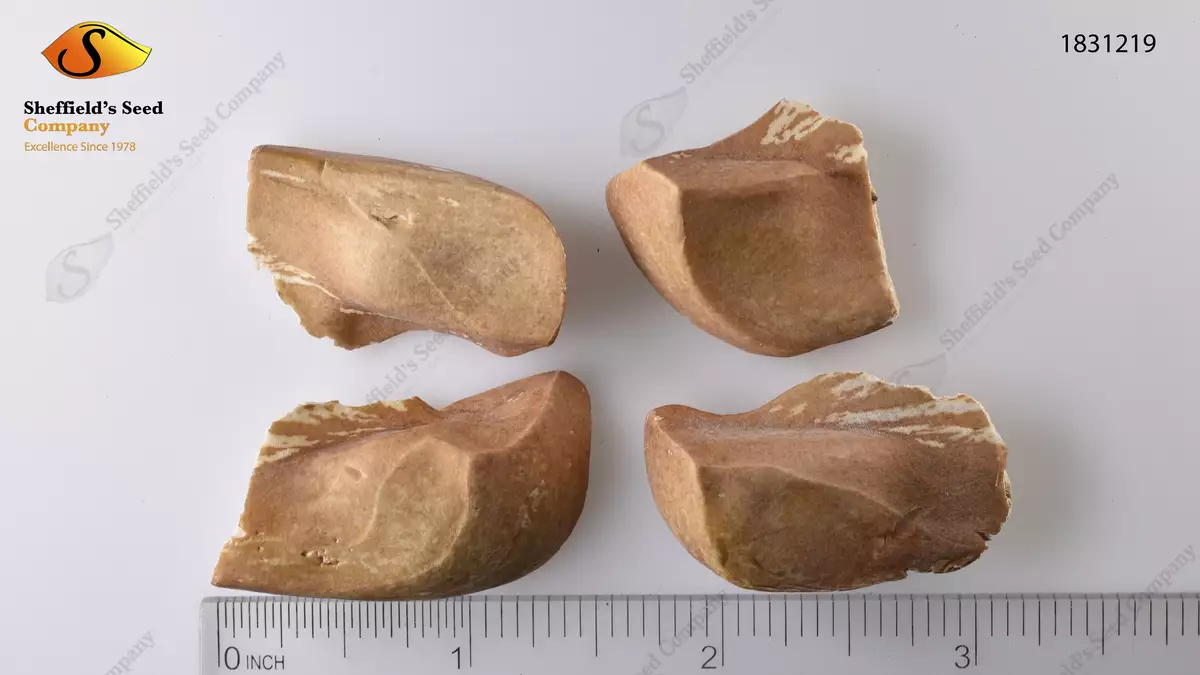
Beyond its timber, Pacific Coast Mahogany offers a treasure trove of potential in seed oil production, boasting fatty acid compositions akin to avocado and sunflower oils, hinting at its use in cosmetics and pesticides. Traditionally, its seeds have been integrated into medicinal practices treating ailments such as chest pains and amoebiasis, thanks to the presence of biologically active compounds like humilinolide A. The tree also holds promise in agroforestry, effectively preventing soil erosion, enhancing soil fertility, and offering valuable shade in farm systems. With its rich legacy and untapped potential, Pacific Coast Mahogany stands as a beacon of both natural beauty and functional utility, urging sustainable practices for conservation and exploration of its myriad uses.









.jpg)