0
Close
1 / 5
2 / 5

AdobeStock

4 / 5

Growing Info

Scarification
Scarification: Germination can be difficult due to the hard seed coat, and is improved by scarification with a knife or sandpaper.| Soak in water, let stand in water for 24 hours
Stratification
Stratification: none required
Germination
Germination: sow seed 1/2" deep, tamp the soil, mulch the seed bed

Native to: Florida, Georgia, Tamaulipas, Texas
Native
Introduced

Erythrina herbacea

Cherokee Bean, Coralbean, Red Cardinal

In Stock: 0.206 lb (Total:0.206lb)
NEW ITEM!
  • Erythrina herbacea

    All items have bulk rates priced in
select i.*, as2.state_abbr from inventory_item_manage i left outer join sheffields_2017.address_states as2 on (as2.state_name = i.CollectionLocale or as2.state_abbr = i.CollectionLocale) where i.inventory_id = '5910' group by i.id

Buying options

0.21 lb
AL
NEW ITEM!

Details

Germination:
91%
Germination test:
Cut (Full Seed)
Purity:
99%
Seeds per lb:
1,594
Quantity:
0.21 lb
Collected in:
Alabama
Crop year:
2026
Min. hardiness zone:
8
Item ID:
1838156

Growing Info

Scarification
Scarification: Germination can be difficult due to the hard seed coat, and is improved by scarification with a knife or sandpaper.| Soak in water, let stand in water for 24 hours
Stratification
Stratification: none required
Germination
Germination: sow seed 1/2" deep, tamp the soil, mulch the seed bed

Native to: Florida, Georgia, Tamaulipas, Texas
Native
Introduced
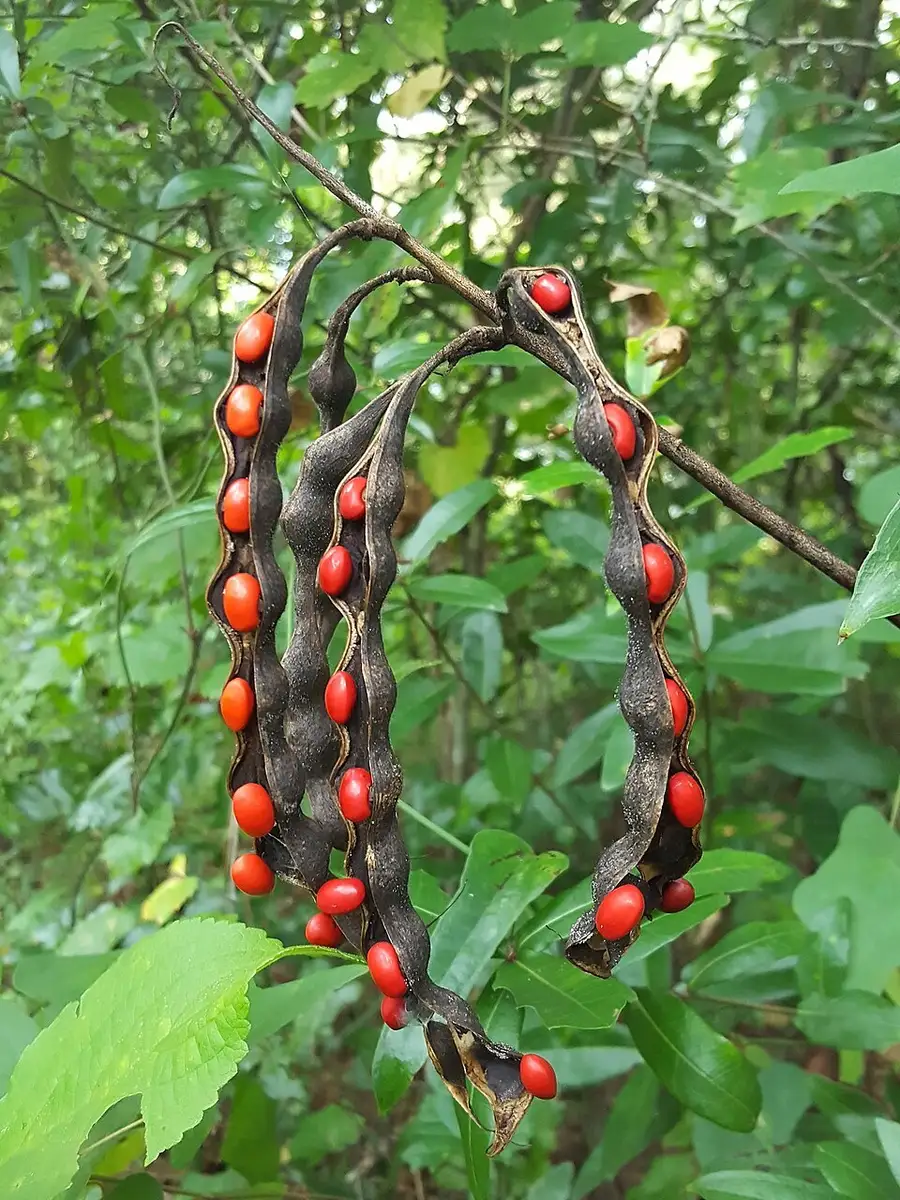
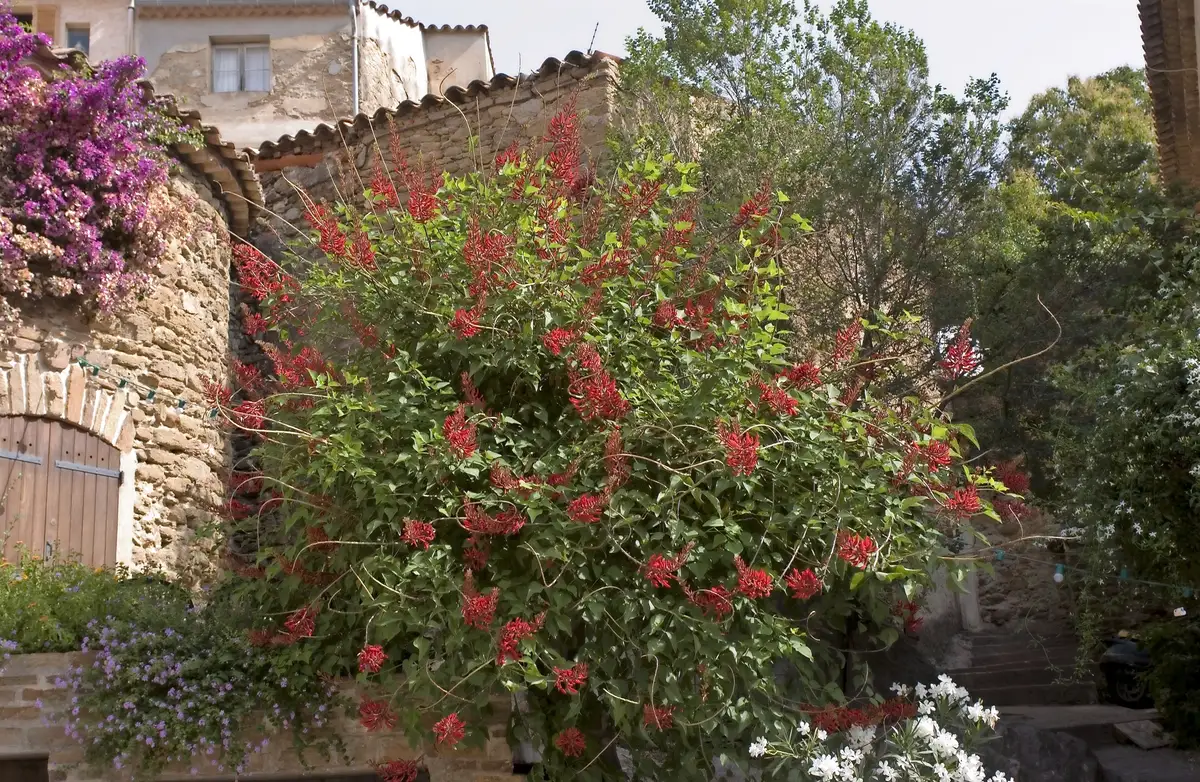
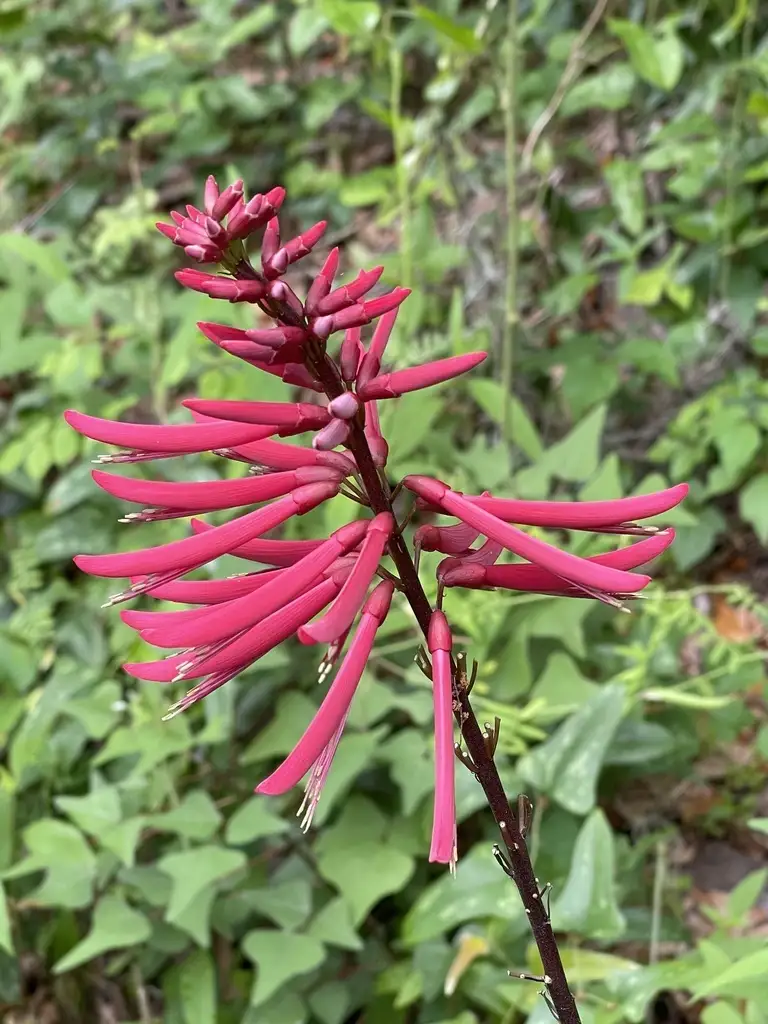
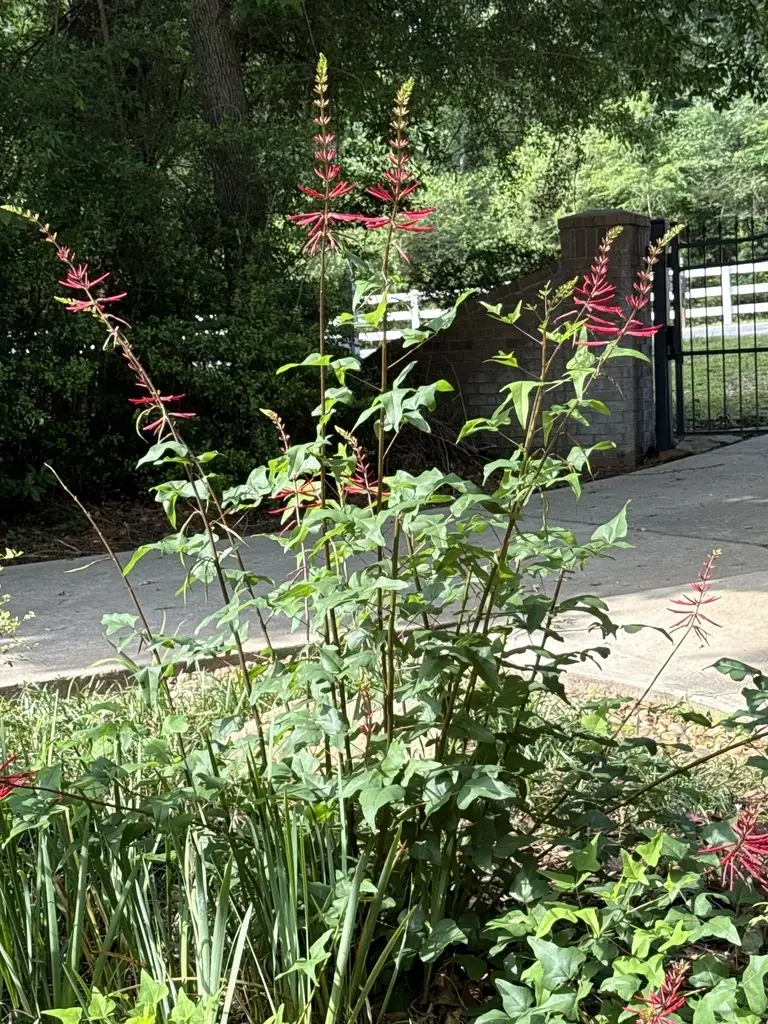
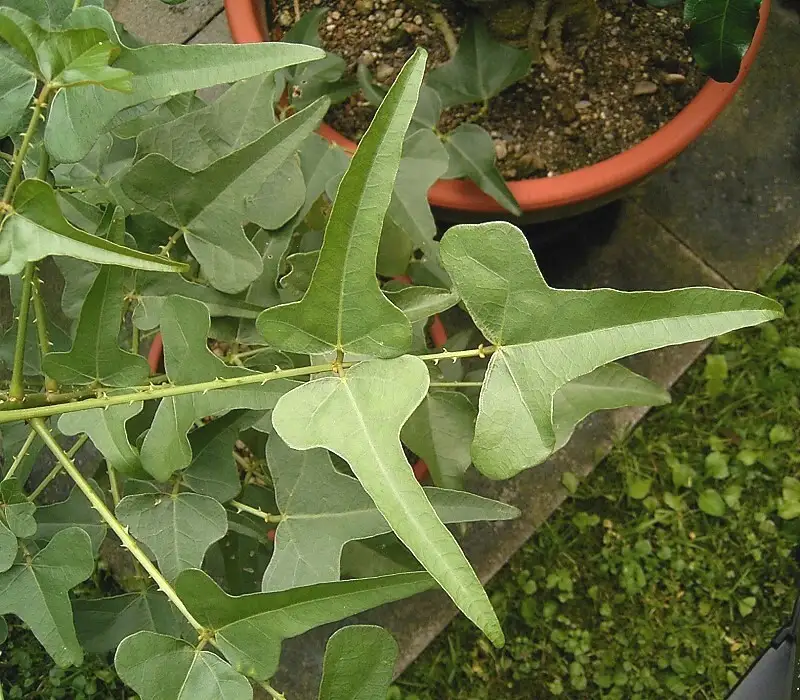
Erythrina herbacea, commonly known as Coralbean, Cherokee Bean or Red Cardinal, is an extraordinary tropical herbaceous shrub that brings a burst of color and texture to gardens. Growing up to 6 feet tall, it boasts glossy, thorny stems adorned with striking arrowhead-shaped leaves. As a deciduous plant, its leaves drop in winter, giving way to breathtaking spikes of tubular, scarlet-red flowers in spring, a favorite of hummingbirds and other long-tongued pollinators.
Native to coastal and sandy regions, Coralbean thrives in loamy clay soils and can tolerate a range of light conditions, from full sun to part shade. Remarkably resilient, it withstands both dry spells and occasional moisture but isn't tolerant of saltwater flooding. This plant is highly valued not only for its showy blossoms but also for its ecological role, providing shelter for small wildlife and attracting butterflies.
While its beauty is captivating, caution is advised due to the toxic nature of its seeds, historically used in Mexico for rat poison. These seeds must be handled with care, especially around children. Erythrina herbacea is ideal for creating vibrant, wildlife-friendly thickets in suitable USDA zones 8A-11. Enjoy its beauty, but handle with care for a safe, stunning garden display.

You might also like

Larix laricina

Larix laricina

American Larch, Eastern Larch, Tamarack

Sophora secundiflora

Sophora secundiflora

Frijolillo, Frijolito, Mescal Bean, Texas Mescalbean, Texas Mountain Laurel

Prunus mexicana

Prunus mexicana

Big Tree Plum, Mexican Plum

Juniperus tibetica

Juniperus tibetica

(315) 497-1058
269 NY-34 Locke NY 13092
seed@sheffields.com

HOME - logo

Find us on: