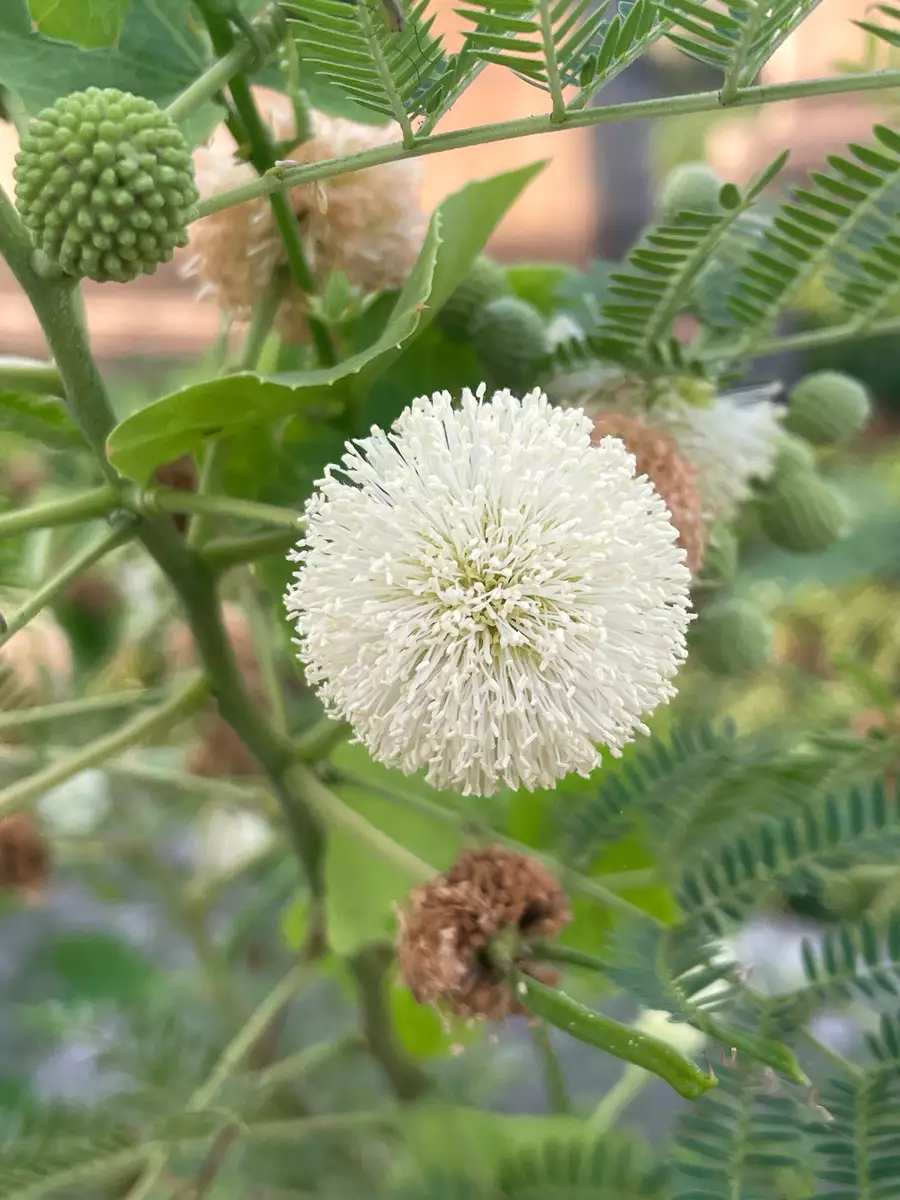
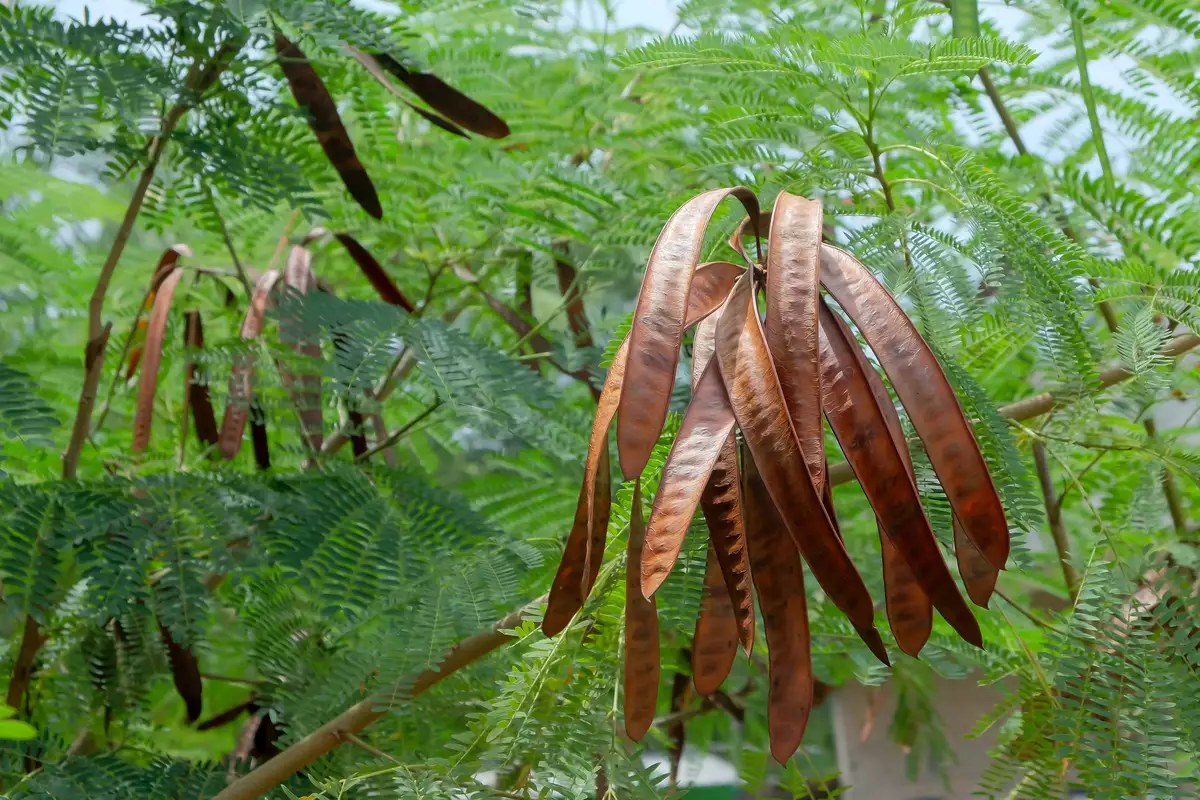
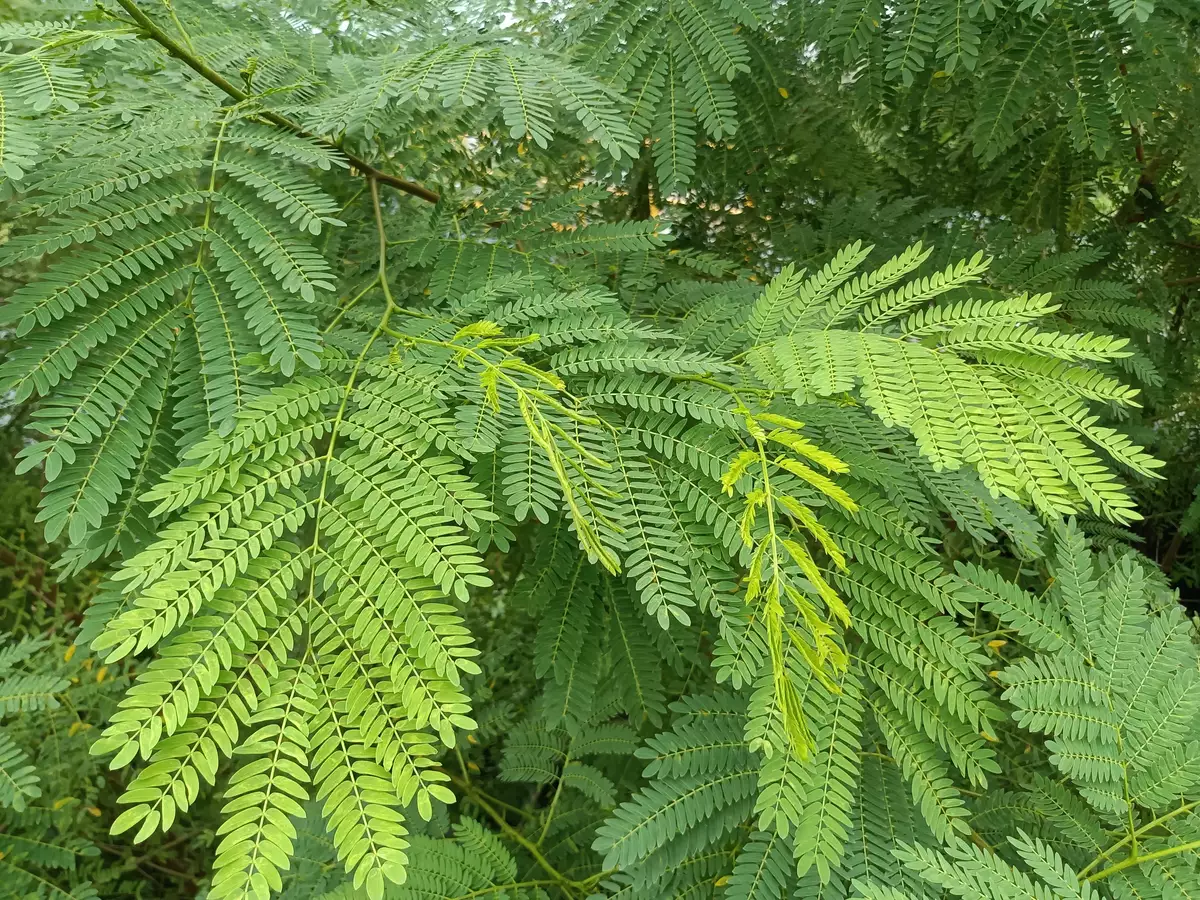
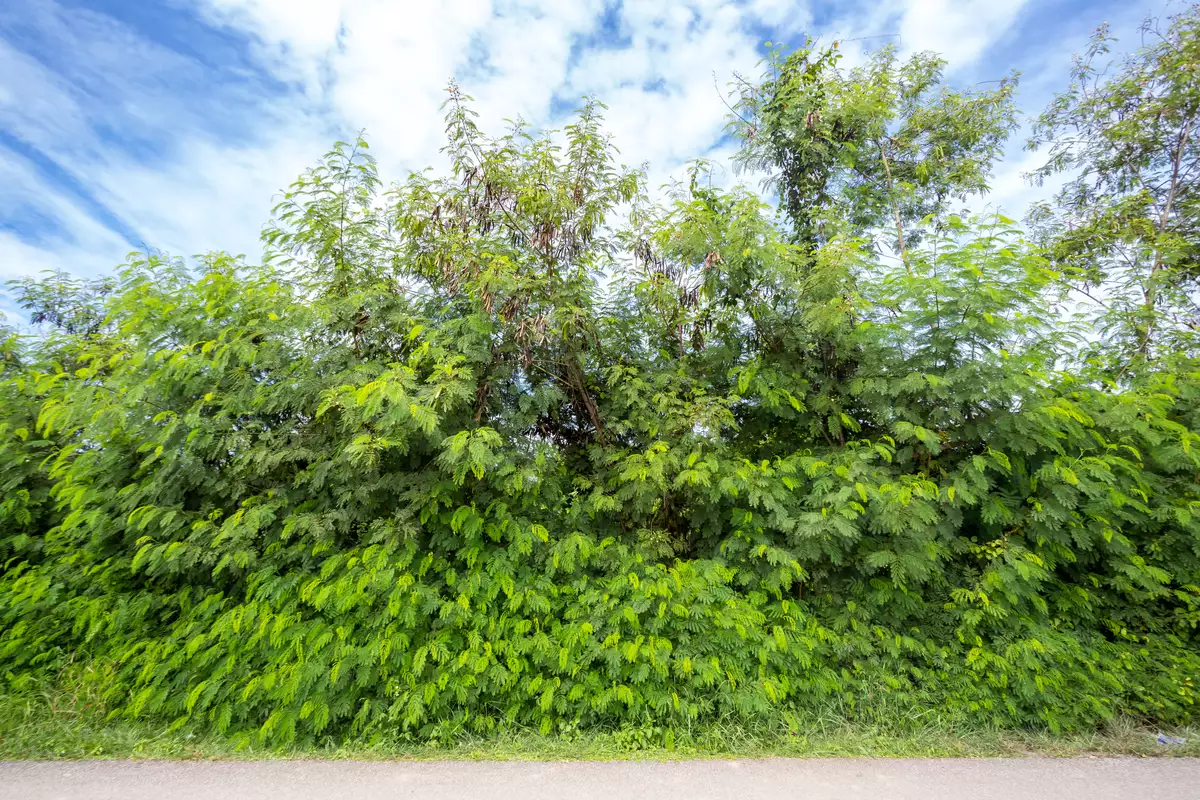
Leucaena leucocephala, commonly known as Haole Koa, Jumbay, Leadtree, White Leadtree, and White Popinac, is a versatile and fast-growing member of the Fabaceae family. Native to Mexico and Central America, this resilient tree has since spread across the tropics, thriving in diverse environments due to its remarkable adaptability. Its wide-ranging uses include providing high-protein fodder for cattle, serving as a source of firewood and lumber, and aiding in erosion control and soil fertility enhancement. However, despite its benefits, Leucaena leucocephala's rapid growth poses challenges, as it aggressively forms dense thickets that can shade out native vegetation and disrupt local ecosystems, earning it a place on some state's of invasive species and the IUCN's list of the world's worst invasive species. This small tree, typically 12-16 feet tall but capable of reaching heights up to 33 feet, boasts bipinnate leaves and eye-catching clustered inflorescences. Its ability to grow in poor soil and tolerate drought and salinity makes it a versatile choice in reforestation and agroforestry projects worldwide. Nonetheless, potential users should be mindful of its invasive nature. Leucaena leucocephala's efficiency in nitrogen fixation and biomass production underscores its potential in sustainable agriculture, yet careful management is required to harness its benefits responsibly.