0
Close
1 / 6
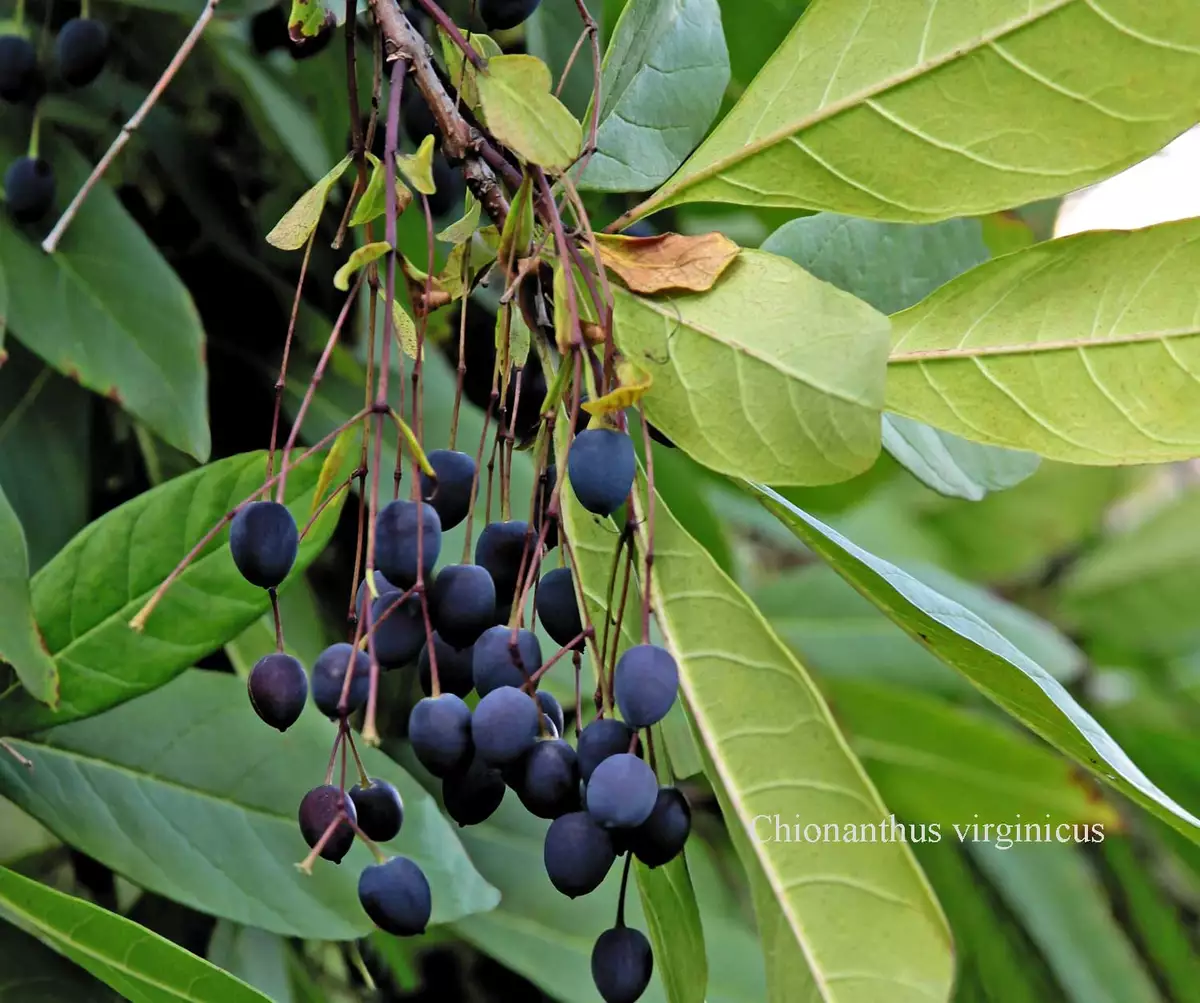
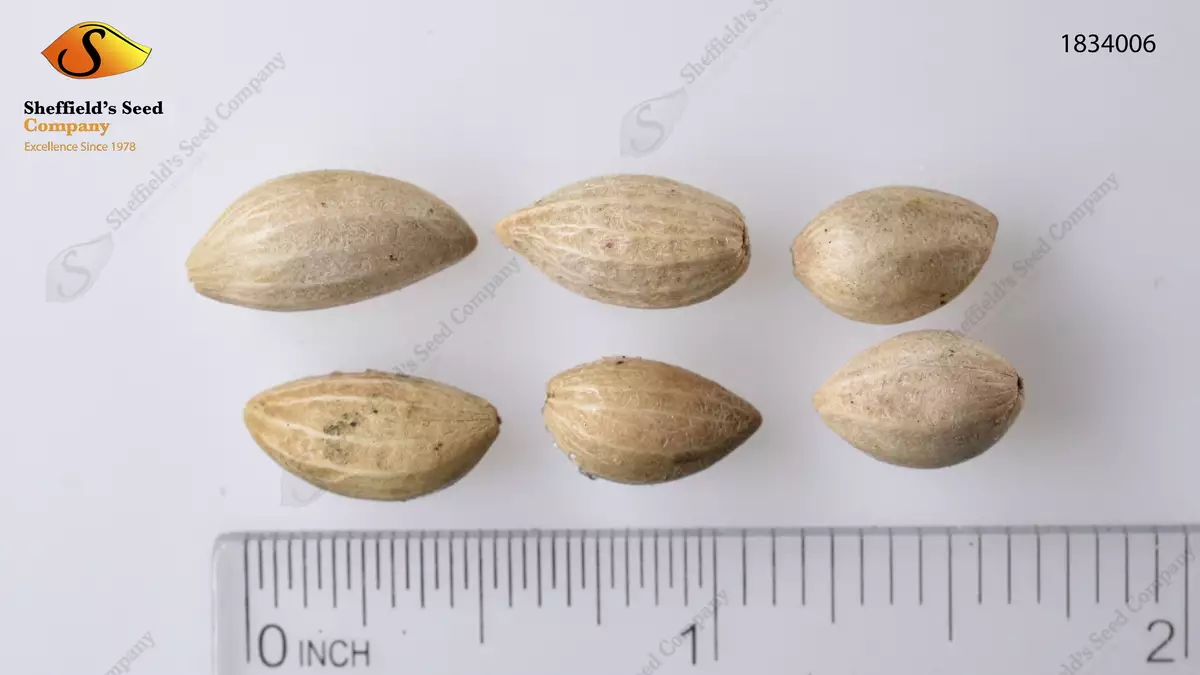
Chionanthus virginicus Fruit, (White Fringetree, Old Man's Beard, Grancy Grey Beard), Sheffield's Seed Co., Inc.
2 / 6
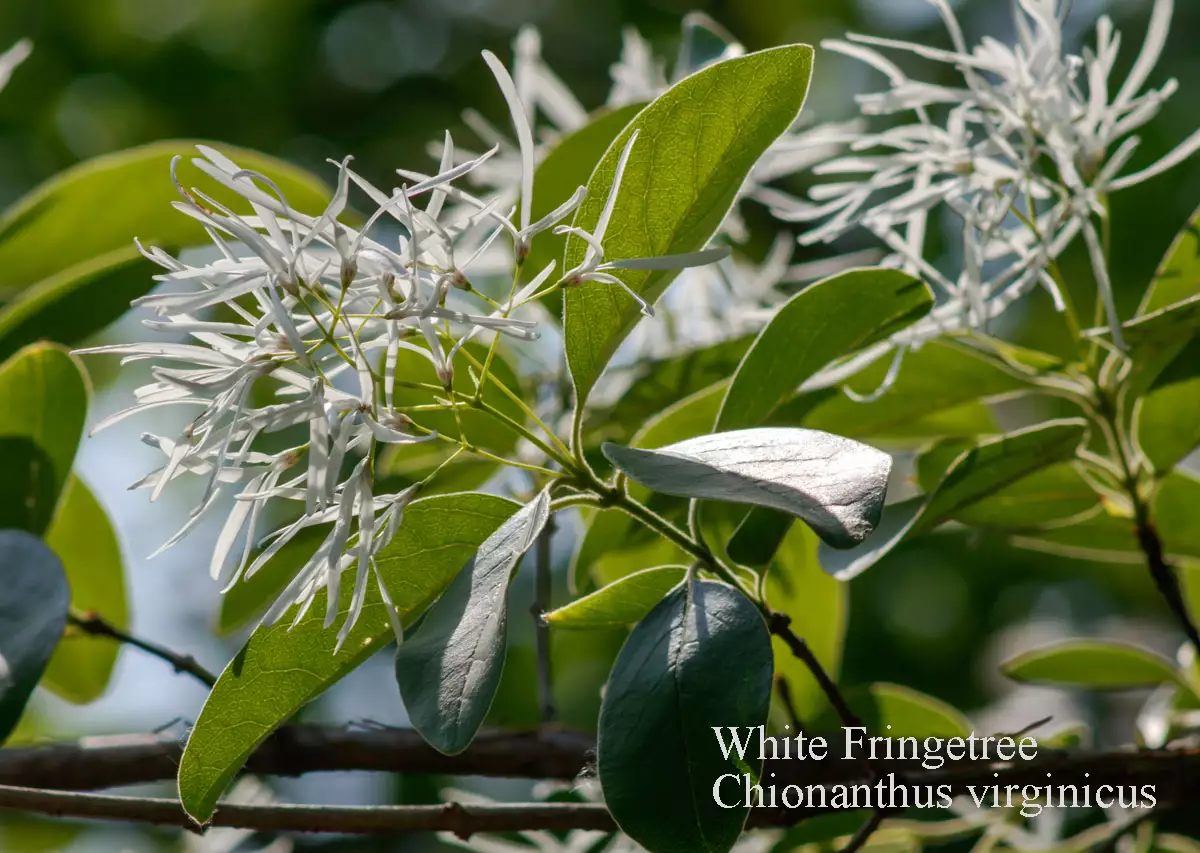
Chionanthus virginicus Leaves, (White Fringetree, Old Man's Beard, Grancy Grey Beard), Sheffield's Seed Co., Inc.
3 / 6
4 / 6

AdobeStock

5 / 6
6 / 6

AdobeStock

Growing Info

Scarification
Scarification: Soak in water, let stand in water for 24 hours
Stratification
Stratification: Cold stratify for 120 days, then warm stratify for 120 days, and then another cold stratify for 120 days
Germination
Germination: sow seed 3/8" deep, tamp the soil, mulch the seed bed

Other: They can be fall sown for germination in 2 springs. Mulch the seedbed to prevent weed growth. Remove mulch in second spring. 

Native to: Arkansas, Eastern United States, Florida, Georgia, Louisiana, Mississippi, North Carolina, South Carolina, Southeastern US, Virginia
Native
Introduced

Chionanthus virginicus

Fringe Tree, White Fringetree

  • Chionanthus virginicus

Please select the quantity desired, and we will advise availability and price as soon as possible.

Details

Min. hardiness zone:
3

Growing Info

Scarification
Scarification: Soak in water, let stand in water for 24 hours
Stratification
Stratification: Cold stratify for 120 days, then warm stratify for 120 days, and then another cold stratify for 120 days
Germination
Germination: sow seed 3/8" deep, tamp the soil, mulch the seed bed

Other: They can be fall sown for germination in 2 springs. Mulch the seedbed to prevent weed growth. Remove mulch in second spring. 

Native to: Arkansas, Eastern United States, Florida, Georgia, Louisiana, Mississippi, North Carolina, South Carolina, Southeastern US, Virginia
Native
Introduced
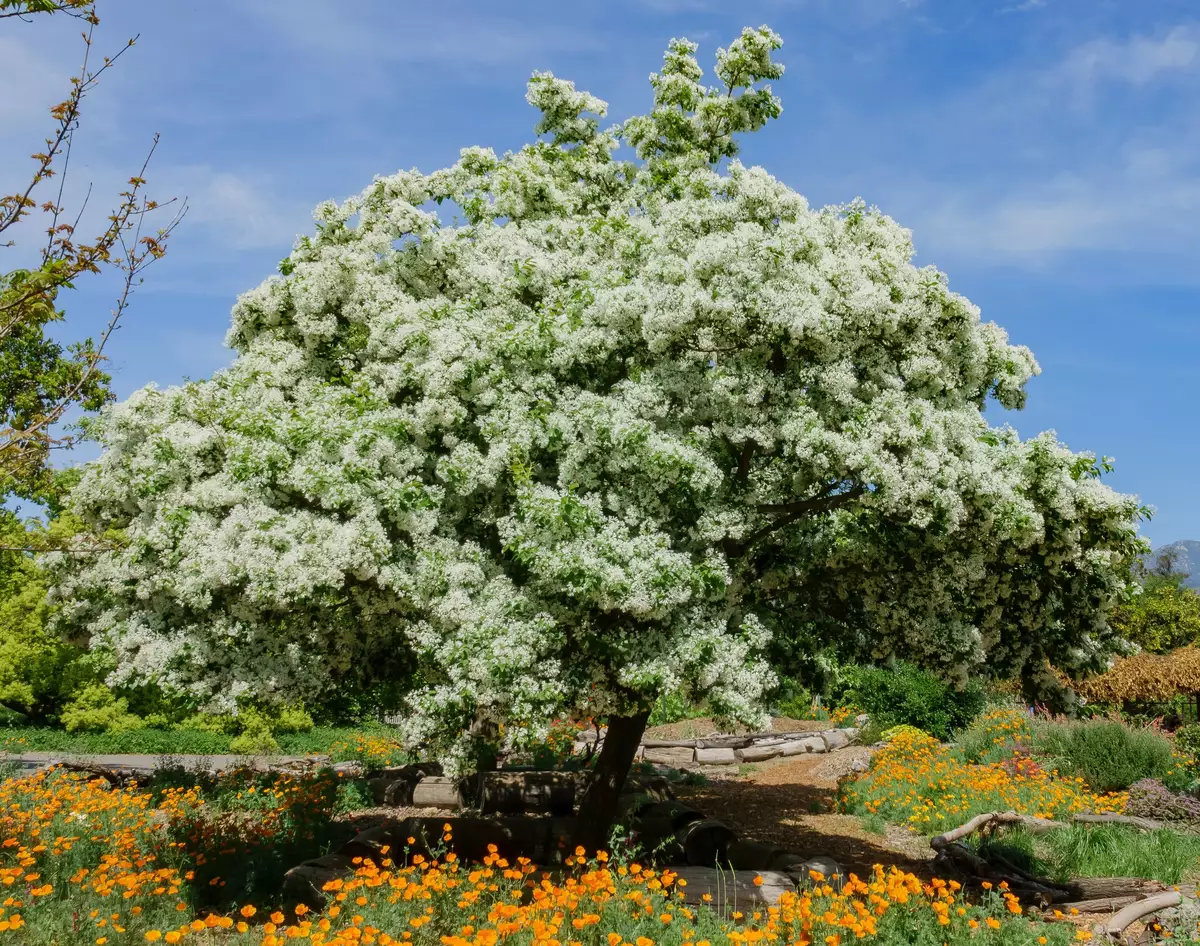
Discover the enchanting beauty of Chionanthus virginicus, commonly known as Fringe Tree, Old Man's Beard, Grancy Grey Beard, or White Fringetree. This remarkable deciduous tree, belonging to the Oleaceae family, is native to the Eastern United States and thrives in USDA zones 3 to 9. Reaching an elegant height and spread of 12 to 20 feet, it makes a stunning addition to any landscape.

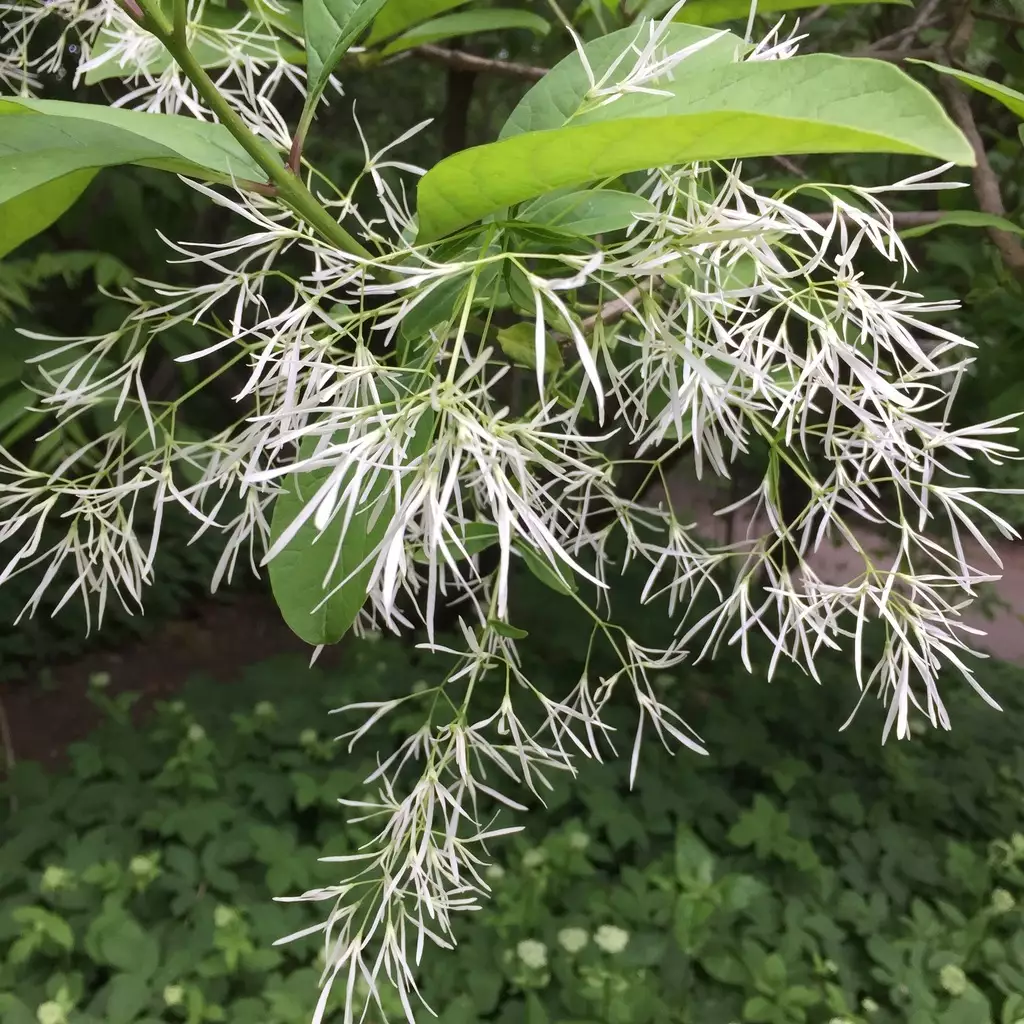
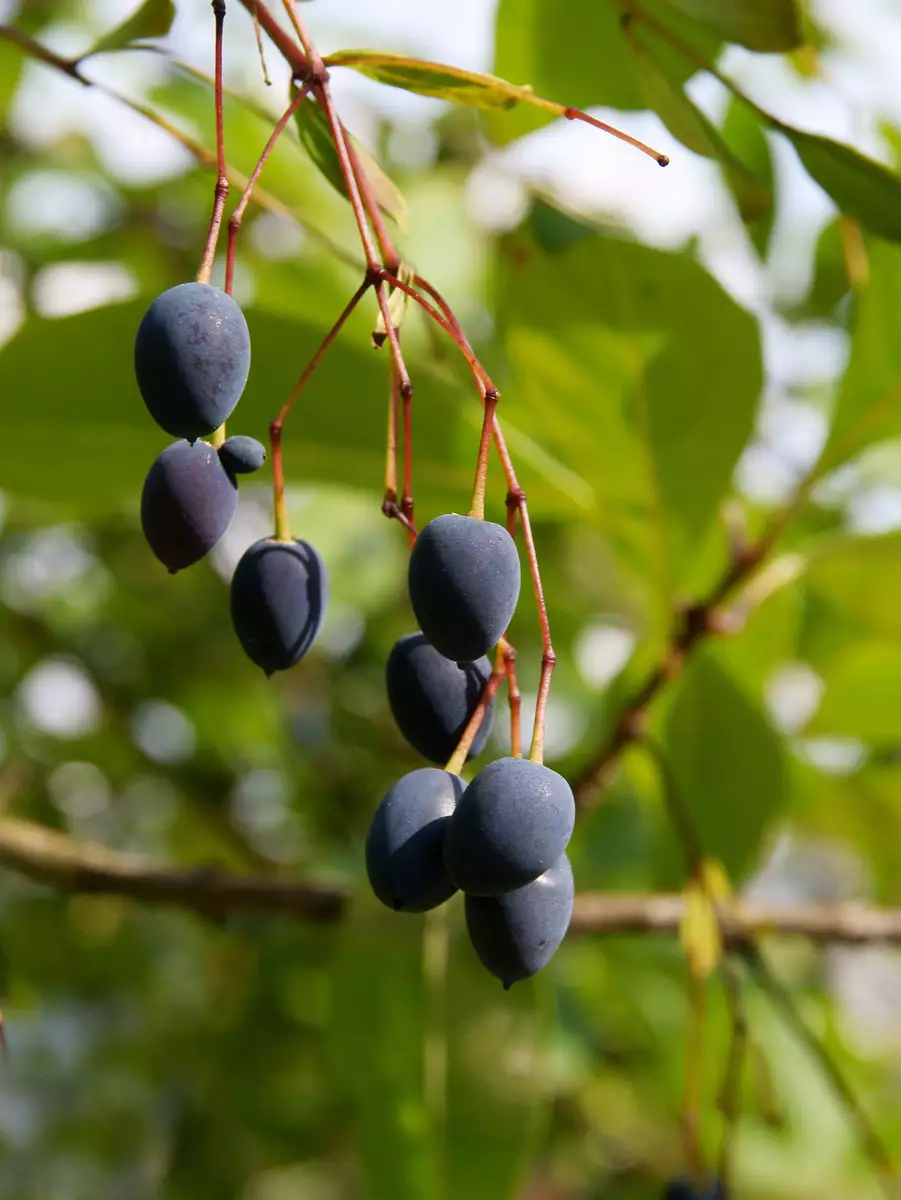
In late spring, it graces gardens with clusters of creamy white, fringe-like flowers that emit a sweet fragrance, attracting butterflies and birds. As the seasons change, the glossy, spear-shaped leaves transition to a vibrant yellow in autumn, adding seasonal interest. By late summer, showy blue-black fruits provide a vital food source for wildlife.

Fringe Tree is incredibly versatile, easily adapting to full sun or part shade and thriving in medium, well-drained soil, even tolerating clay and air pollution. This low-maintenance beauty rarely needs pruning and performs well in urban settings, woodlands, or as a standout specimen in lawns and native gardens. Whether planted individually or in groups, the astonishing Fringe Tree will captivate with its dazzling display and harmonious presence in your garden.

You might also like

Papaver somniferum

Papaver somniferum

Opium Poppy

Sequoia sempervirens

Sequoia sempervirens

California Redwood, Coast Redwood, Redwood

Sequoiadendron giganteum

Sequoiadendron giganteum

Bigtree, Giant Sequoia, Sierra Redwood, Sierran Redwood, Wellingtonia

Vaccinium corymbosum

Vaccinium corymbosum

Highbush Blueberry

(315) 497-1058
269 NY-34 Locke NY 13092
seed@sheffields.com

HOME - logo

Find us on: