0

Growing Info

Scarification
Scarification: Soak in water, let stand in water for 24 hours, repeat process daily for 4 days
Stratification
Stratification: cold stratify for 150 days
Germination
Germination: sow 1-2" deep, tamp the soil, mulch the seed bed

Other: can be fall sown without stratification. 

Native to: Central United States, Eastern United States, United States
Native
Introduced

Carya tomentosa

Bullnut, Hognut, Mockernut, Mockernut Hickory, White Hickory, Whiteheart Hickory

In Stock: 19 lb (Total:19lb)
  • Carya tomentosa

    All items have bulk rates priced in
select i.*, as2.state_abbr from inventory_item_manage i left outer join sheffields_2017.address_states as2 on (as2.state_name = i.CollectionLocale or as2.state_abbr = i.CollectionLocale) where i.inventory_id = '369' group by i.id

Buying options

19 lb
TN

Details

Germination:
66%
Germination test:
Cut (Full Seed)
Purity:
99%
Seeds per lb:
43
Quantity:
19 lb
Collected in:
Tennessee
Crop year:
2025
Min. hardiness zone:
5
Item ID:
1837144

Growing Info

Scarification
Scarification: Soak in water, let stand in water for 24 hours, repeat process daily for 4 days
Stratification
Stratification: cold stratify for 150 days
Germination
Germination: sow 1-2" deep, tamp the soil, mulch the seed bed

Other: can be fall sown without stratification. 

Native to: Central United States, Eastern United States, United States
Native
Introduced
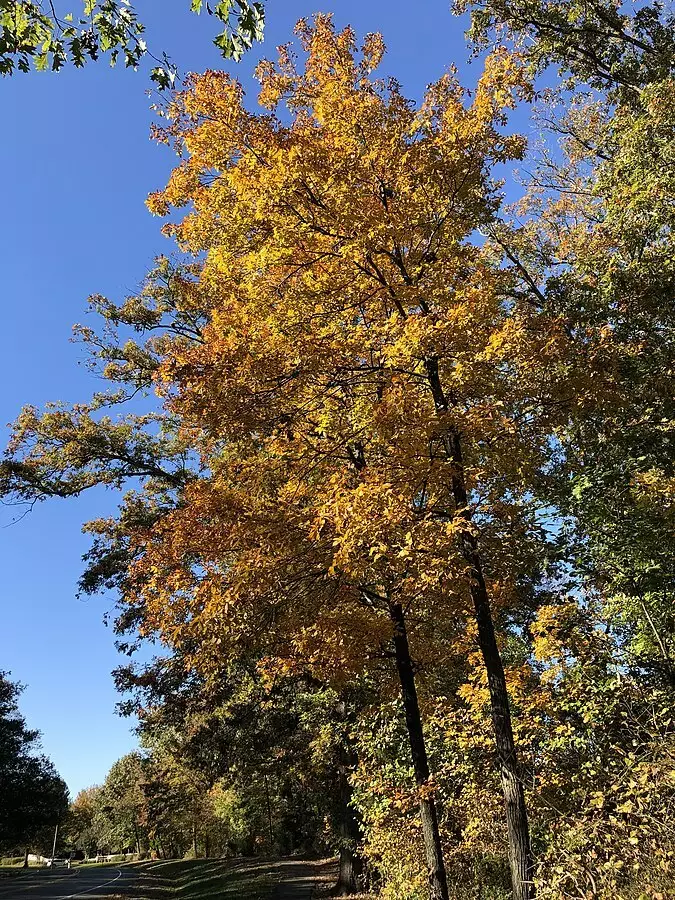
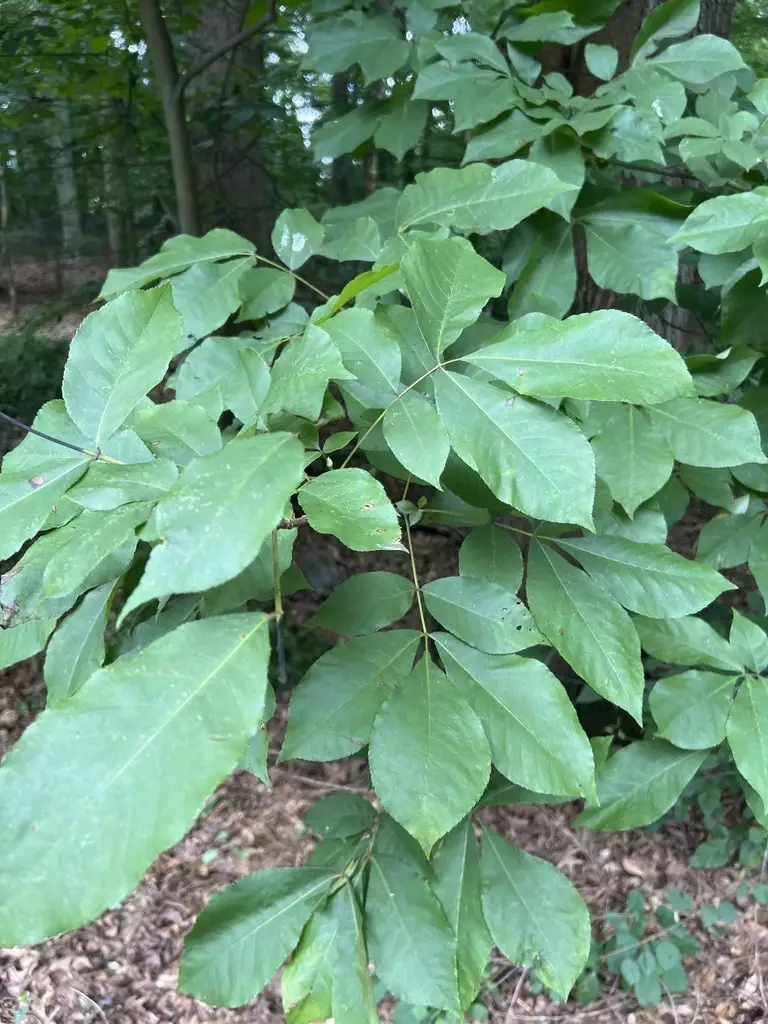
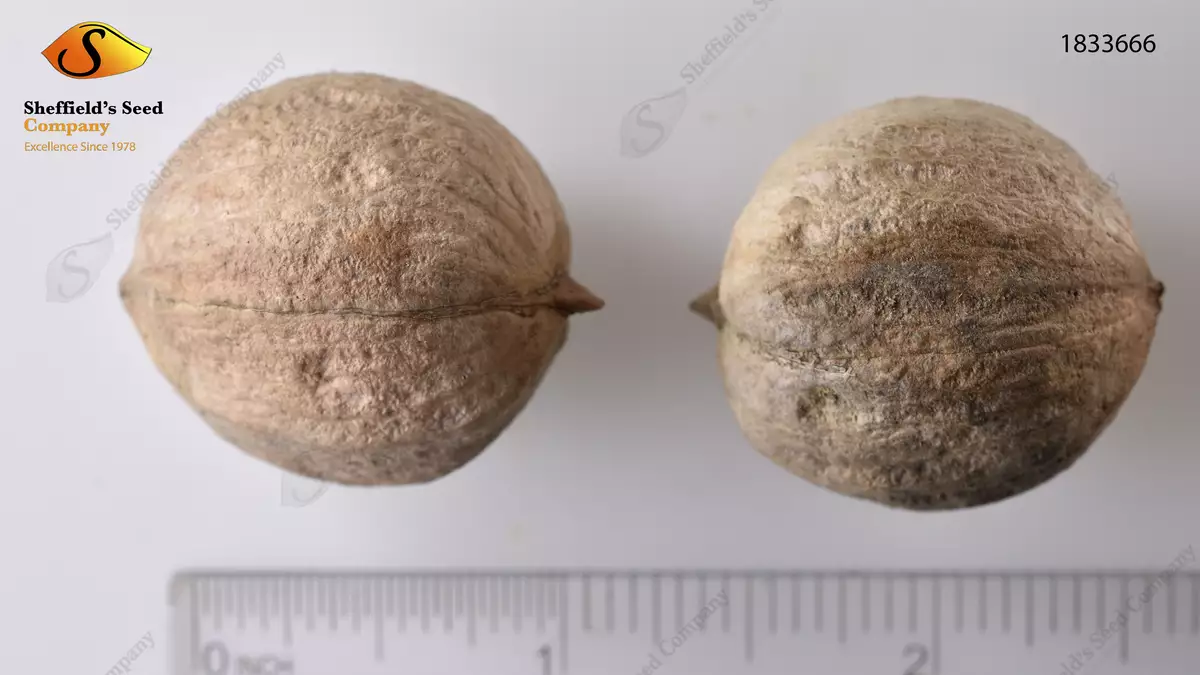
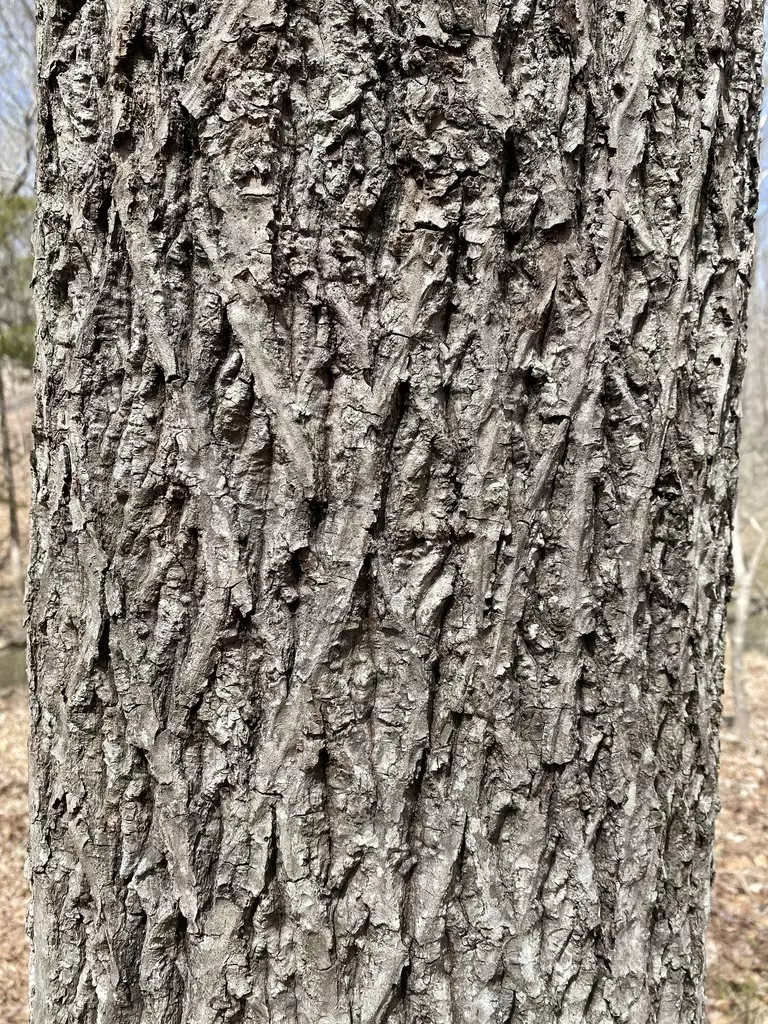
Carya tomentosa, commonly known as Mockernut Hickory, is a majestic deciduous tree, native to the landscapes of eastern and central USA. This impressive specimen can soar to heights of 50 to 80 feet, occasionally reaching 100 feet, forming a dense, rounded crown on a sturdy, straight trunk. Revered for its robust wood, primarily white save for its small heartwood, Mockernut Hickory ranks as a top choice for firewood, furniture, and tool handles. Thriving in full sun and rich, well-drained soils, it graces large yards and parks with generous shade, though its taproot makes it hard to transplant.

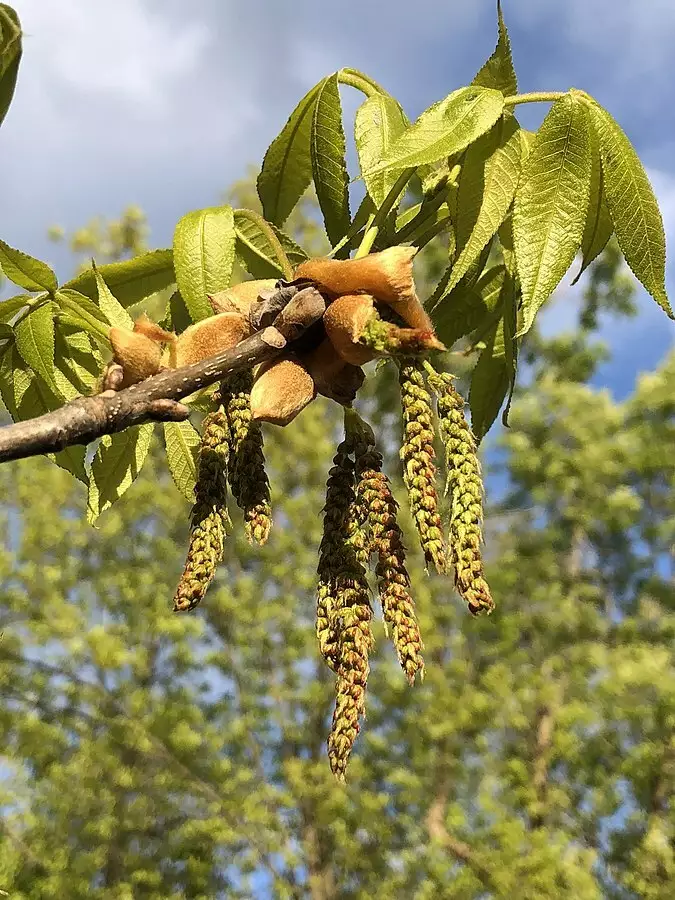
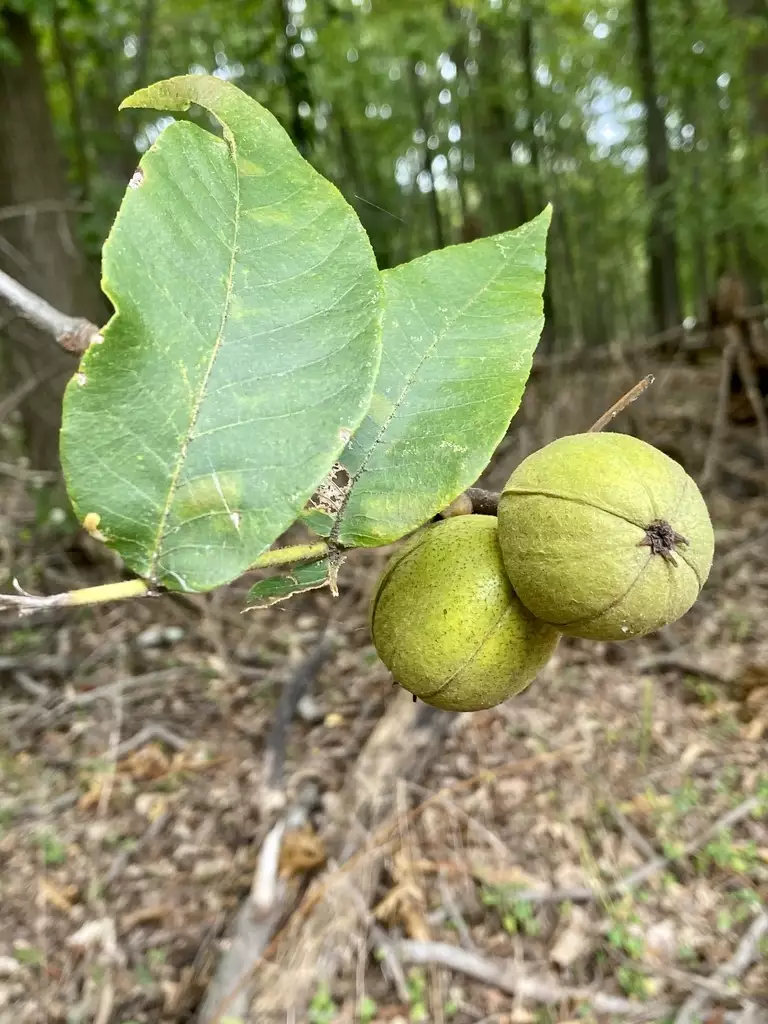
Mockernut Hickory stands the test of time, taking 25 years to mature and bear its edible nuts, benefiting local wildlife for up to two centuries. Its nuts, though tricky to extract, are a vital food source for squirrels, chipmunks, and even black bears. In spring, the tree blooms with yellow-green flowers, while its aromatic leaves turn a vibrant yellow in fall. This tree isn't just an aesthetic giant but also an ecological one, supporting the larvae of the Banded Hairstreak butterfly and Hickory Horned Devil moth. Whether in rolling hills or rocky terrain, its adaptability to sandy and clay loam soils makes it a versatile landscape gem.

You might also like

Carya cordiformis

Carya cordiformis

Bitternut Hickory

Carya glabra

Carya glabra

Pignut Hickory

Carya laciniosa

Carya laciniosa

Big Shellbark, Bigleaf Shagbark Hickory, Bottom Shellbark, Kingnut, Shagbark Hickory, Shellbark Hickory, Thick Shellbark, Western Shellbark

Carya ovata Northern

Carya ovata Northern

Shagbark Hickory

(315) 497-1058
269 NY-34 Locke NY 13092
seed@sheffields.com

HOME - logo

Find us on: