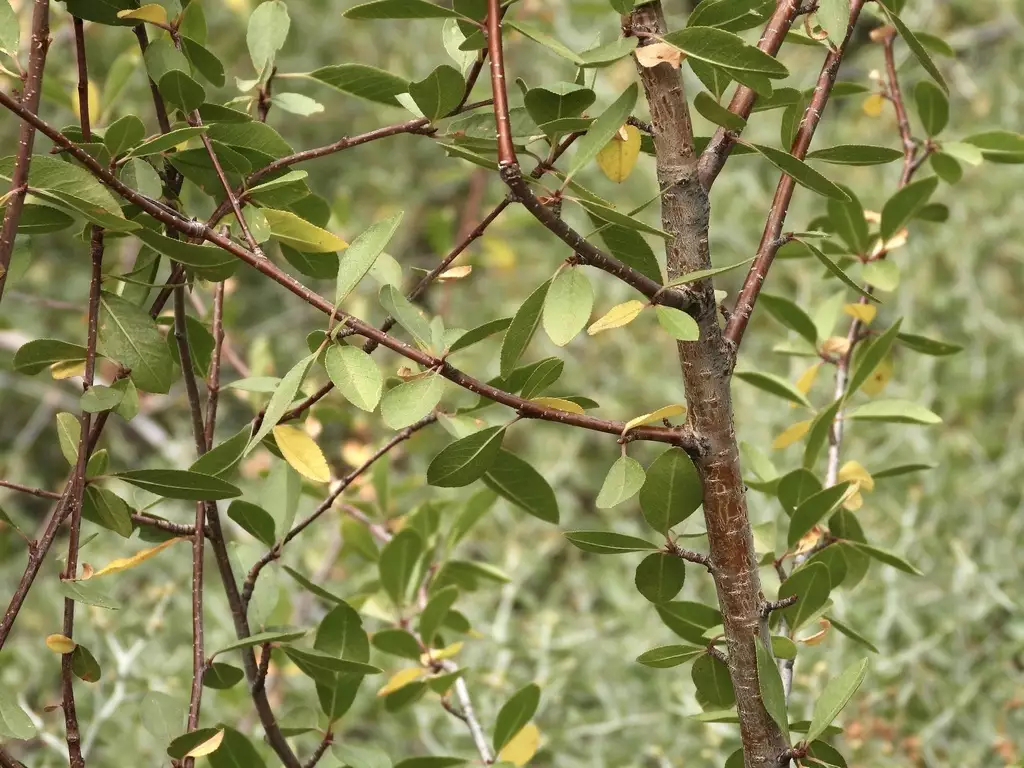
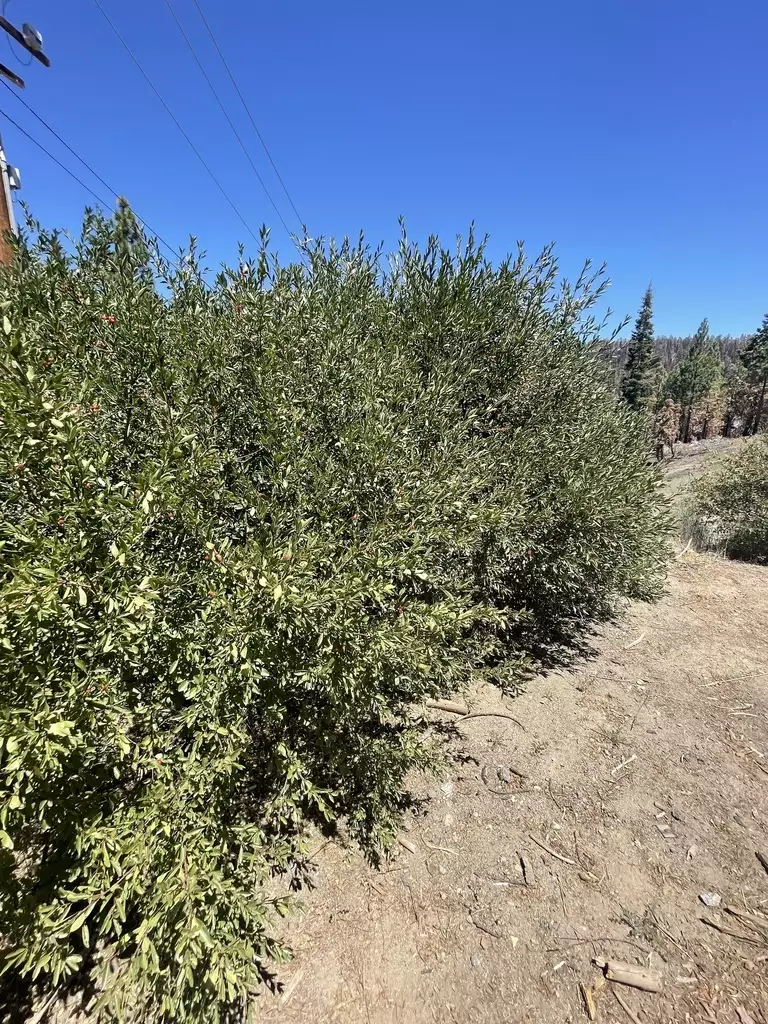
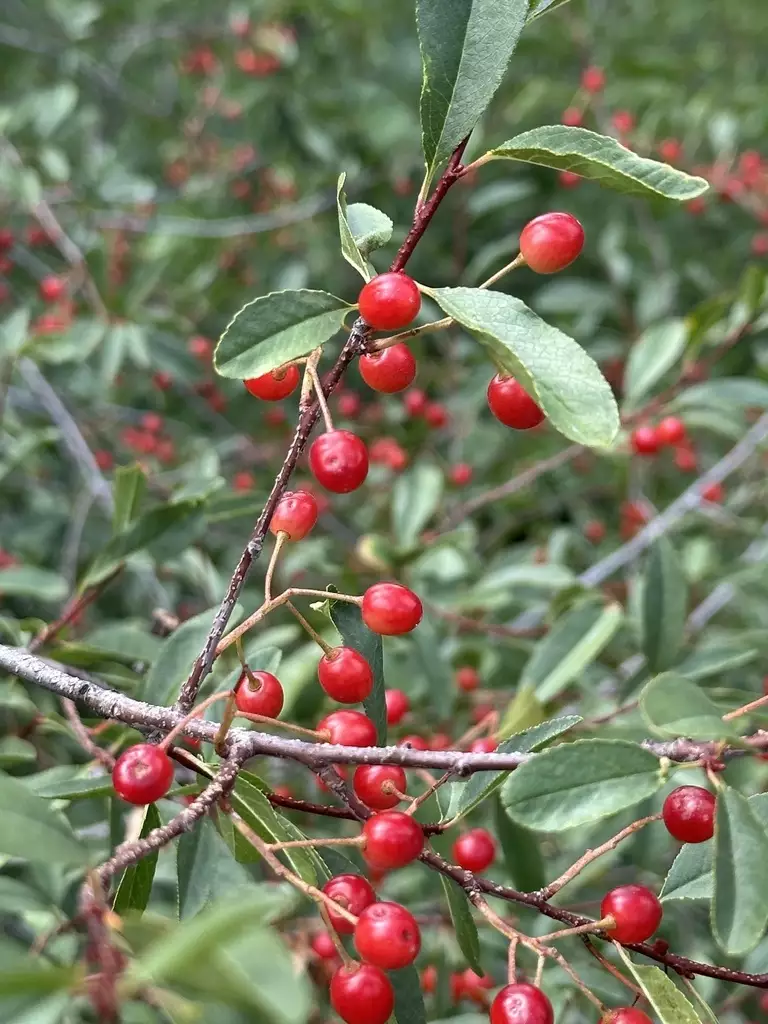
Discover the appealing qualities of Prunus emarginata, commonly known as Bitter Cherry. Originating from the picturesque regions of southern British Columbia to southern California and extending east to the Rocky Mountains, this remarkable deciduous species is a thicket-forming shrub or small tree, best recognized for its reddish-brown to silvery-gray bark adorned with prominent horizontal lenticels and striking white flowers. Reaching heights of 7 to 50 feet, Bitter Cherry thrives in sunlit or partially shaded areas, preferring moist loam or sandy loam soils, but is adaptable to dry, exposed sites.
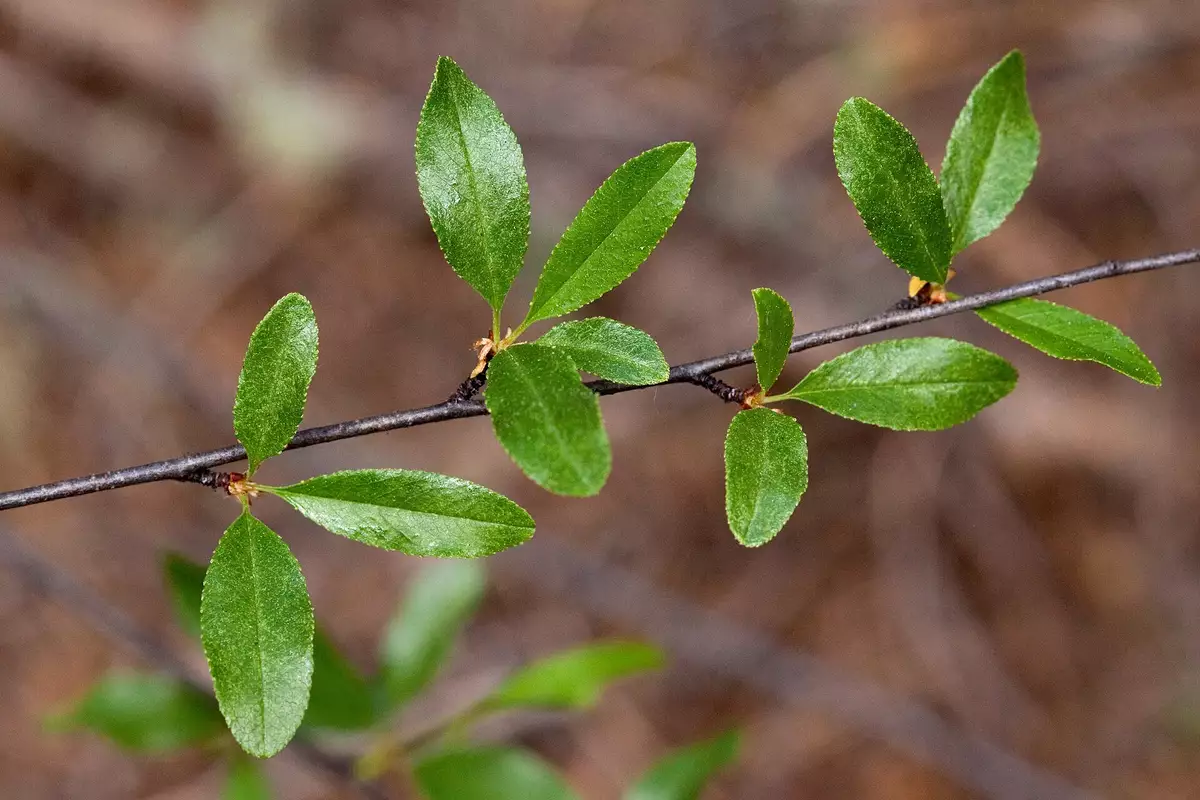
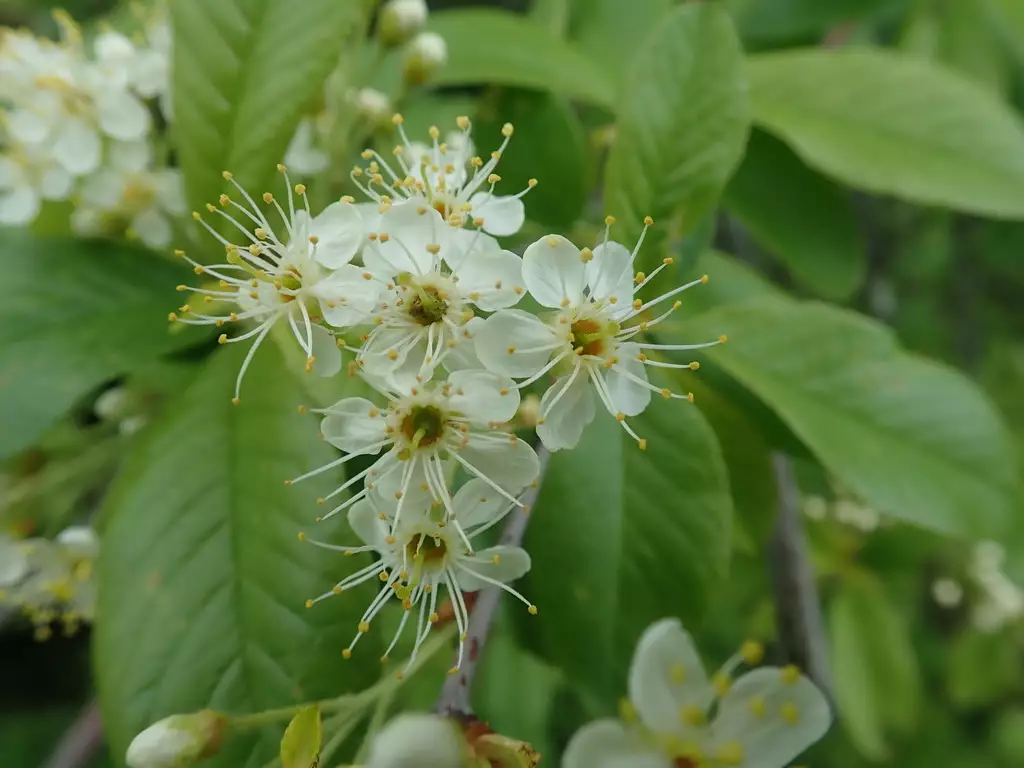
Its elliptic, finely toothed leaves and clusters of small, white notched petals add elegance to any landscape, particularly complementing woodland gardens. Despite the intensely bitter taste of its fleshy, red to black drupes, these fruits serve as a vital food resource for birds and mammals like bears, coyotes, and squirrels, while the flowers attract various butterflies. This versatile tree also holds ethnobotanical significance, with indigenous tribes utilizing parts of the plant for medicinal and practical purposes, from heart ailment treatments to crafting tools and baskets. Hardy to USDA Zone 4, Bitter Cherry's dense root system ensures resilience, making it an ecological asset for restoration and conservation efforts.









.jpg)