Scarification: soak in warm water, let stand in water for 24 hours
Stratification: none required
Germination: surface sow and keep moist, cover seedbed with some shade
Native to: Alaska, Albania, Alberta, Aleutian Is., Altay, Amur, Austria, Baltic States, Belarus, Belgium, British Columbia, Bulgaria, Buryatiya, California, Central European Rus, Chita, Czechoslovakia, Denmark, East European Russia, Finland, France, Føroyar, Germany, Great Britain, Greece, Greenland, Iceland, Idaho, Inner Mongolia, Irkutsk, Italy, Japan, Kamchatka, Kazakhstan, Khabarovsk, Korea, Krasnoyarsk, Kuril Is., Labrador, Magadan, Maine, Manchuria, Manitoba, Michigan, Minnesota, Mongolia, Montana, Netherlands, Nevada, New Brunswick, New Hampshire, New York, Newfoundland, North European Russi, Northwest European R, Northwest Territorie, Norway, Nova Scotia, Nunavut, Ontario, Oregon, Poland, Primorye, Prince Edward I., Québec, Romania, Sakhalin, Saskatchewan, Spain, Svalbard, Sweden, Switzerland, Transcaucasus, Turkey, Tuva, Ukraine, Utah, Vermont, Washington, West Siberia, Wyoming, Yakutskiya, Yugoslavia, Yukon
Native
Introduced
Vaccinium uliginosumVaccinium uliginosum
Bog Bilberry, Bog Blueberry
In Stock: 0.081 lb (Total:0.081lb)
Vaccinium uliginosum
select i.*, as2.state_abbr
from inventory_item_manage i
left outer join sheffields_2017.address_states as2 on (as2.state_name = i.CollectionLocale or as2.state_abbr = i.CollectionLocale)
where i.inventory_id = '2334'
group by i.id
Scarification: soak in warm water, let stand in water for 24 hours
Stratification: none required
Germination: surface sow and keep moist, cover seedbed with some shade
Native to: Alaska, Albania, Alberta, Aleutian Is., Altay, Amur, Austria, Baltic States, Belarus, Belgium, British Columbia, Bulgaria, Buryatiya, California, Central European Rus, Chita, Czechoslovakia, Denmark, East European Russia, Finland, France, Føroyar, Germany, Great Britain, Greece, Greenland, Iceland, Idaho, Inner Mongolia, Irkutsk, Italy, Japan, Kamchatka, Kazakhstan, Khabarovsk, Korea, Krasnoyarsk, Kuril Is., Labrador, Magadan, Maine, Manchuria, Manitoba, Michigan, Minnesota, Mongolia, Montana, Netherlands, Nevada, New Brunswick, New Hampshire, New York, Newfoundland, North European Russi, Northwest European R, Northwest Territorie, Norway, Nova Scotia, Nunavut, Ontario, Oregon, Poland, Primorye, Prince Edward I., Québec, Romania, Sakhalin, Saskatchewan, Spain, Svalbard, Sweden, Switzerland, Transcaucasus, Turkey, Tuva, Ukraine, Utah, Vermont, Washington, West Siberia, Wyoming, Yakutskiya, Yugoslavia, Yukon
Native
Introduced
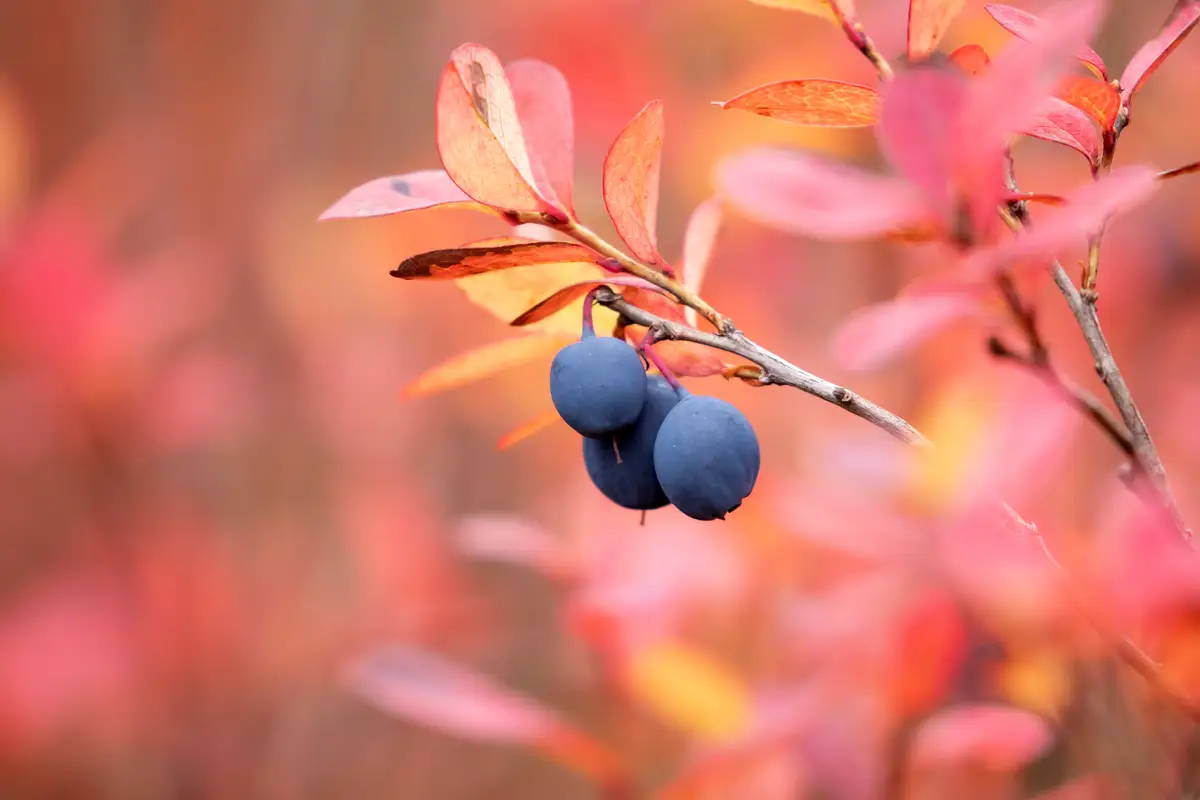
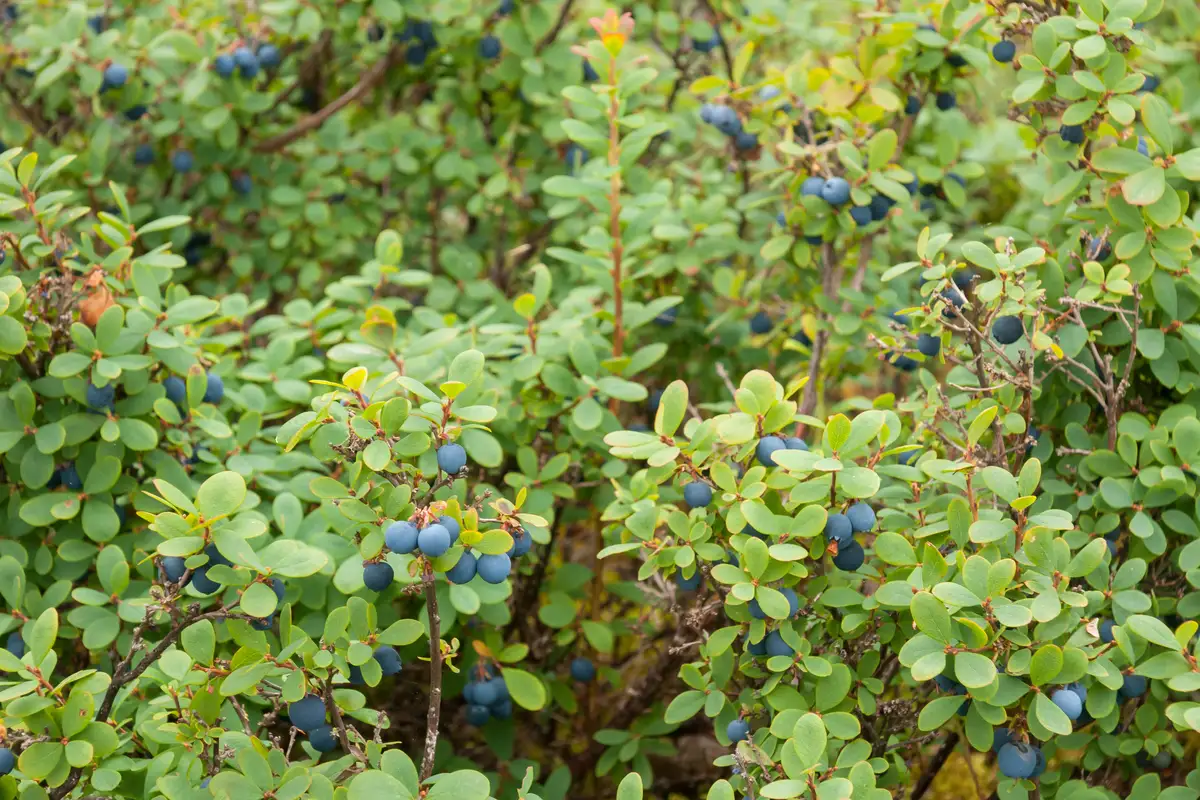
Discover the enchanting world of Vaccinium uliginosum, commonly known as Bog Bilberry, Bog Blueberry, or Alpine Blueberry, a resilient shrub thriving in the alpine and subalpine zones across Eurasia and North America. This deciduous beauty is a vital part of high-elevation ecosystems, extending its reach from the Arctic to the mountains of Mongolia, Northern China, and even the Rockies in North America.
Renowned for its adaptability, Bog Bilberry flourishes in both metallic and non-metallic soils, making it a potential ally for reforestation projects on mine spoils and an intriguing biological indicator of uranium-rich soils. In more hospitable terrains, its tantalizing blue-black berries are edible, often transformed into jams, jellies, and pies, relished by locals and wildlife alike. The plant itself serves as essential cover for small fauna, creating a rich tapestry of life in open muskegs and alpine meadows.
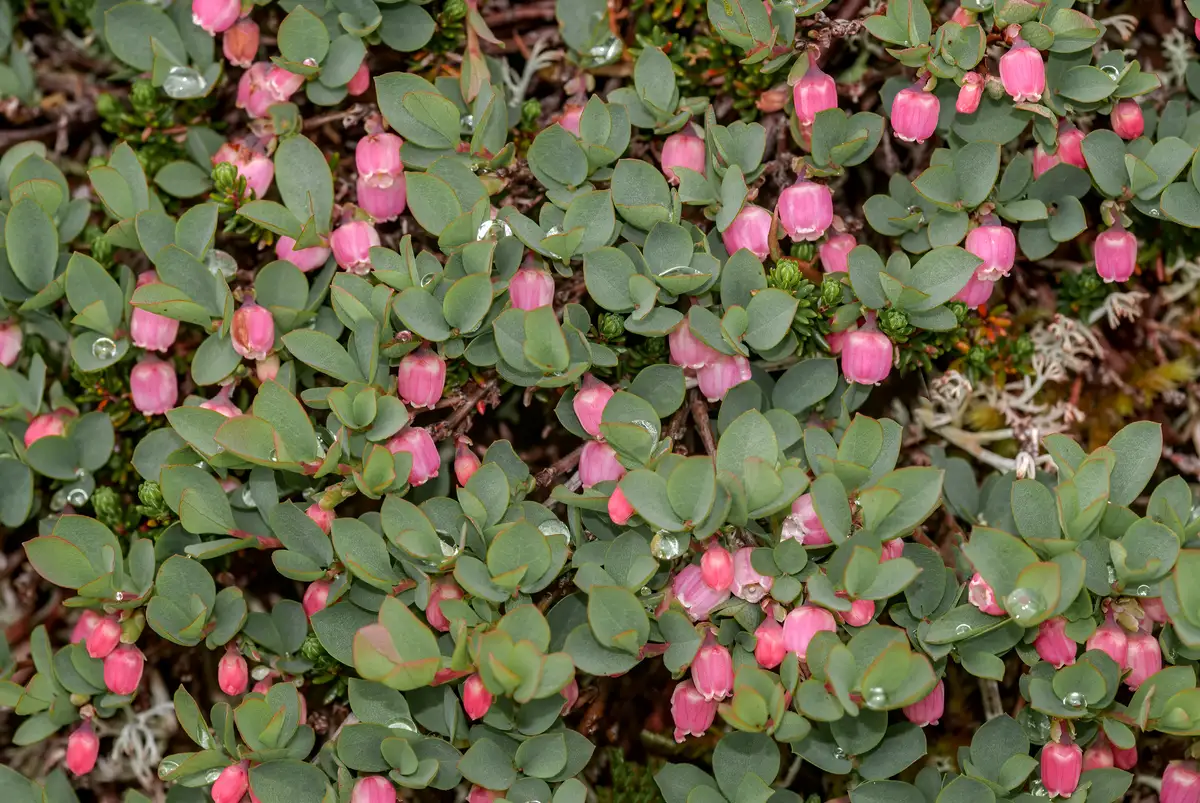
A small yet striking shrub, Bog Bilberry stands up to 30 inches tall, featuring pale pink, urn-shaped flowers and leaves that are oval and blue-green. Despite its modest stature, it is lauded for its cold hardiness and resistance to blueberry-specific pathogens, qualities that make it valuable for hybridization with economically important species.