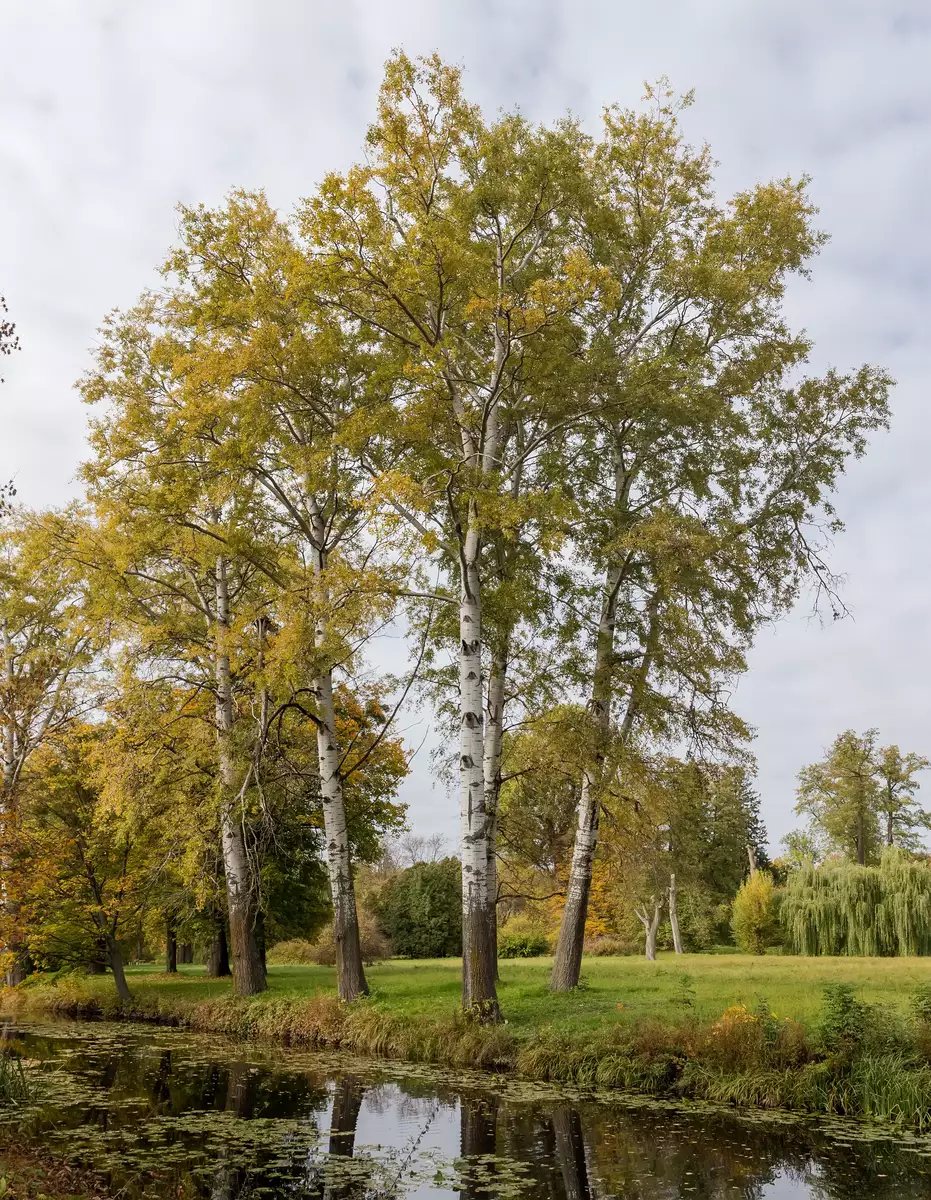
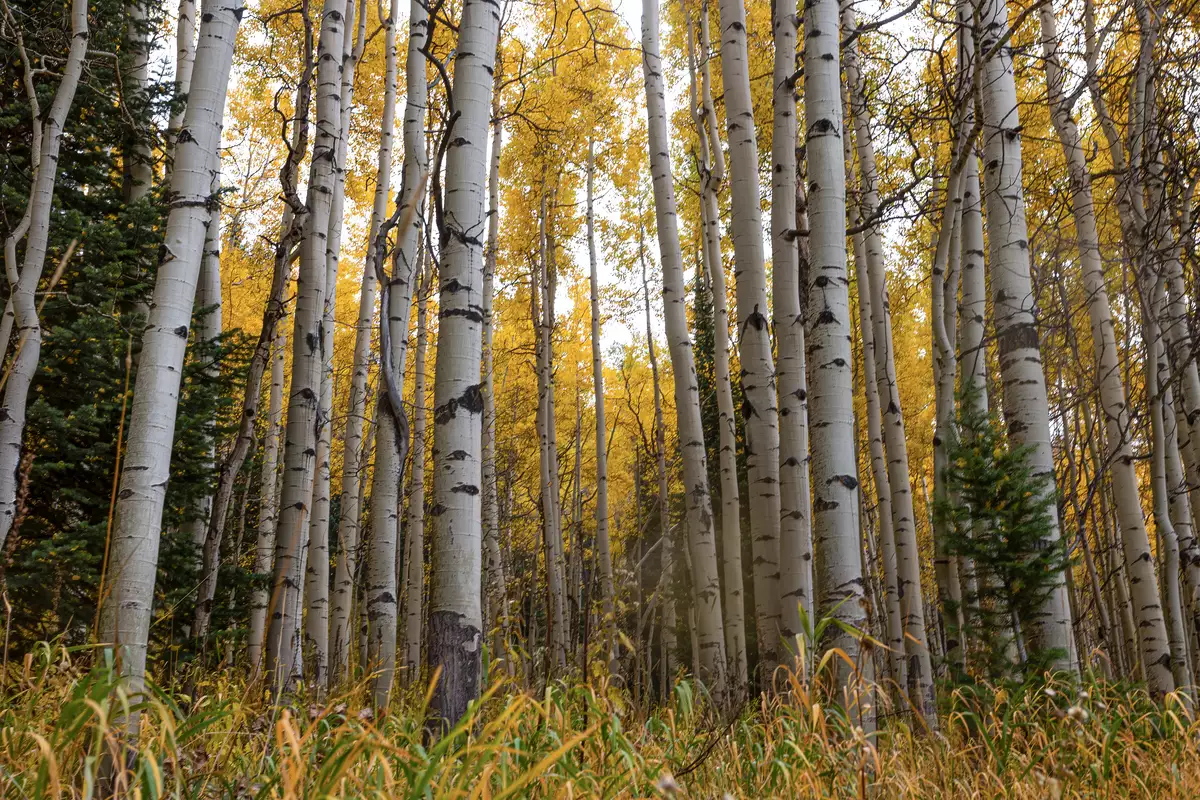
Discover the enchanting Quaking Aspen (Populus tremuloides), an iconic tree that graces landscapes from Canada to Mexico. Known for its captivating white bark and shimmering leaves that "quake" in the slightest breeze, this arboreal marvel boasts one of the widest geographical ranges in North America. Aspens thrive in zones 1 through 6, achieving heights of 20 to 50 feet and spreads of 10 to 30 feet, making them a stunning addition to any garden or naturalized area.
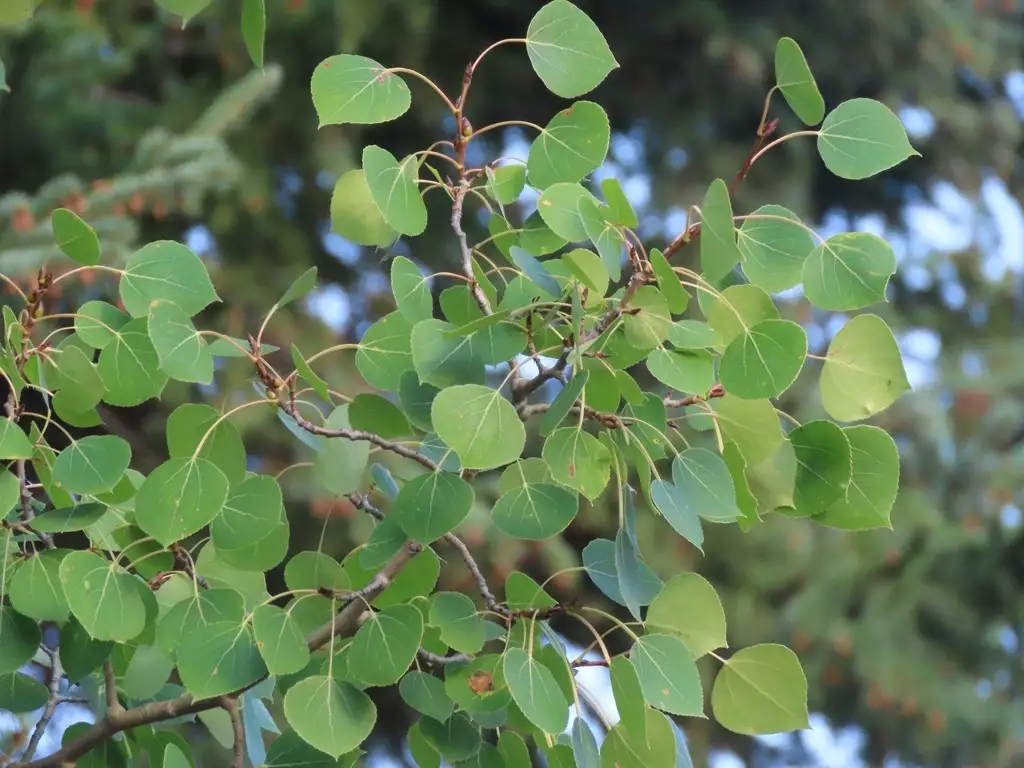
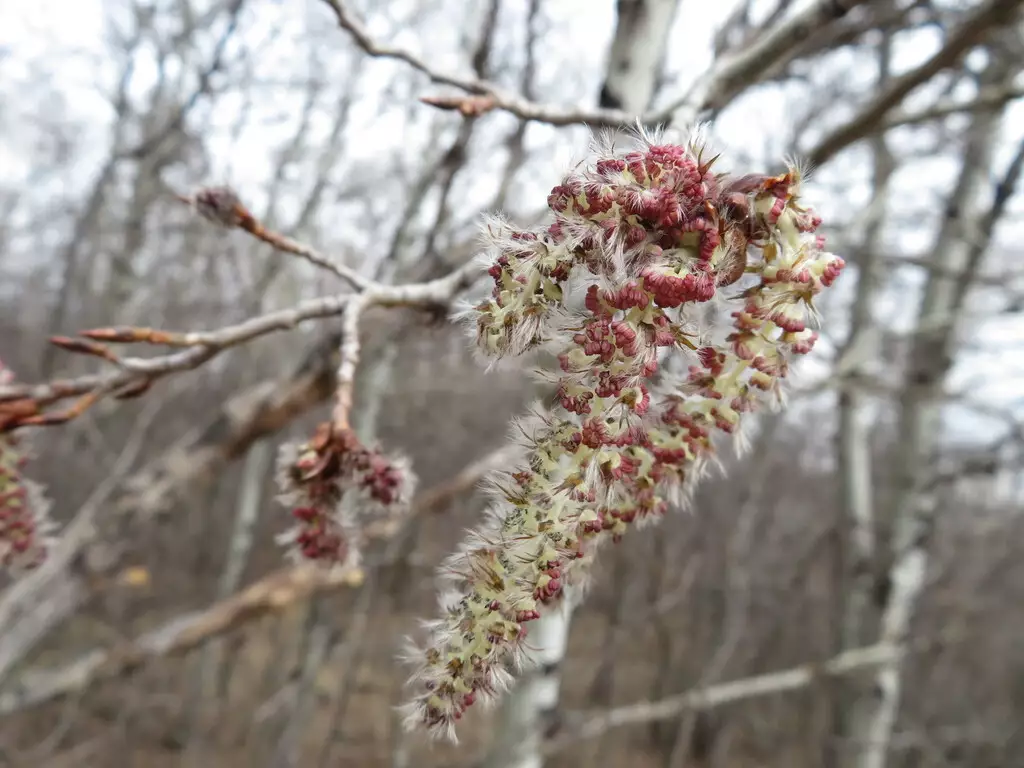
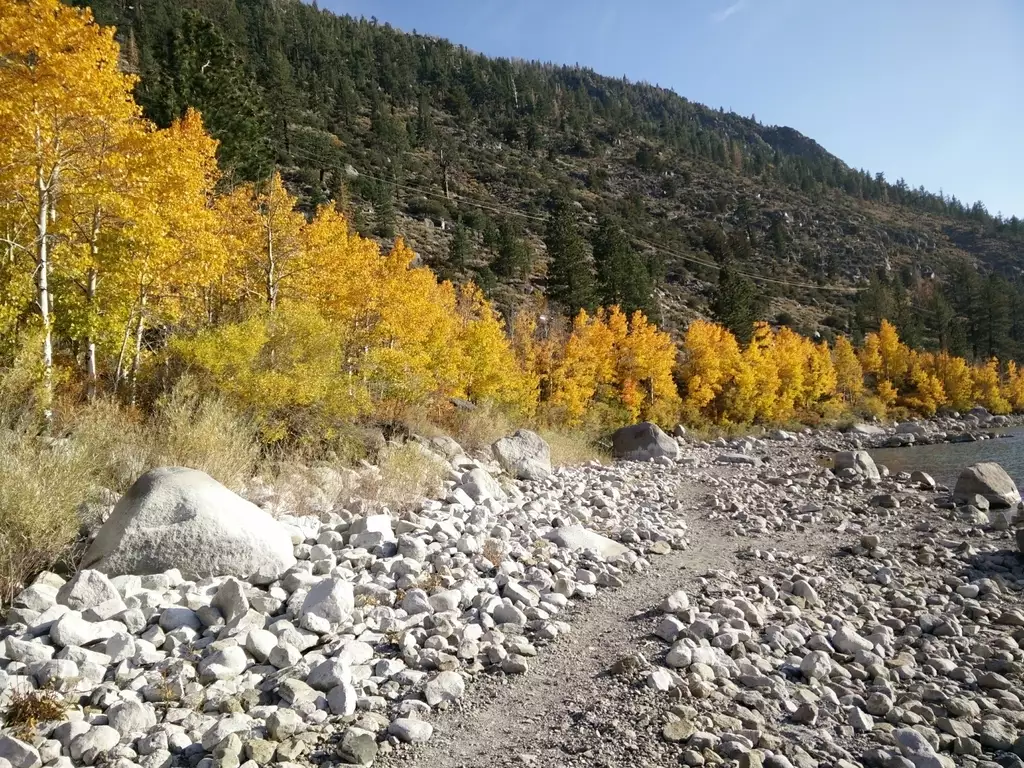
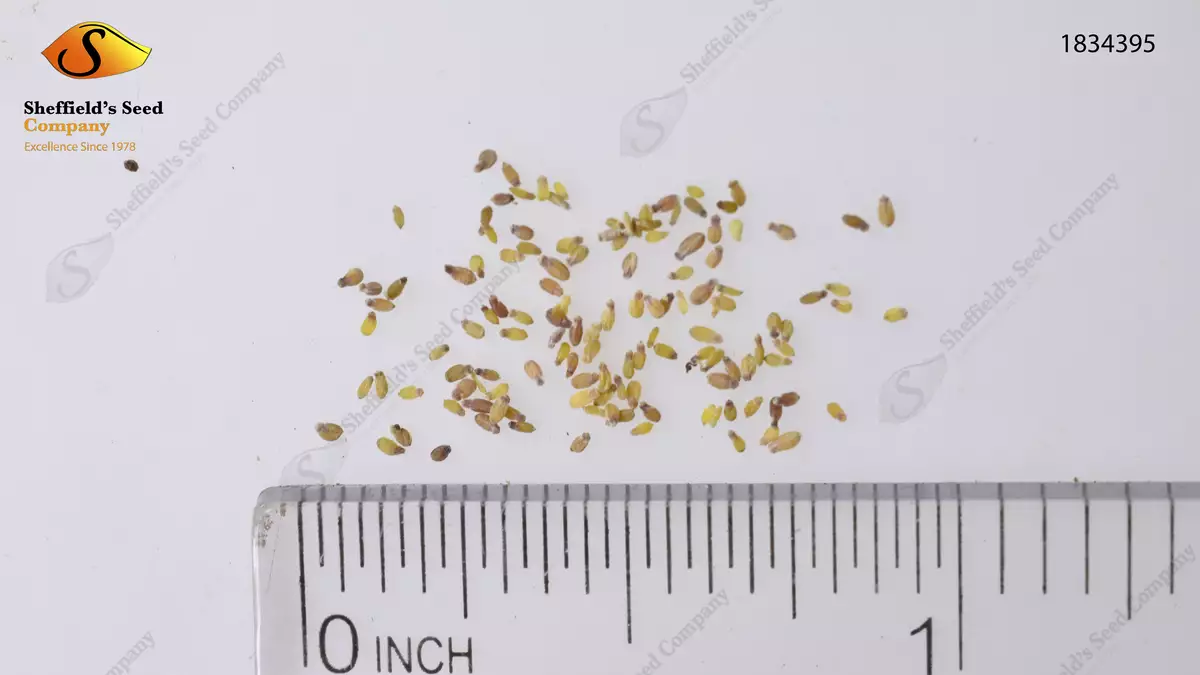
With its narrow, rounded crown and glossy green leaves that transform into a brilliant golden-yellow tapestry come fall, Quaking Aspen is a feast for the eyes. Its leaves are uniquely set on flattened stalks, causing them to flutter with even the gentlest winds, creating a soothing soundscape. In spring, the tree produces long, silvery catkins and tiny seeds that drift on cottony tufts, further enhancing its natural allure.
Beyond its aesthetic appeal, Quaking Aspen is an ecological powerhouse. It supports wildlife like deer, elk, and beavers, while its buds sustain grouse in winter. Primarily reproducing through root sprouts, it forms vast interlinked groves, some of which date back thousands of years, making it the largest living organism and home to a myriad of birds and insects.
Ideal for cool summer climates, this deciduous wonder is not just a visual delight but also a pioneer species in forest regeneration post-fire. Its wood is used in everyday products like popsicle sticks and crates, while its historical relevance spans multiple native tribes. Whether enhancing biodiversity or elevating your landscape with its autumn hues, Quaking Aspen perfectly blends beauty, resilience, and history.