0
Close
2 / 6
2018 crop Montana
4 / 6

Growing Info

Scarification
Scarification: Soak in hot tap water, let stand in water for 24 hours
Stratification
Stratification: cold stratify for 90 days
Germination
Germination: sow seed 1/4" deep, tamp the soil, mulch the seed bed

Other: if hot water treatment does not allow seed to imbibe, sulfuric acid treatment is required|can be fall sown without stratification. 

Native to: Alberta, Arizona, California, Colorado, Idaho, Iowa, Kansas, Manitoba, Michigan, Minnesota, Montana, Nebraska, Nevada, New Mexico, North Dakota, Oklahoma, Oregon, Saskatchewan, South Dakota, Utah, Wisconsin, Wyoming
Native
Introduced

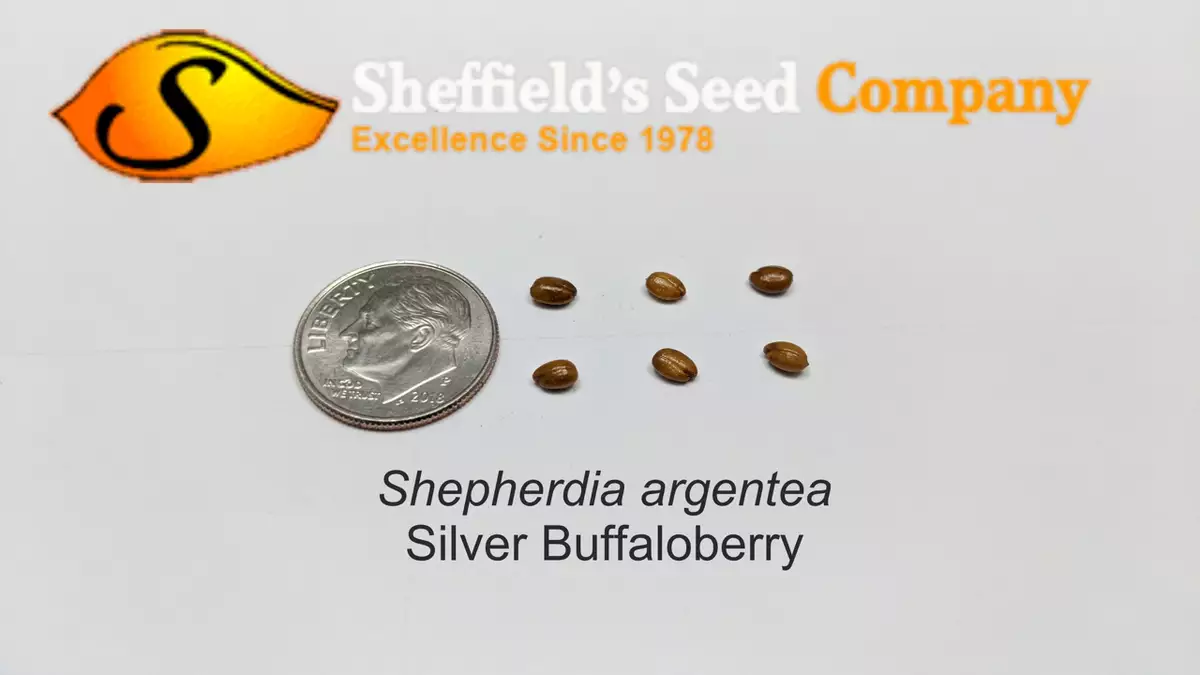
Shepherdia argentea

Bull Berry, Bullberry, Silver Buffaloberry, Thorny Buffaloberry

  • Shepherdia argentea

Please select the quantity desired, and we will advise availability and price as soon as possible.

Details

Min. hardiness zone:
3

No Export to These Countries

Australia

Growing Info

Scarification
Scarification: Soak in hot tap water, let stand in water for 24 hours
Stratification
Stratification: cold stratify for 90 days
Germination
Germination: sow seed 1/4" deep, tamp the soil, mulch the seed bed

Other: if hot water treatment does not allow seed to imbibe, sulfuric acid treatment is required|can be fall sown without stratification. 

Native to: Alberta, Arizona, California, Colorado, Idaho, Iowa, Kansas, Manitoba, Michigan, Minnesota, Montana, Nebraska, Nevada, New Mexico, North Dakota, Oklahoma, Oregon, Saskatchewan, South Dakota, Utah, Wisconsin, Wyoming
Native
Introduced
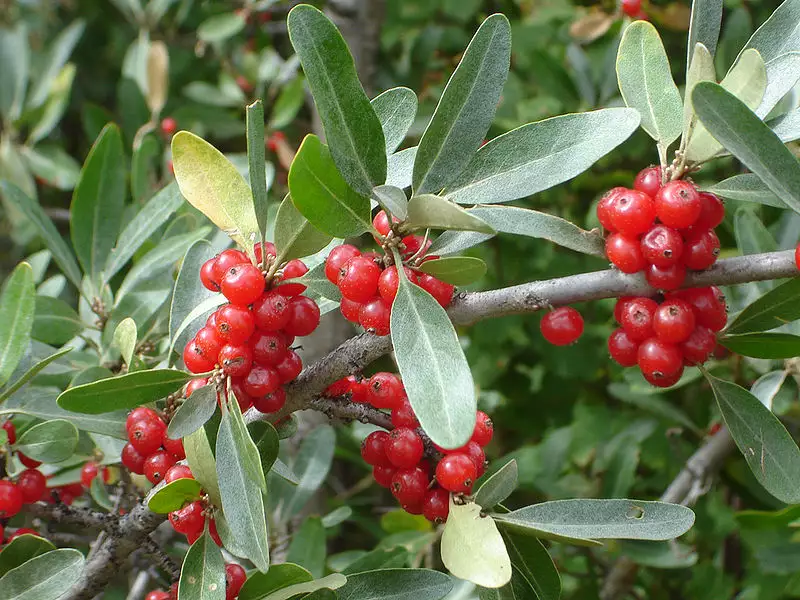
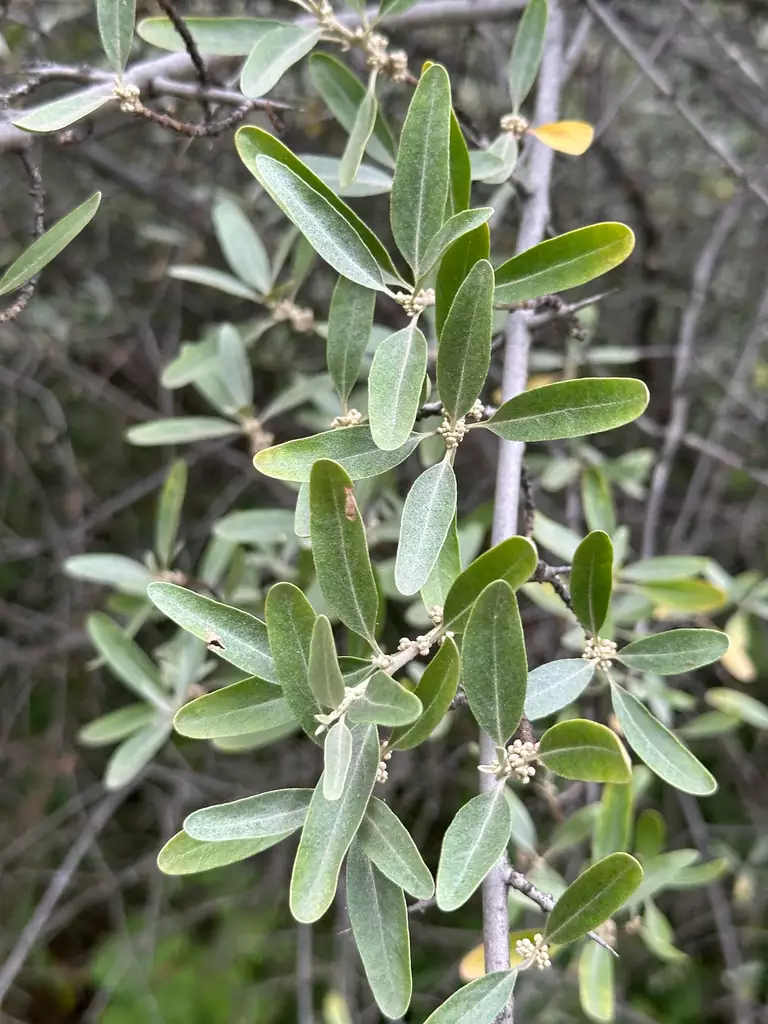
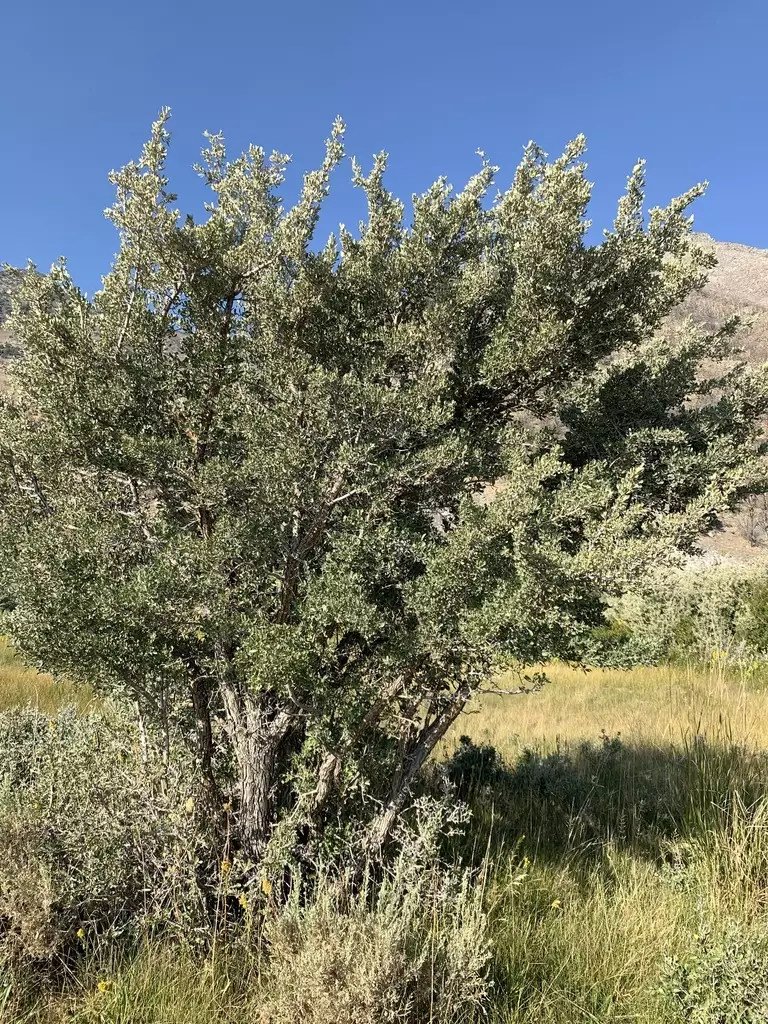
Explore the resilient beauty of Shepherdia argentea, commonly known as Silver Buffaloberry—an enchanting, thorny deciduous shrub prized for its unique adaptability and ornamental allure. Native to the rugged landscapes of Western North America and the prairies of Canada, Silver Buffaloberry thrives in a diverse range of climates and terrains, flourishing from USDA zones 3 to 9. Reach stunning heights of 6 to 20 feet with this bushy, thicket-forming plant adorned in silvery leaves that shimmer in the sun.

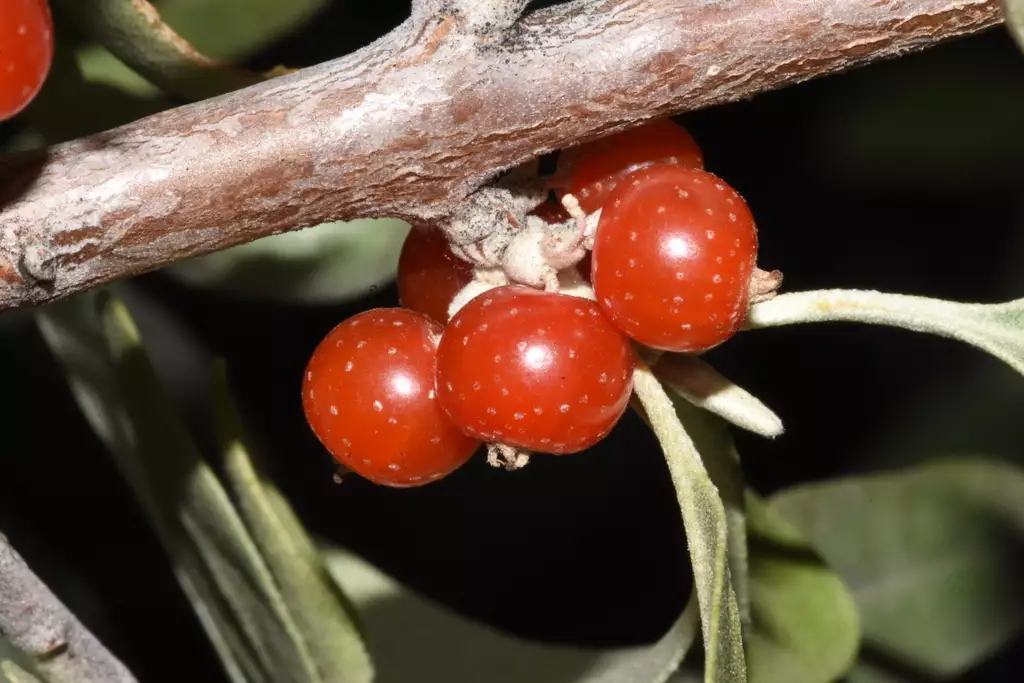
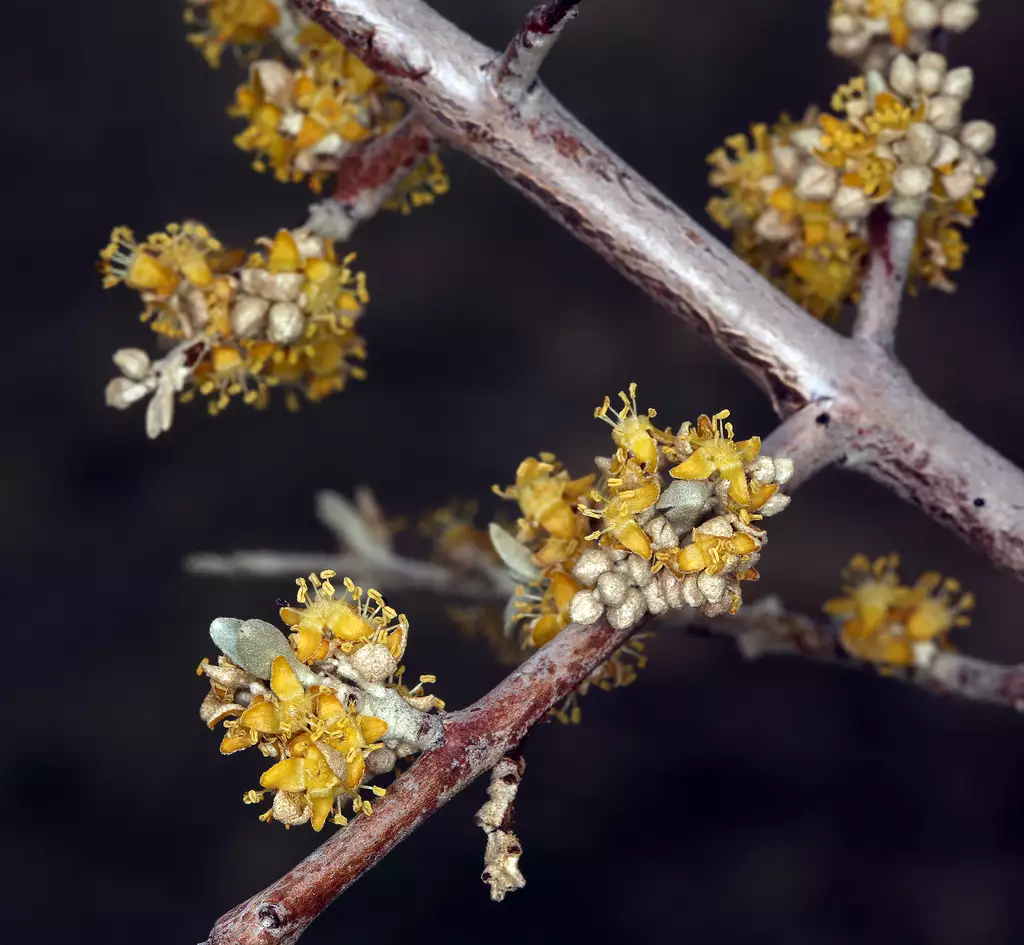
Blooms of tiny, tubular yellow flowers in March herald the onset of a vibrant spring, making way for clusters of striking, pea-sized red fruits by fall. These fruits, though sour, become sweeter after frost and are cherished by diverse wildlife for their rich nutritional content. Historically, Native American tribes revered the buffaloberry for its culinary versatility, often complemented as a tart addition in jams and berry compotes or even transformed into a sweet frothy foam—a delicacy at traditional gatherings.

Embrace its resilience as it laughs in the face of drought, poor soil, and harsh winters, often serving as a vital ecological hedge against erosion. In gardens, Silver Buffaloberry offers low-maintenance charm, needing only occasional pruning. Beyond aesthetics, it provides crucial cover for birds and small mammals, creating a wildlife haven right in your backyard. Transform challenged spaces with Shepherdia argentea’s robust character and enjoy a picturesque blend of utility and beauty.

You might also like

Papaver somniferum

Papaver somniferum

Opium Poppy

Sequoia sempervirens

Sequoia sempervirens

California Redwood, Coast Redwood, Redwood

Sequoiadendron giganteum

Sequoiadendron giganteum

Bigtree, Giant Sequoia, Sierra Redwood, Sierran Redwood, Wellingtonia

Vaccinium corymbosum

Vaccinium corymbosum

Highbush Blueberry

(315) 497-1058
269 NY-34 Locke NY 13092
seed@sheffields.com

HOME - logo

Find us on: