0
Close
4 / 6

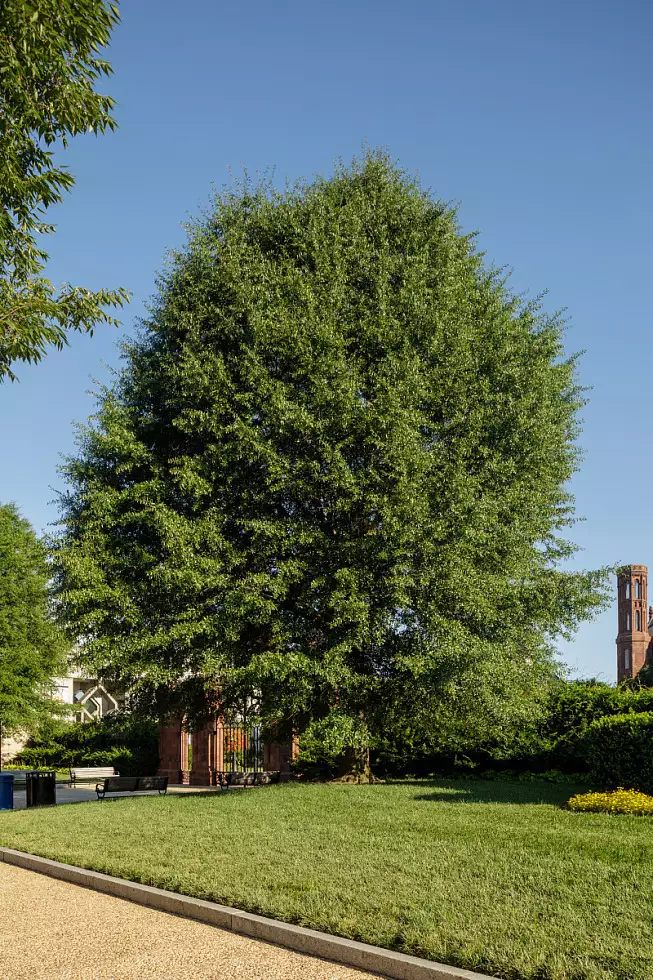
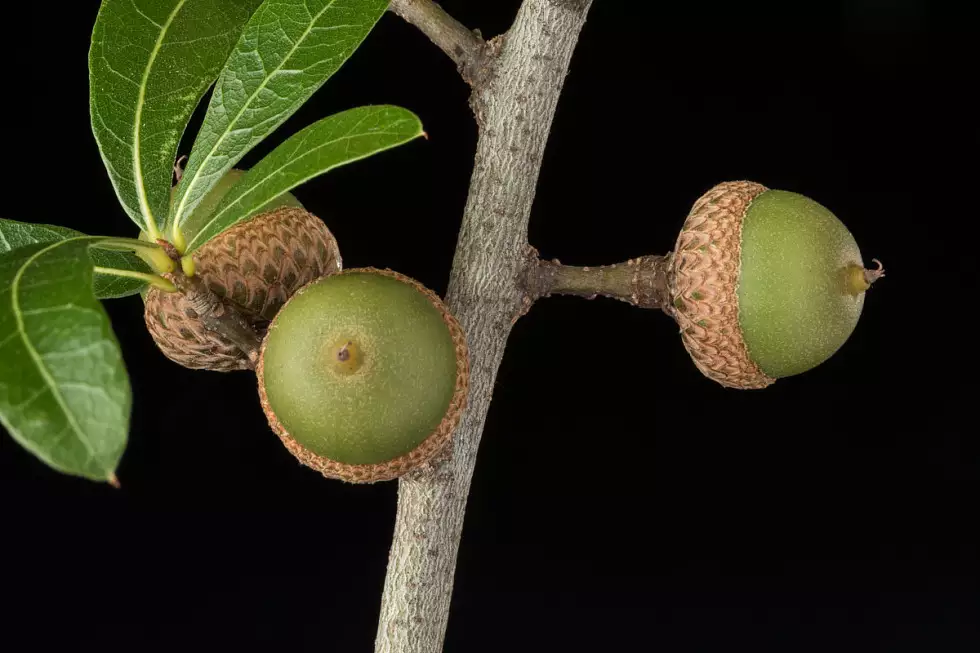
Smithsonian Gardens, Tree Collection, Photograph by Hannele Lahti

5 / 6

Smithsonian Gardens, Tree Collection, Photograph by Hannele Lahti

6 / 6

Growing Info

Scarification
Scarification: Soak in water, let stand in water for 24 hours
Stratification
Stratification: cold stratify for 60 days , or until radicle emergence
Germination
Germination: sow seed 3/4" deep, tamp the soil, mulch the seed bed

Other: fall sowing in mulched beds is prefered to artificial stratification 

Native to: Alabama, Florida, Georgia, Louisiana, Mississippi, North Carolina, South Carolina, United States, Virginia
Native
Introduced

Quercus hemisphaerica

Darlington Oak, Laurel Oak, Laurel-leaf Oak, Sand Laurel Oak

Recalcitrant seeds need refrigeration. Since shipping times are out of our control, we are not liable for seed condition upon arrival.
In Stock: 5.576 lb (Total:5.576lb)
  • Quercus hemisphaerica

    All items have bulk rates priced in
select i.*, as2.state_abbr from inventory_item_manage i left outer join sheffields_2017.address_states as2 on (as2.state_name = i.CollectionLocale or as2.state_abbr = i.CollectionLocale) where i.inventory_id = '1223' group by i.id

Buying options

5.58 lb
LA

Details

Germination:
71%
Germination test:
Cut (Full Seed)
Purity:
99%
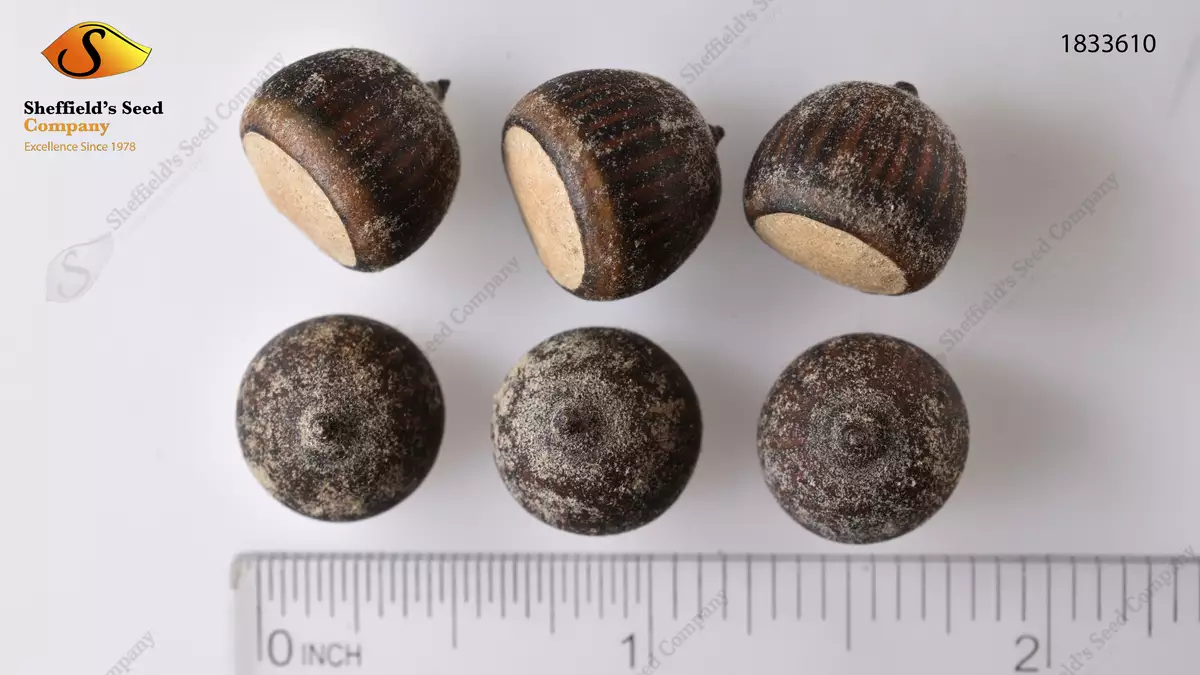
Seeds per lb:
421
Quantity:
5.58 lb
Collected in:
Louisiana
Crop year:
2025
Min. hardiness zone:
7
Item ID:
1836976

No Export to These Countries

New Zealand

Growing Info

Scarification
Scarification: Soak in water, let stand in water for 24 hours
Stratification
Stratification: cold stratify for 60 days , or until radicle emergence
Germination
Germination: sow seed 3/4" deep, tamp the soil, mulch the seed bed

Other: fall sowing in mulched beds is prefered to artificial stratification 

Native to: Alabama, Florida, Georgia, Louisiana, Mississippi, North Carolina, South Carolina, United States, Virginia
Native
Introduced
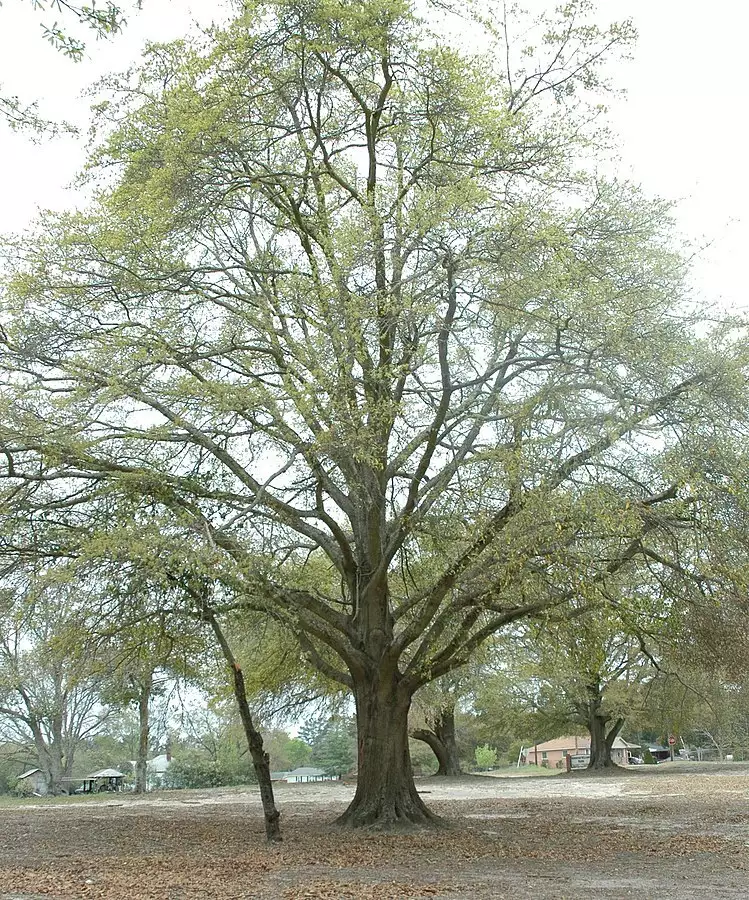
Quercus hemisphaerica, commonly known as Darlington Oak or Sand Laurel Oak, is an adaptable, rapidly growing native tree that reaches heights of up to 60 feet. Characterized by its evergreen to tardily deciduous nature, it thrives in the dry, sandy soils of sandhills, dry hammocks, and maritime forests from southeastern Virginia to central Florida and as far west as southern Texas. Valued for its moderate salt tolerance, this tree is a popular choice for shade in urban settings and naturalized areas.

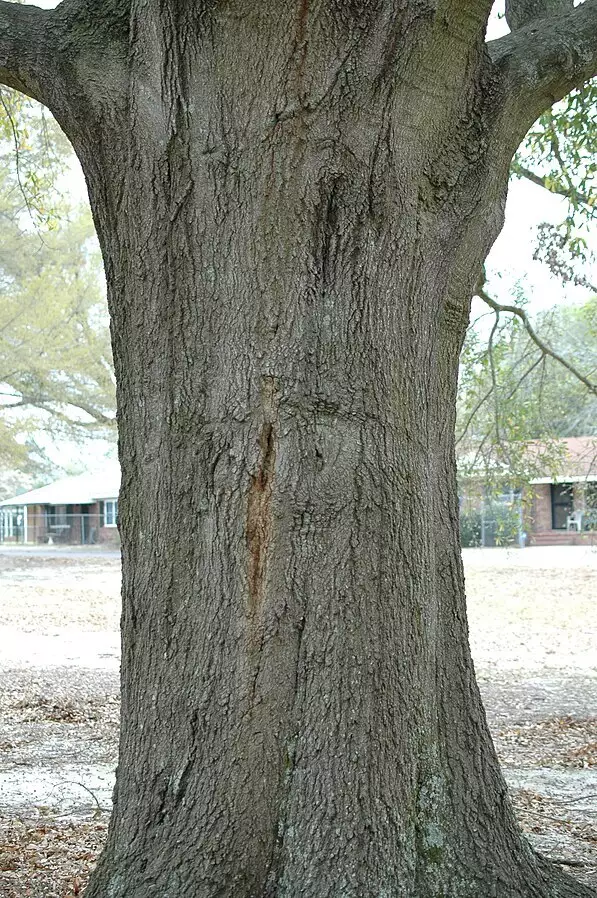
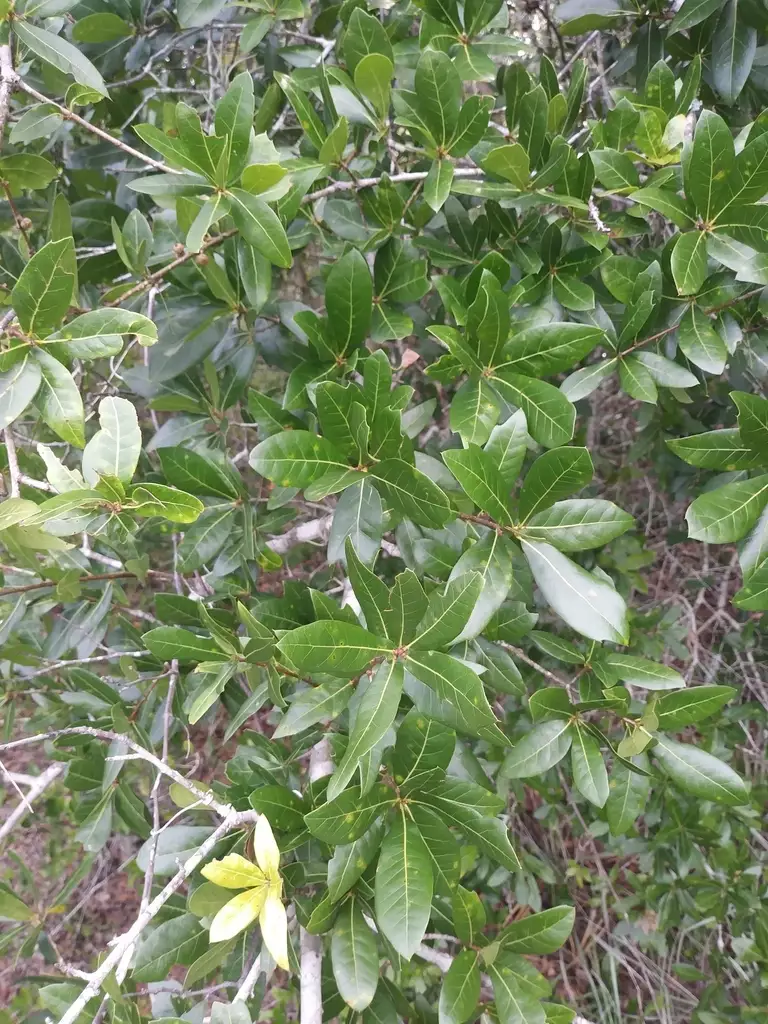
Darlington Oak is distinguished by its leathery, elliptic leaves, which stay on the tree until new growth in spring, and its small, biennial acorns, which are a favorite among wildlife. As a host plant, it supports the larvae of the Imperial Moth and a range of butterflies, adding ecological value to any landscape. With bark that transitions from smooth to furrowed over time and a rounded mature form, it offers visual appeal throughout its lifecycle.

While its lifespan of approximately 50 years and susceptibility to diseases may limit its desirability for home landscaping, its ability to provide quick, dense shade makes it a reliable choice for urban environments. Emphasizing the importance of selecting the appropriate growing region, Darlington Oak emerges as a beautiful, functional component of southeastern U.S. ecosystems.

You might also like

Quercus pagoda
Out of Stock

Quercus pagoda

Cherrybark Oak

Quercus imbricaria

Quercus imbricaria

Shingle Oak

Quercus laurifolia

Quercus laurifolia

Diamond Leaf Oak, Laurel Oak, Swamp Laurel Oak

Quercus nigra

Quercus nigra

Duck Oak, Orange Oak, Possum Oak, Punk Oak, Spotted Oak, Water Oak

(315) 497-1058
269 NY-34 Locke NY 13092
seed@sheffields.com

HOME - logo

Find us on: