0

Growing Info

Scarification
Scarification: Soak in water, let stand in water for 24 hours
Stratification
Stratification: cold stratify for 120 days
Germination
Germination: sow seed 1/4" deep, tamp the soil, mulch the seed bed

Other: fall sowing in mulched beds is preferred to artificial stratification 

Native to: American Samoa, EU, Europe, western Asia
Introduced to: Australia, Namibia, North America
Native
Introduced

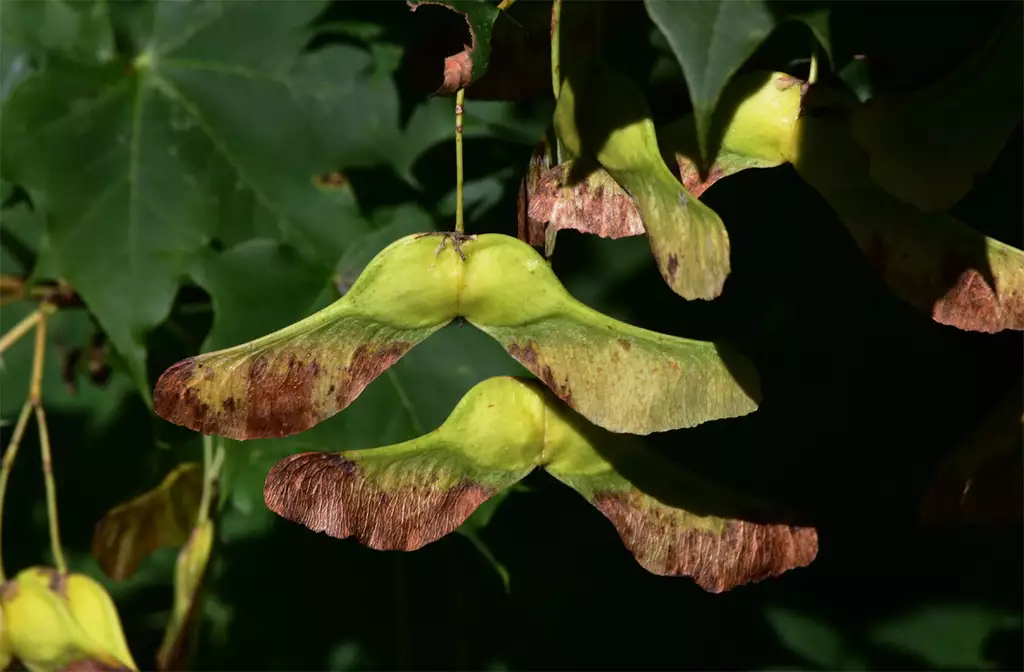
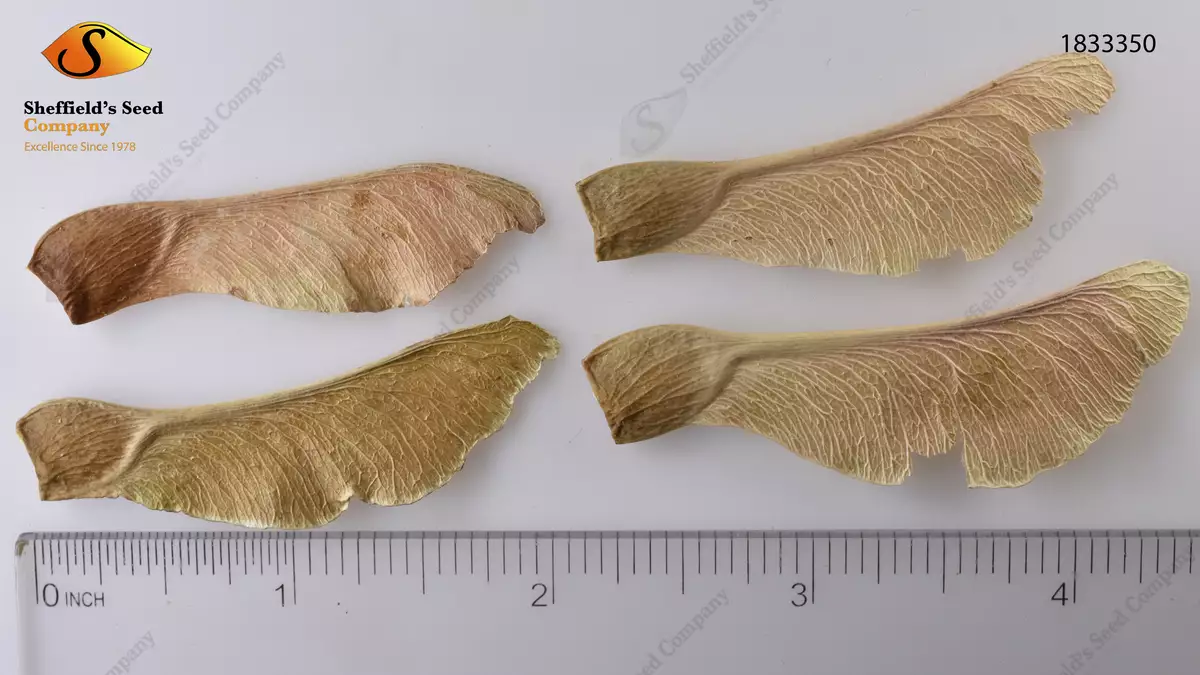
Acer platanoides

dry winged

Norway Maple

New York state is now requiring us to label this seed: Invasive Species-Harmful to the Environment. Why do you sell this seed??? (see FAQ) Before growing seeds, verify local and state regulations to ensure compliance with any specific restrictions or requirements.
  • Acer platanoides dry winged

Please select the quantity desired, and we will advise availability and price as soon as possible.

Details

Min. hardiness zone:
4

Growing Info

Scarification
Scarification: Soak in water, let stand in water for 24 hours
Stratification
Stratification: cold stratify for 120 days
Germination
Germination: sow seed 1/4" deep, tamp the soil, mulch the seed bed

Other: fall sowing in mulched beds is preferred to artificial stratification 

Native to: American Samoa, EU, Europe, western Asia
Introduced to: Australia, Namibia, North America
Native
Introduced
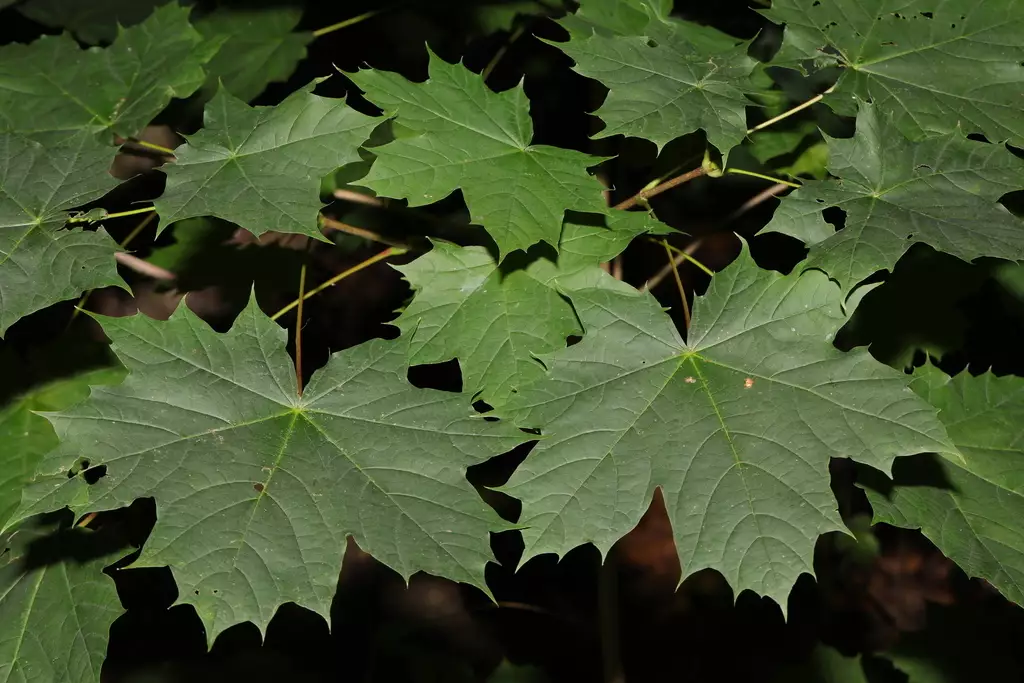
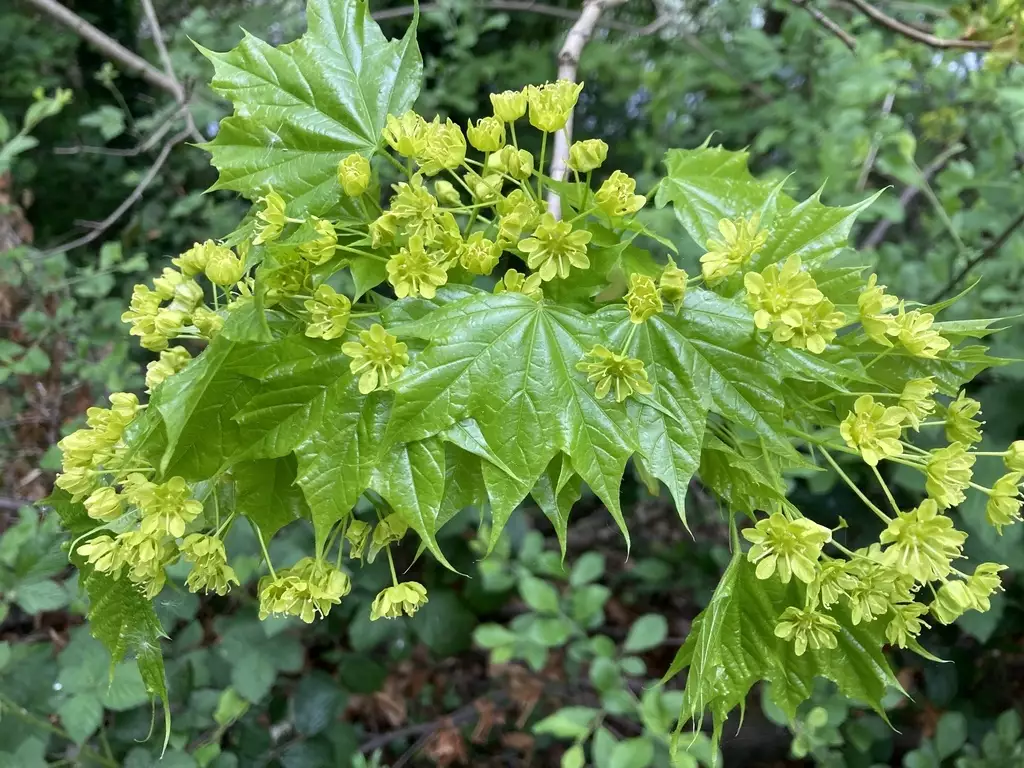
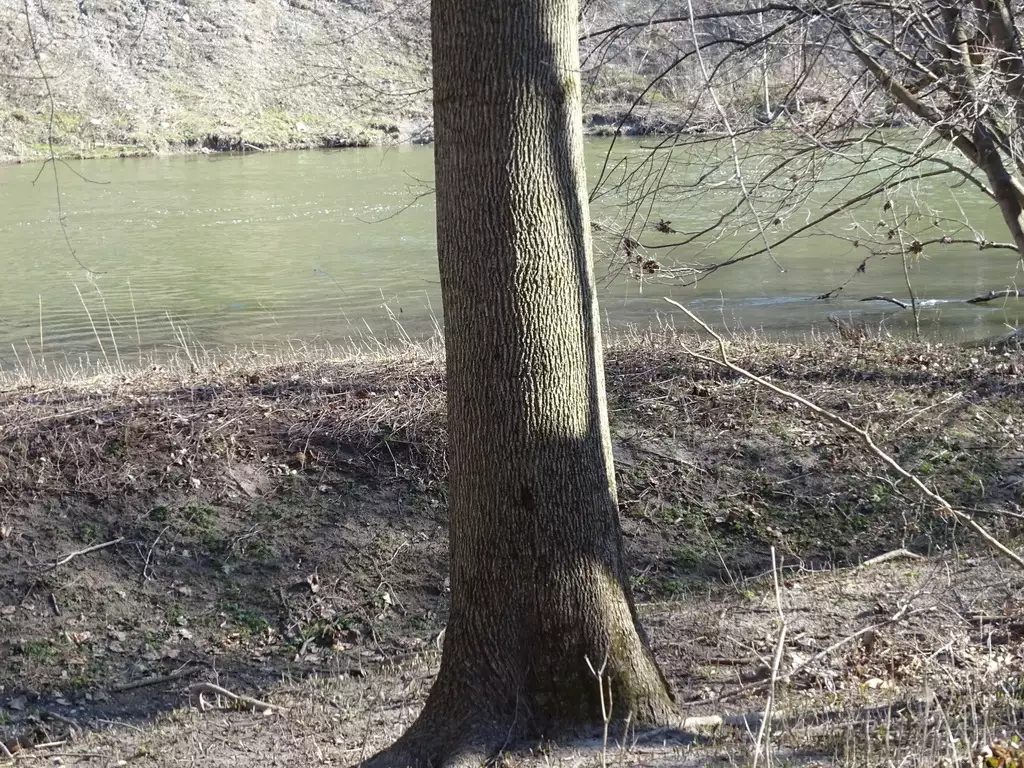
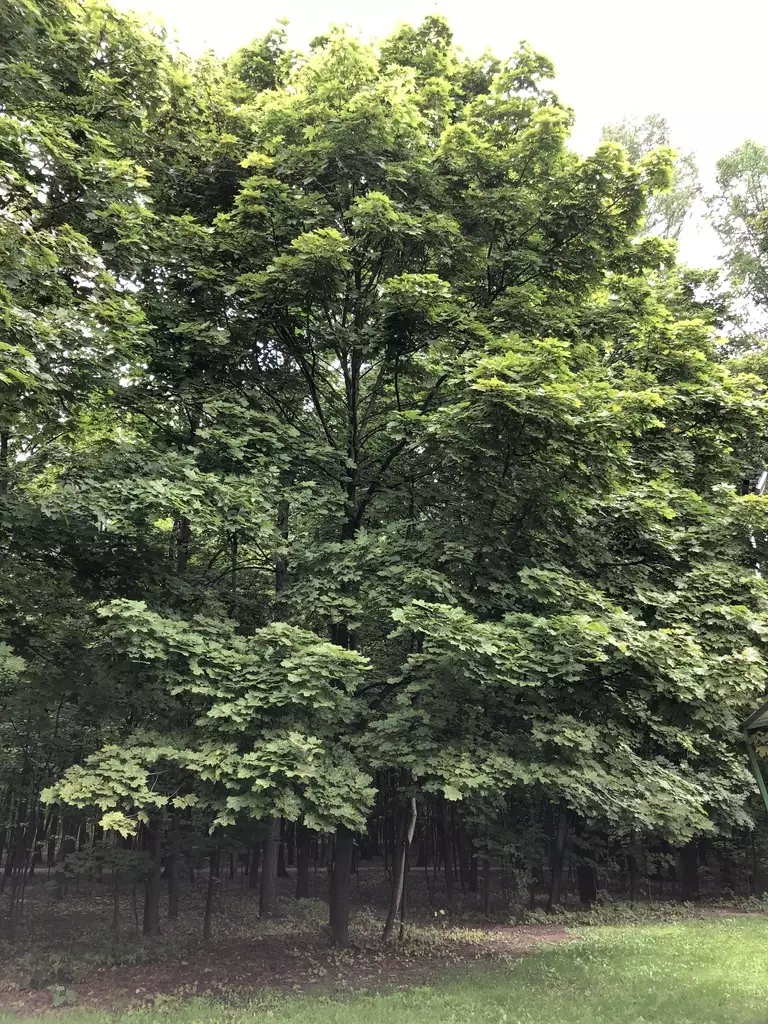
Acer platanoides, commonly known as Norway Maple, is a robust, broadleaf deciduous tree valued for its adaptability and lush foliage. Reaching heights of 40-50 feet with a spread of 30-50 feet, it features a dense, rounded crown that provides excellent shade, making it ideal as a shade or street tree. Its striking 5-lobed leaves, glossy dark green on both sides, transition to a sometimes vibrant yellow in autumn. The tree blooms with clusters of insignificant yellow or greenish-yellow flowers in early spring, preceding the leafing. Exceptionally tolerant of harsh conditions, Norway Maple thrives in diverse soils—from sandy to clayey and acidic to calcareous—and withstands heat, drought, and urban pollution better than many of its counterparts. Despite its popularity in urban landscaping across the U.S., particularly due to its hardy nature, it's worth noting that this species is invasive in certain areas, including the northeastern and upper midwestern states. It produces copious seeds that germinate rapidly, often outcompeting native flora. Caution is advised when planting near driveways or sidewalks due to its shallow, spreading root system, which can lead to pavement cracking and turf interference. While once a favored street tree, its invasive potential now urges careful consideration and management.

You might also like

Papaver somniferum

Papaver somniferum

Opium Poppy

Robinia pseudoacacia

Robinia pseudoacacia

Black Locust, False Acacia, Yellow Locust

Sequoia sempervirens

Sequoia sempervirens

California Redwood, Coast Redwood, Redwood

Sequoiadendron giganteum

Sequoiadendron giganteum

Bigtree, Giant Sequoia, Sierra Redwood, Sierran Redwood, Wellingtonia

(315) 497-1058
269 NY-34 Locke NY 13092
seed@sheffields.com

HOME - logo

Find us on: