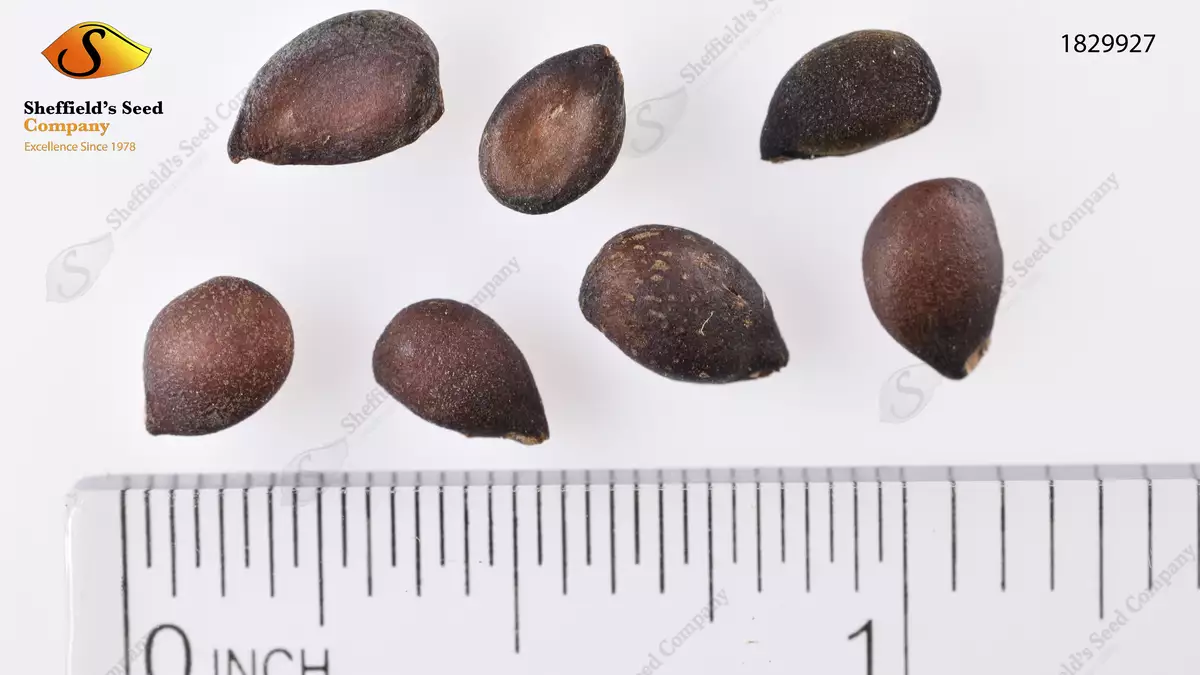
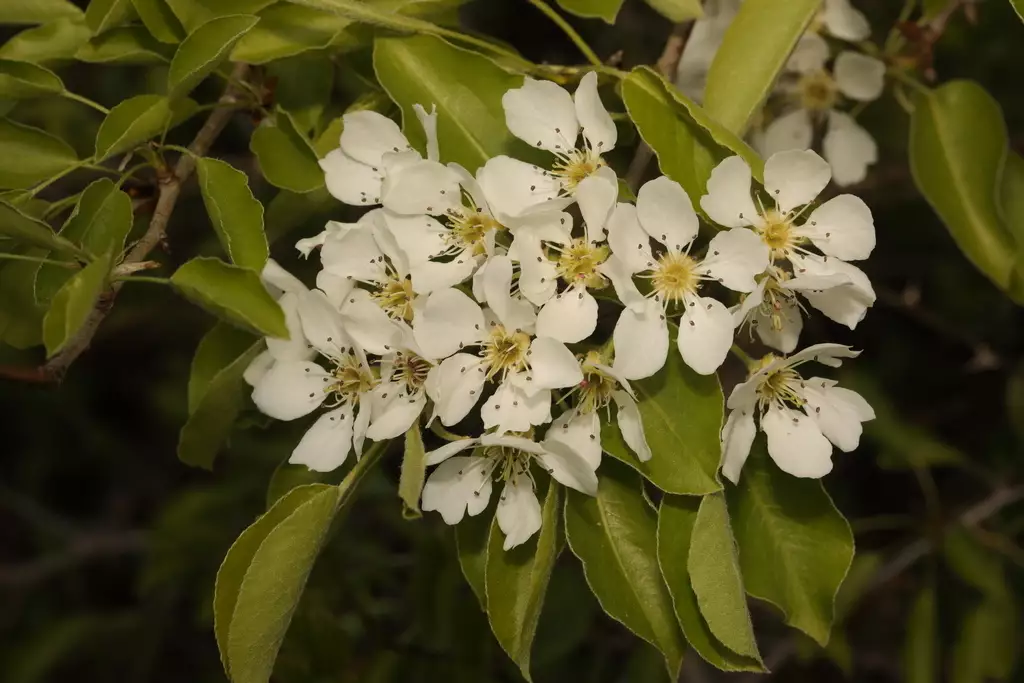
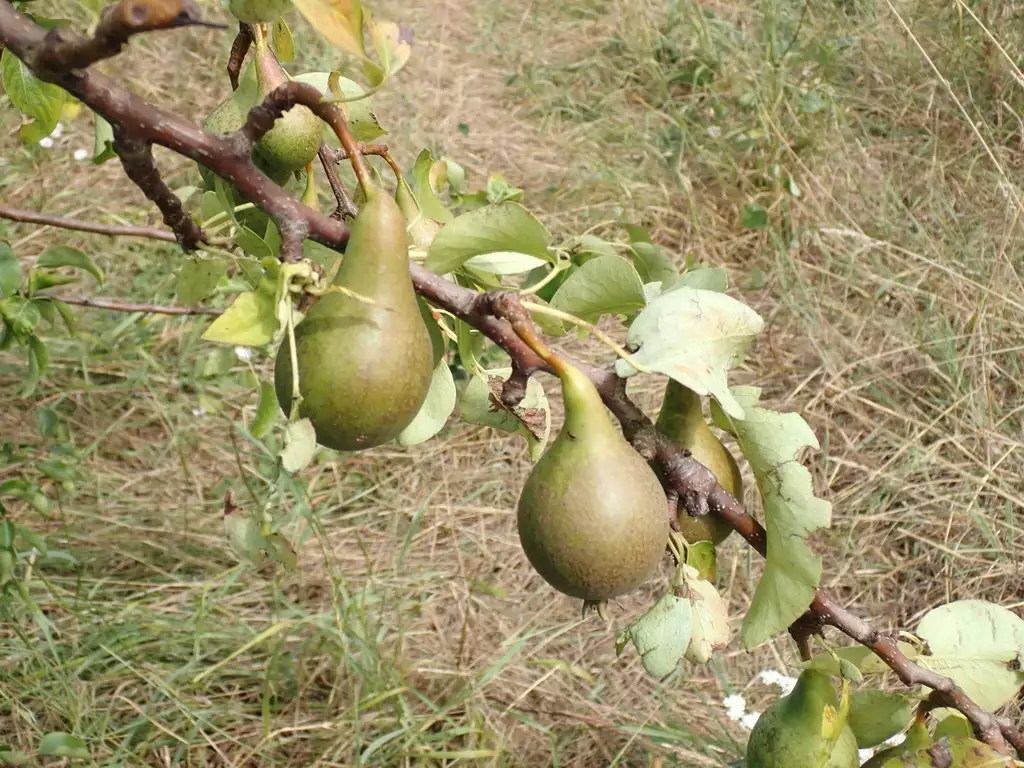
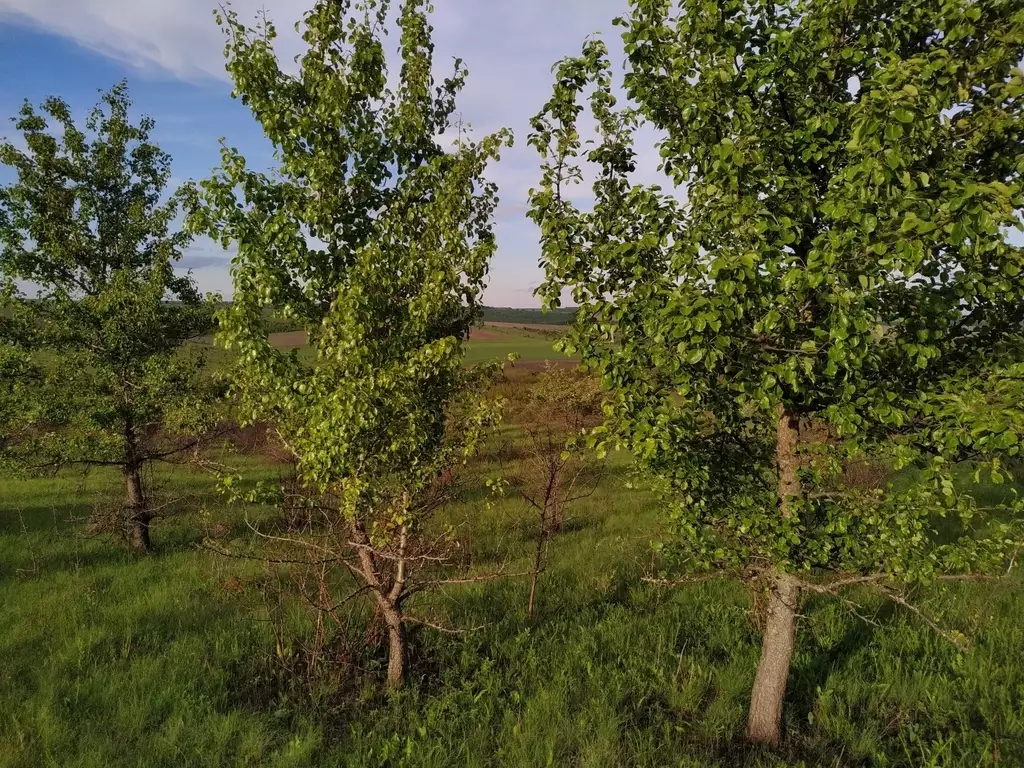
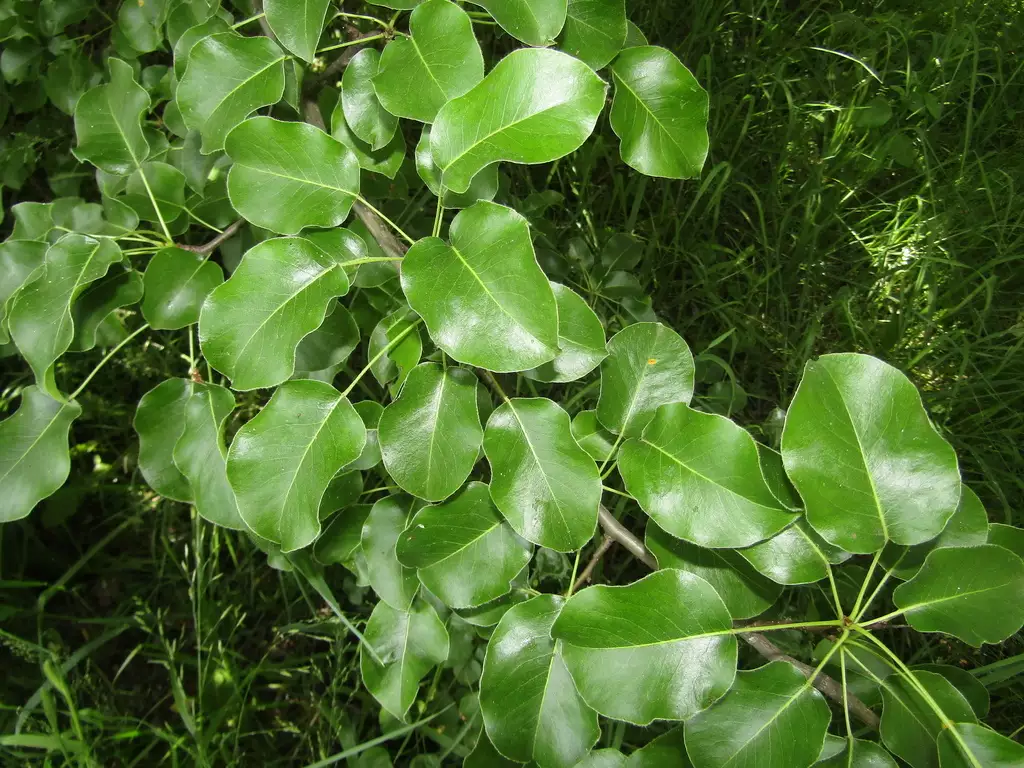
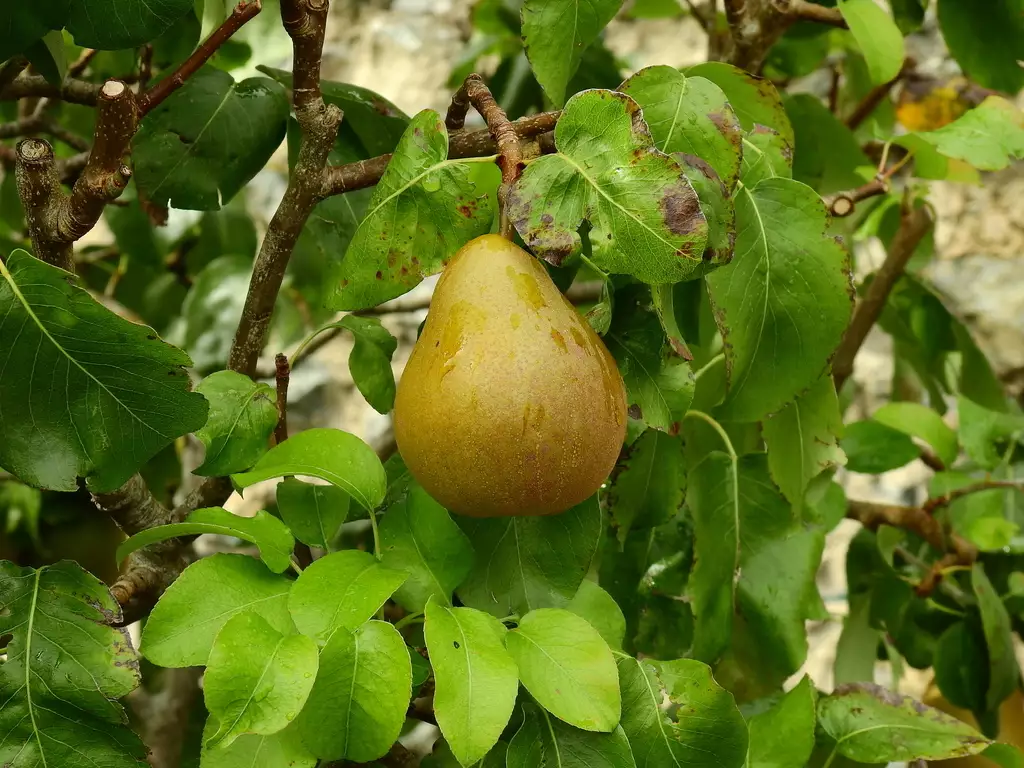
Discover the charm and abundance of Pyrus communis, commonly known as Common Pear or European Pear, a deciduous member of the Rosaceae family. Originating from an expansive native range stretching from Europe to Northern Iraq, this versatile fruit tree is a staple in gardens and orchards with its towering height of 40 to 50 feet and a spread of up to 35 feet. Perfect for both ornamental and practical use, it flaunts lustrous dark green leaves that transform into stunning red and yellow shades in the fall, paired with clusters of fragrant, white blooms that enchant pollinators like butterflies and bees.
Cultivated for its delightful, teardrop-shaped fruit, Common Pear thrives in well-drained humus loams and tolerates a variety of soil types, including heavier clays, making it exceptionally adaptable. With a bloom period from March to April, it benefits immensely from full sun exposure. For optimal fruit production, plant multiple varietals to encourage cross-pollination. It is considered the ancestor of most orchard pear cultivars, and is used for rootstock.
Despite its irresistible allure, be mindful of susceptibility to fireblight, anthracnose, and pests like pear psylla and coddling moth. Regular maintenance, such as careful pruning and monitoring, ensures a healthy yield. Enjoy this tree in numerous landscapes—whether gracing a meadow, adorning an edible garden, or as a standout flowering tree—as it lends both beauty and bounty, offering an array of uses from fresh consumption to culinary applications. With well-chosen cultivars, transform any garden into a vibrant haven brimming with life and luscious fruit.