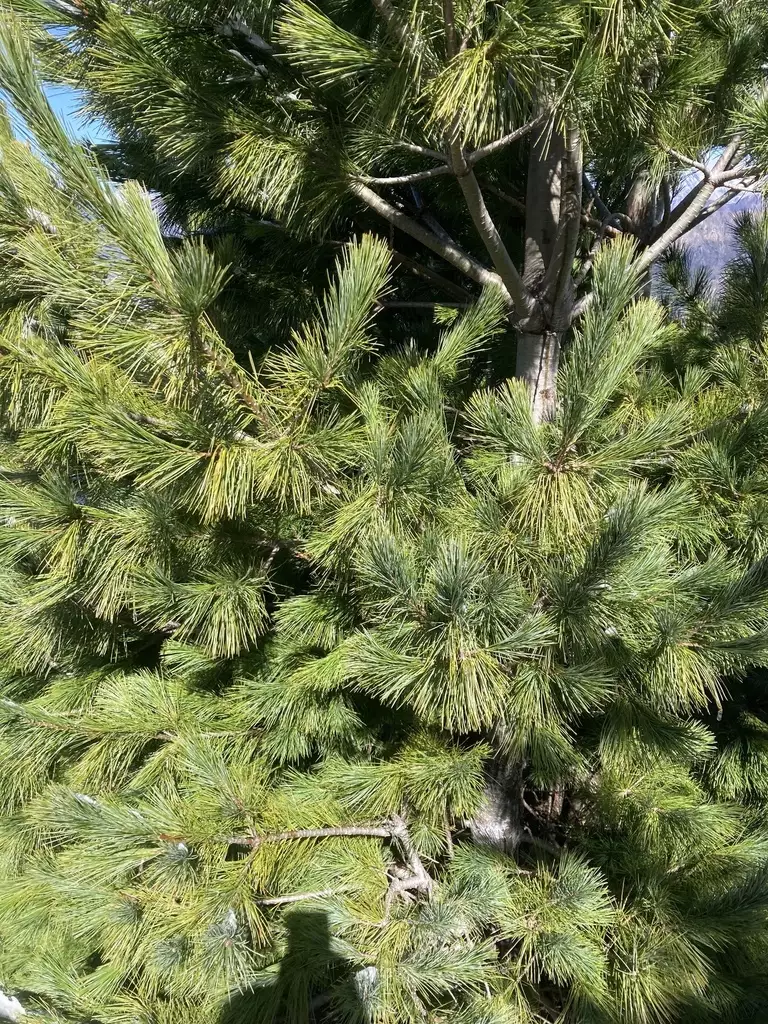
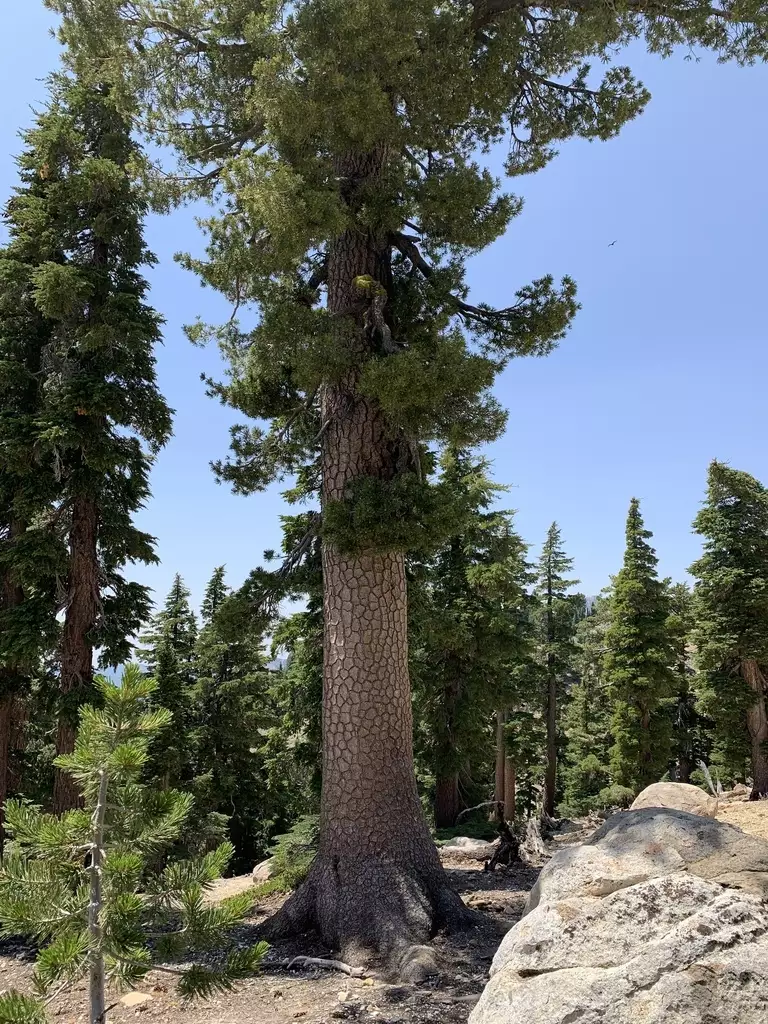
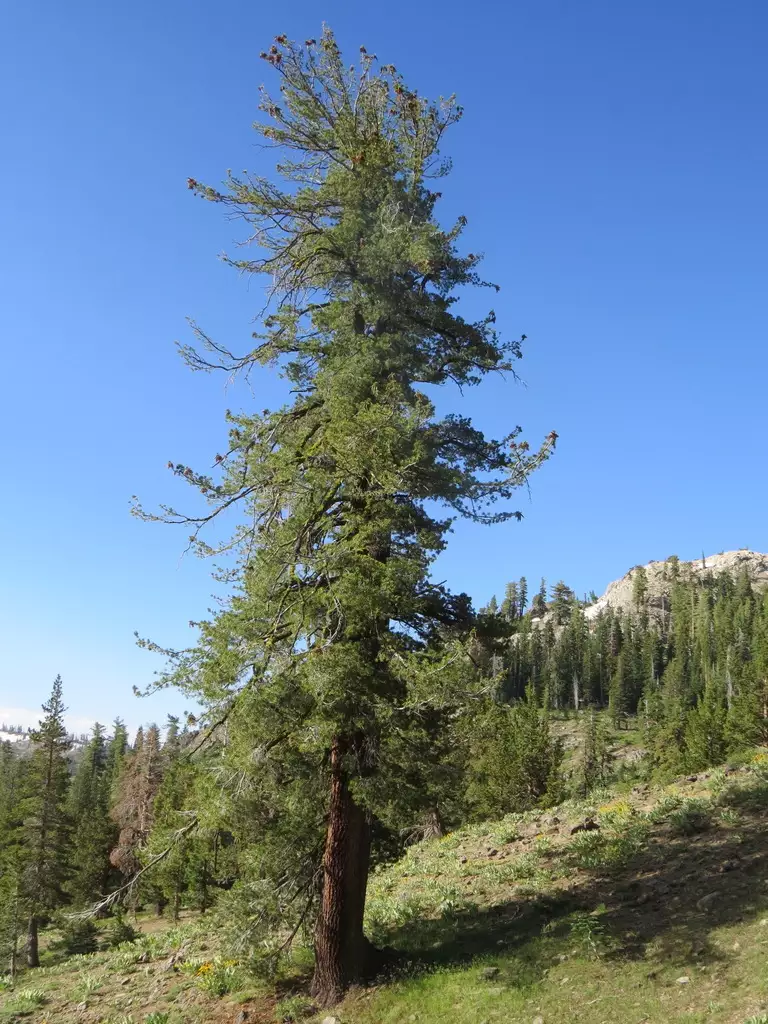
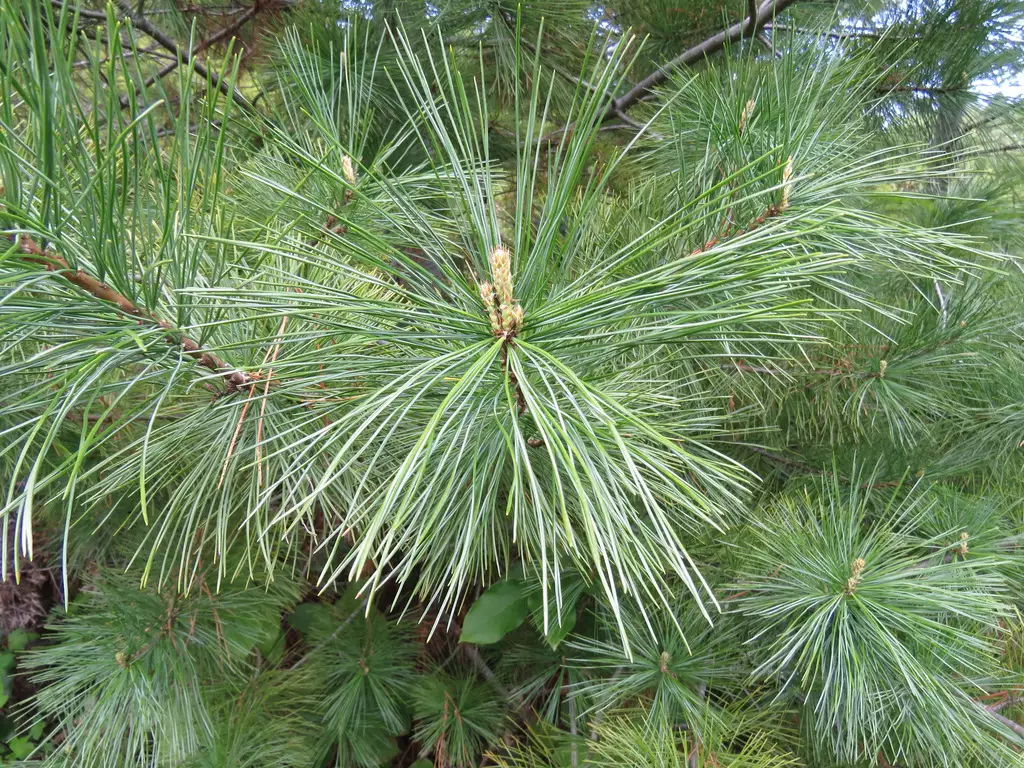
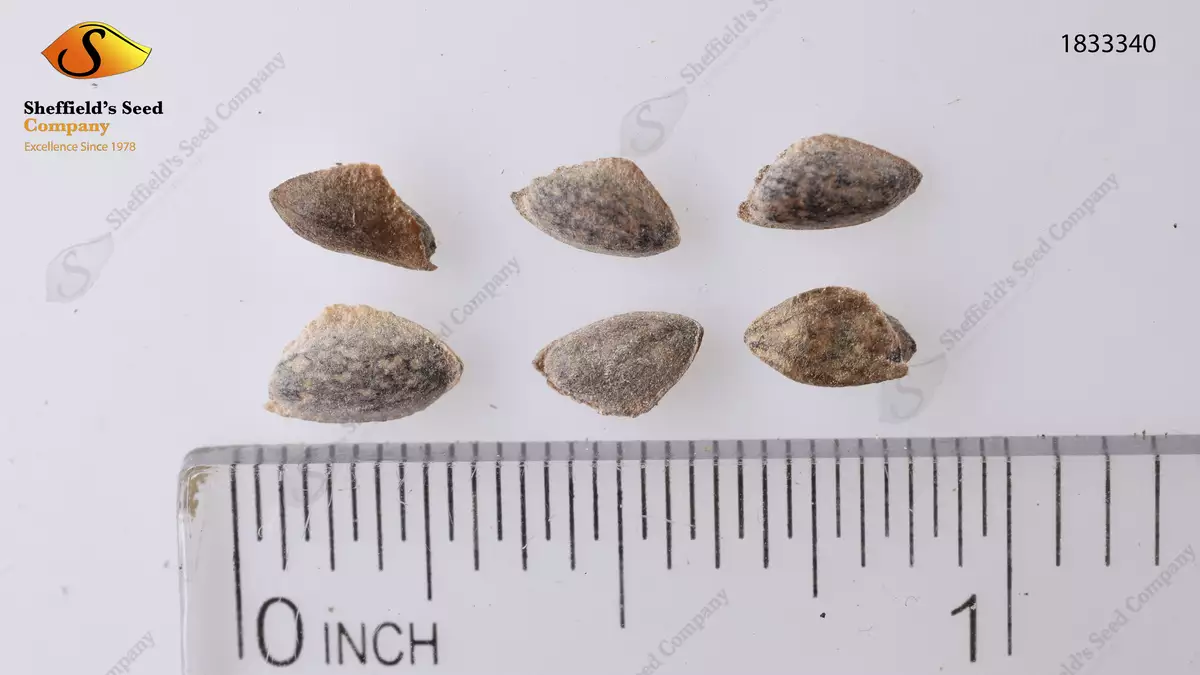
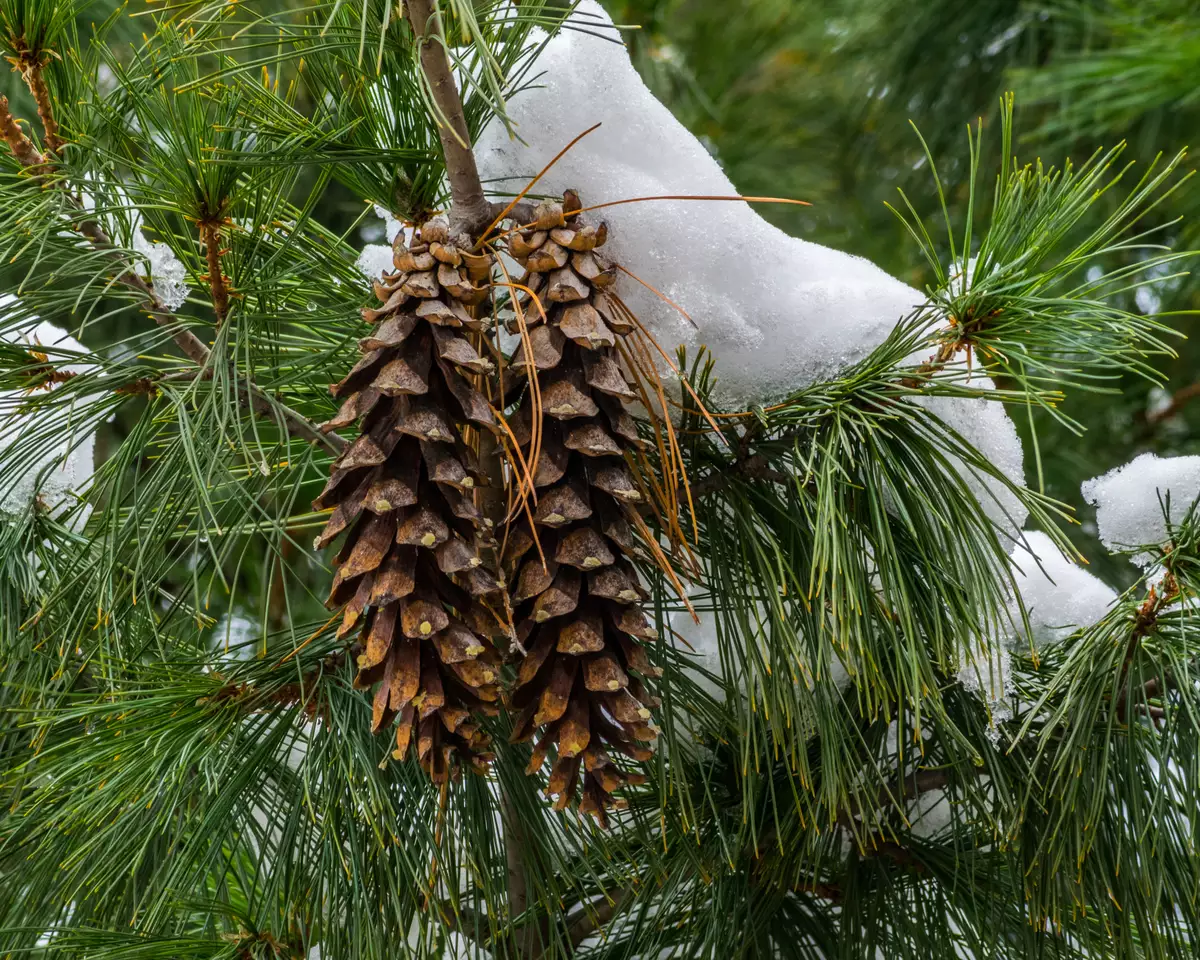
Pinus monticola, commonly known as Western White Pine, is a majestic evergreen conifer native to the lush landscapes of Western North America, from British Columbia to the Sierra Nevada in California. A striking feature in any forest or garden, this towering tree reaches impressive heights of 70-200 feet with a narrow, open conical crown when densely grouped, or a broader, spreading form when exposed. Its distinguishing blue-green needles, held in clusters of five, contrast beautifully against its gray to reddish-brown, furrowed bark, adding a unique texture to its aesthetic appeal. Noteworthy for its elegance and resilience, Western White Pine thrives in USDA zones 3b-9b, flourishing in conditions ranging from moist montane forests to sandy, well-drained soils in full sun or partial shade.
Renowned for its high-quality timber, this pine is ideal for various uses, including matchwood production, due to its uniform, knot-free wood. Furthermore, it serves an integral ecological role by providing habitat to a plethora of wildlife. This storied tree, which can live over 400 years, faces challenges such as the invasive white pine blister rust but remains a symbol of enduring beauty and strength. Whether for its towering presence, ornamental value, or ecological significance, the Western White Pine is a treasured addition to any natural setting.