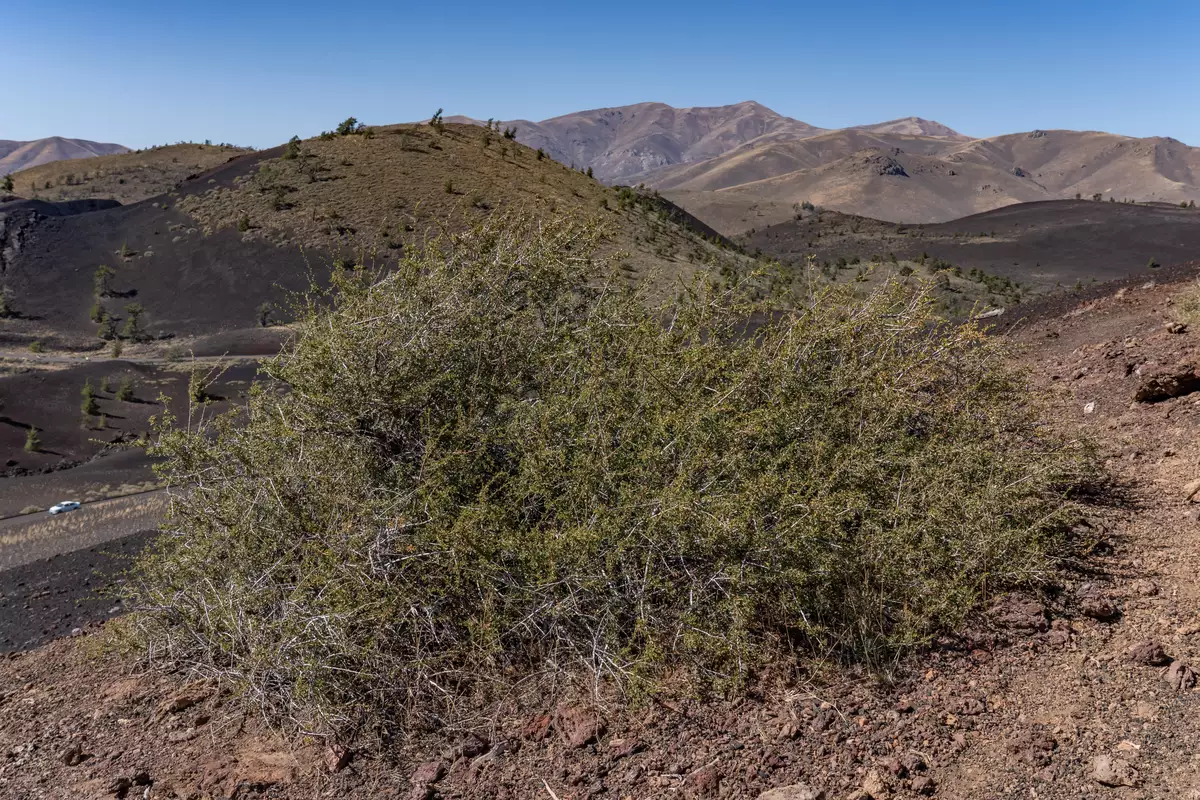
Discover the resilient allure of Purshia tridentata, popularly known as Antelope Bitterbrush, a striking member of the Rosaceae family that thrives in the rugged terrains of western North America. This versatile shrub, often essential for wildlife, plays a vital role in arid ecosystems, offering shelter and sustenance to creatures like antelope. Its adaptability to harsh desert conditions is remarkable, boasting water-loss resistant leaves and formidable taproots, allowing some plants to thrive for over a century.
A standout in landscapes ranging from Nevada's wild expanses to the scenic slopes of the intermountain West, Antelope Bitterbrush captivates with its unique structure. It varies from prostrate forms to nearly tree-like stature, with distinct three-toothed leaves and petite yellow flowers reminiscent of wild roses. Not just a boon to wildlife, this hardy species serves well in rangeland restoration and can be a distinctive addition to gardens with well-drained soils.
Renowned under several names, including Antelope Brush and Quinine Brush, this nitrogen-fixing shrub flourishes from British Columbia to New Mexico. Whether used by Native Americans for traditional medicine or harvested as firewood, Antelope Bitterbrush is not only a testament to nature's resilience but also its resourcefulness. Suitable for USDA Zone 3 and tolerant of dry, sunny sites, it offers a vibrant touch to diverse settings, promising longevity and ecological harmony.