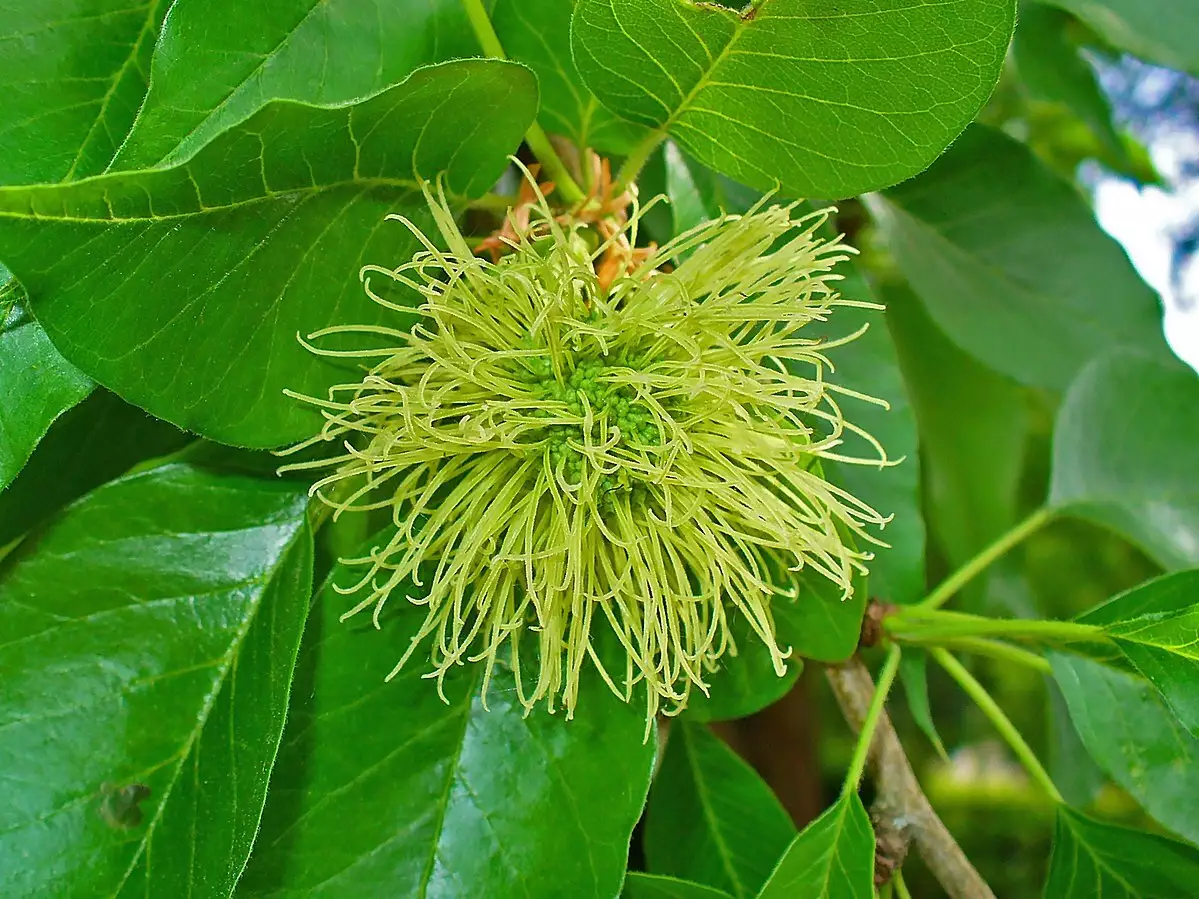
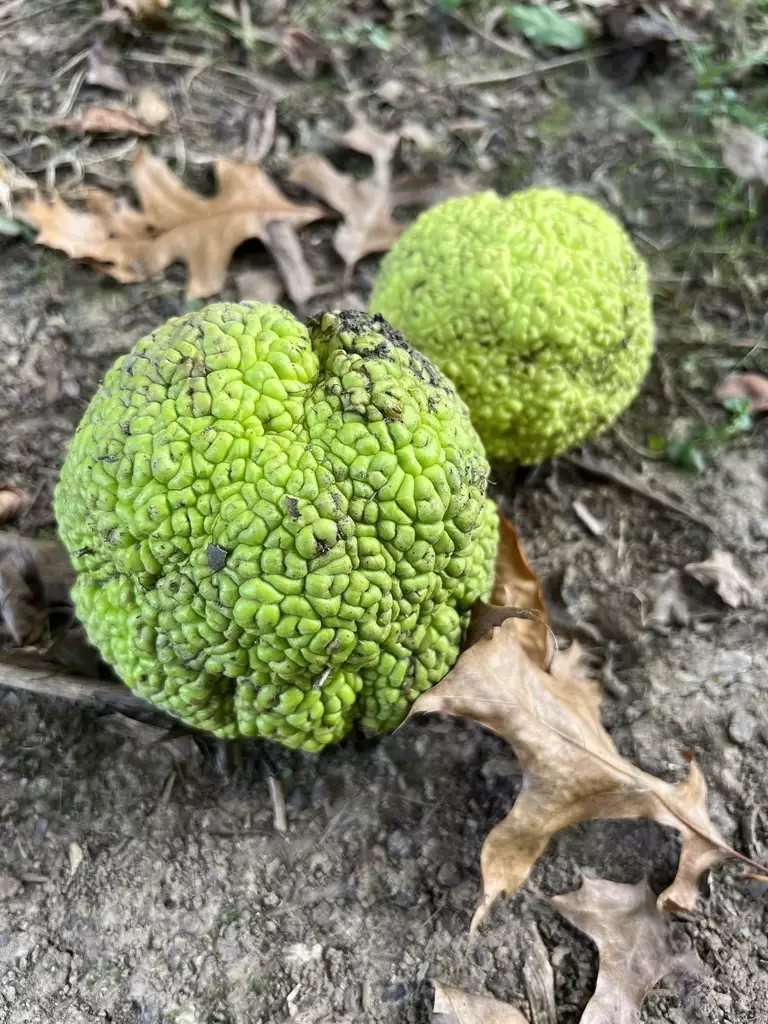
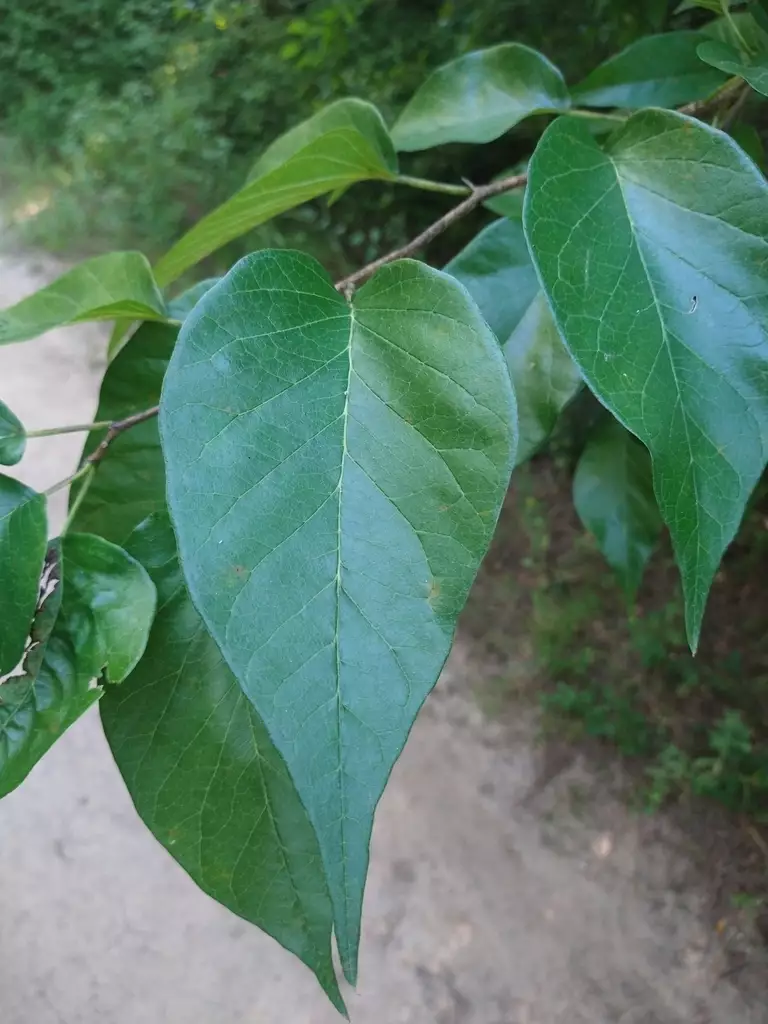
Discover the fascinating Maclura pomifera, commonly known as Osage Orange, Bodark, Bois D’Arc, Hedge Apple, and Horse Apple. This rugged deciduous tree, native to the central southern United States, has a rich history and unique characteristics that make it a standout choice for specific landscaping needs. It's admired for its vibrant orange-brown bark, glossy dark green leaves, and large, grapefruit-like fruits that turn heads in September and October. Despite its misleading name, Osage Orange belongs to the mulberry family, not oranges, and boasts a lineage that crisscrosses intriguing historical narratives.
Historically celebrated for its impenetrable thorns and dense growth, Maclura pomifera was used extensively as a living fence by early settlers and planted by the WPA in the 1930s to combat soil erosion. As windbreaks and property hedges, male Osage Orange trees offer impressive resilience to poor soils, drought, wind, and heat. Ideal for full sun exposure, they transform into robust, low-maintenance barriers or shade trees, adaptable to diverse environments. While female trees produce sizable inedible fruits, male trees promise a mostly thornless existence, thus reducing litter and enhancing garden aesthetics. Experience the enduring legacy and remarkable resilience of Osage Orange, a testament to nature's adaptability and timeless utility.











.jpg)
