0


Close
1 / 6
2 / 6

AdobeStock

3 / 6
4 / 6
6 / 6

Growing Info

Scarification
Scarification: Soak in water, let stand in water for 24 hours
Stratification
Stratification: cold stratify for 60 days
Germination
Germination: sow seed 1/16" deep, tamp the soil, mulch the seed bed

Other: Cold Stratify from 30 to 90 days 

Native to: British Columbia, California, Colorado, Idaho, Mexico Northwest, Montana, Oregon, Washington
Native
Introduced

Lonicera involucrata

Twinberry, Twinberry Honeysuckle

In Stock: 0.193 lb (Total:0.193lb)
  • Lonicera involucrata

    All items have bulk rates priced in
select i.*, as2.state_abbr from inventory_item_manage i left outer join sheffields_2017.address_states as2 on (as2.state_name = i.CollectionLocale or as2.state_abbr = i.CollectionLocale) where i.inventory_id = '2264' group by i.id

Buying options

0.19 lb
CA

Details

Germination:
91%
Germination test:
Cut (Full Seed)
Purity:
99%
Seeds per lb:
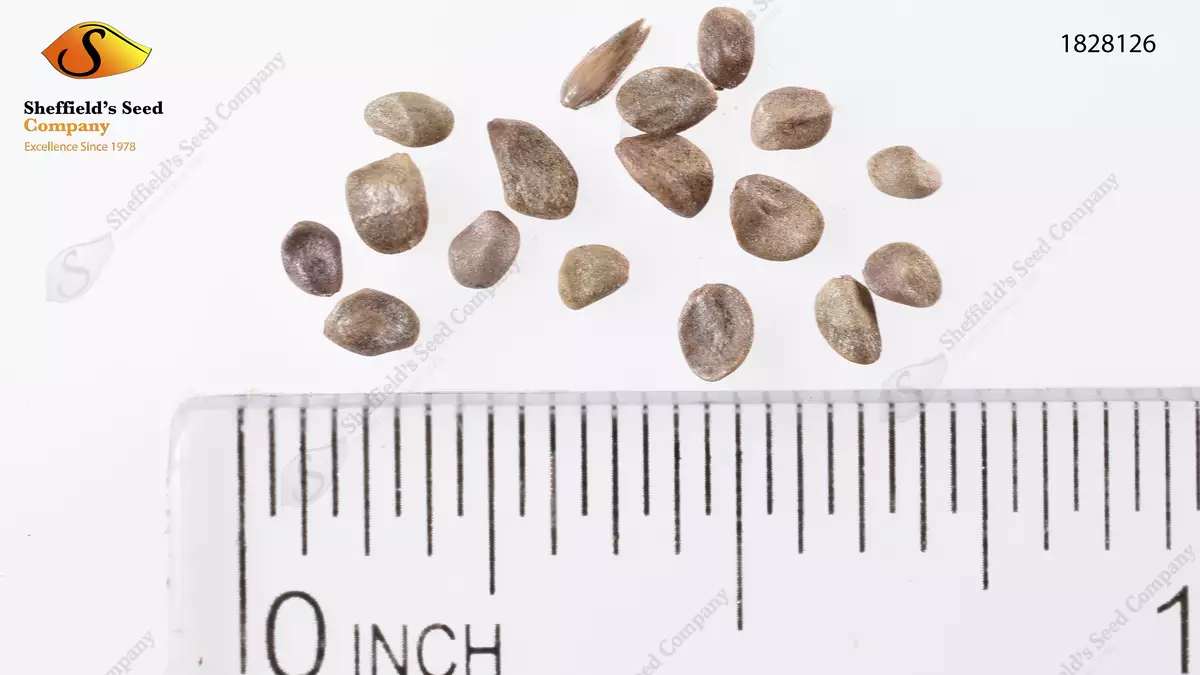
294,690
Quantity:
0.19 lb
Collected in:
California
Crop year:
2020
Min. hardiness zone:
4
Item ID:
1828126

Growing Info

Scarification
Scarification: Soak in water, let stand in water for 24 hours
Stratification
Stratification: cold stratify for 60 days
Germination
Germination: sow seed 1/16" deep, tamp the soil, mulch the seed bed

Other: Cold Stratify from 30 to 90 days 

Native to: British Columbia, California, Colorado, Idaho, Mexico Northwest, Montana, Oregon, Washington
Native
Introduced
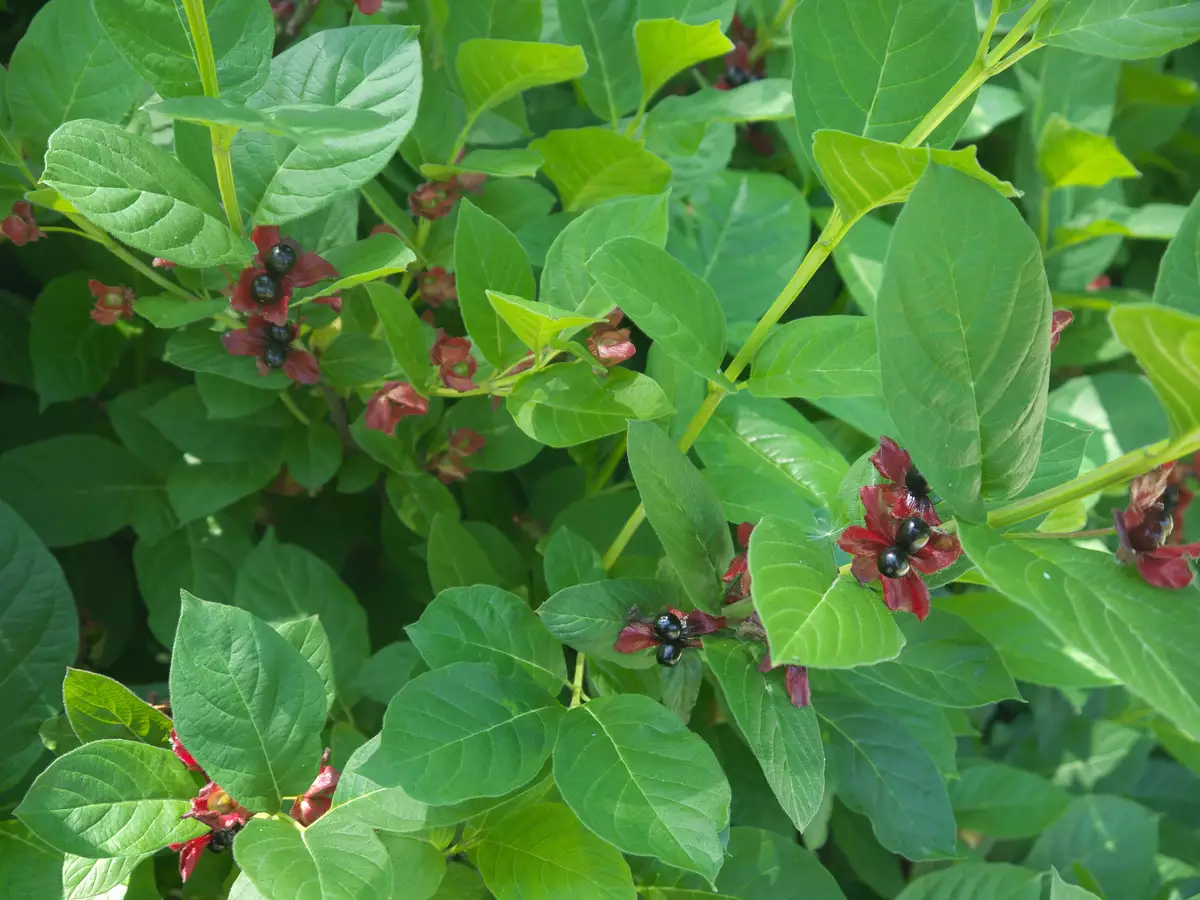
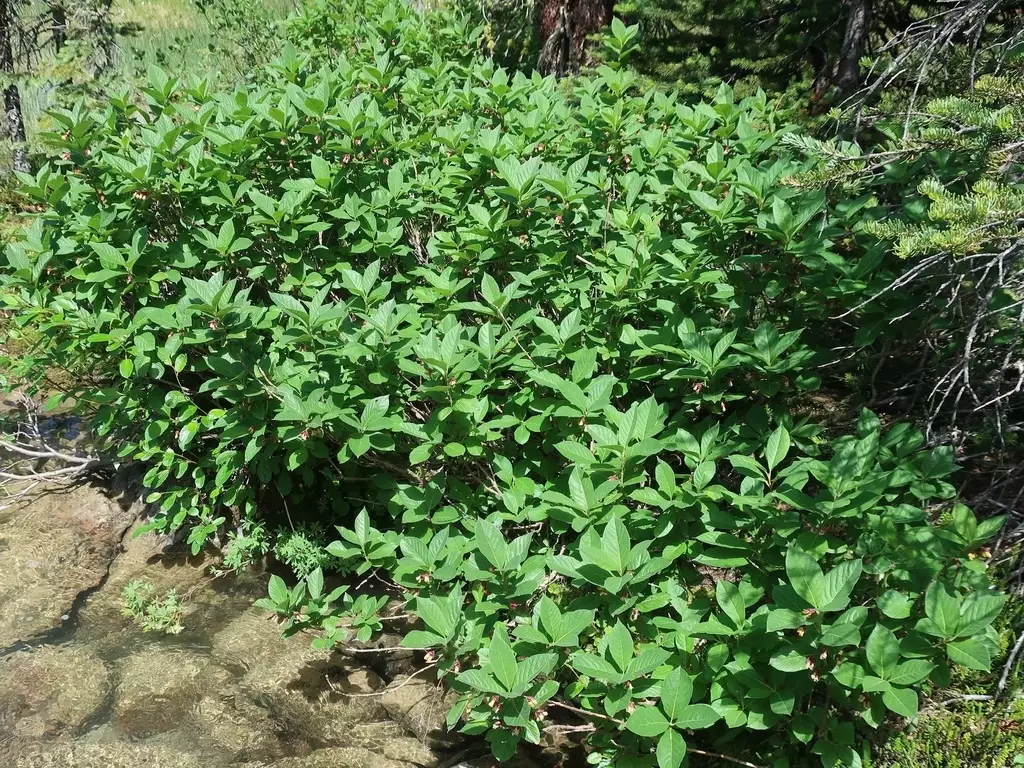
Discover the captivating allure of Lonicera involucrata, known as Twinberry or Twinberry Honeysuckle. This striking deciduous shrub, a member of the Caprifoliaceae family, is native to broad regions of North America, reaching from the verdant forests of Alaska to the sun-drenched expanses of Mexico. Twinberry thrives in a variety of conditions, adaptable from full sun to partial shade, making it an ideal candidate for diverse garden settings.

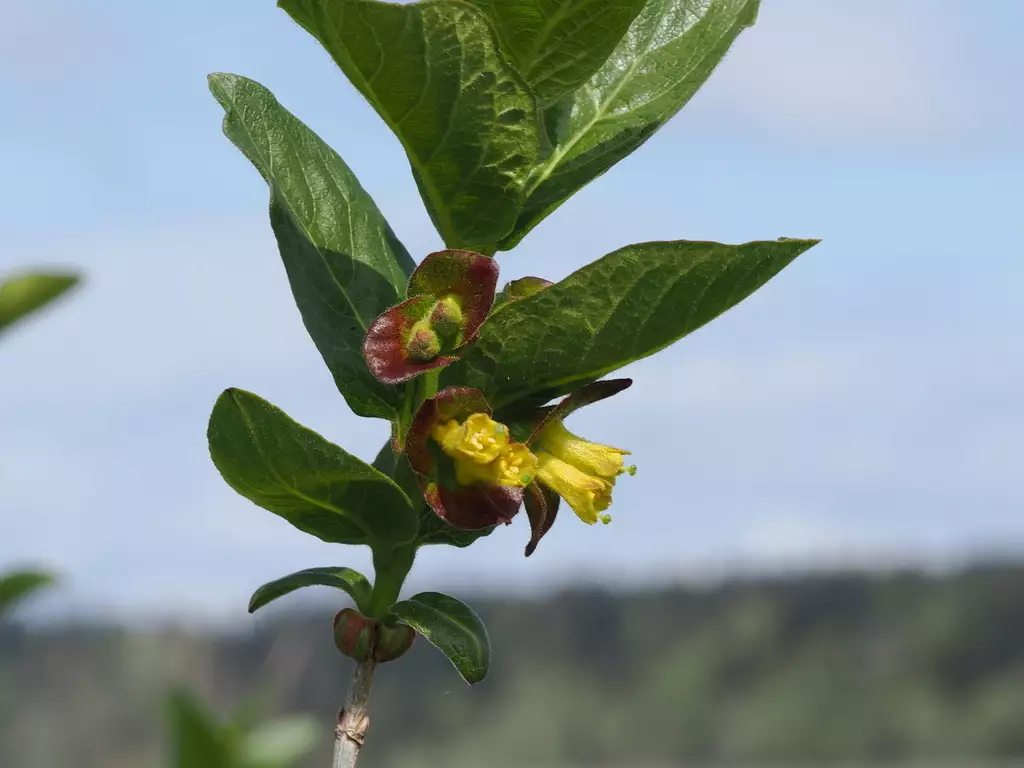
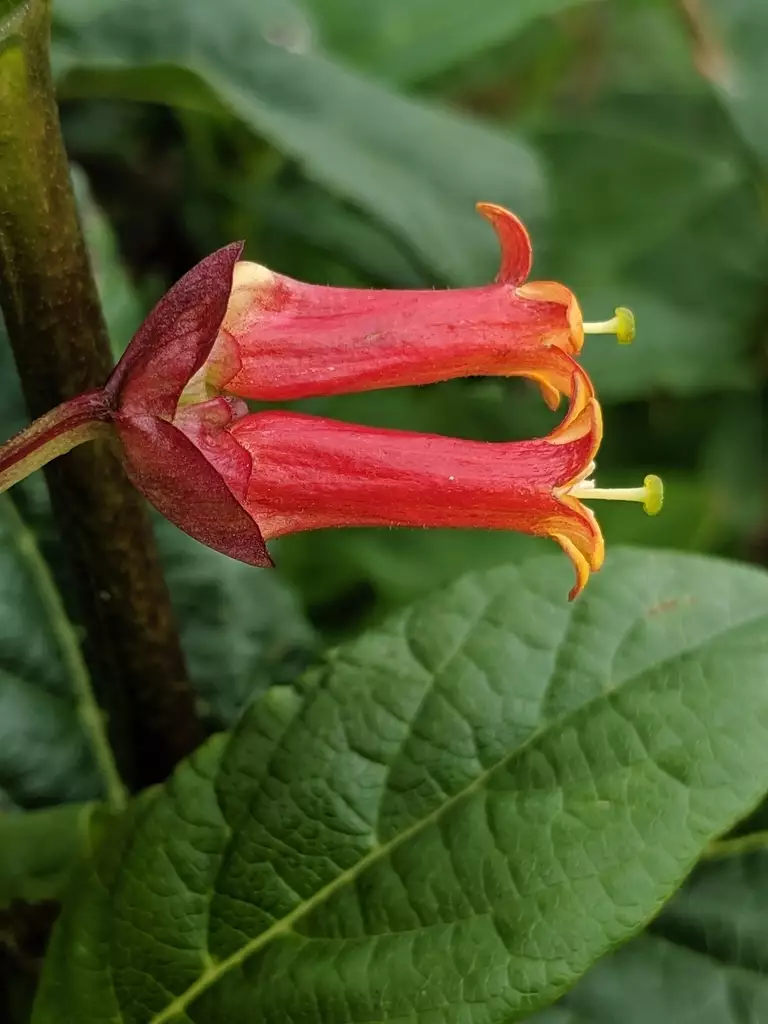
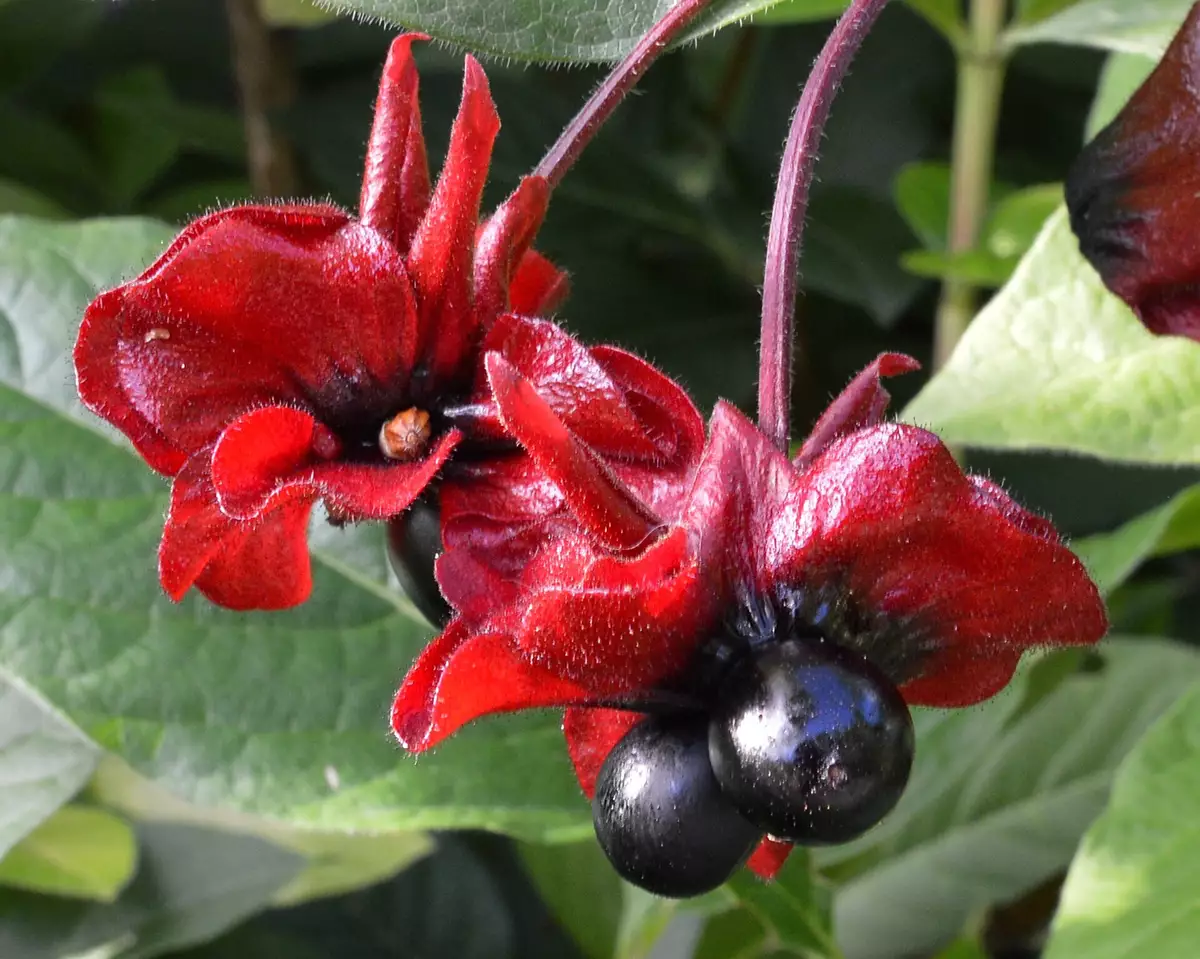
Growing to heights of 6 to 10 feet with a spread of equal dimension, Twinberry's growth is upright and moderately fast. Its bright green, elliptical leaves, which shimmer in sunlight, offer a lush backdrop to the brilliant tubular flowers that bloom in late spring through summer. These flowers appear in pairs, featuring stunning yellow hues tinged with red, and are surrounded by vibrant green bracts that mature to a striking red, creating a visual feast.

Twinberry is not just a visual splendor; it supports biodiversity by attracting bees, butterflies, and hummingbirds, while its dark purple-black berries provide sustenance for birds and small mammals. Although technically edible, its berries are best left to winged visitors due to their astringent taste. Resistant to Hardy USDA Zone 4 conditions, this shrub excels in moist, well-drained soils and can naturalize to form colonies, perfect for erosion control or as a natural hedge. Whether used for its ornamental beauty or ecological benefits, Twinberry adds a rich, texture-filled dimension to any landscape.

You might also like

Prunus americana

Prunus americana

American Plum, Common Wild Plum, Wild Plum

Viburnum lentago

Viburnum lentago

Nannyberry

Holodiscus discolor

Holodiscus discolor

Cream Bush, Ocean Spray

Amelanchier alnifolia var. Smokey

Amelanchier alnifolia var. Smokey

Saskatoon Berry, Saskatoon Serviceberry

(315) 497-1058
269 NY-34 Locke NY 13092
seed@sheffields.com

HOME - logo

Find us on: