0


Close
1 / 6
2 / 6

AdobeStock

6 / 6

AdobeStock

Growing Info

Scarification
Scarification: none required
Stratification
Stratification: none required
Germination
Germination: sow seed 1/4" deep, tamp the soil, mulch the seed bed

Native to: Europe, France, Germany, United Kingdom
Native
Introduced

Dipsacus sativus

Cultivated Teasel, Fuller's Teasel, Indian Teasel

In Stock: 1.175 lb (Total:1.175lb)
  • Dipsacus sativus

    All items have bulk rates priced in
select i.*, as2.state_abbr from inventory_item_manage i left outer join sheffields_2017.address_states as2 on (as2.state_name = i.CollectionLocale or as2.state_abbr = i.CollectionLocale) where i.inventory_id = '698116' group by i.id

Buying options

1.18 lb

Details

Germination:
98%
Germination test:
Cut (Full Seed)
Purity:
99%
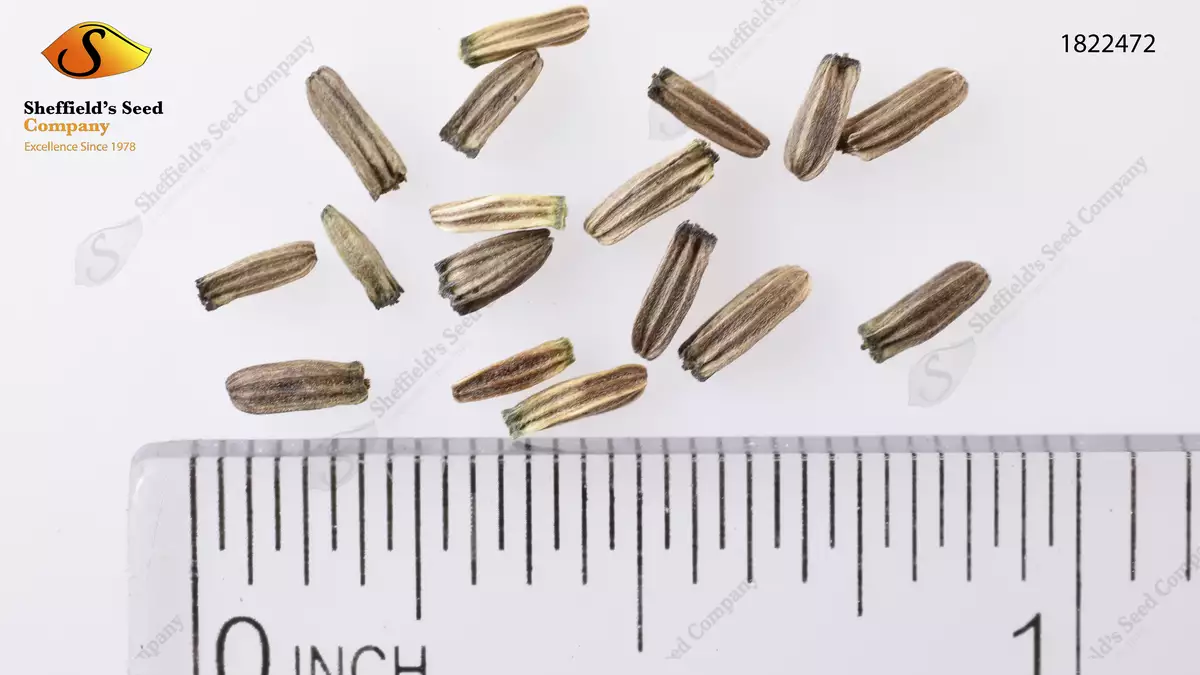
Seeds per lb:
144,164
Quantity:
1.18 lb
Collected in:
Netherlands
Crop year:
2025
Min. hardiness zone:
4
Item ID:
1836998

Growing Info

Scarification
Scarification: none required
Stratification
Stratification: none required
Germination
Germination: sow seed 1/4" deep, tamp the soil, mulch the seed bed

Native to: Europe, France, Germany, United Kingdom
Native
Introduced
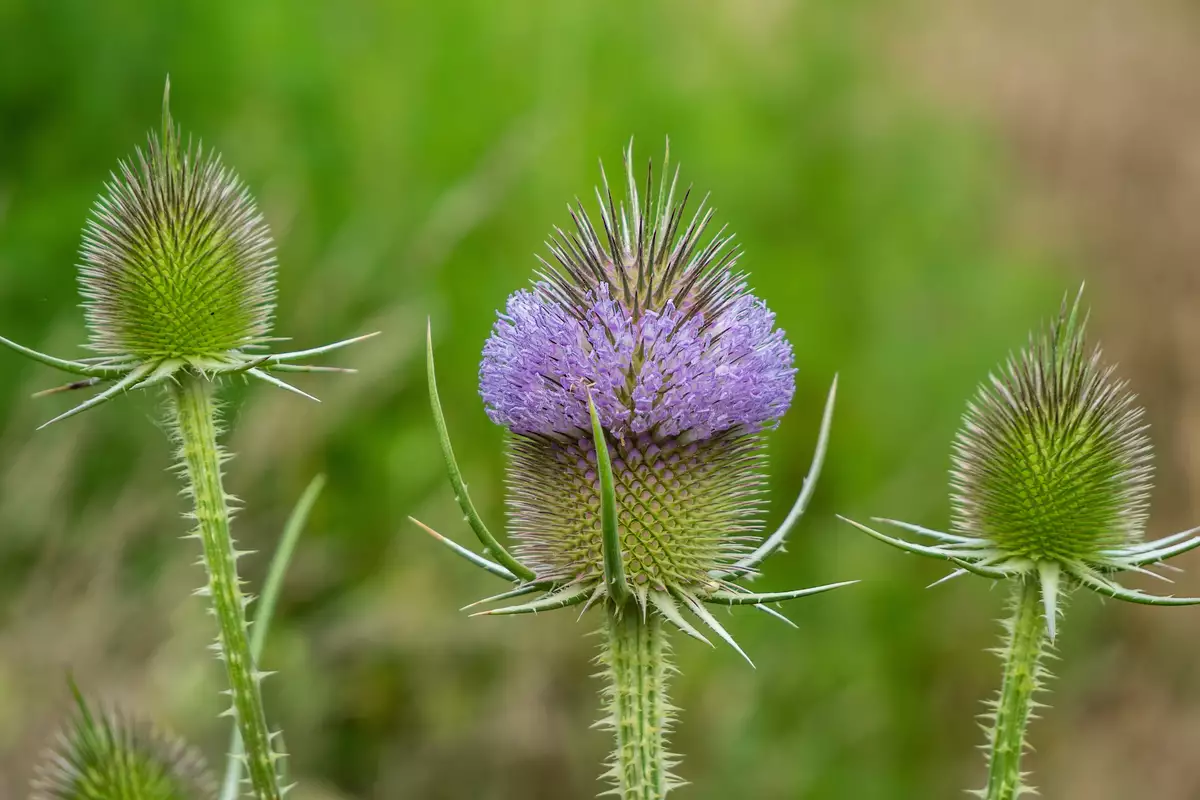
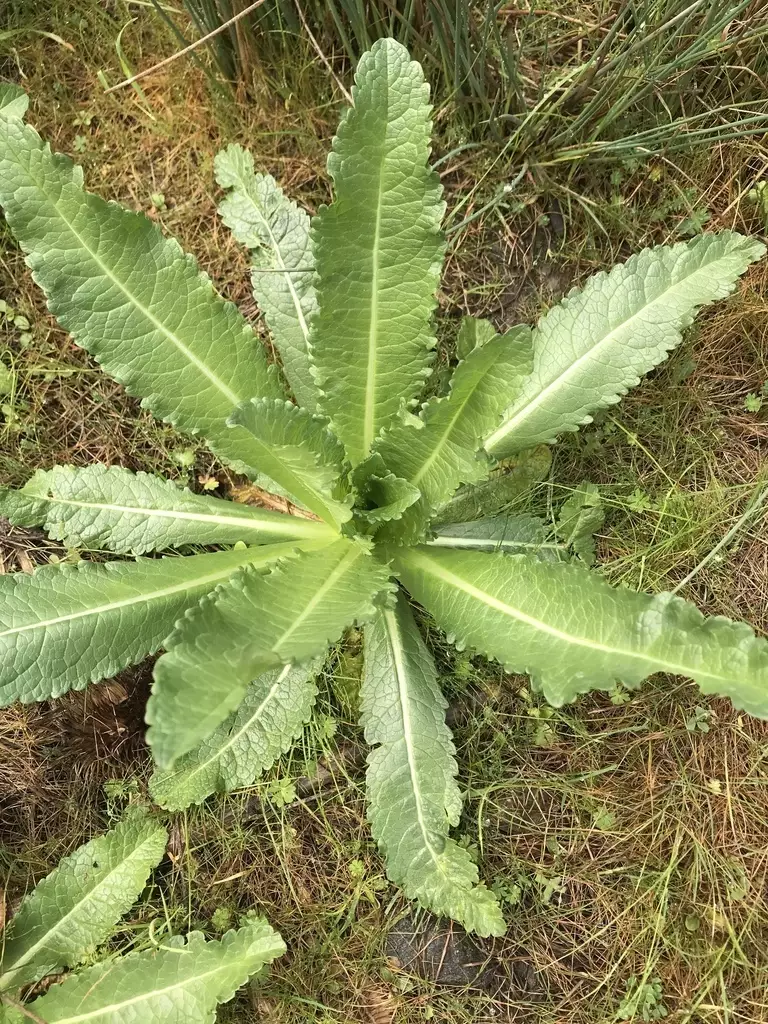
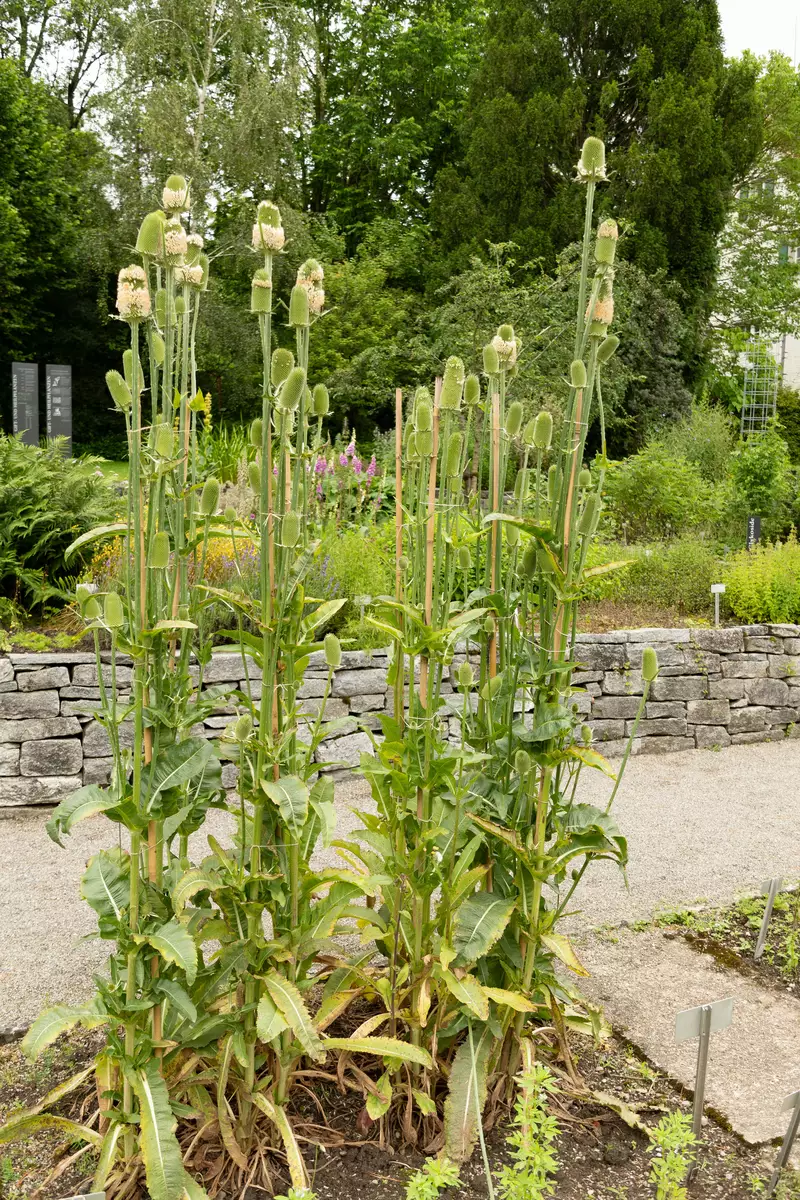
Discover the fascinating allure of Dipsacus sativus, commonly known as Fuller's or Indian Teasel, an extraordinary biennial plant celebrated for its historical significance and garden appeal. Flourishing in USDA Zones 4 to 8, this robust member of the Dipsacaceae family thrives in moderately fertile, well-drained soils under full sun to partial shade. Growing to an impressive height of 48 to 96 inches, with a spread of 18 to 36 inches, its bright green, prickly foliage and persistent branching stems make it a captivating landscape feature.

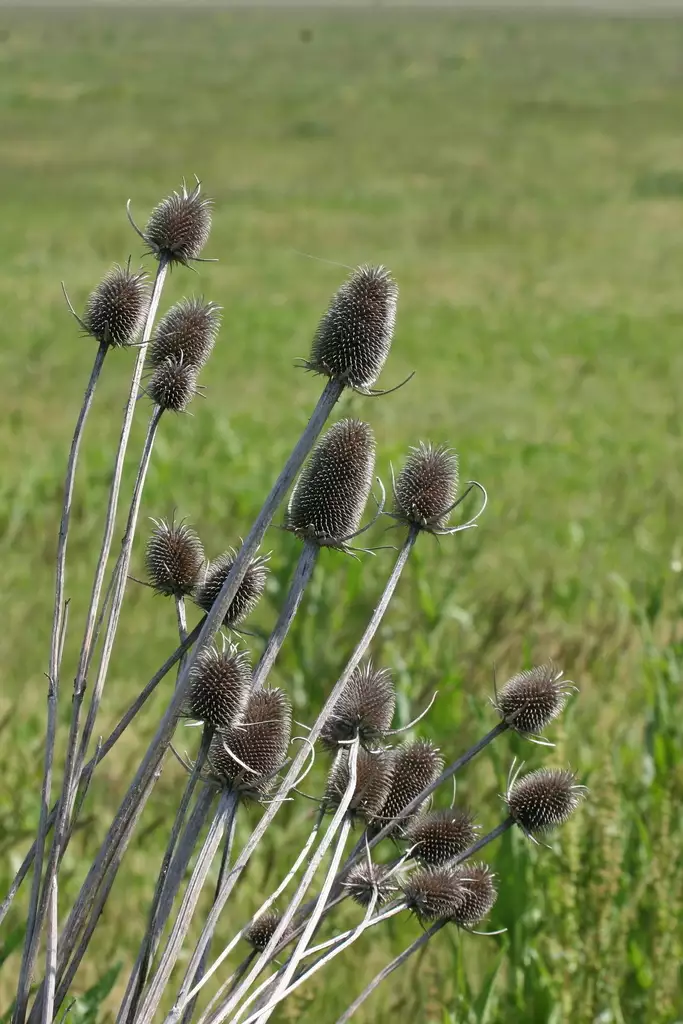
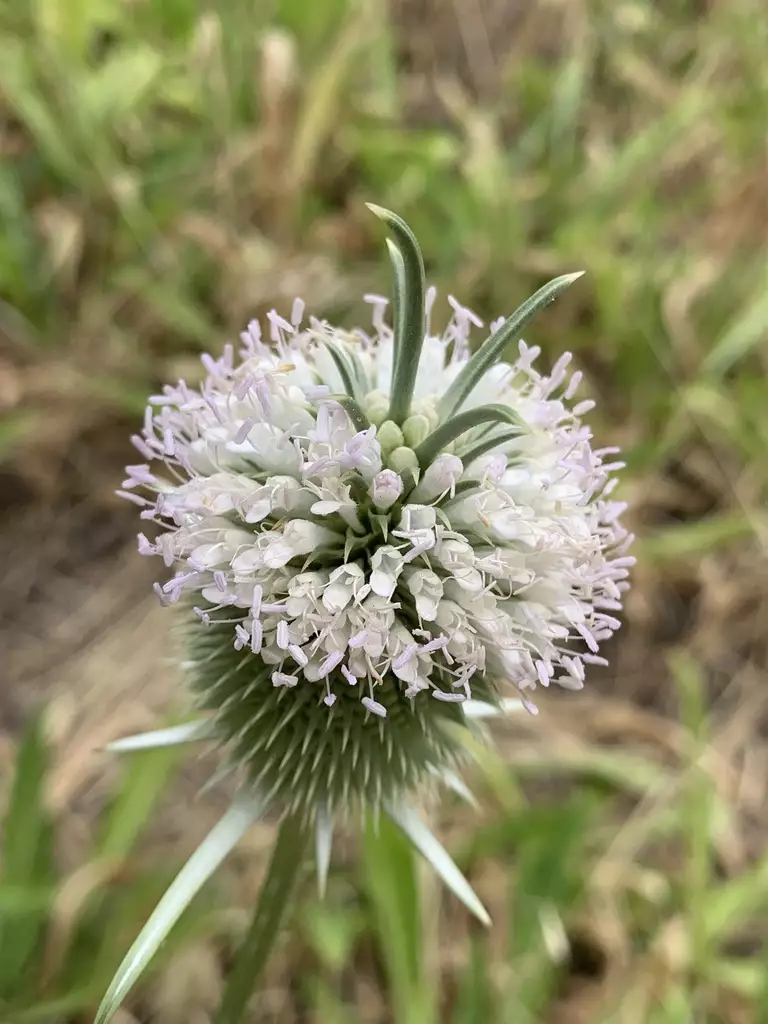
Once integral to the textile industry, its spiny flower heads were utilized in "fulling" – the gentle process of raising the nap on woolen fabrics. These bristly, cylindrical flower heads bloom with small white flowers from July to August, later transforming into intriguing seed heads adored by florists and birds like goldfinches. Deer-resistant and easy to grow, Dipsacus sativus is perfect for adding a touch of history and natural beauty to your garden, offering both visual interest and ecological benefits. Harvest or let them dry naturally for a stunning dried arrangement or garden display.

You might also like

Aronia melanocarpa

Aronia melanocarpa

Black Chokeberry, Black-seeded Chokeberry

Artemisia absinthium

Artemisia absinthium

Absinthe, Absinthium, Common Wormwood

Papaver somniferum

Papaver somniferum

Opium Poppy

Xerophyllum tenax

Xerophyllum tenax

Bear Grass, Bear Lily, Elk Grass, Indian Basket Grass, quip-quip, Soap Grass, Squaw Grass, Western Turkeybeard

(315) 497-1058
269 NY-34 Locke NY 13092
seed@sheffields.com

HOME - logo

Find us on: