Stratification: warm stratify for 30 days, cold stratify for 30 days
Germination: sow seed 1/16" deep, tamp the soil, mulch the seed bed
Native to: Afghanistan, Alberta, Altay, Amur, Arizona, Baltic States, Belarus, Borneo, British Columbia, Buryatiya, California, Central European Rus, China North-Central, China South-Central, China Southeast, Chita, Colorado, East European Russia, East Himalaya, Gulf States, Hainan, Idaho, Illinois, India, Inner Mongolia, Iowa, Iran, Iraq, Irkutsk, Japan, Jawa, Kansas, Kazakhstan, Khabarovsk, Kirgizstan, Krasnoyarsk, Krym, Kuwait, Lebanon-Syria, Magadan, Malaya, Manchuria, Manitoba, Mexico Central, Mexico Gulf, Mexico Northeast, Mexico Northwest, Mexico Southeast, Mexico Southwest, Minnesota, Missouri, Mongolia, Montana, Myanmar, Nebraska, Nepal, Netherlands, Nevada, New Mexico, New York, North Caucasus, North Dakota, North European Russi, Northwest European R, Northwest Territorie, Oklahoma, Oman, Ontario, Oregon, Pakistan, Palestine, Philippines, Portugal, Primorye, Qinghai, Saskatchewan, Saudi Arabia, South Dakota, South European Russi, Spain, Sri Lanka, Tadzhikistan, Taiwan, Texas, Tibet, Transcaucasus, Turkey, Turkmenistan, Tuva, Ukraine, Utah, Uzbekistan, Vermont, Vietnam, Washington, West Himalaya, West Siberia, Wisconsin, Wyoming, Xinjiang, Yakutskiya, Yemen, Yukon
Introduced to: Alaska, Austria, Bulgaria, Czechoslovakia, France, Germany, Great Britain, Hungary, Italy, Mauritius, New Zealand North, New Zealand South, Norway, Poland, Romania, Sardegna, Switzerland, Yugoslavia
select i.*, as2.state_abbr
from inventory_item_manage i
left outer join sheffields_2017.address_states as2 on (as2.state_name = i.CollectionLocale or as2.state_abbr = i.CollectionLocale)
where i.inventory_id = '244'
group by i.id
Stratification: warm stratify for 30 days, cold stratify for 30 days
Germination: sow seed 1/16" deep, tamp the soil, mulch the seed bed
Native to: Afghanistan, Alberta, Altay, Amur, Arizona, Baltic States, Belarus, Borneo, British Columbia, Buryatiya, California, Central European Rus, China North-Central, China South-Central, China Southeast, Chita, Colorado, East European Russia, East Himalaya, Gulf States, Hainan, Idaho, Illinois, India, Inner Mongolia, Iowa, Iran, Iraq, Irkutsk, Japan, Jawa, Kansas, Kazakhstan, Khabarovsk, Kirgizstan, Krasnoyarsk, Krym, Kuwait, Lebanon-Syria, Magadan, Malaya, Manchuria, Manitoba, Mexico Central, Mexico Gulf, Mexico Northeast, Mexico Northwest, Mexico Southeast, Mexico Southwest, Minnesota, Missouri, Mongolia, Montana, Myanmar, Nebraska, Nepal, Netherlands, Nevada, New Mexico, New York, North Caucasus, North Dakota, North European Russi, Northwest European R, Northwest Territorie, Oklahoma, Oman, Ontario, Oregon, Pakistan, Palestine, Philippines, Portugal, Primorye, Qinghai, Saskatchewan, Saudi Arabia, South Dakota, South European Russi, Spain, Sri Lanka, Tadzhikistan, Taiwan, Texas, Tibet, Transcaucasus, Turkey, Turkmenistan, Tuva, Ukraine, Utah, Uzbekistan, Vermont, Vietnam, Washington, West Himalaya, West Siberia, Wisconsin, Wyoming, Xinjiang, Yakutskiya, Yemen, Yukon
Introduced to: Alaska, Austria, Bulgaria, Czechoslovakia, France, Germany, Great Britain, Hungary, Italy, Mauritius, New Zealand North, New Zealand South, Norway, Poland, Romania, Sardegna, Switzerland, Yugoslavia
Native
Introduced
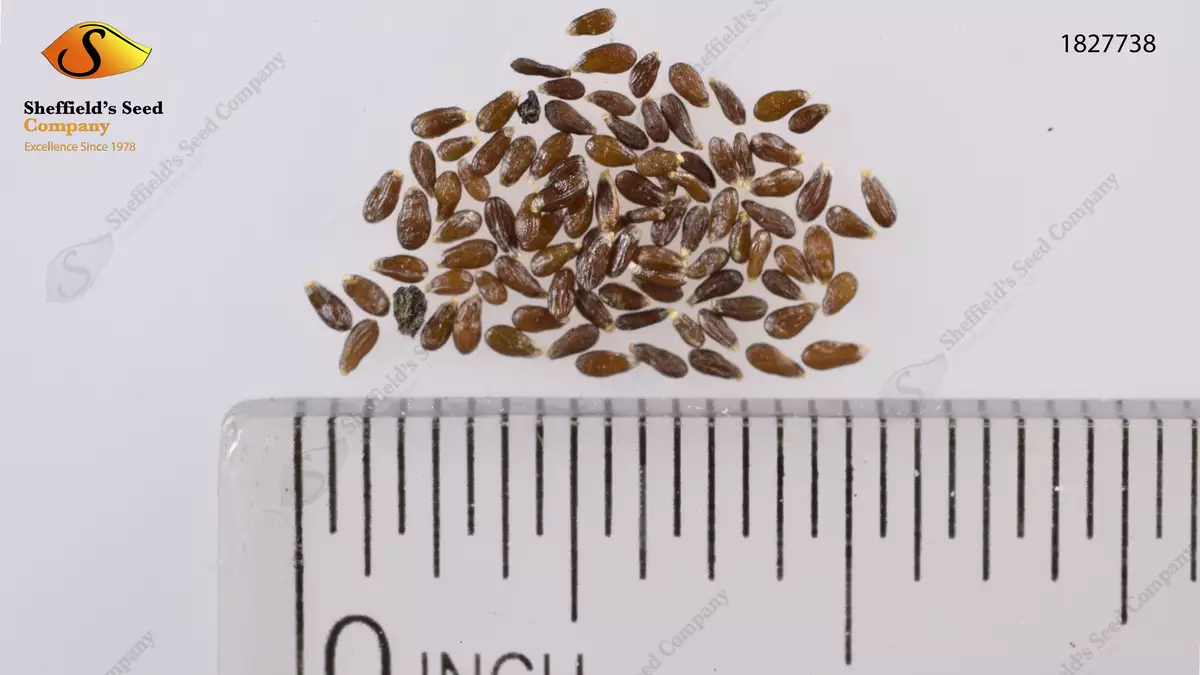
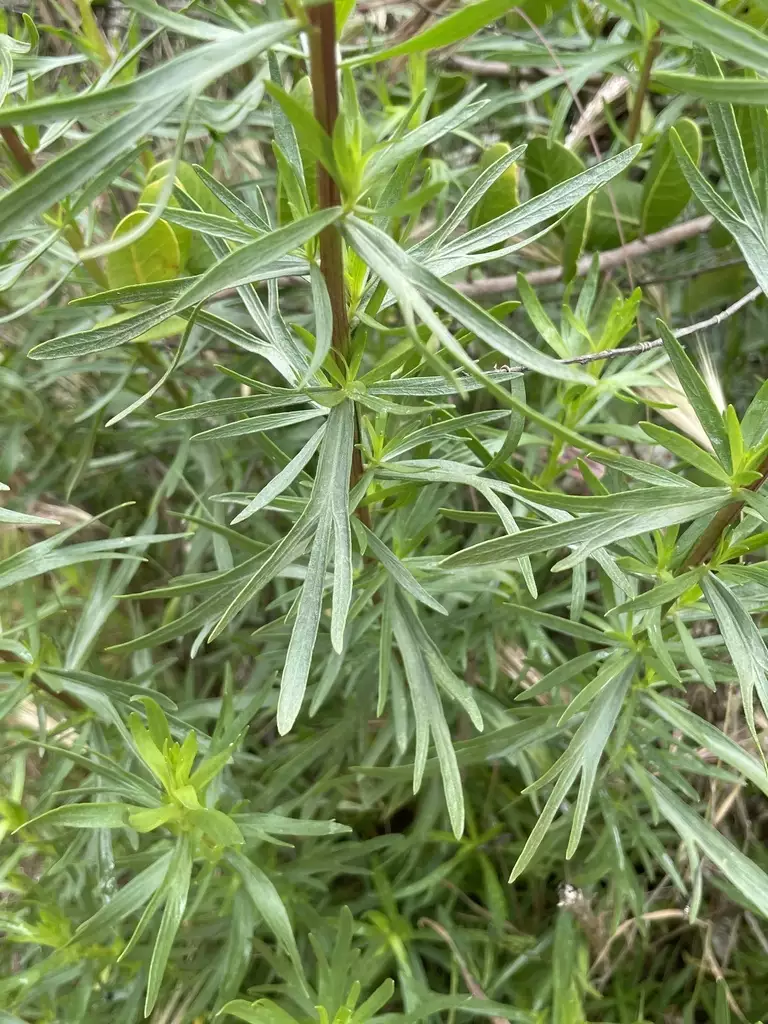
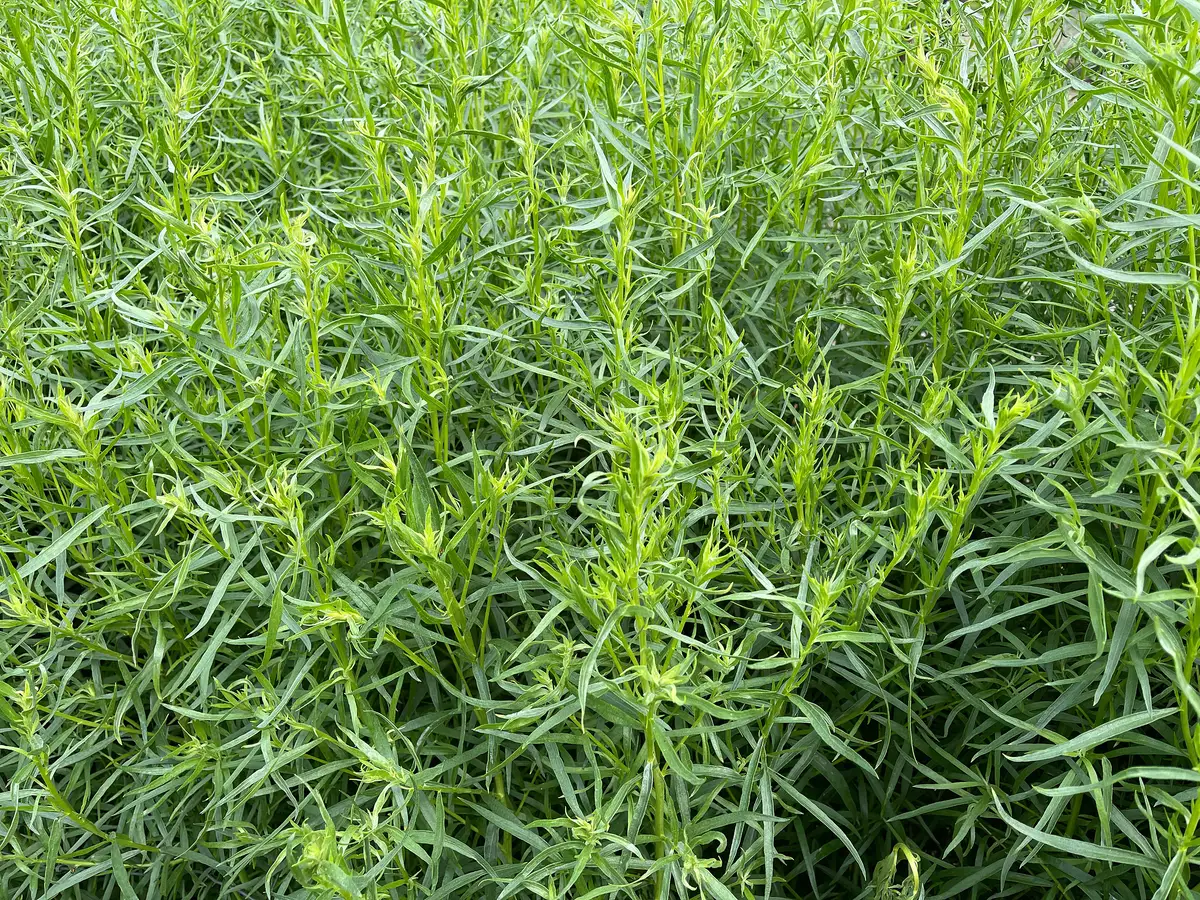
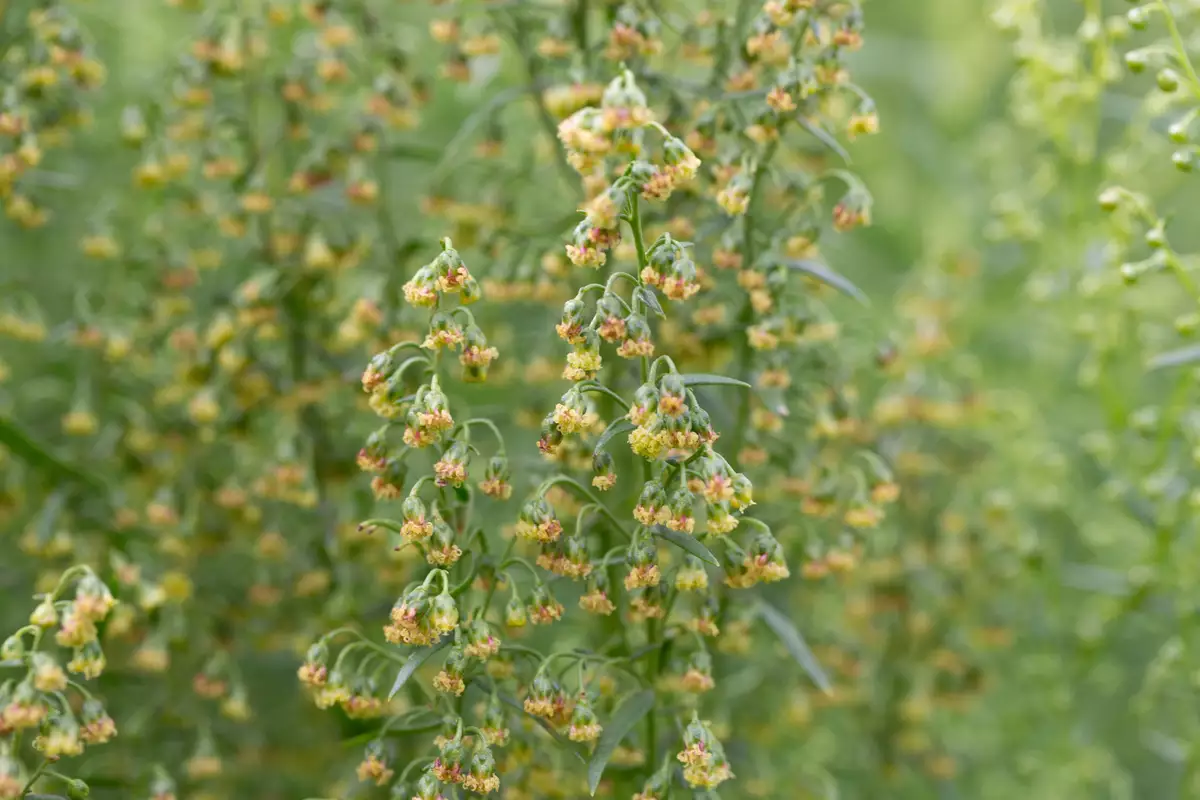
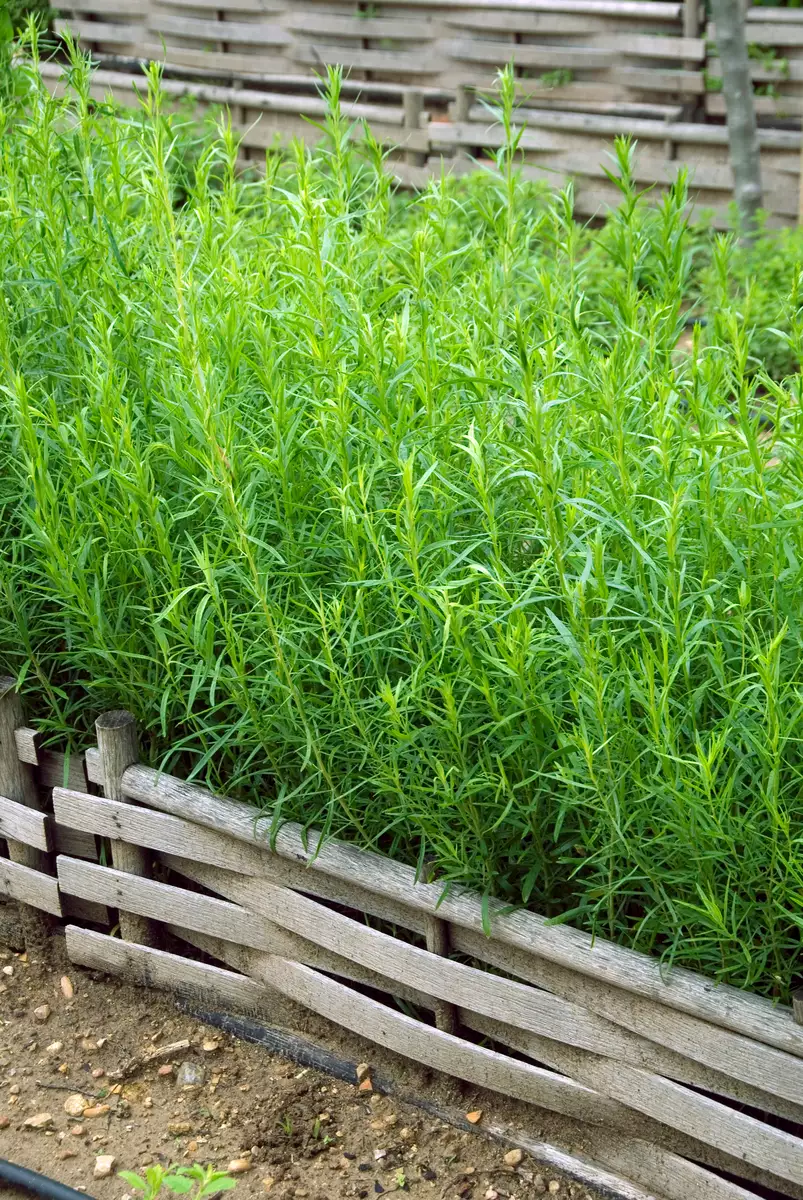
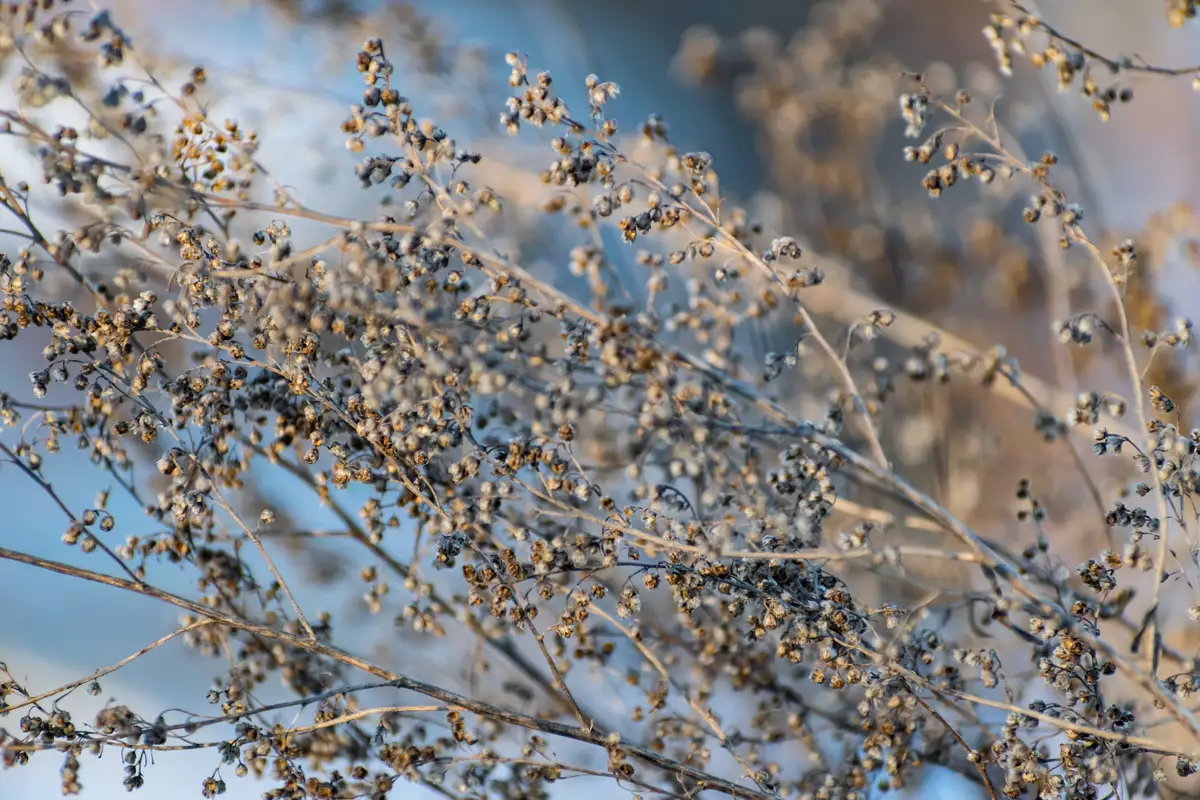
Artemisia dracunculus, commonly known as Wild Tarragon or Dragon Herb, is an intriguing herbaceous perennial from the sunflower family. It flourishes in the dry, open spaces of North America and Eurasia, making appearances along roadsides, meadows, and desert regions. This shrub-like plant, growing up to 3 feet tall, showcases erect stems, slender branches, and narrow linear leaves. Wild tarragon is best suited to well-drained, dry, sunny areas and thrives in herb gardens or containers, though it's not ideal for ornamental borders due to its tendency to appear unkempt. This aromatic herb spreads through hardy rhizomatous roots, making it easily propagated from root stocks. Although primarily medicinal, its wild form has occasional culinary uses, while cultivated varieties are preferred for their potent flavors. Handling requires caution as its essential oils may cause dermatitis, and it poses toxicity risks to pets if ingested in large quantities. Embrace the timeless appeal of Artemisia dracunculus in your garden for a touch of wild allure and history.