0


Close
1 / 6
2 / 6

AdobeStock

3 / 6

AdobeStock

4 / 6

AdobeStock

5 / 6

AdobeStock

6 / 6

AdobeStock

Growing Info

Scarification
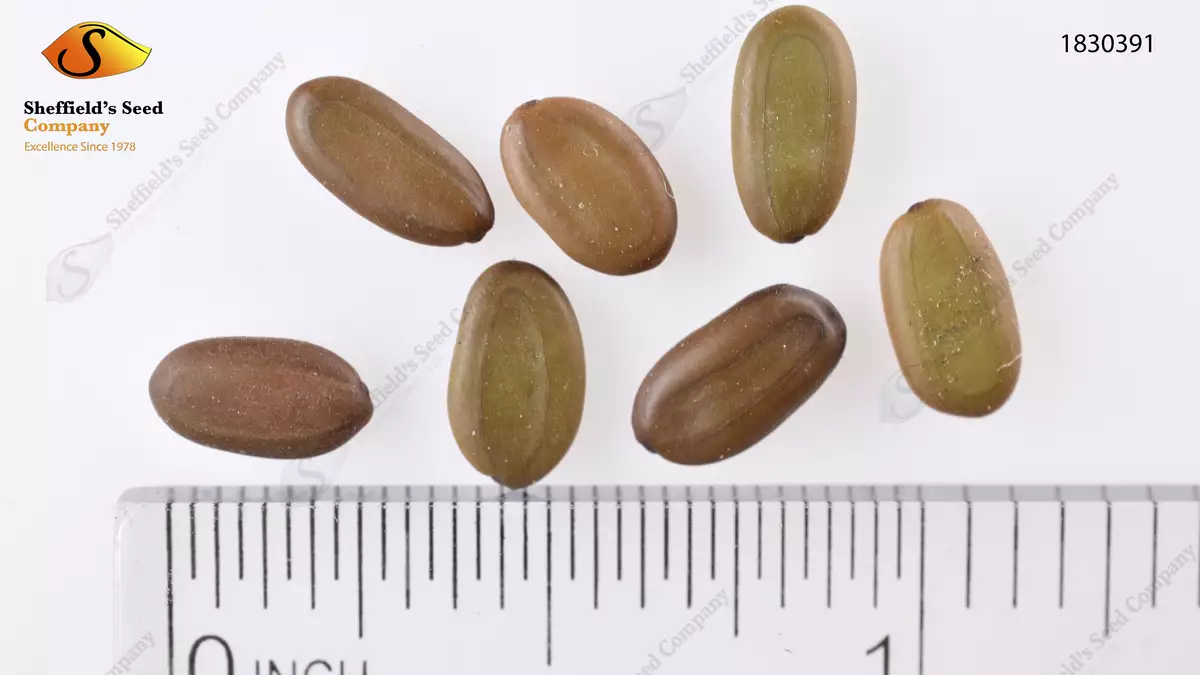
Scarification: Pour boiling water over seed , let stand in water for 24 hours, repeat process on seed that did not imbibe. Another Method: file or sand through the outer seedcoat, let stand in water for 24 hours
Stratification
Stratification: none required
Germination
Germination: sow seed 1/8" deep , keep moist

Other: Alternate Treatment, Soak in sulfuric or nitric acid for 15 to 30 minutes and wash under cold water for 5-10 minutes. USE CAUTION 

Native to: Assam, China South-Central, East Himalaya, India, Iran, Myanmar, Nepal, Pakistan, Tibet, West Himalaya
Native
Introduced

Albizia julibrissin

Mimosa, Persian Silk Tree, Silk Tree

In Stock: 8.524 lb (Total:7.031lb)
  • Albizia julibrissin

    All items have bulk rates priced in
select i.*, as2.state_abbr from inventory_item_manage i left outer join sheffields_2017.address_states as2 on (as2.state_name = i.CollectionLocale or as2.state_abbr = i.CollectionLocale) where i.inventory_id = '171' group by i.id

Buying options

8.52 lb
0.18 lb
AL

Details

Germination:
91%
Germination test:
Cut (Full Seed)
Purity:
98%
Seeds per lb:
8,898
Quantity:
8.52 lb
Collected in:
China
Crop year:
2024
Min. hardiness zone:
6
Item ID:
1835835

Growing Info

Scarification
Scarification: Pour boiling water over seed , let stand in water for 24 hours, repeat process on seed that did not imbibe. Another Method: file or sand through the outer seedcoat, let stand in water for 24 hours
Stratification
Stratification: none required
Germination
Germination: sow seed 1/8" deep , keep moist

Other: Alternate Treatment, Soak in sulfuric or nitric acid for 15 to 30 minutes and wash under cold water for 5-10 minutes. USE CAUTION 

Native to: Assam, China South-Central, East Himalaya, India, Iran, Myanmar, Nepal, Pakistan, Tibet, West Himalaya
Native
Introduced
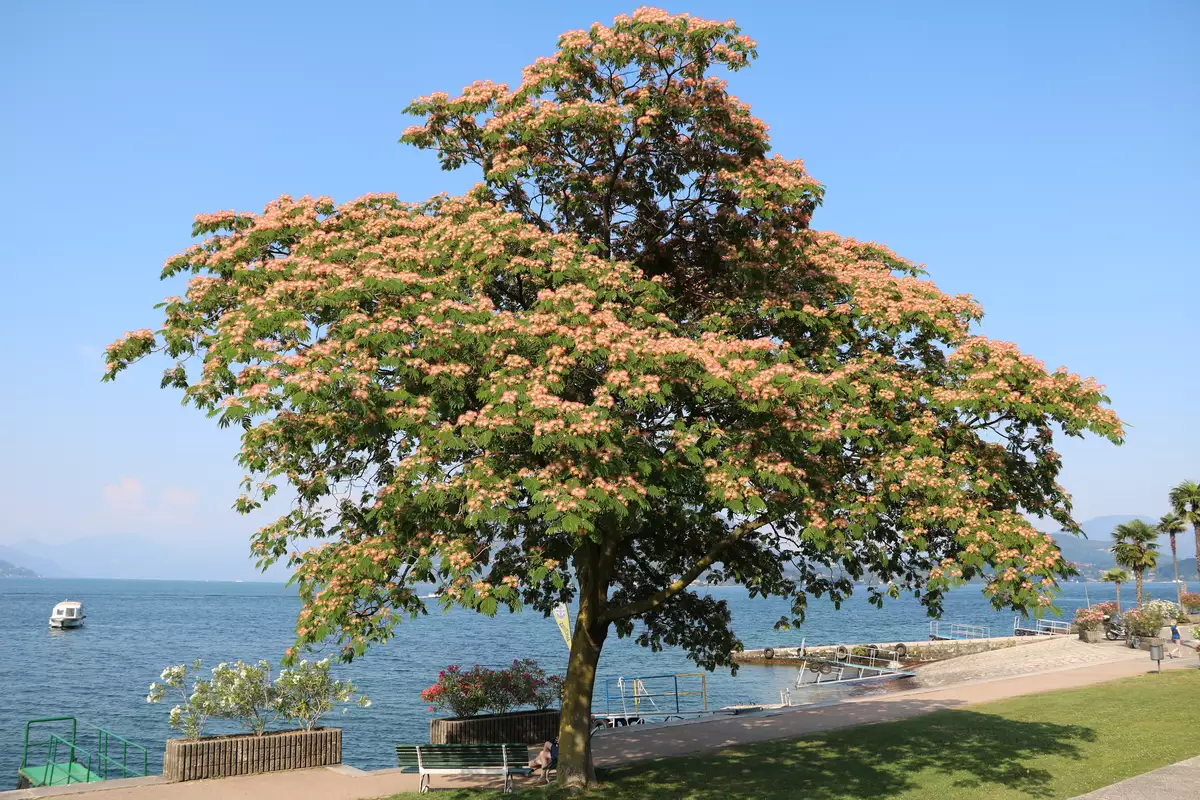
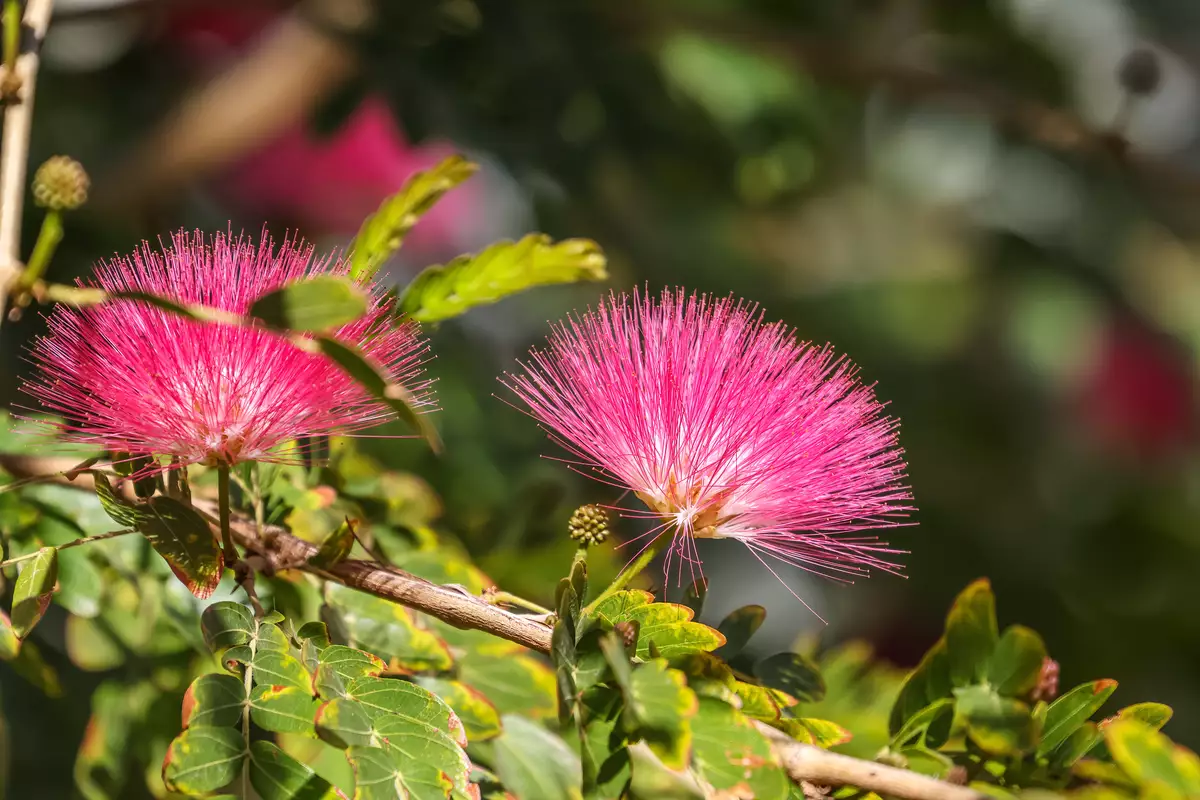
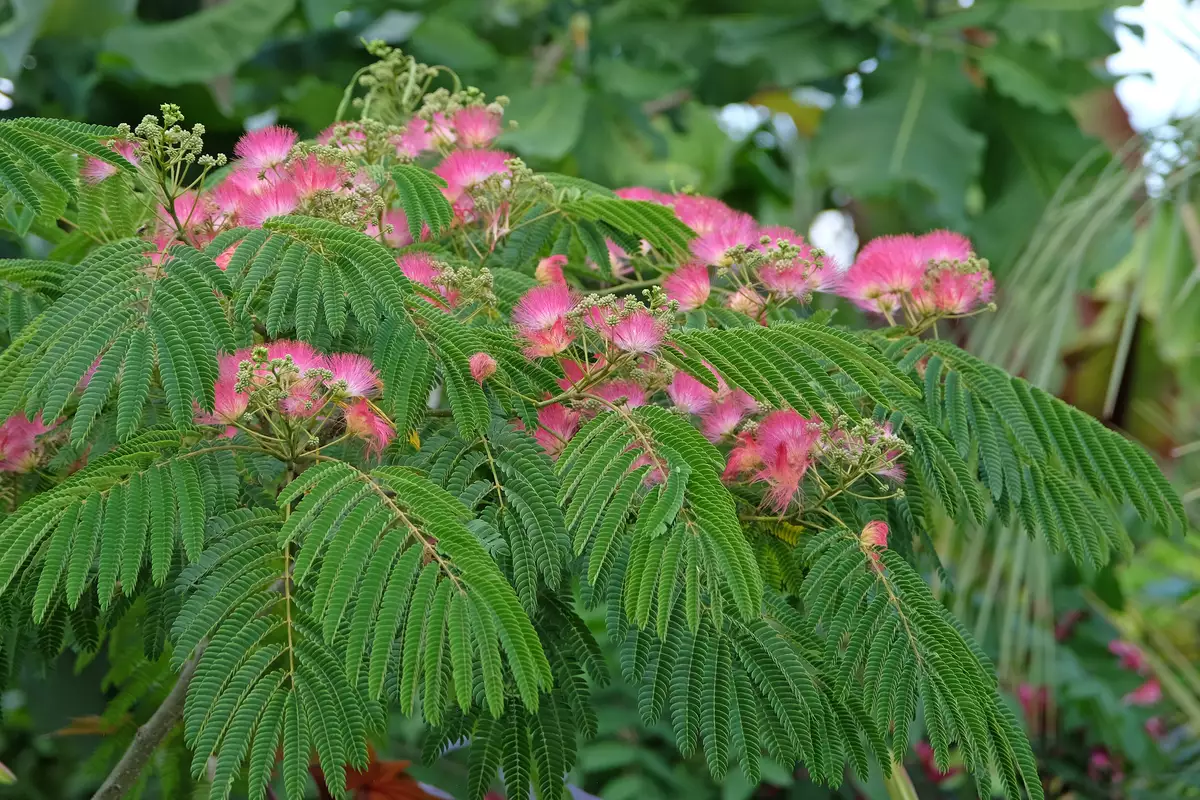
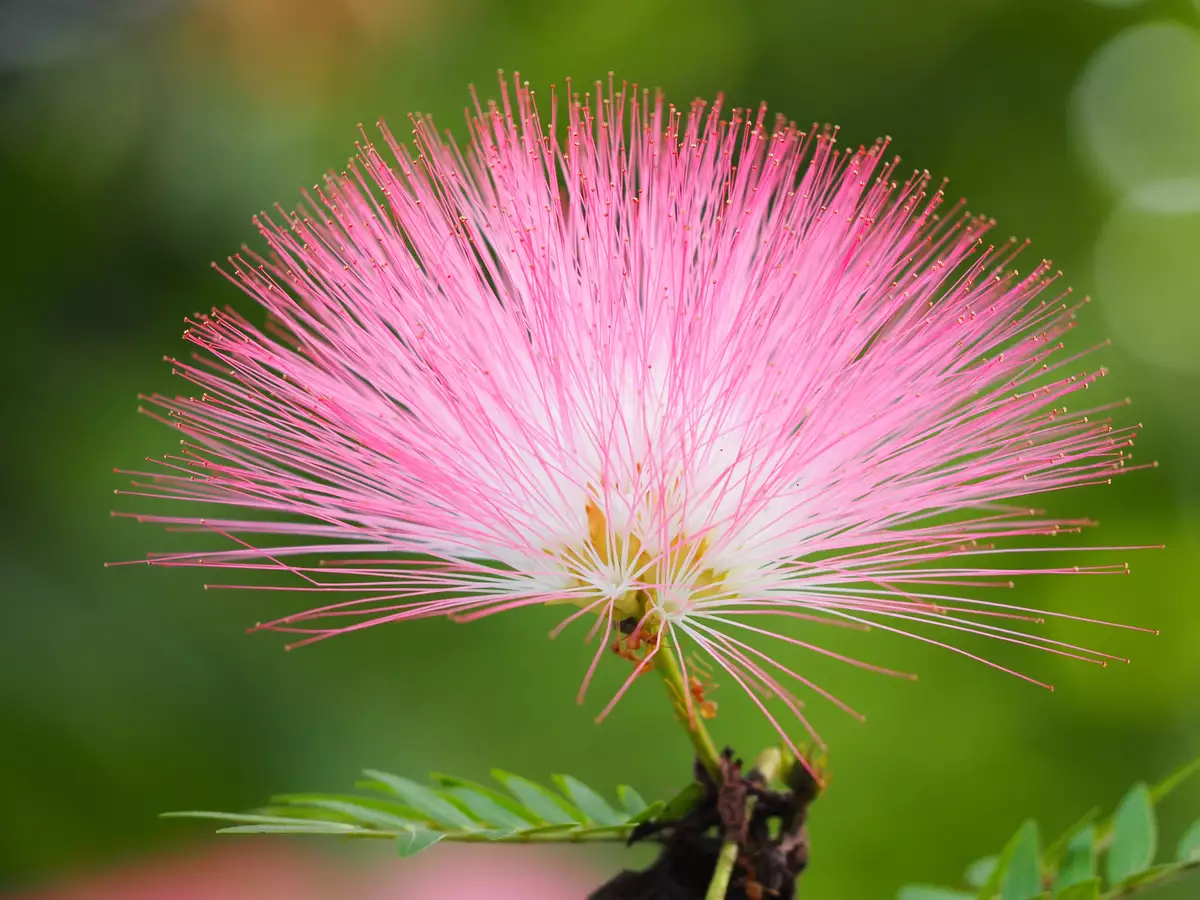
Experience the elegance and allure of Albizia julibrissin, commonly known as Mimosa or Silk Tree. Native to the regions from Iran to Japan, this striking deciduous tree reaches heights of 20 to 40 feet, with a graceful, sprawling crown. Thriving in hardiness zones 6 to 9, Silk Tree prefers full sun to partial shade, revealing its stunning pink, powder-puff blooms from June to July. These fragrant flowers are not only showy but also attract a variety of pollinators, including butterflies.

Although it tolerates a variety of soil conditions, it flourishes best in rich, well-drained soils with regular watering. Adaptable to heat and drought, Silk Tree is a resilient addition to any garden landscape. However, gardeners be cautious: this tree is known for being invasive in certain regions, notably the southeastern U.S. Its rapid growth and prolific seeding can lead to unwanted spread, making maintenance a significant aspect of its care.

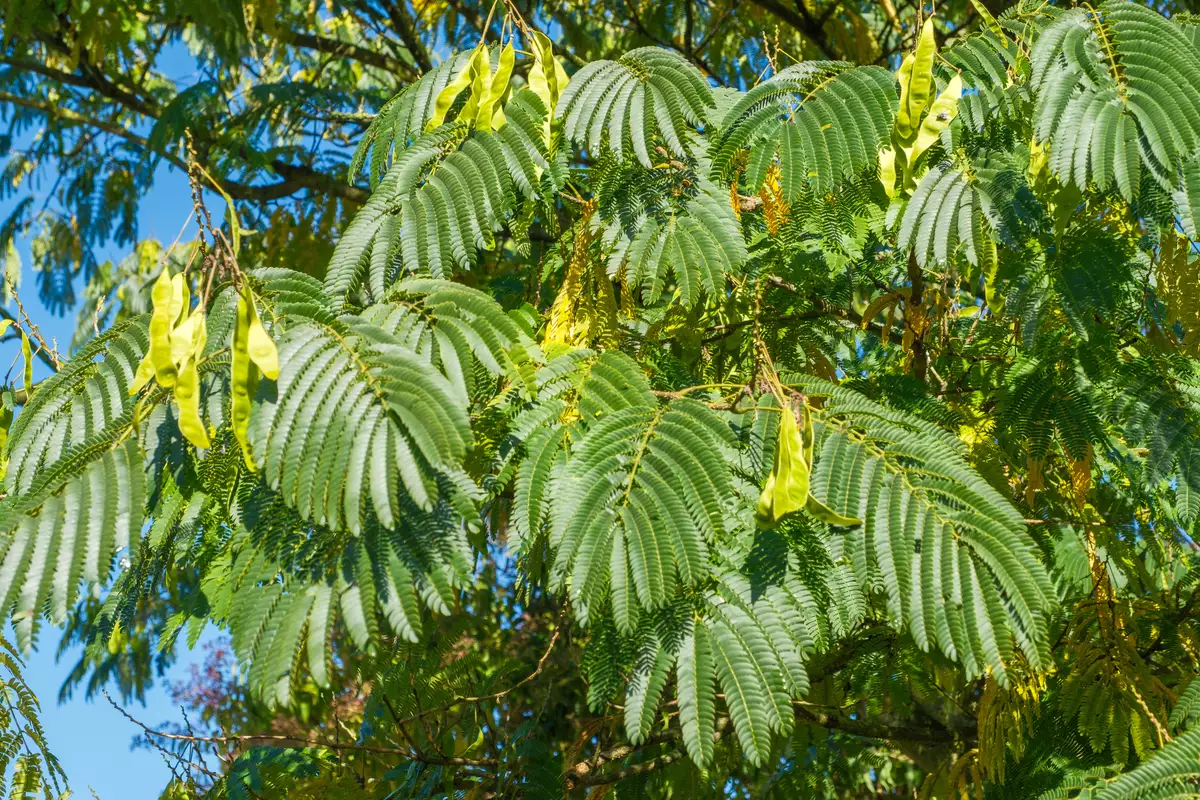
Albizia julibrissin is an attractive, albeit high-maintenance, choice for those seeking a unique ornamental feature. Its fern-like, bipinnate leaves offer a lush, tropical appeal, sensitive to touch and exhibiting a ballet-like closure at night. Yet, with its beauty comes challenges—a propensity for mimosa wilt and susceptibility to pests like the mimosa webworm, alongside a messy habit of shedding leaves, flowers, and seed pods.

You might also like

Hippophae rhamnoides

Hippophae rhamnoides

Sea Buckthorn, Seaberry

Robinia pseudoacacia

Robinia pseudoacacia

Black Locust, False Acacia, Yellow Locust

Sorbus torminalis

Sorbus torminalis

Checkertree, Chequer Tree

Jacaranda mimosifolia

Jacaranda mimosifolia

Black Poui, Blue Jacaranda, Green Ebony Tree, Jacaranda, The Fern Tree

(315) 497-1058
269 NY-34 Locke NY 13092
seed@sheffields.com

HOME - logo

Find us on: