Scarification: Soak in water, let stand in water for 24 hours
Stratification: none required
Germination: sow seed 1/16" deep, tamp the soil, mulch the seed bed
Native to: Amur, Buryatiya, China North-Central, China South-Central, China Southeast, Chita, Inner Mongolia, Kazakhstan, Kirgizstan, Korea, Manchuria, Mongolia, Primorye, Qinghai, Tibet, Turkmenistan, Xinjiang
Introduced to: Alabama, Argentina Northeast, Arizona, Arkansas, Austria, Bulgaria, California, Central European Rus, Colorado, Connecticut, District of Columbia, East European Russia, Florida, Georgia, Hungary, Idaho, Illinois, Indiana, Iowa, Kansas, Kentucky, Krym, Louisiana, Maryland, Massachusetts, Mexico Northeast, Michigan, Minnesota, Missouri, Montana, Nebraska, Nevada, New Brunswick, New Jersey, New Mexico, New York, North Caucasus, North Dakota, Ohio, Oklahoma, Ontario, Pennsylvania, Québec, Romania, South Dakota, South European Russi, Spain, Tadzhikistan, Tennessee, Texas, Ukraine, Utah, Uzbekistan, Vermont, Virginia, Wisconsin, Wyoming
Native
Introduced
Ulmus pumilaUlmus pumila
Siberian Elm
Why do you sell THIS seed??? (see FAQ) Before growing seeds, verify local and state regulations to ensure compliance with any specific restrictions or requirements.
In Stock: 14.9 lb (Total:14.987lb)
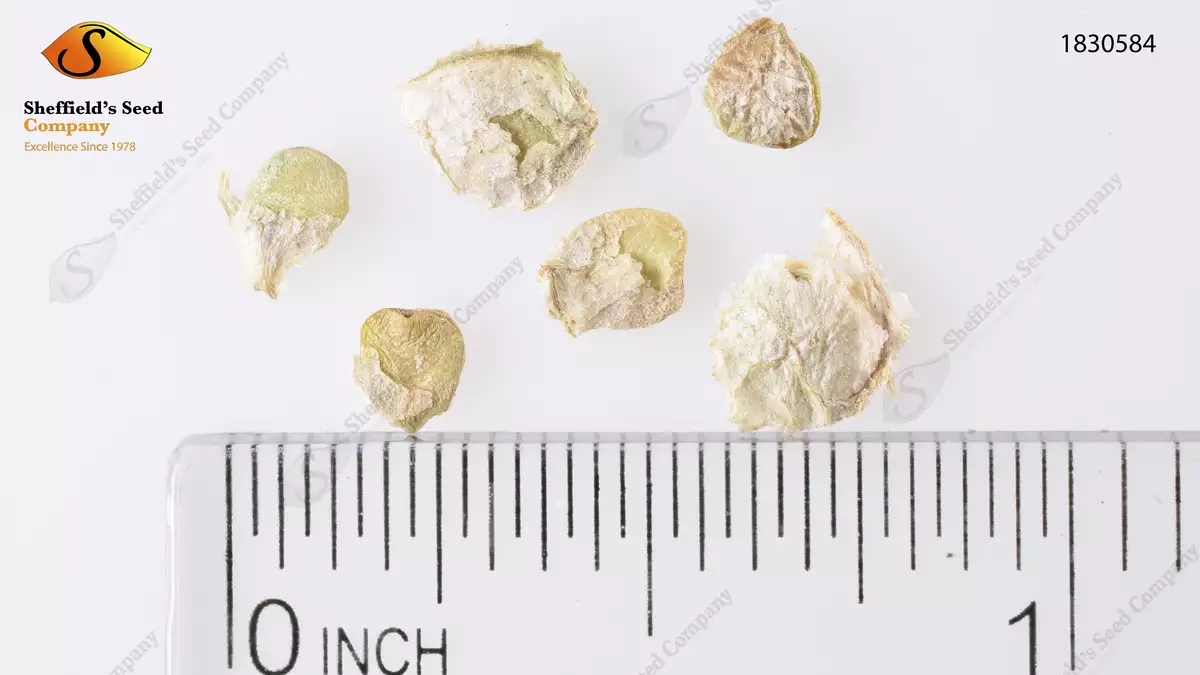
Ulmus pumila De-Winged
select i.*, as2.state_abbr
from inventory_item_manage i
left outer join sheffields_2017.address_states as2 on (as2.state_name = i.CollectionLocale or as2.state_abbr = i.CollectionLocale)
where i.inventory_id = '1472'
group by i.id
Scarification: Soak in water, let stand in water for 24 hours
Stratification: none required
Germination: sow seed 1/16" deep, tamp the soil, mulch the seed bed
Native to: Amur, Buryatiya, China North-Central, China South-Central, China Southeast, Chita, Inner Mongolia, Kazakhstan, Kirgizstan, Korea, Manchuria, Mongolia, Primorye, Qinghai, Tibet, Turkmenistan, Xinjiang
Introduced to: Alabama, Argentina Northeast, Arizona, Arkansas, Austria, Bulgaria, California, Central European Rus, Colorado, Connecticut, District of Columbia, East European Russia, Florida, Georgia, Hungary, Idaho, Illinois, Indiana, Iowa, Kansas, Kentucky, Krym, Louisiana, Maryland, Massachusetts, Mexico Northeast, Michigan, Minnesota, Missouri, Montana, Nebraska, Nevada, New Brunswick, New Jersey, New Mexico, New York, North Caucasus, North Dakota, Ohio, Oklahoma, Ontario, Pennsylvania, Québec, Romania, South Dakota, South European Russi, Spain, Tadzhikistan, Tennessee, Texas, Ukraine, Utah, Uzbekistan, Vermont, Virginia, Wisconsin, Wyoming
Native
Introduced
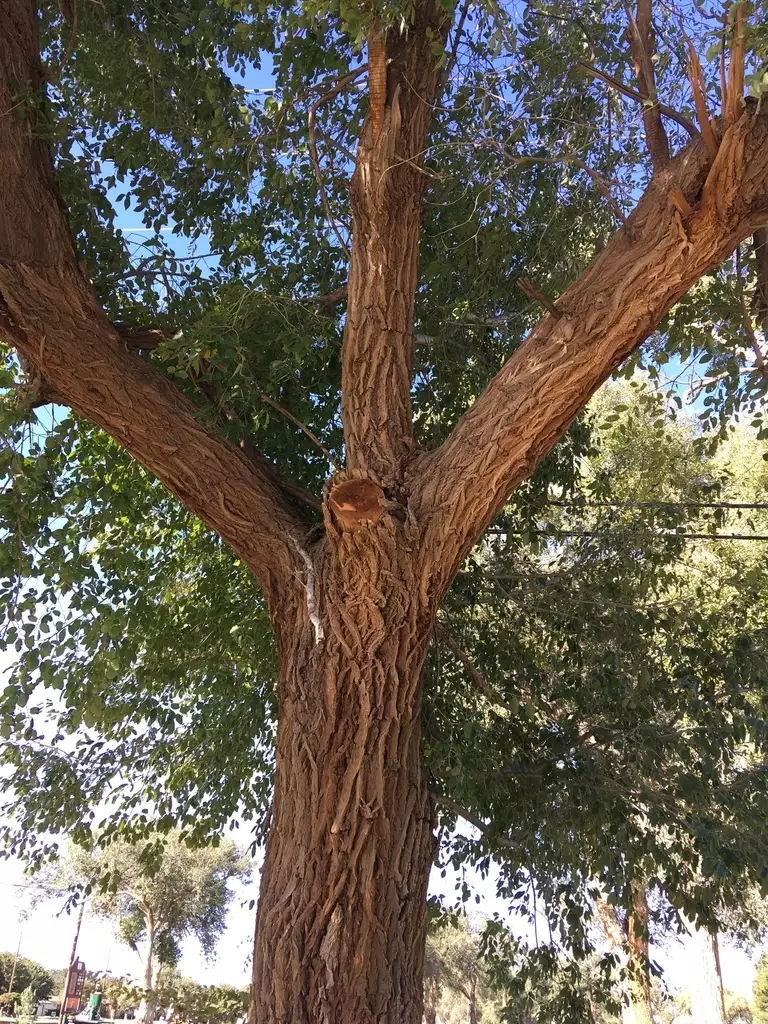
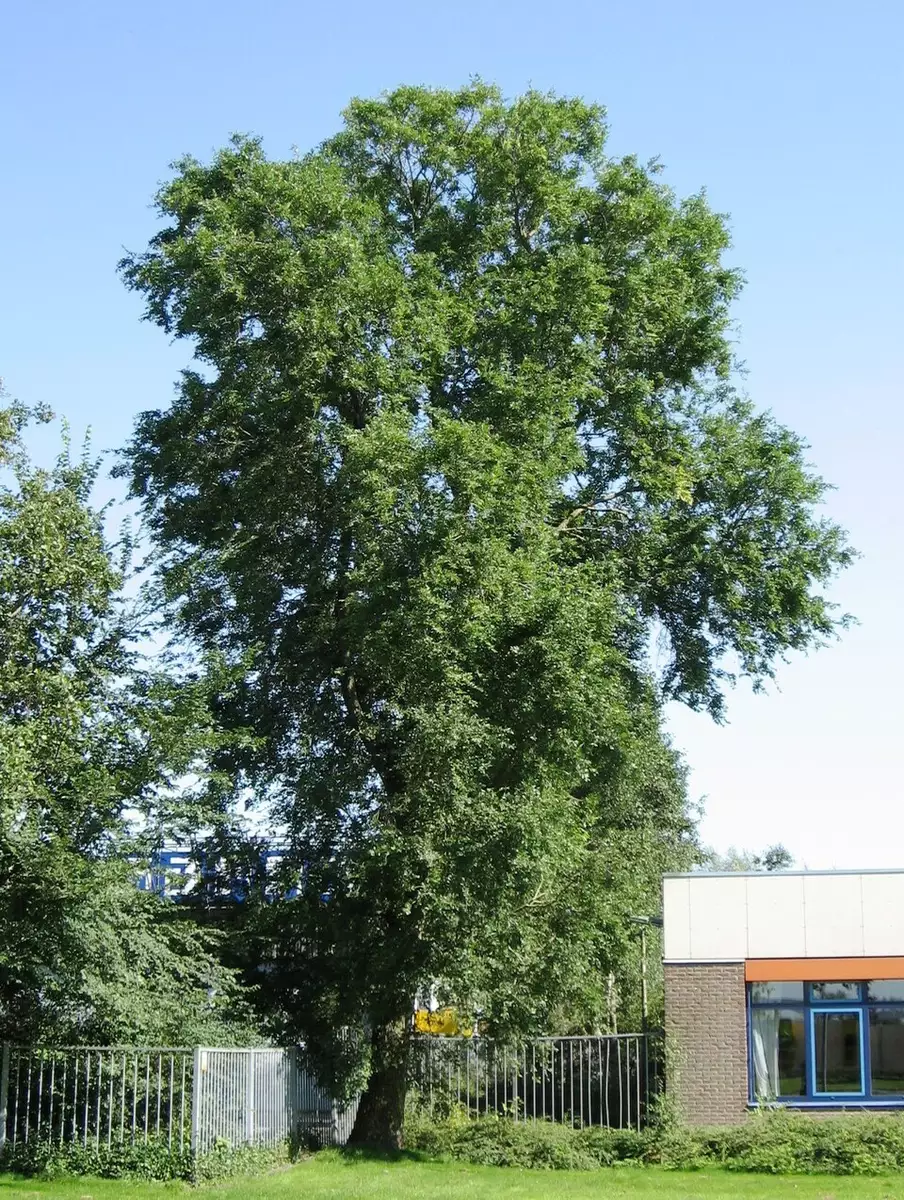
Ulmus pumila, commonly known as Siberian Elm, is a resilient and fast-growing deciduous tree renowned for its ability to thrive in challenging conditions. Native to Eastern Siberia and Northern China, this hardy tree reaches heights of 50-70 feet with a broad, vase-shaped crown spreading 35-50 feet wide. Its robust nature makes it an excellent choice for windbreaks and erosion control, particularly in poor soils where other trees might struggle.
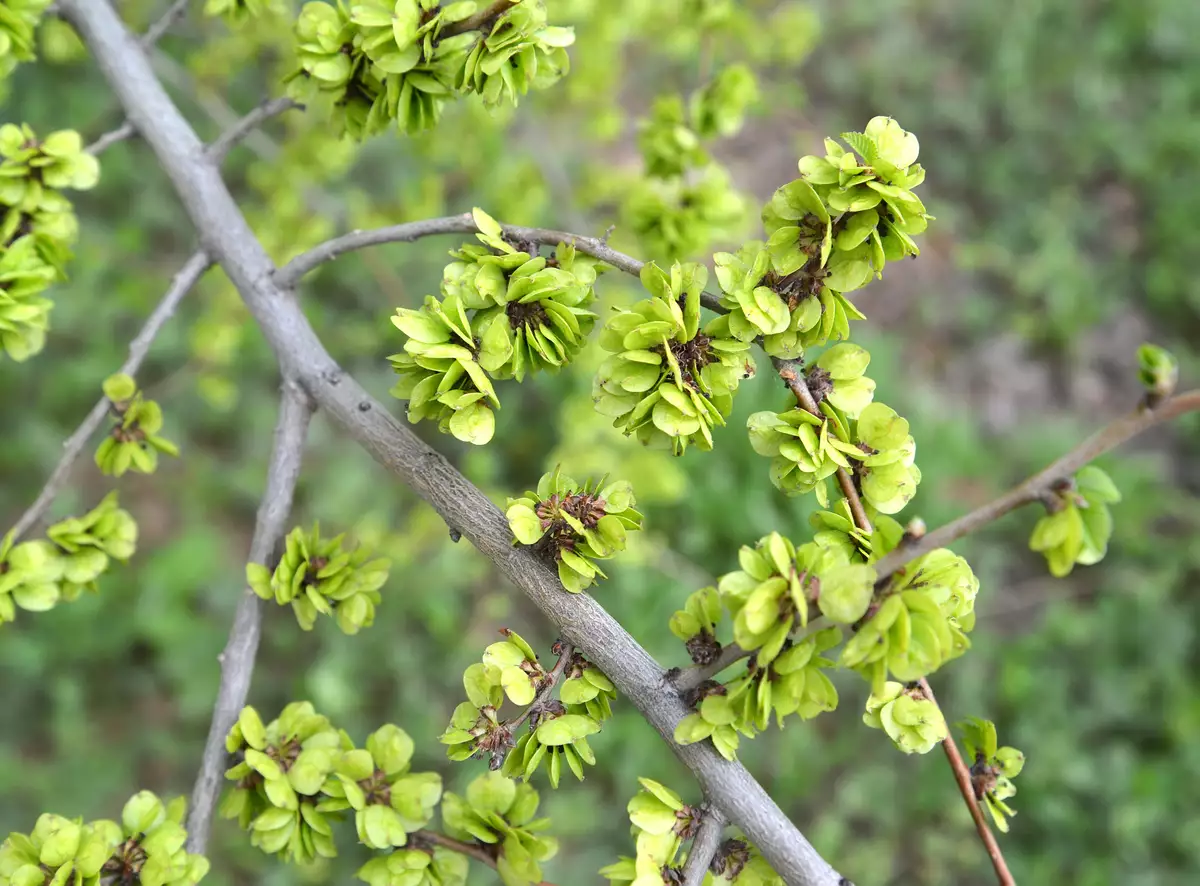
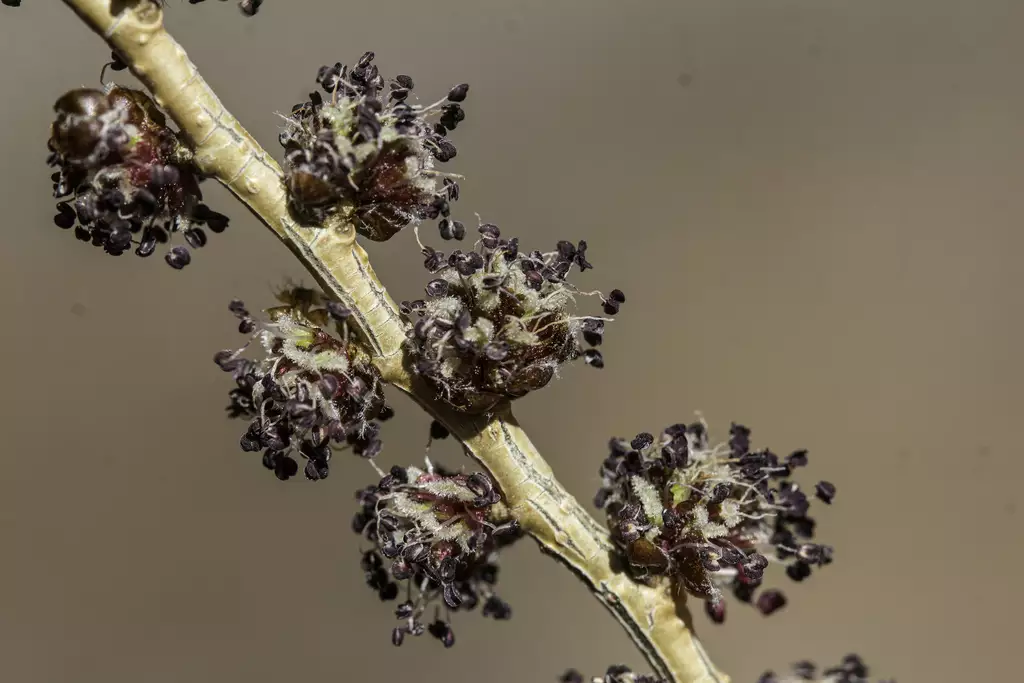
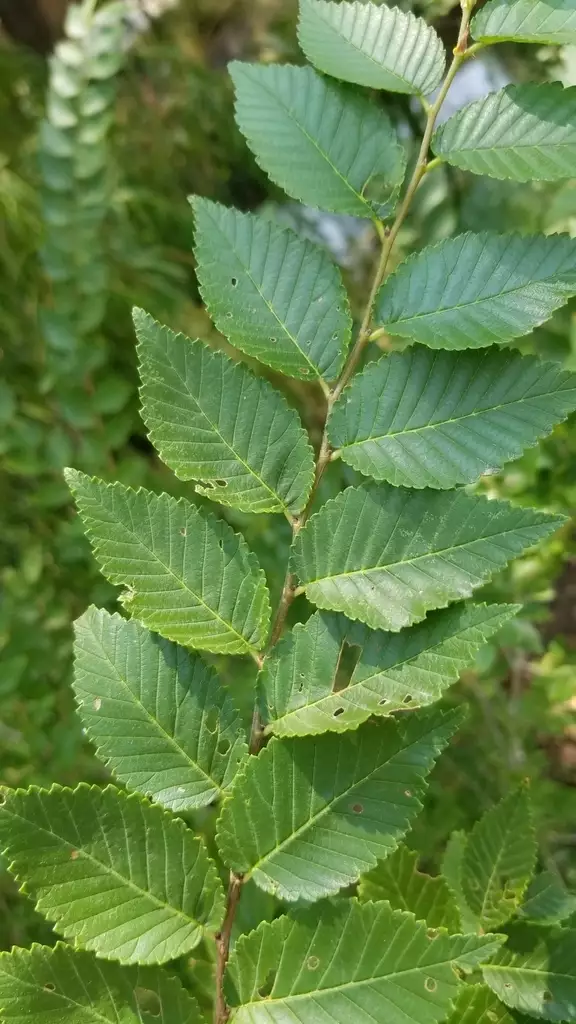
Siberian Elm's foliage is characterized by simple, alternate leaves that are dark green above and lighter beneath. During the spring, it produces clusters of inconspicuous reddish-green flowers, transitioning to distinctive winged samaras as fruit. Despite its impressive adaptability to drought and urban environments, it is important to note that Siberian Elm may not be ideal for ornamental use due to its brittle branches and susceptibility to insect attacks, particularly from elm leaf beetles.
While valued for its resistance to Dutch elm disease, it’s essential to approach cultivation with care as it can be invasive in certain regions. Favorable for zones 4 through 9, this tree requires full sun and grows best in well-drained soils, adapting well to both wet and dry conditions. Selective planting is advised to prevent undesired spread and disruption in native ecosystems.