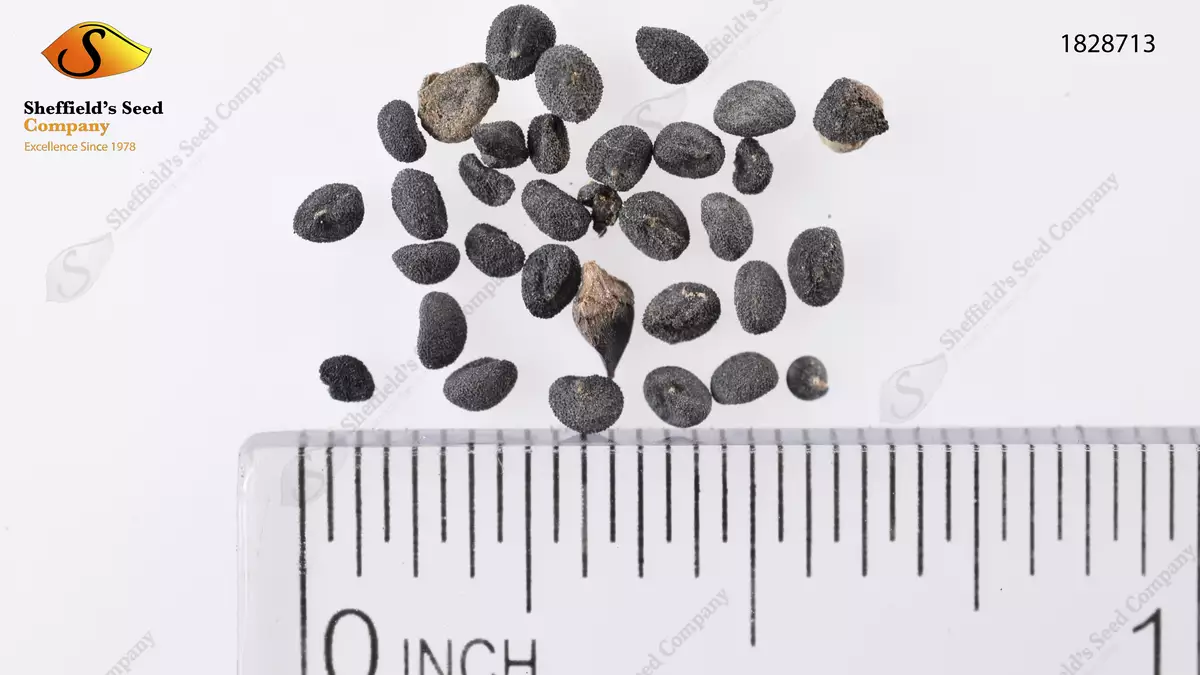
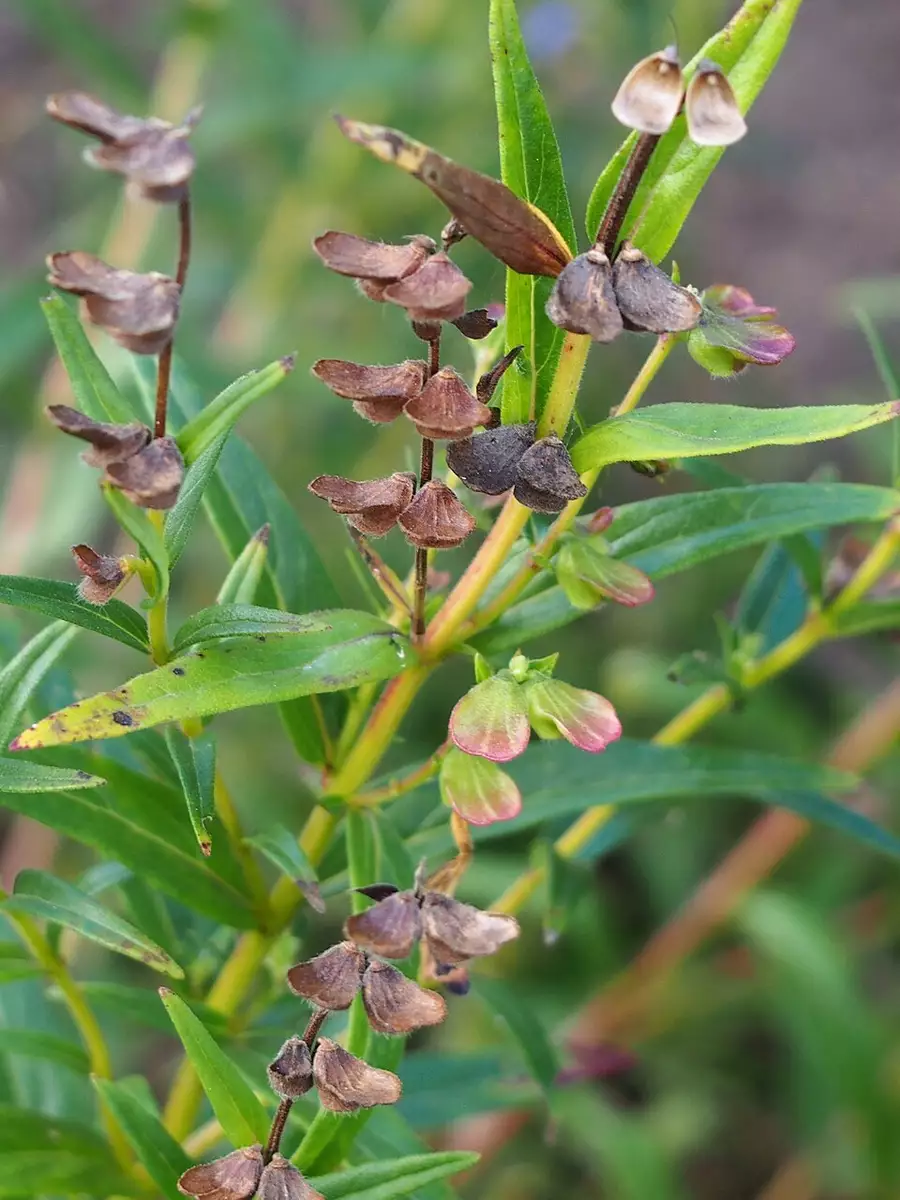
Scutellaria baicalensis, commonly known as Baikal Skullcap or Chinese Skullcap, is a remarkable flowering plant within the mint family, Lamiaceae. Celebrated as one of the 50 fundamental herbs in Traditional Chinese Medicine, this resilient perennial is lauded for its medicinal and ornamental attributes. Originating from the unforgiving steppes and woodland regions of Siberia, Mongolia, and northern China, the plant thrives in sunny, dry locations, showcasing exceptional cold-hardiness and adaptability to poor soils.
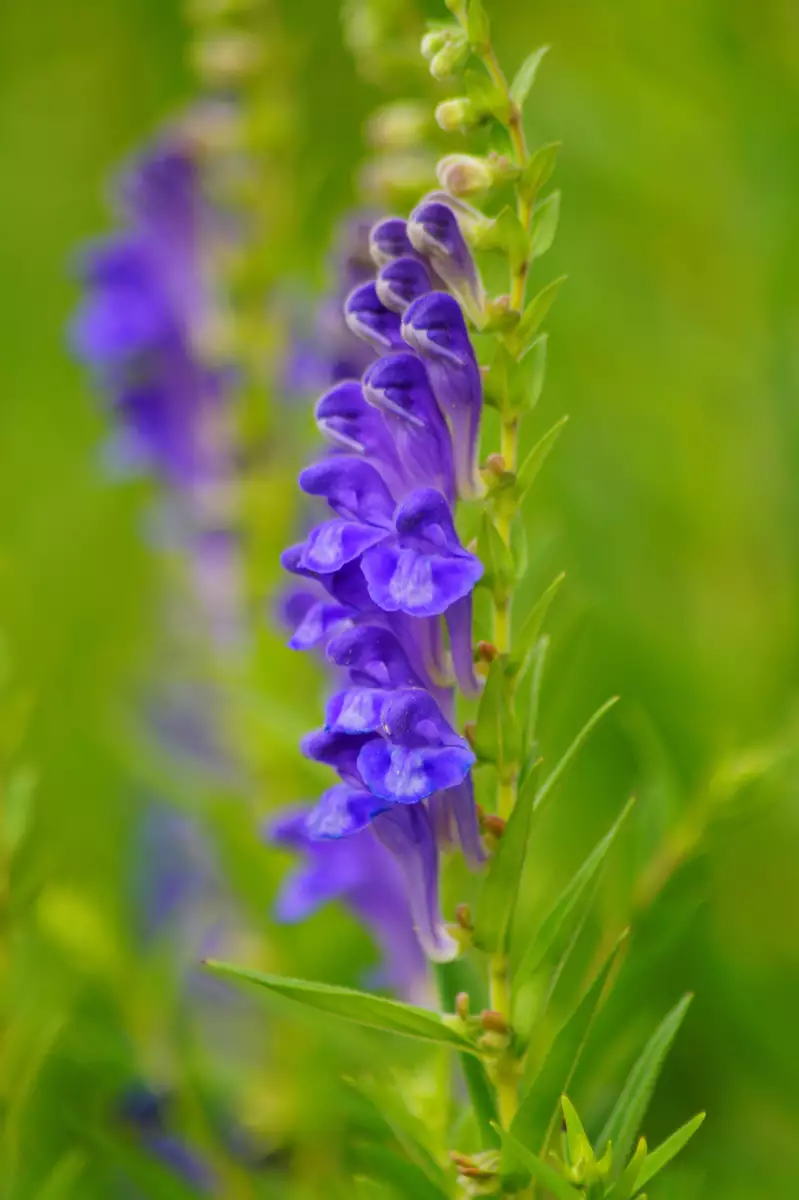
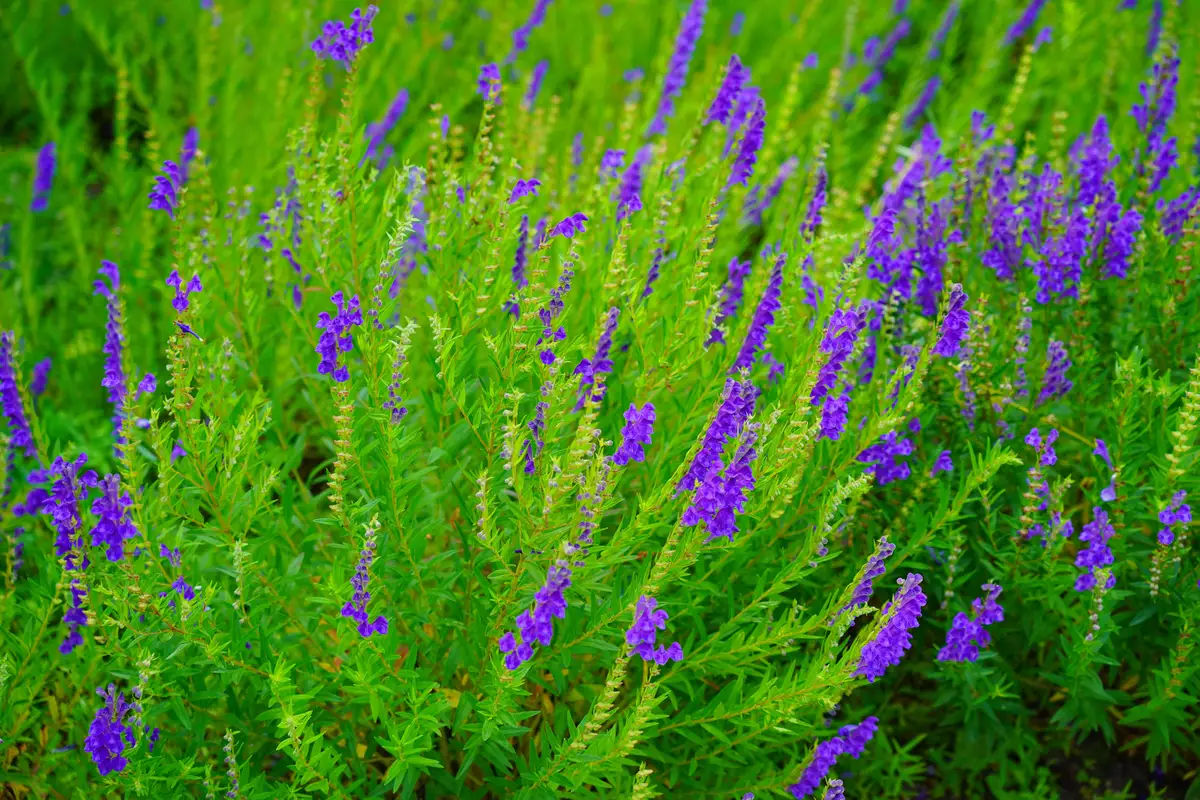
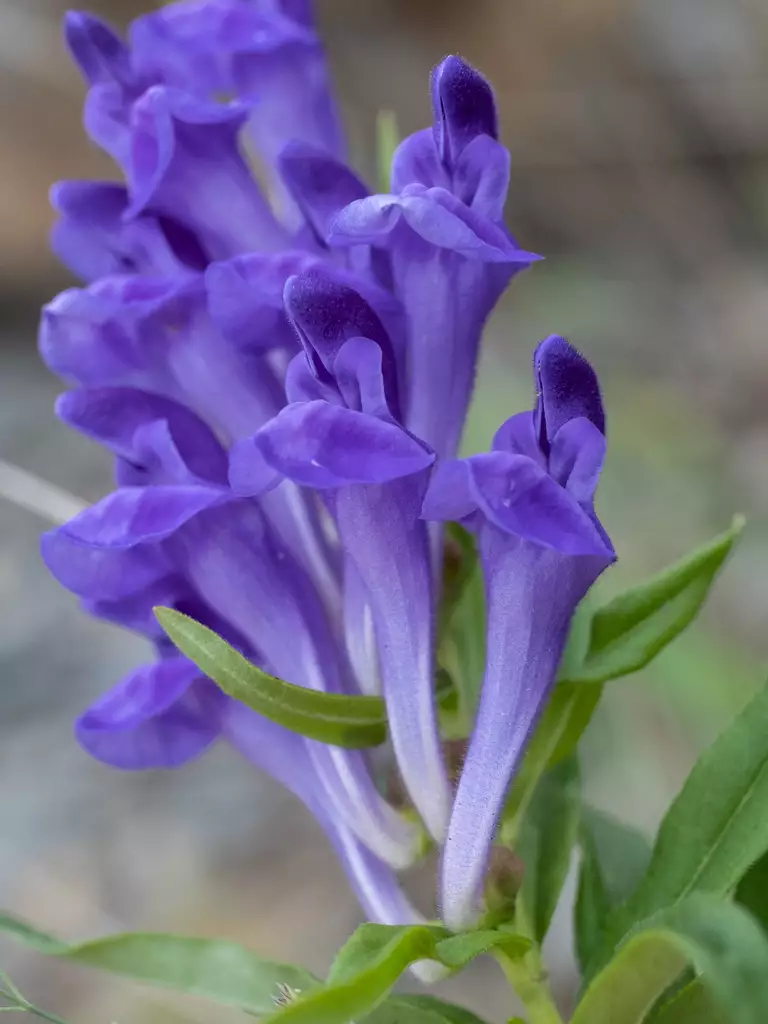
Renowned for its compact growth, Baikal Skullcap reaches approximately 1 ft in height. From July to late September, it unfurls a profusion of striking deep blue to violet-blue flowers, attracting wild bees and bumblebees, thus enhancing biodiversity. Ideal for rock gardens, herb plantings, and naturalistic borders, its long blooming season offers captivating aesthetics and ecological benefits.
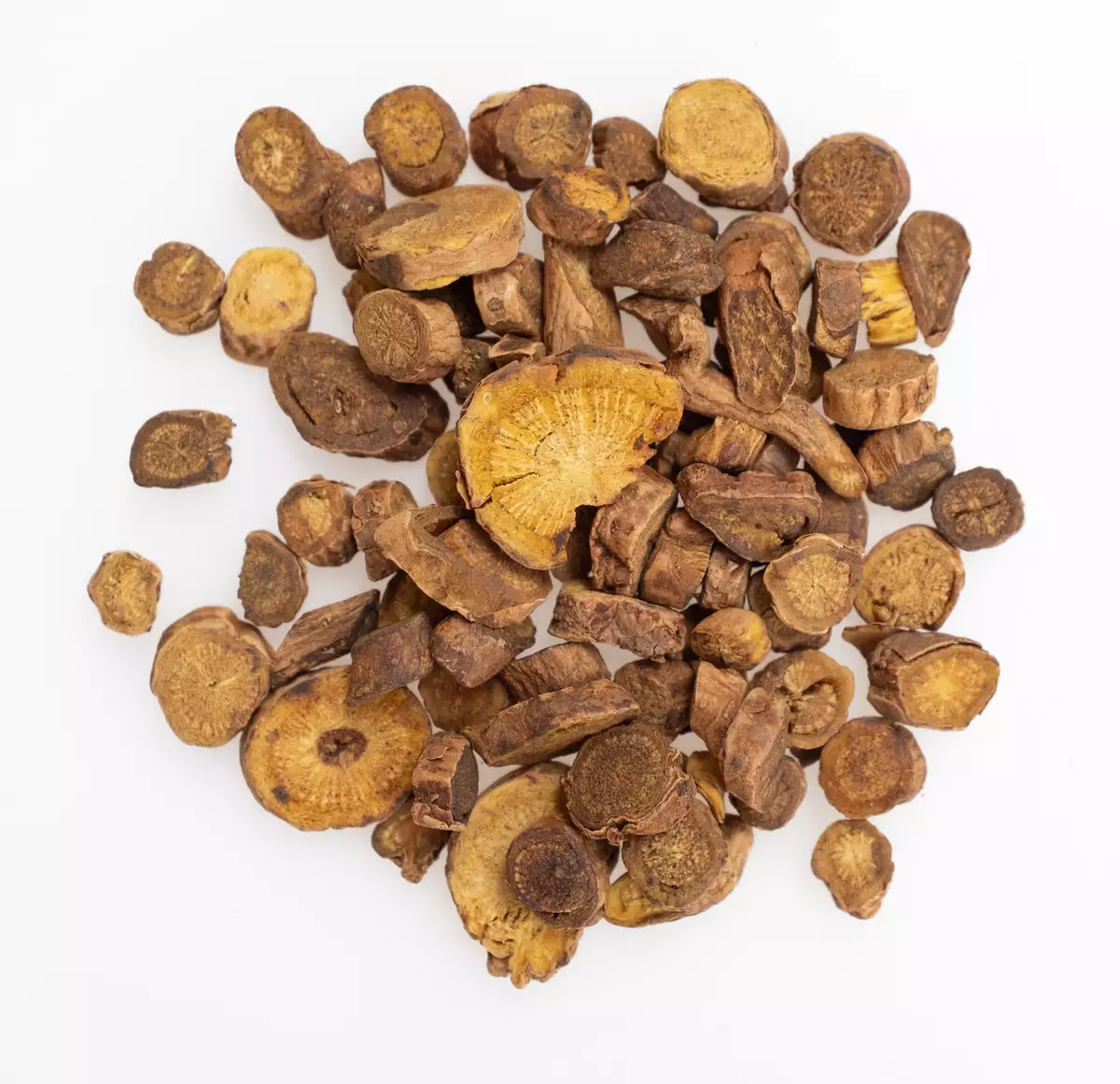
In traditional medicine, Scutellaria baicalensis, known as huángqín, is valued for its potential in supporting respiratory health and detoxification processes, with known antioxidant and antimicrobial properties. The roots, rich in phytochemicals like baicalein and wogonin, are used in combination with other herbs in various forms such as tinctures, teas, or encapsulations. While highly beneficial, caution is advised due to occasional reports of liver injury with extended use. With its dual charm as a garden beauty and a traditional healing herb, Baikal Skullcap is a golden herb in every sense.