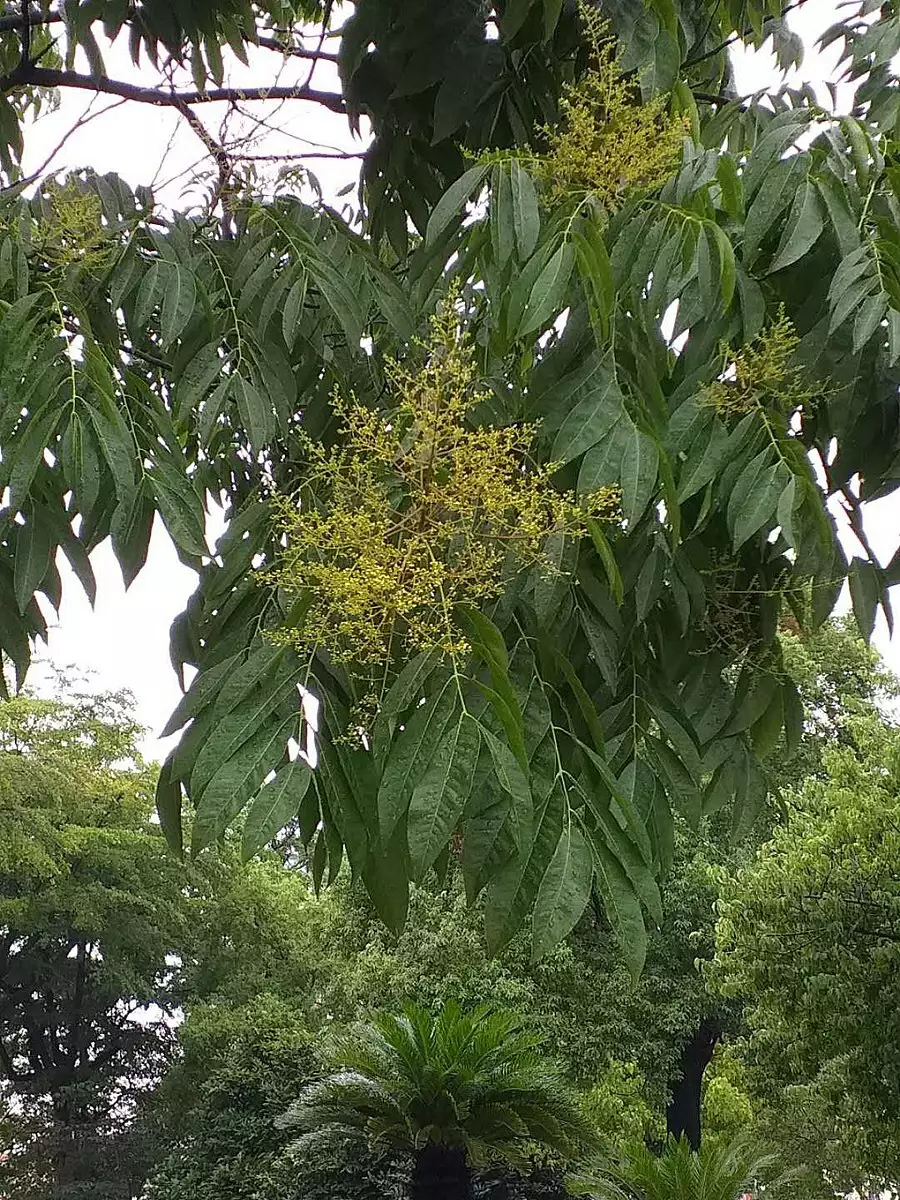
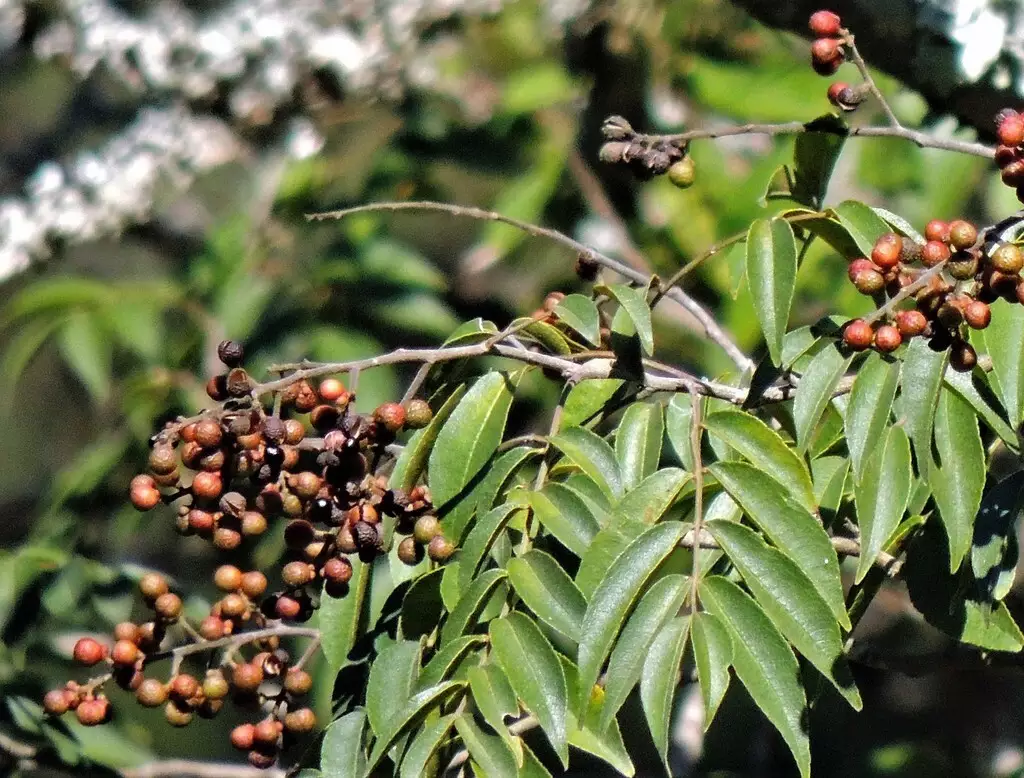
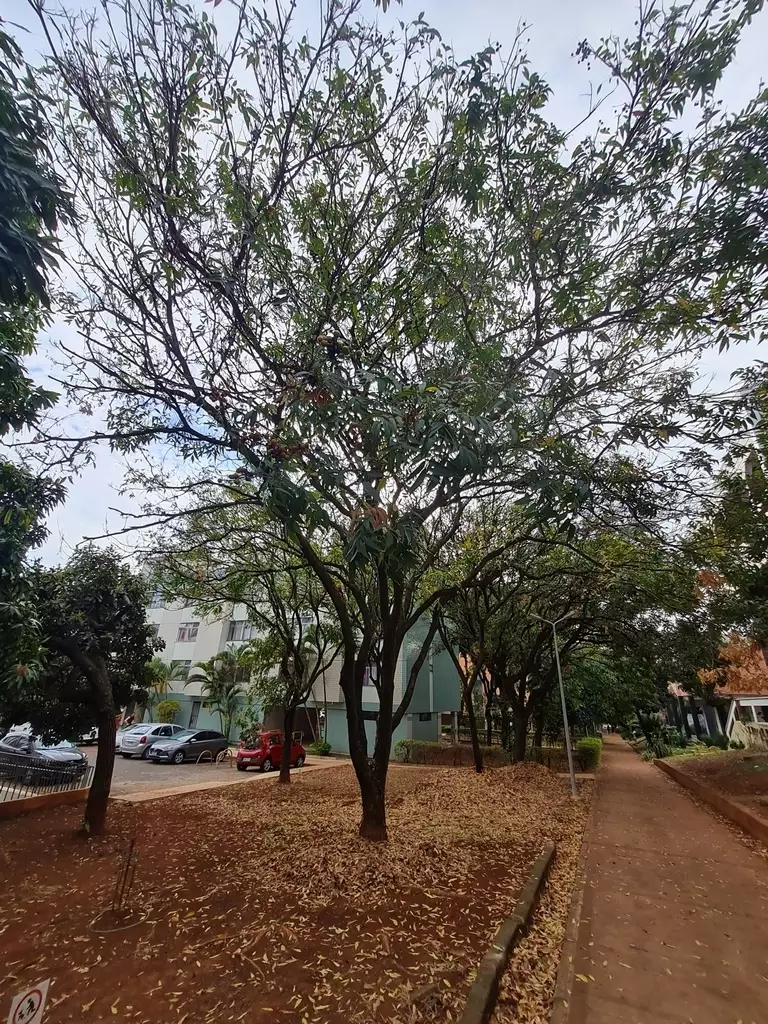
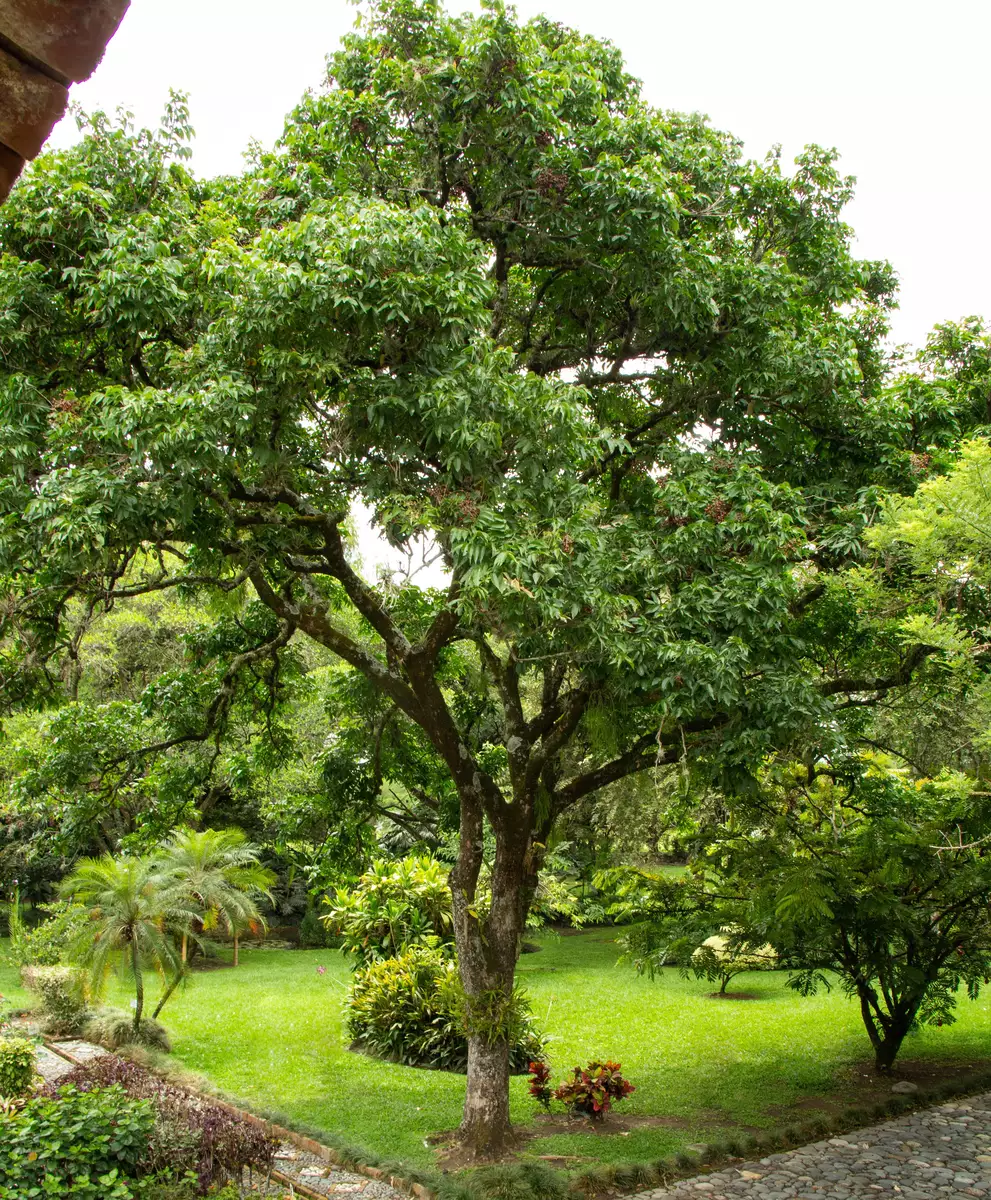
Discover the fascinating world of Wingleaf Soapberry, botanically known as Sapindus saponaria, a versatile and environmentally-friendly tree with a rich history of utility. Part of the Sapindaceae family, this small to medium-sized tree is native to the Americas, flourishing in regions from Florida to Paraguay. Renowned for its striking foliage and resilience, it thrives in poor soils and extreme drought, making it an excellent choice for a shade or specimen tree in diverse landscapes. Blooming in spring, its small, white to green flowers attract bees and other pollinators, and its brown fruits ripen in late summer to fall, providing food and cover for wildlife.
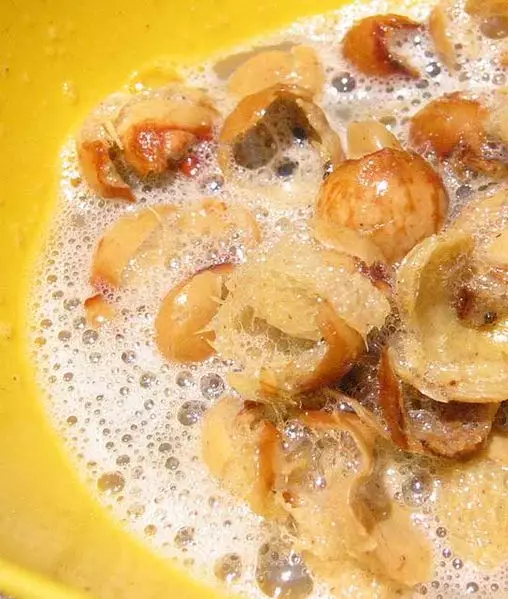
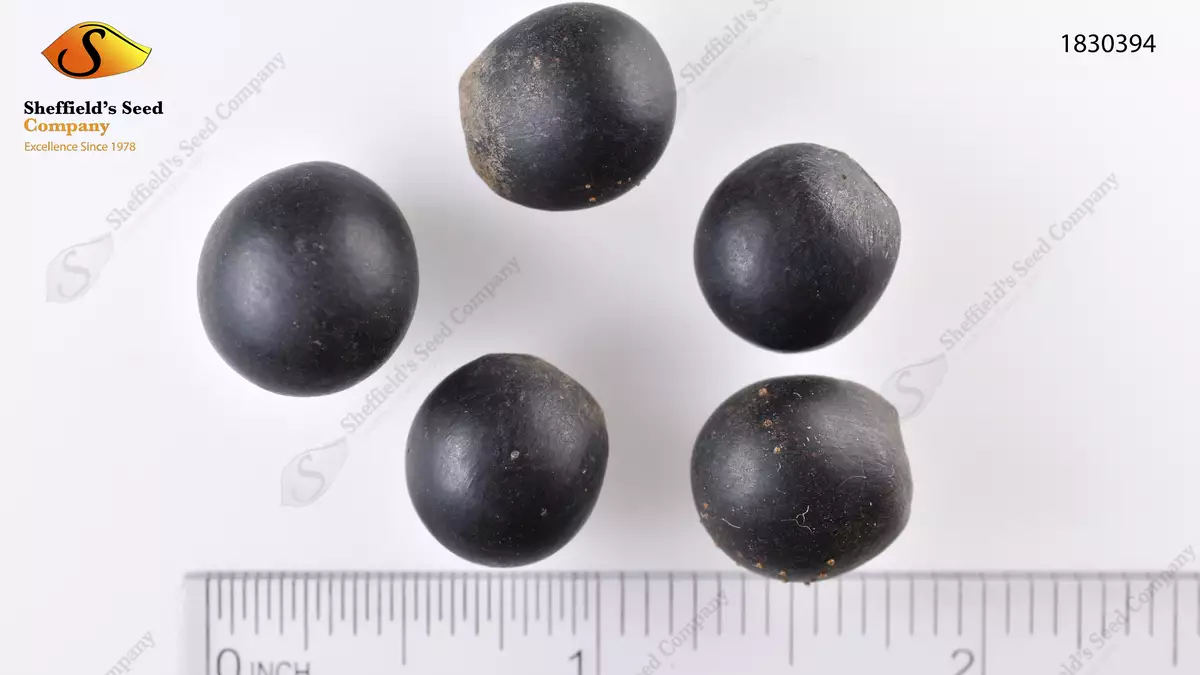
The tree's fruit, containing saponins, produces a natural soapy lather when mixed with water, historically used for washing clothes. Despite its mild oral toxicity, the fruit's medicinal properties have been employed in traditional remedies, and its seeds are crafted into unique jewelry.
Adaptable to full and partial sun, Wingleaf Soapberry tolerates a wide range of moisture levels, from extremely dry to somewhat moist conditions, although it is not salt-water tolerant. Ideal for growing in USDA zones 8A to 1. Its impressive adaptability and historical significance underscore its potential as both an ornamental and functional addition to gardens and communities.