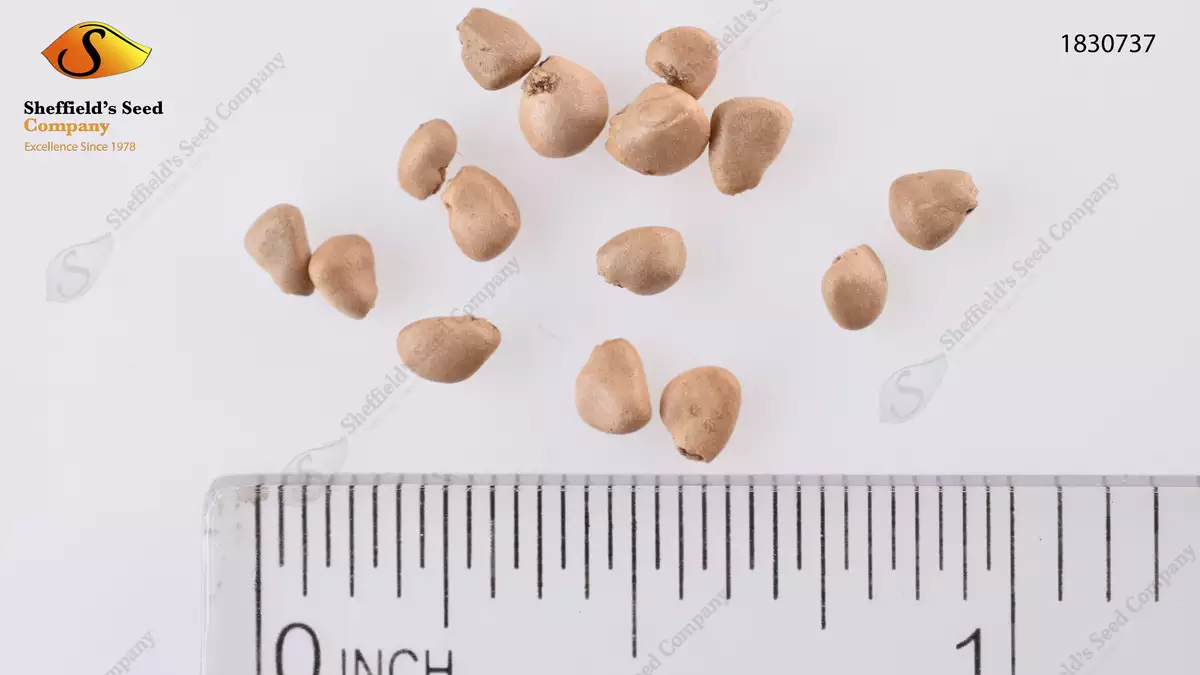
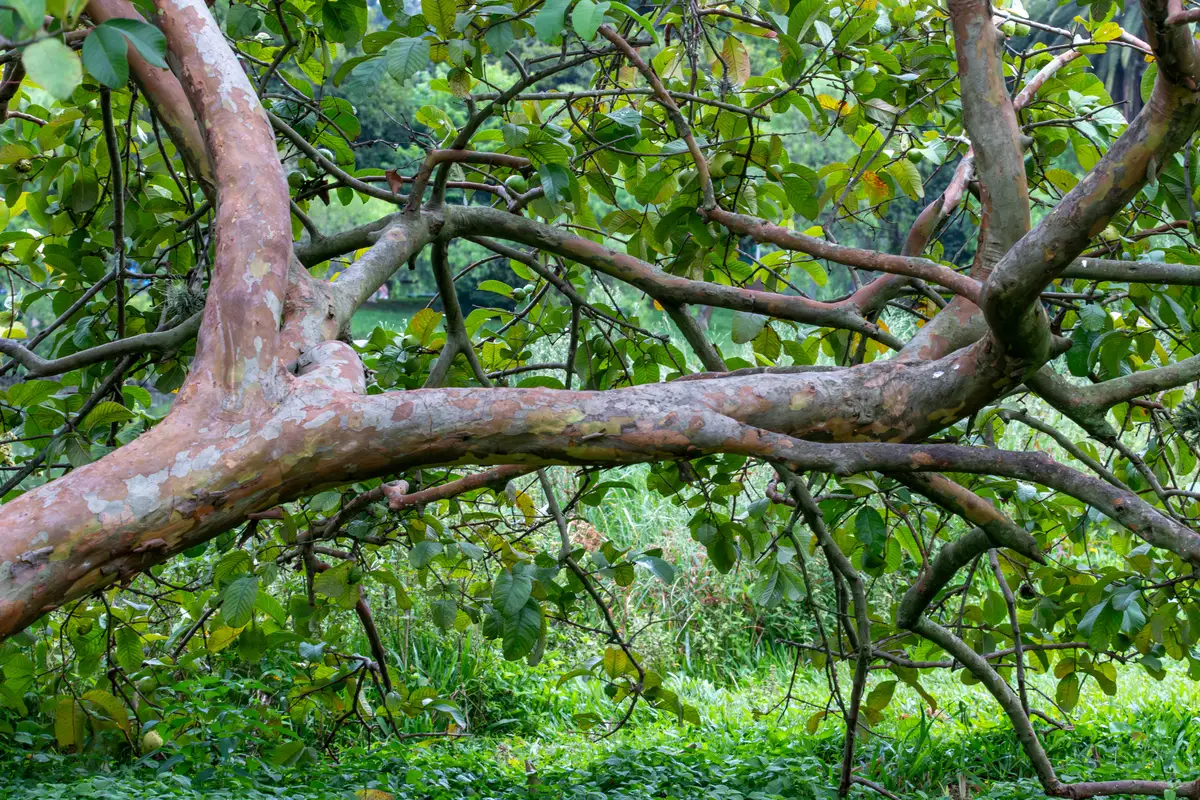
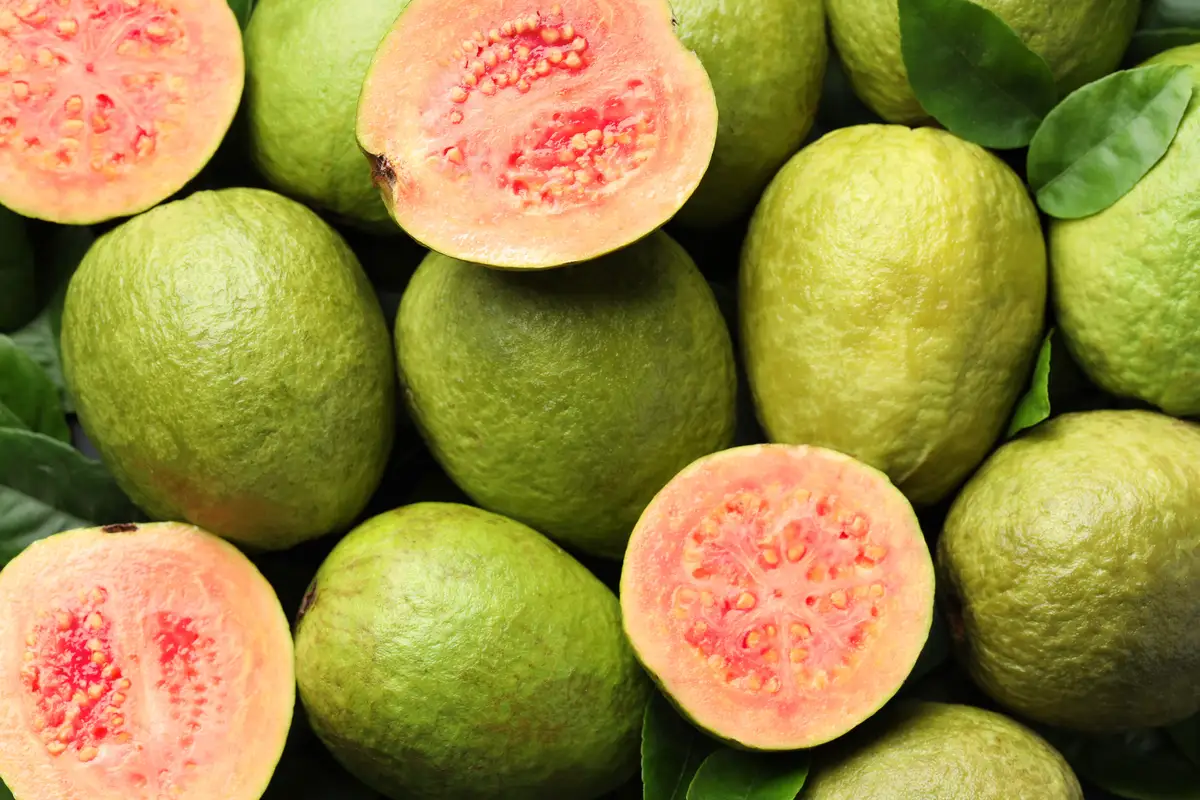
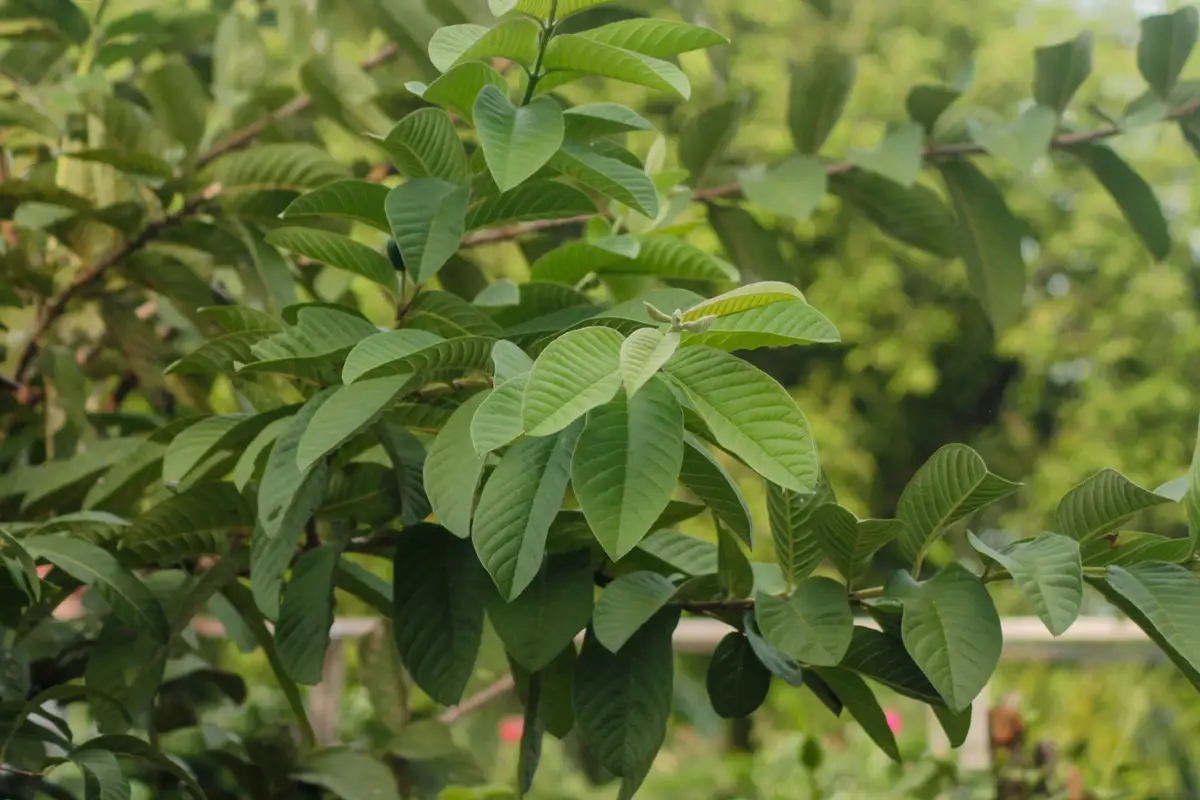
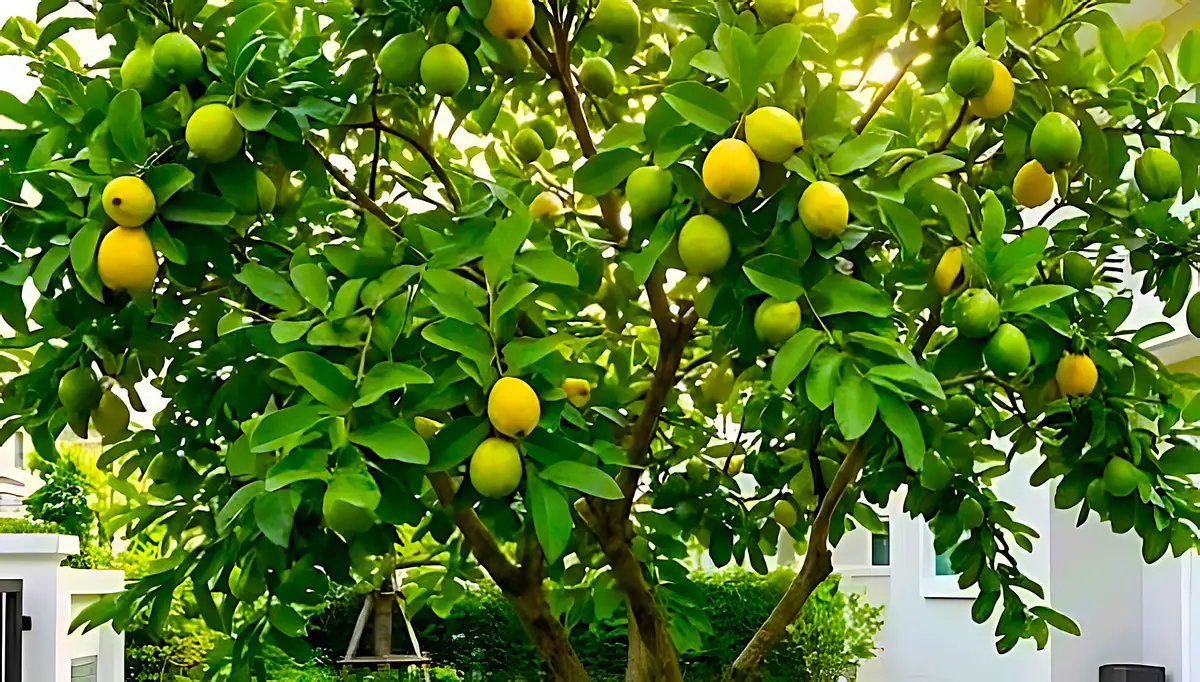
Psidium guajava, commonly known as Guava, is an exceptional tropical fruit revered for its delightful flavor and remarkable versatility. Native to regions such as Central and South America, this evergreen shrub or small tree thrives beautifully in warm climates. Guava’s thin, edible skin encases a sweet, aromatic flesh available in a variety of shades, from pink to white, offering a tasty adventure akin to a blend of strawberry and pear with a citrus twist. Ideal for gardens and adaptable to container growth, Guava trees grow rapidly and bear fruit within just 2 to 4 years.
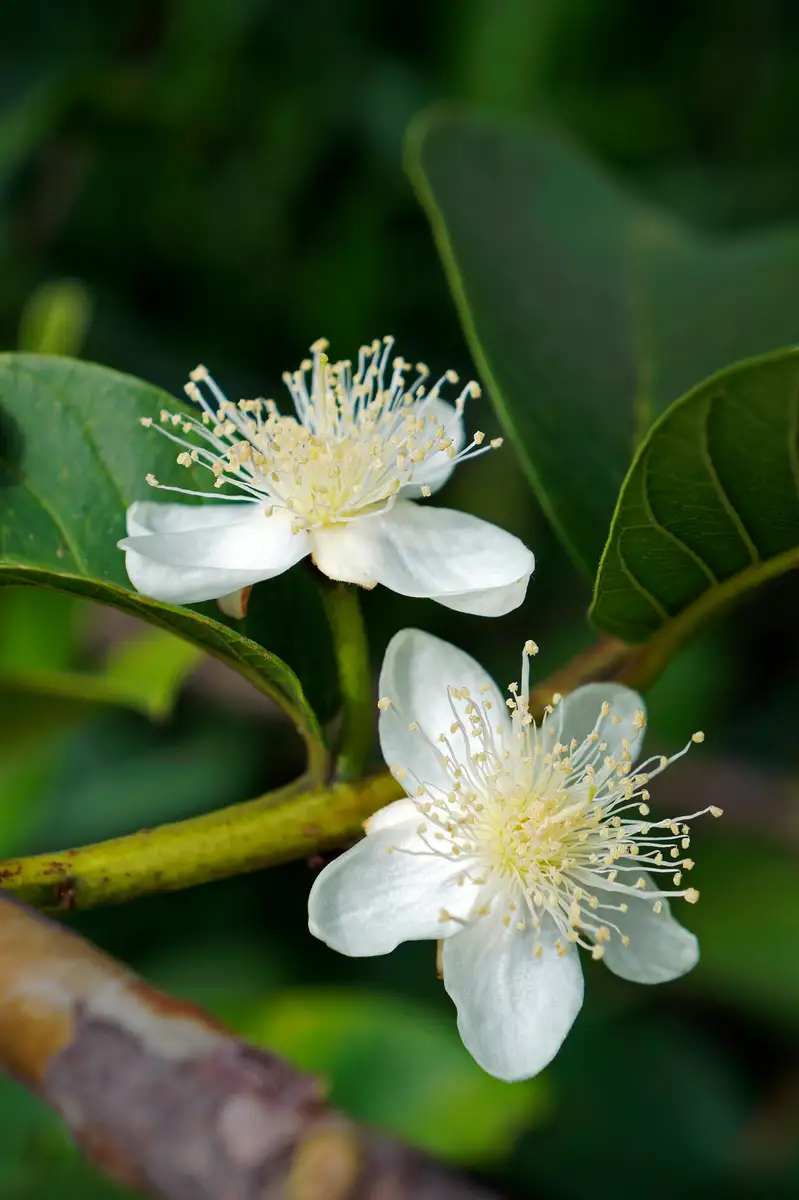
Beyond its delicious taste, Guava is a powerhouse of wellness, with leaves traditionally brewed into teas promoting digestive health and blood sugar support. As a member of the myrtle family (Myrtaceae), Guava boasts striking white flowers that attract beneficial pollinators such as bees and butterflies, enhancing biodiversity in any garden. A favorite among tropical fruits, guava is celebrated alongside mango, papaya, and pineapple for its bold flavor and juicy texture.
Hardy in USDA Zones 9–11, Guava trees prefer warm temperatures and well-drained soil. They adapt well to pruning and can even be fashioned into beautiful bonsai specimens. While thriving in tropical and subtropical regions, Guava must be managed responsibly to prevent invasiveness in certain areas. Whether consumed fresh or incorporated into concoctions like juices and jams, this fruit remains cherished worldwide for its exotic charm and numerous health benefits.