0


Close
2 / 6
3 / 6

AdobeStock

4 / 6

AdobeStock

5 / 6

AdobeStock

6 / 6

AdobeStock

Growing Info

Scarification
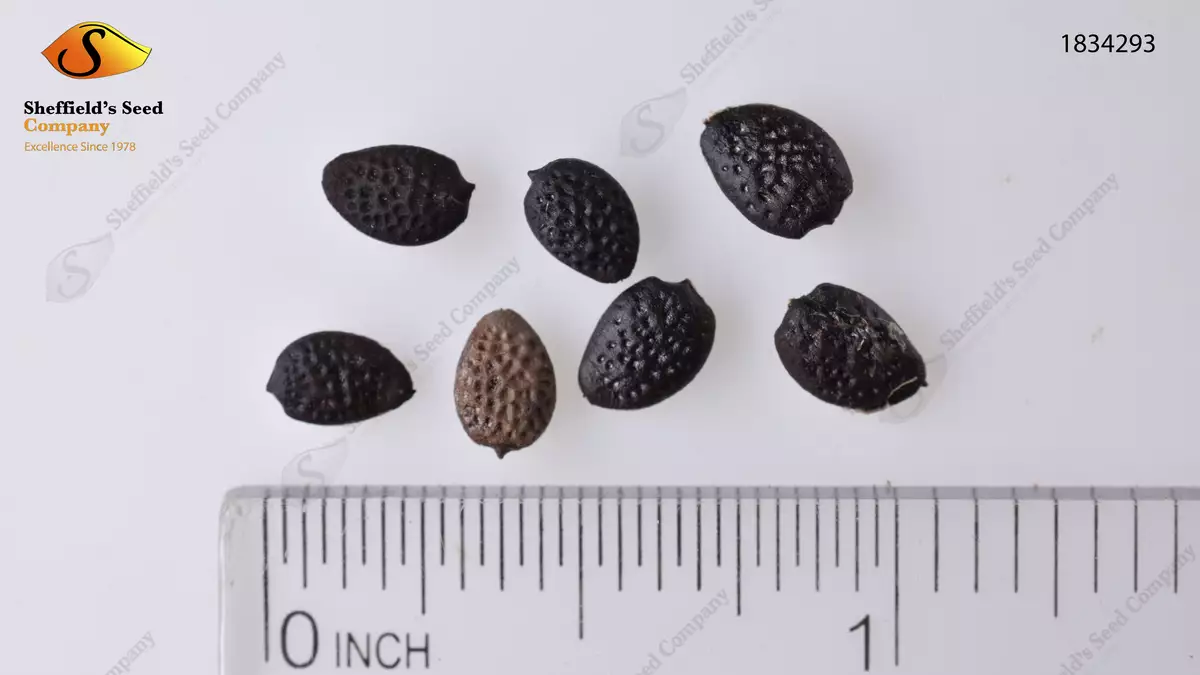
Scarification: Pre-soak seed for 12 hours in warm water.
Stratification
Stratification: none required
Germination
Germination: It is best sown on surface of light soil or peat moss with bottom heat. Seed will germinate in 1-12 months at 68 degrees F.

Native to: Alabama, Arkansas, Delaware, District of Columbia, Florida, Georgia, Illinois, Indiana, Kansas, Kentucky, Louisiana, Maryland, Mississippi, Missouri, North Carolina, Ohio, Oklahoma, Pennsylvania, South Carolina, Tennessee, Texas, Virginia, West Virginia
Native
Introduced

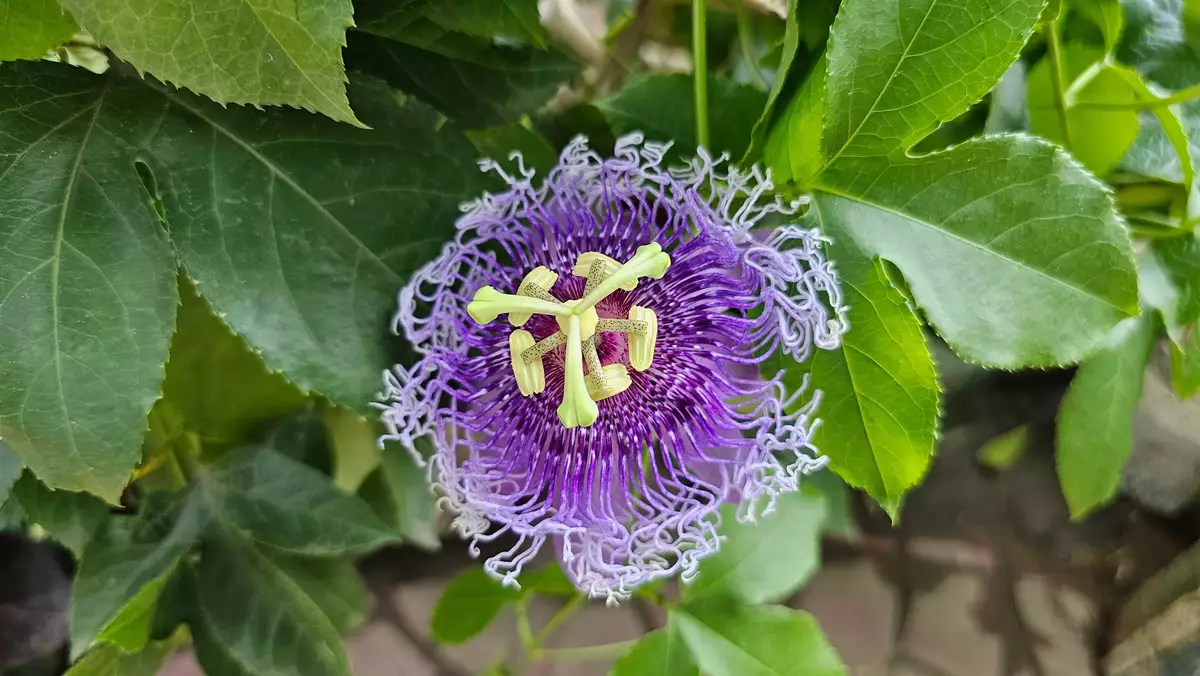
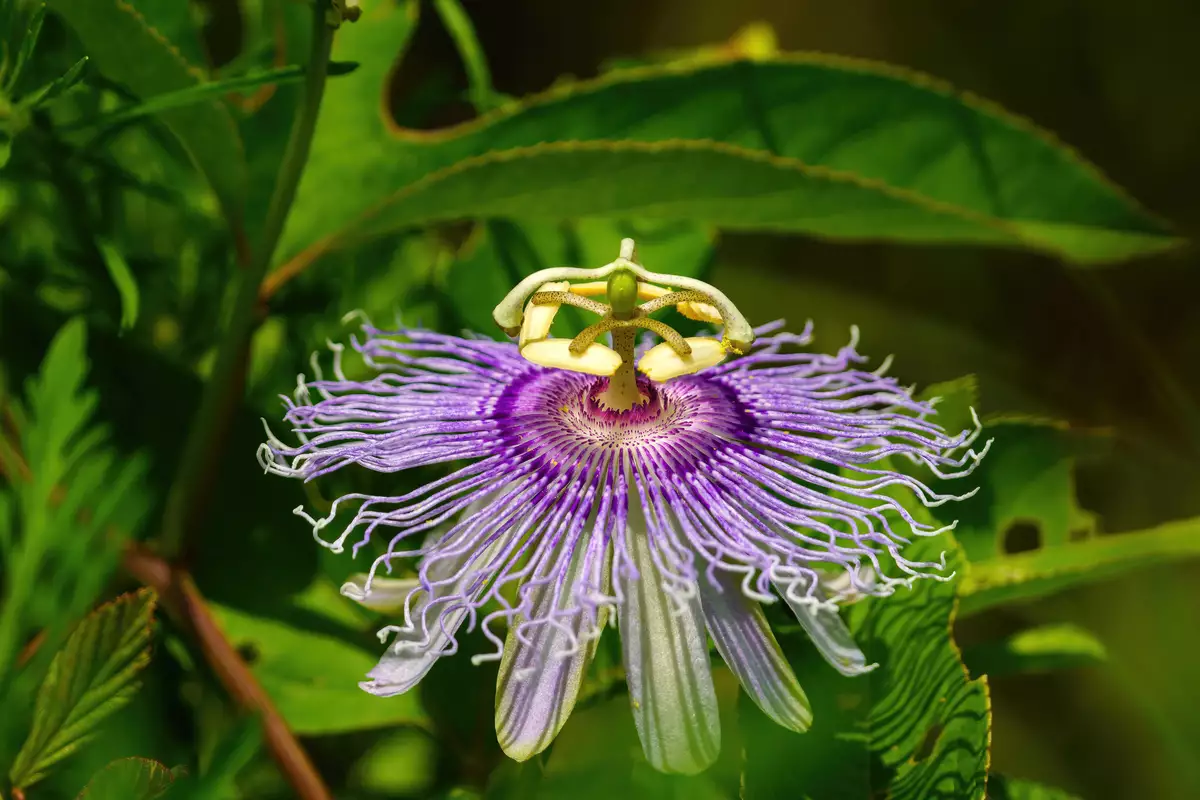
Passiflora incarnata

Maypop, Purple Passionflower, True Passionflower, Wild Apricot, Wild Passion Flower, Wild Passion Vine

  • Passiflora incarnata

Please select the quantity desired, and we will advise availability and price as soon as possible.

Details

Min. hardiness zone:
5

Growing Info

Scarification
Scarification: Pre-soak seed for 12 hours in warm water.
Stratification
Stratification: none required
Germination
Germination: It is best sown on surface of light soil or peat moss with bottom heat. Seed will germinate in 1-12 months at 68 degrees F.

Native to: Alabama, Arkansas, Delaware, District of Columbia, Florida, Georgia, Illinois, Indiana, Kansas, Kentucky, Louisiana, Maryland, Mississippi, Missouri, North Carolina, Ohio, Oklahoma, Pennsylvania, South Carolina, Tennessee, Texas, Virginia, West Virginia
Native
Introduced
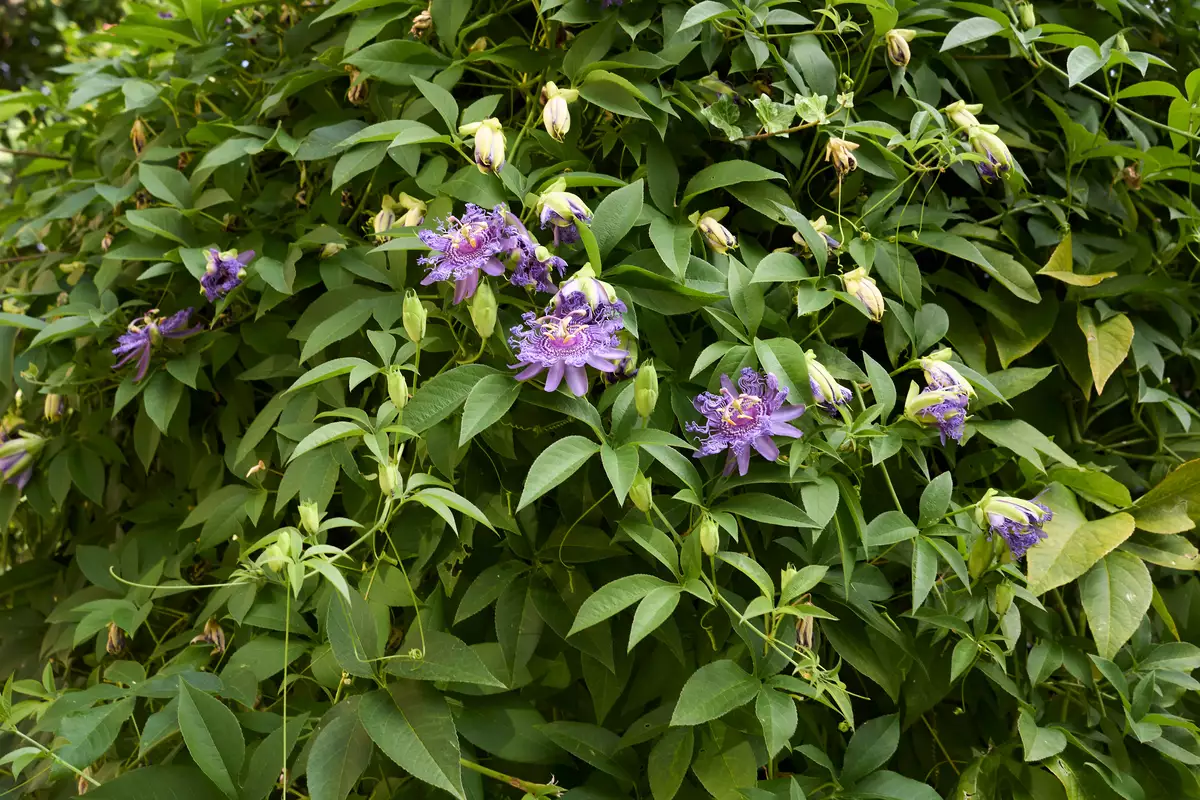
Passiflora incarnata, commonly known as Maypop or Purple Passionflower, is a captivating addition to any garden with its robust growth, spectacular blooms, and wildlife appeal. Native to the Southeastern U.S., this hardy vine thrives in USDA zones 5 to 9, reaching impressive heights of 10-20 feet in just one season. Maypop’s unique flowers boast a striking combination of white petals crowned with pinkish-purple filaments, blooming prolifically from midsummer into fall, and filling the air with a delightful fragrance. Each bloom showcases intricate details that make it irresistible to pollinators like butterflies, bees, and hummingbirds.

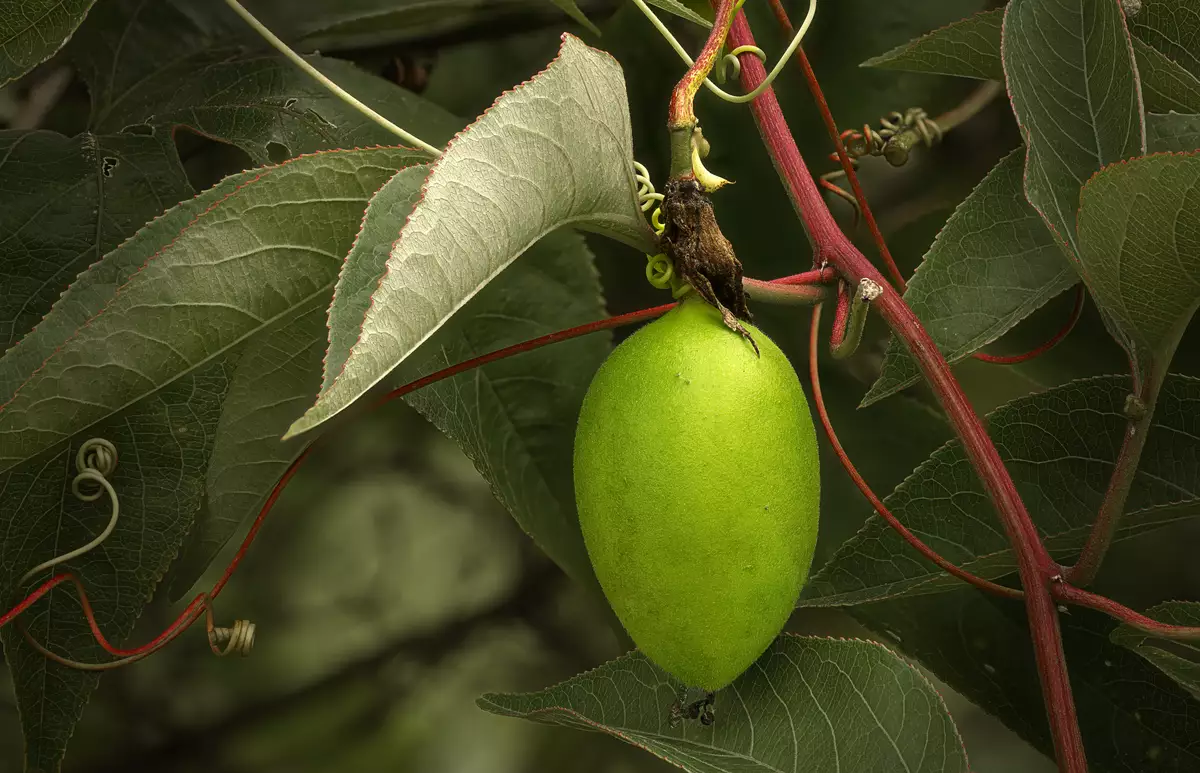
In addition to its stunning aesthetics, Maypop produces fleshy, egg-shaped fruits known as maypops. These edible delights transition to a yellowish hue as they ripen, delivering a mildly sweet and tangy flavor perfect for fresh consumption or in recipes like jellies and sorbets.

Easily grown in well-drained soils with access to full sun to part shade, Maypop is a low-maintenance plant that tolerates drought and even thrives in less-than-ideal conditions. Its vigorous growth habit means it can quickly cover trellises, walls, or fences, creating a lush, green oasis. Maypop is not just beautiful but functional, contributing to a vibrant ecosystem by catering to various wildlife, including serving as a larval host for butterflies. However, owners should monitor its spread via root suckers if a controlled growth is desired.

You might also like

Metasequoia glyptostroboides

Metasequoia glyptostroboides

Dawn Redwood

Papaver somniferum

Papaver somniferum

Opium Poppy

Sequoia sempervirens

Sequoia sempervirens

California Redwood, Coast Redwood, Redwood

Sequoiadendron giganteum

Sequoiadendron giganteum

Bigtree, Giant Sequoia, Sierra Redwood, Sierran Redwood, Wellingtonia

(315) 497-1058
269 NY-34 Locke NY 13092
seed@sheffields.com

HOME - logo

Find us on: