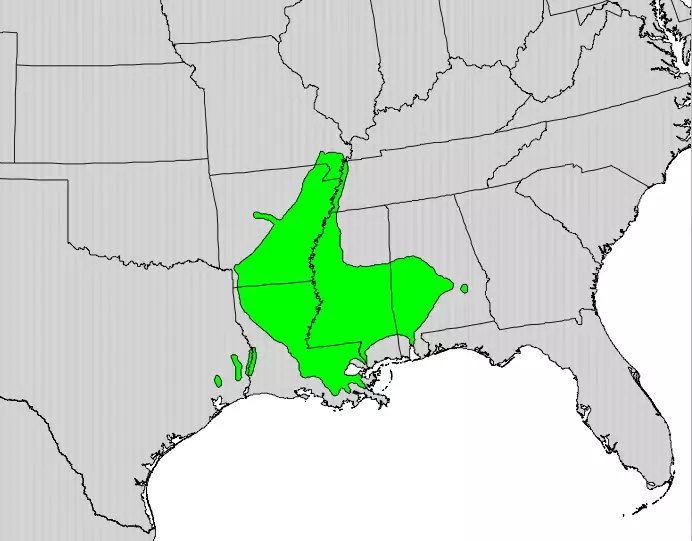
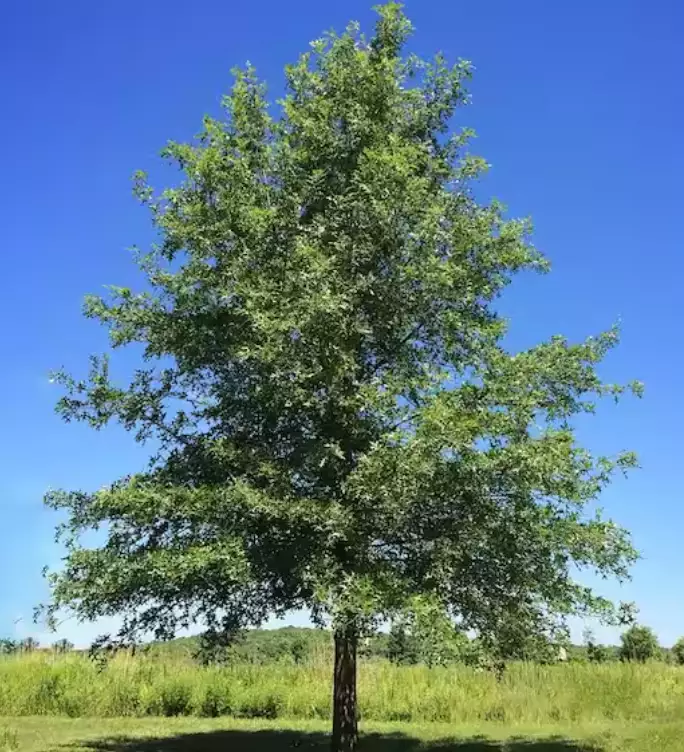
Quercus texana (previously listed as Q.nuttallii), commonly known as Nuttall Oak, is a magnificent deciduous tree native to the floodplain forests of the south-central United States, particularly thriving in the Mississippi River basin. Renowned for its impressive stature and adaptability, this oak species is an ideal choice for those seeking a robust shade tree. Reaching heights of 50 to 80 feet with a wide-spreading rounded crown, Nuttall Oak offers a striking presence in any landscape.
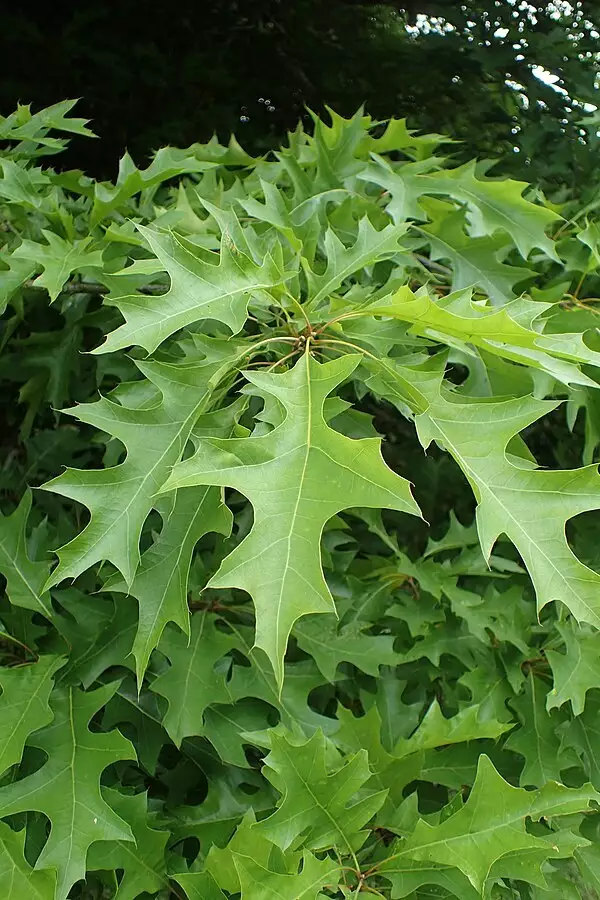
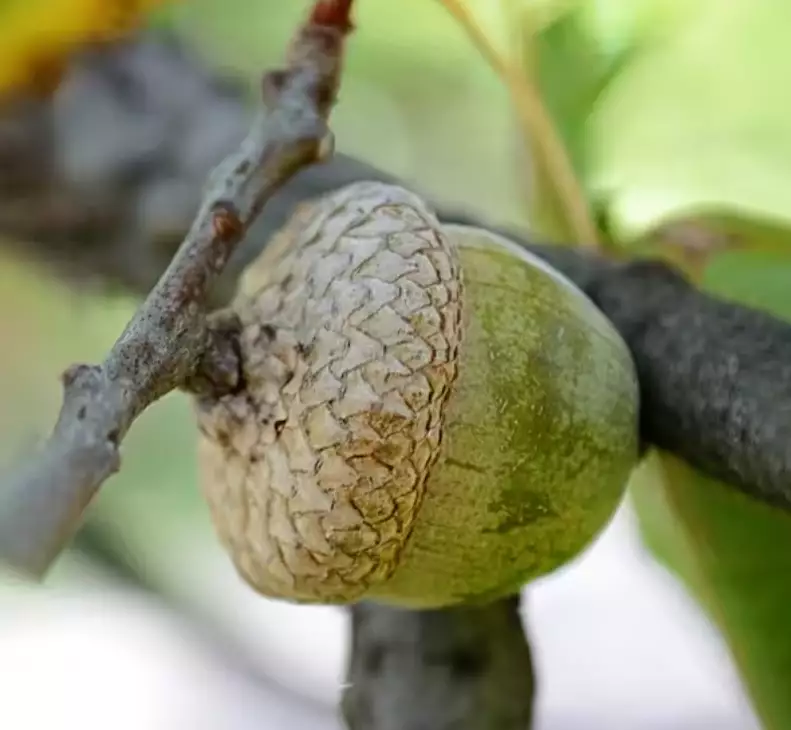
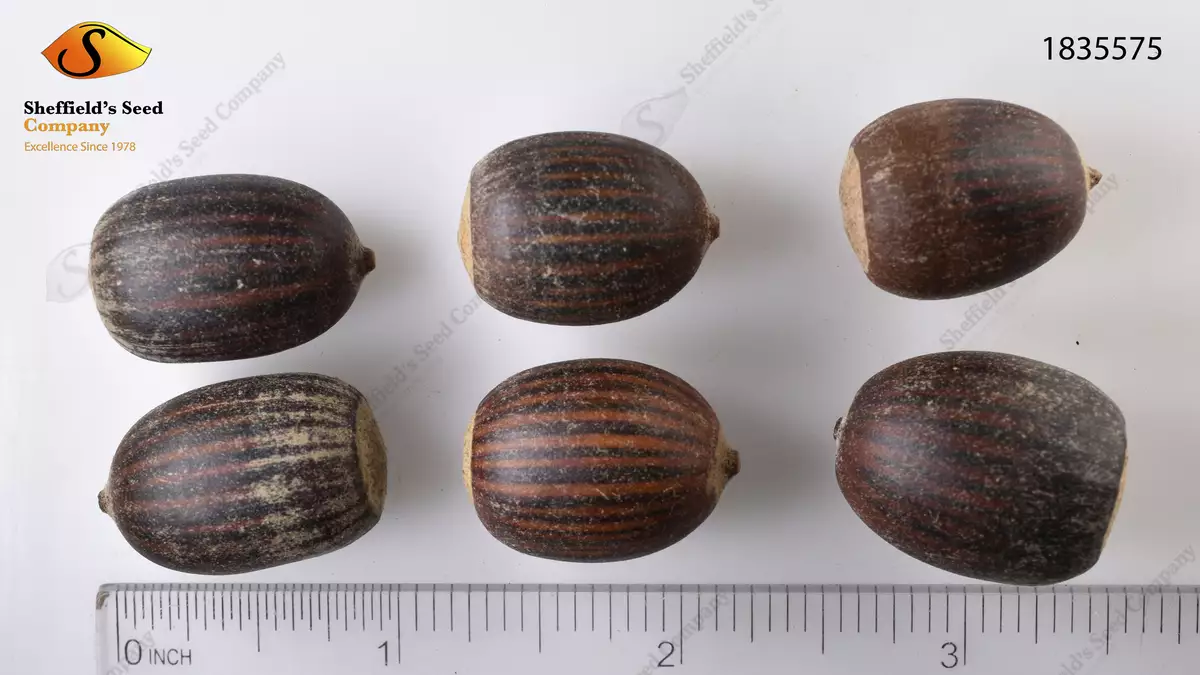
During spring, the tree features inconspicuous yellowish-green flowers that give way to distinctive oval acorns, providing nourishment for birds and small mammals. The foliage is deeply divided into bristle-tipped lobes, transitioning into a vibrant display of red or orange in the fall. Tolerant of clay and wet soils, Nuttall Oak thrives in full sun and rich, moist, acidic loams, yet it adapts readily to various soil conditions, including drought once established.
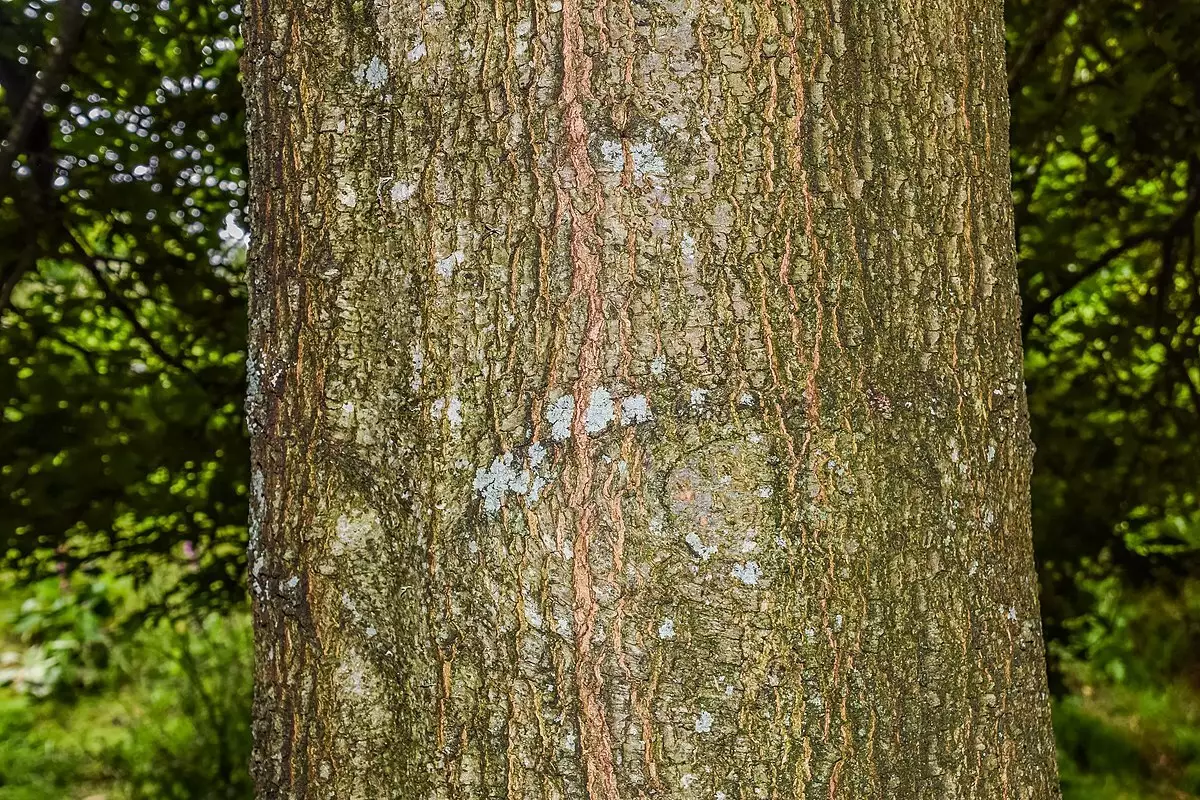
Its slender, smooth twigs and gray-brown bark, which develops robust scaly ridges with age, add to its winter interest. Hardiness in USDA Zones 6 through 9 makes it suitable for diverse landscapes, from urban streets to rain gardens. Named in honor of botanist Thomas Nuttall, this tree also serves as a larval host for the Imperial moth and numerous butterflies, increasing its ecological value. Appeal to both naturalists and landscape designers, Nuttall Oak is a testament to enduring beauty and adaptability, firmly rooting itself as a centerpiece in gardens and wide-open spaces across its native range.









.jpg)