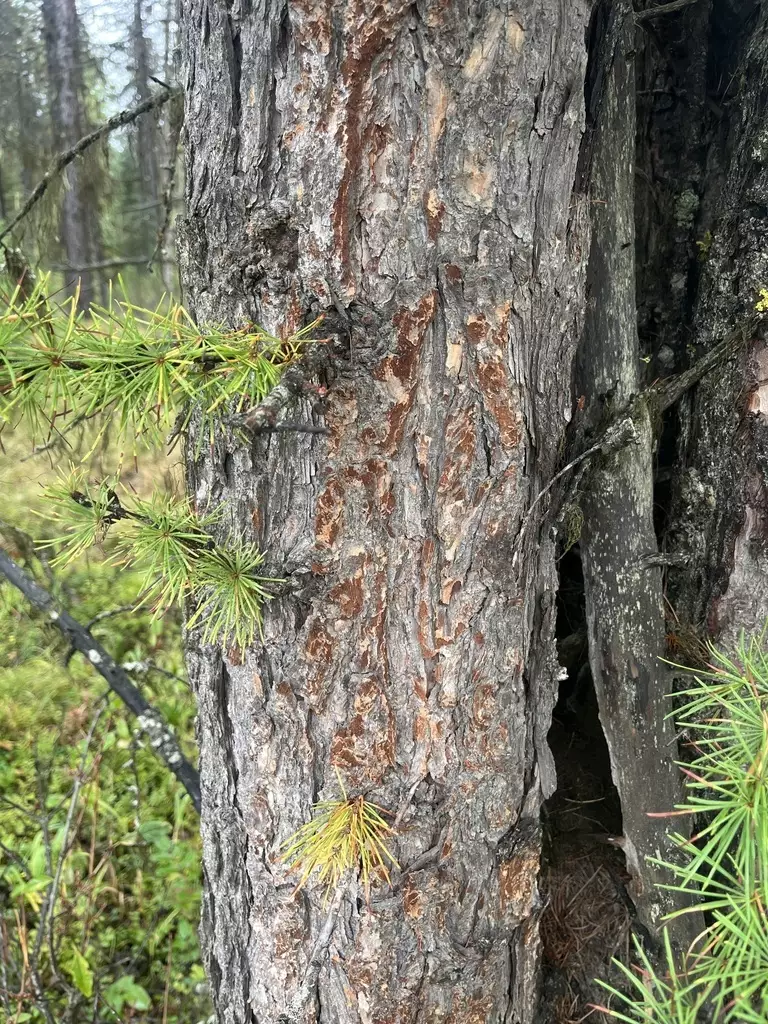
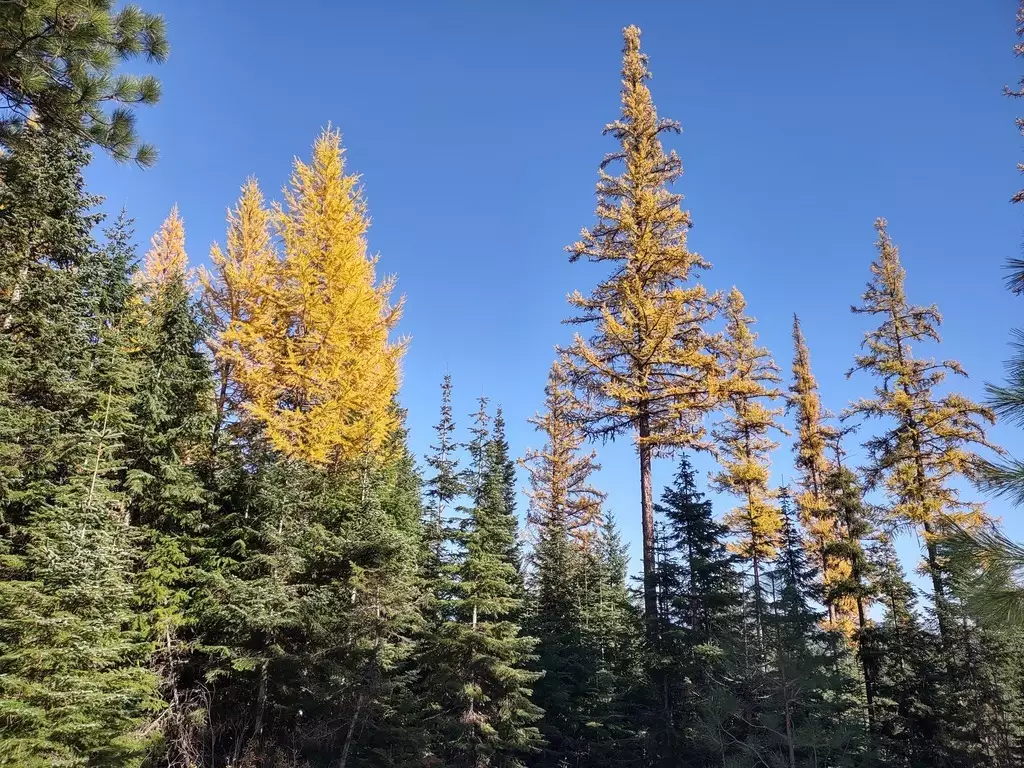
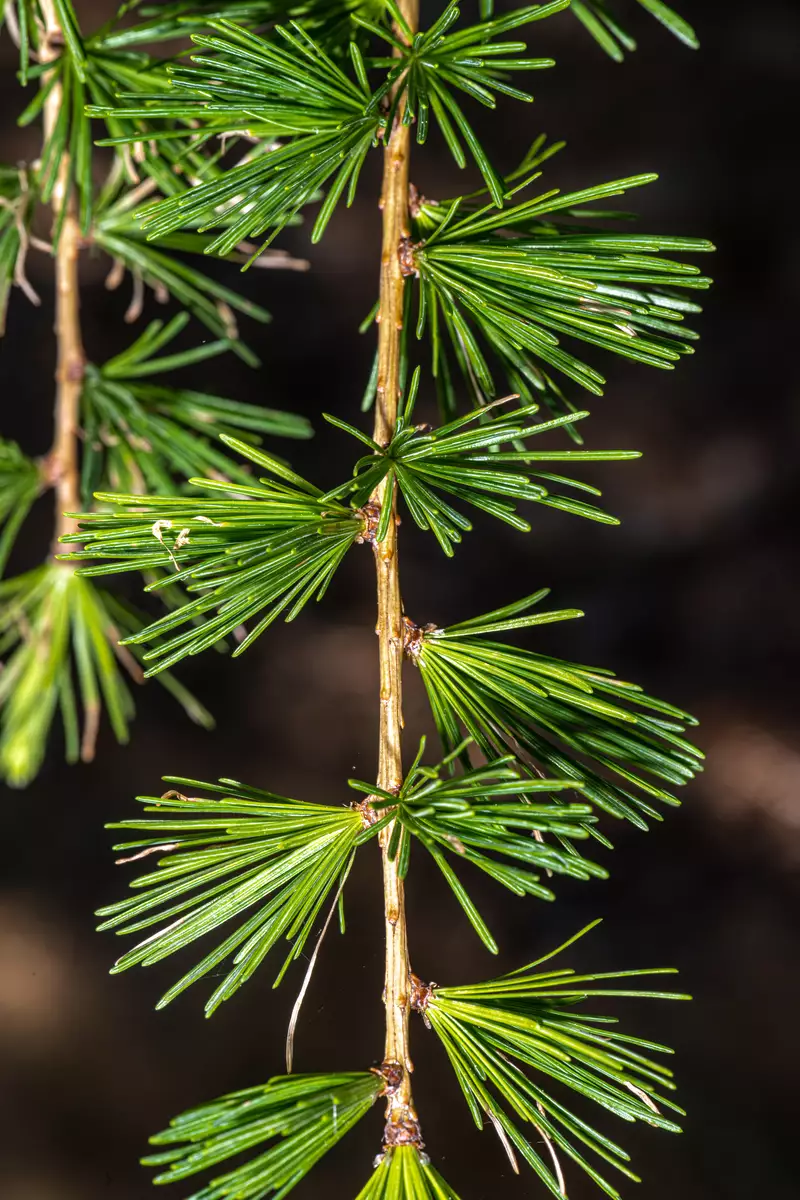
Discover the majestic Larix occidentalis, commonly known as Western Larch or Western Tamarack, a superior deciduous conifer native to the stunning landscapes of the Pacific Northwest. Reaching impressive heights of up to 230 feet, this giant is renowned for its open, pyramidal form, adorned with horizontal branches and a thick trunk often bare of branches, showcasing reddish-brown bark that matures into a heavily furrowed, cinnamon-colored surface. This extraordinary tree is celebrated for its clusters of 15-30 needle-like leaves, each glossy pale green in the spring and summer, turning a brilliant yellow in autumn before shedding for winter, adding a splash of color to any setting.
Native to the eastern slopes of the Cascades and extending to the northern Rocky Mountains, Western Larch thrives in full sun and moist, light soils. Tolerant of cold winters, it is found at elevations of 1,500-7,000 feet, and it plays a critical ecological role in alpine and subalpine forests. Not only is it an important resource for various wildlife as a nesting habitat, but it also offers one of the most valuable timbers in the western United States, prized for its durability and density.
In addition to its ecological and economic contributions, Larix occidentalis holds significant ethnobotanical value. Various Native American tribes have harnessed its natural properties for medicinal purposes, construction, and culinary uses, demonstrating its versatility and significance throughout history. Whether used in restoration efforts or admired in large landscapes, Western Larch stands as a testament to nature’s enduring grace and functionality.