0


Close
1 / 6
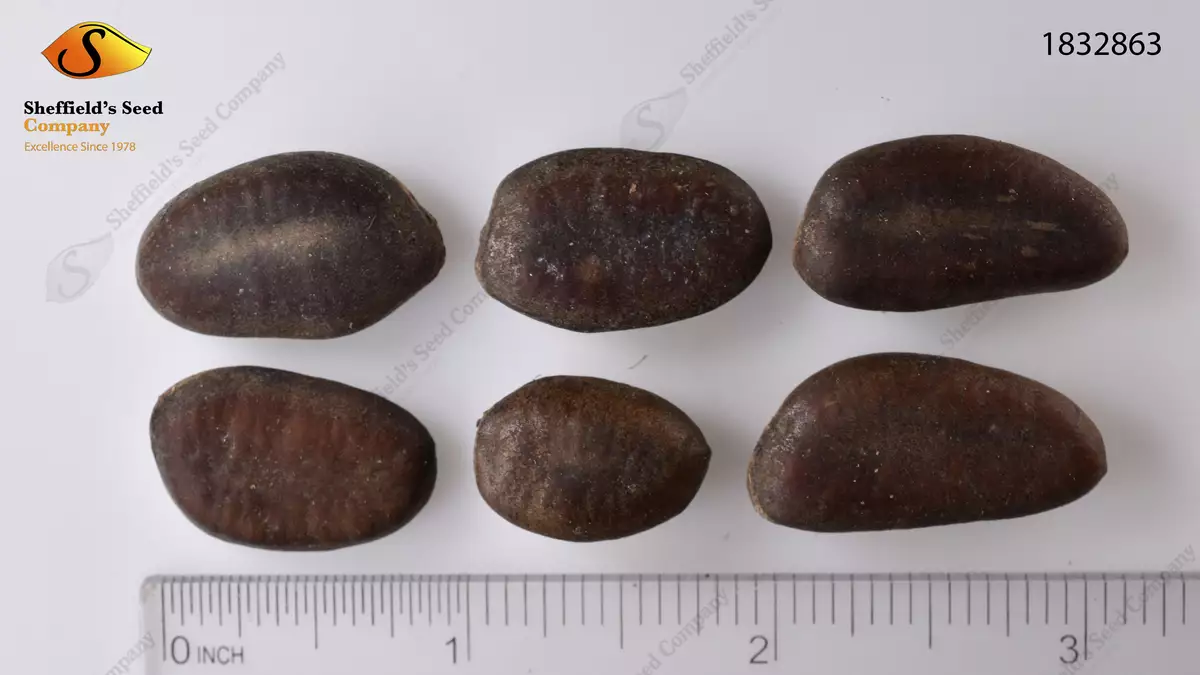
Asimina triloba (Pawpaw), Sheffield's Seed Co., Inc.
2 / 6
Asimina triloba (Pawpaw), Sheffield's Seed Co., Inc.
4 / 6
5 / 6
6 / 6

Growing Info

Scarification
Scarification: Soak in water for 48 - 72 hours
Stratification
Stratification: cold stratify for 90 days
Germination
Germination: sow 1" deep, tamp the soil, mulch the seed bed

Native to: Alabama, Arkansas, Delaware, District of Columbia, Florida, Georgia, Illinois, Indiana, Iowa, Kansas, Kentucky, Louisiana, Maryland, Michigan, Mississippi, Missouri, Nebraska, New Jersey, New York, North Carolina, Ohio, Oklahoma, Ontario, Pennsylvania, South Carolina, Tennessee, Texas, Virginia, West Virginia, Wisconsin
Native
Introduced

Asimina triloba

Common Pawpaw

Contrary to belief - pawpaw seeds can be dried for long term storage. They just require a longer soaking period to imbibe water again. Our seeds are stored dry, but moist inside. We have done a grow test on a large quantity of dried seeds, and they germinated well!
  • Asimina triloba

Please select the quantity desired, and we will advise availability and price as soon as possible.

Details

Min. hardiness zone:
5

Growing Info

Scarification
Scarification: Soak in water for 48 - 72 hours
Stratification
Stratification: cold stratify for 90 days
Germination
Germination: sow 1" deep, tamp the soil, mulch the seed bed

Native to: Alabama, Arkansas, Delaware, District of Columbia, Florida, Georgia, Illinois, Indiana, Iowa, Kansas, Kentucky, Louisiana, Maryland, Michigan, Mississippi, Missouri, Nebraska, New Jersey, New York, North Carolina, Ohio, Oklahoma, Ontario, Pennsylvania, South Carolina, Tennessee, Texas, Virginia, West Virginia, Wisconsin
Native
Introduced
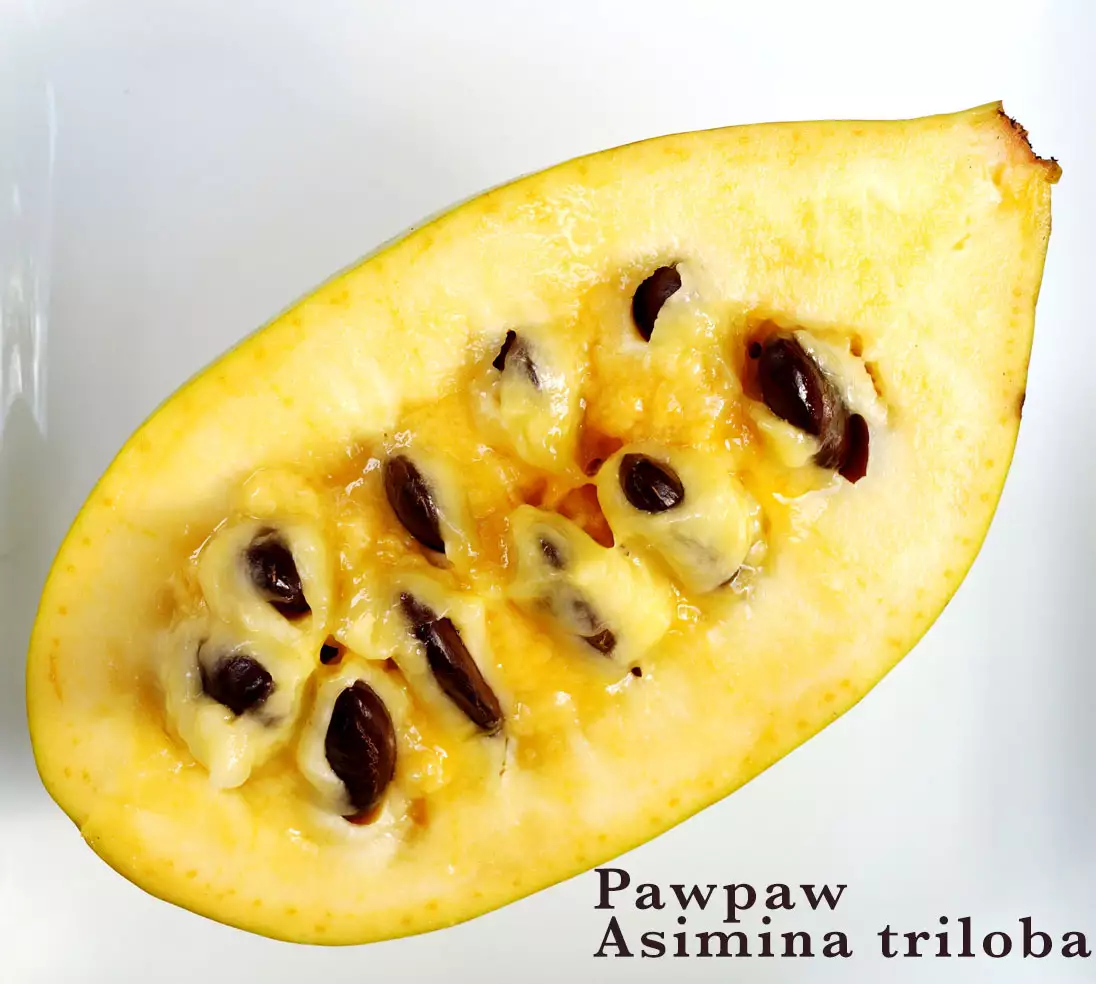
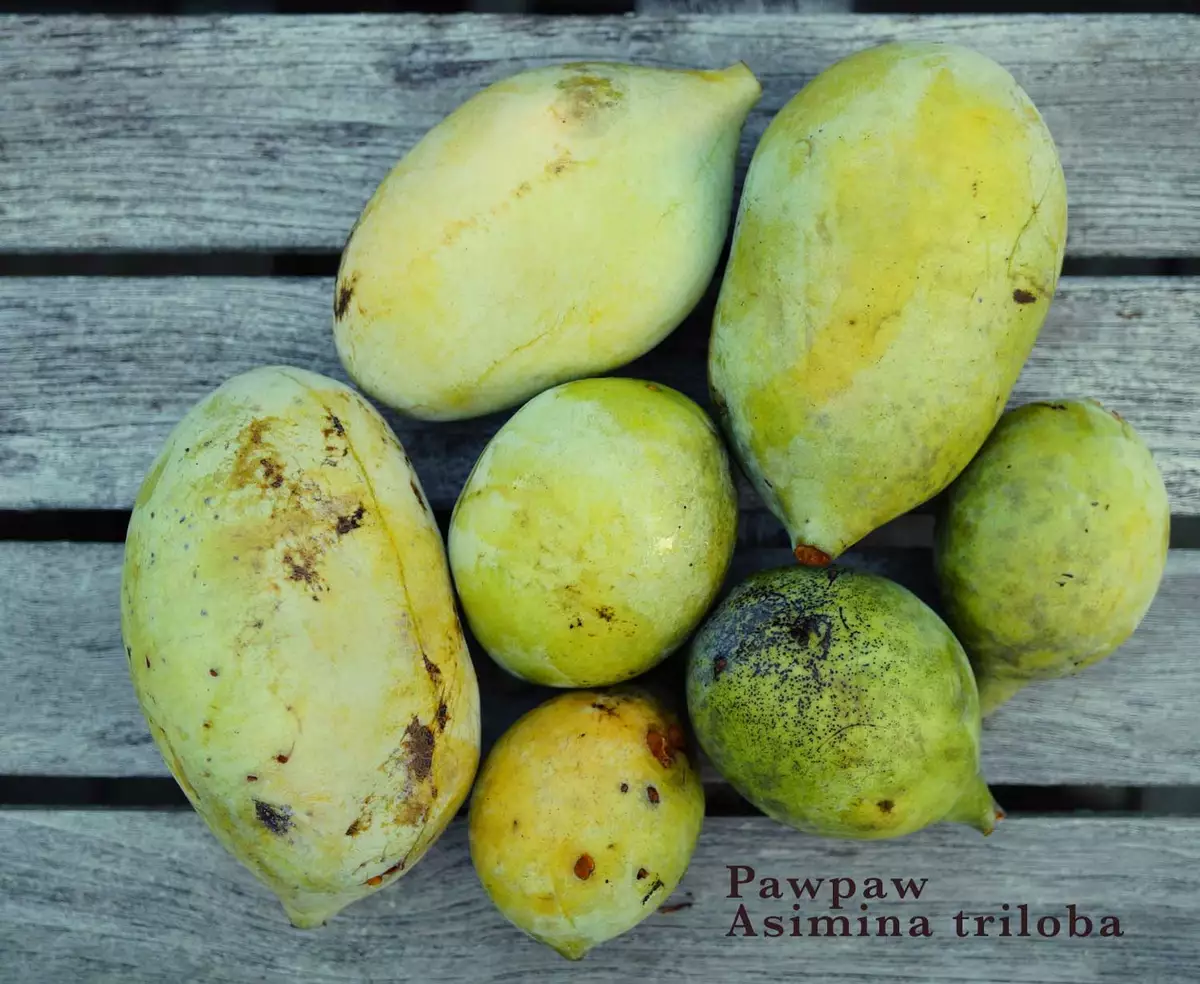
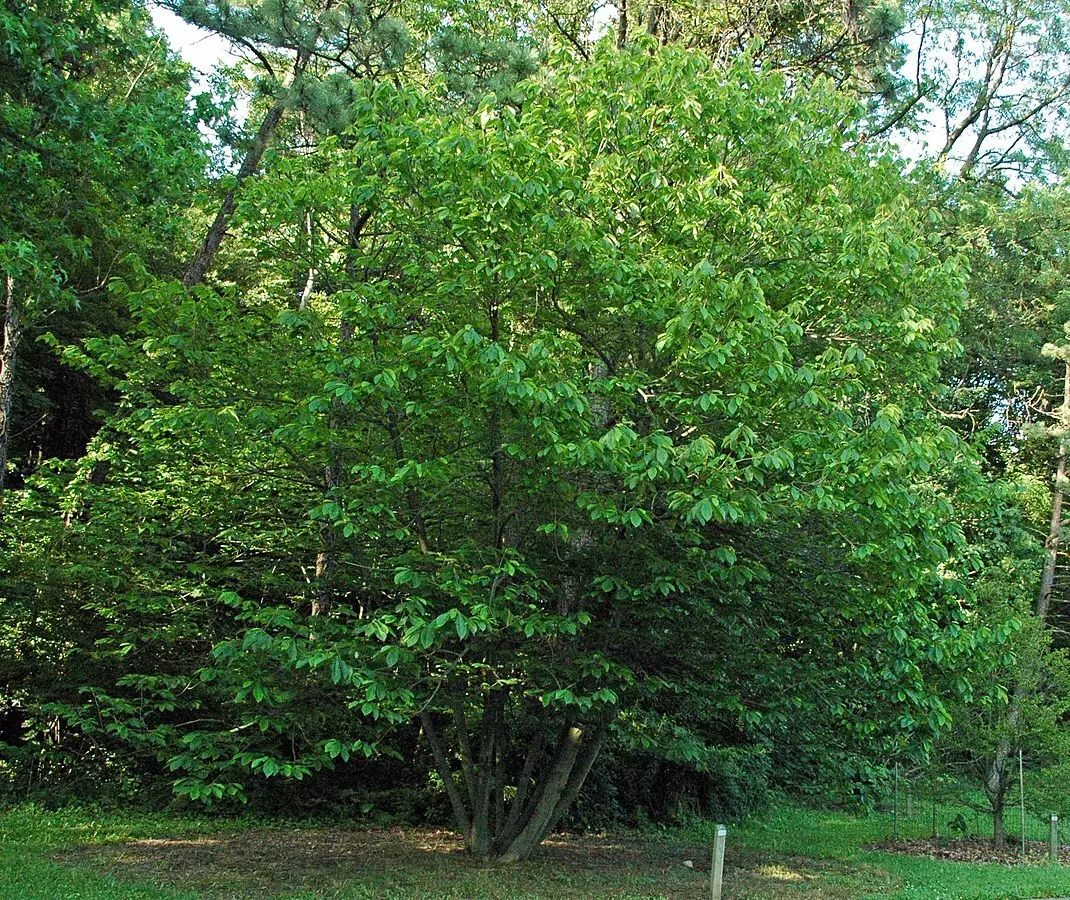
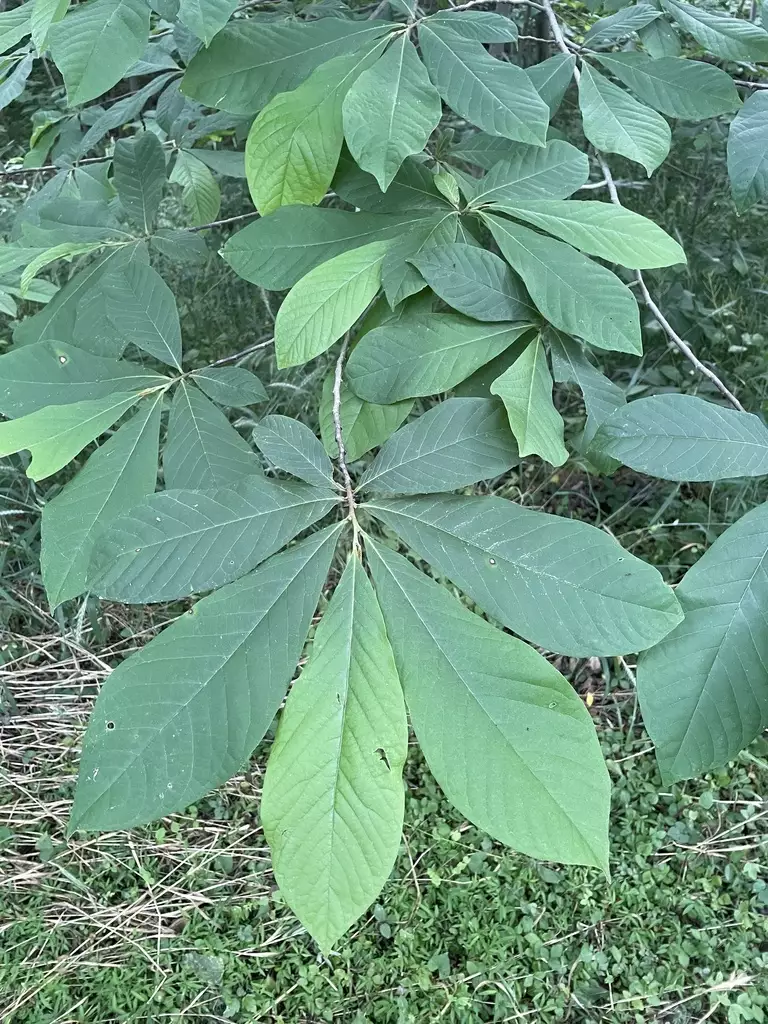
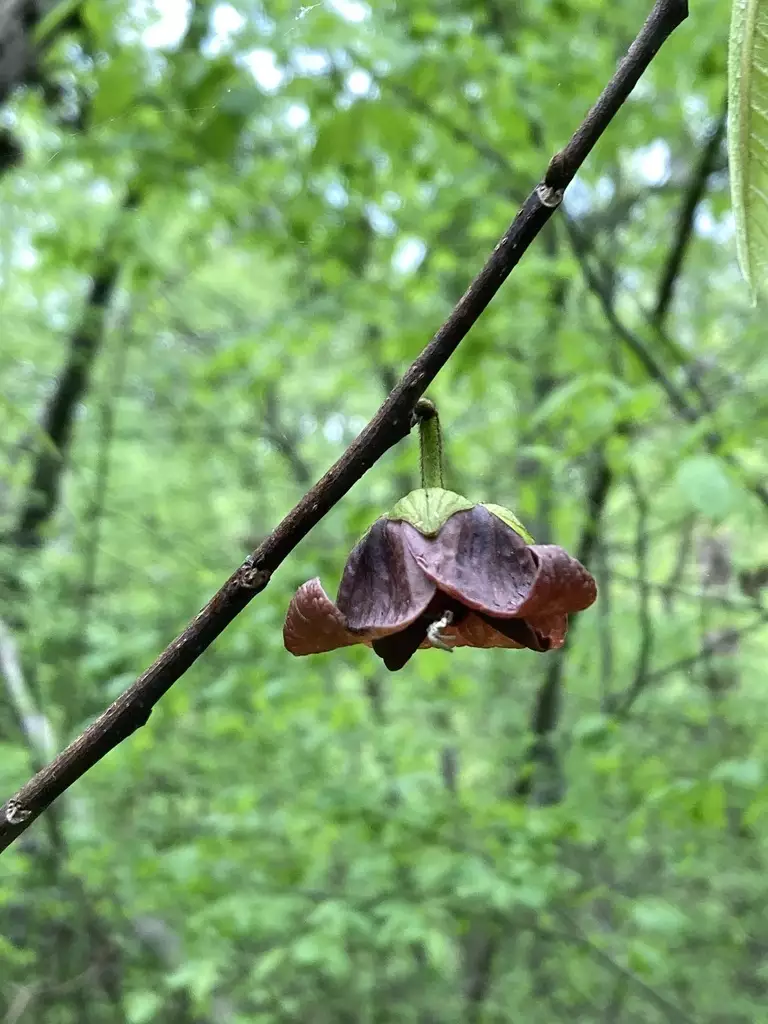
Asimina triloba, also known as the Common Pawpaw, is a unique tropical-looking fruit native to the eastern United States and Canada. It holds the title of the largest edible fruit indigenous to the United States. The fruit is typically harvested in September through October and can be eaten raw or used for making preserves, pies, ice cream, and other sweet desserts. The tree produces droopy long leaves, providing a 'sleepy' aura to the summer landscape. Growing up to 30 ft in height, it is easy to cultivate from seed in the spring in an area with part shade and sun. This small deciduous tree belongs to the same plant family as the custard-apple, cherimoya, sweetsop, ylang-ylang, and soursop. The pawpaw is a patch-forming understory tree found in well-drained, deep, fertile bottom-land and hilly upland habitat. The fruit has a sweet, custardish flavor similar to banana, mango, and cantaloupe. Try growing the Common Pawpaw in your garden and enjoy a taste of uniquely American fruit!

You might also like

Papaver somniferum

Papaver somniferum

Opium Poppy

Sequoia sempervirens

Sequoia sempervirens

California Redwood, Coast Redwood, Redwood

Sequoiadendron giganteum

Sequoiadendron giganteum

Bigtree, Giant Sequoia, Sierra Redwood, Sierran Redwood, Wellingtonia

Vaccinium corymbosum

Vaccinium corymbosum

Highbush Blueberry

(315) 497-1058
269 NY-34 Locke NY 13092
seed@sheffields.com

HOME - logo

Find us on: