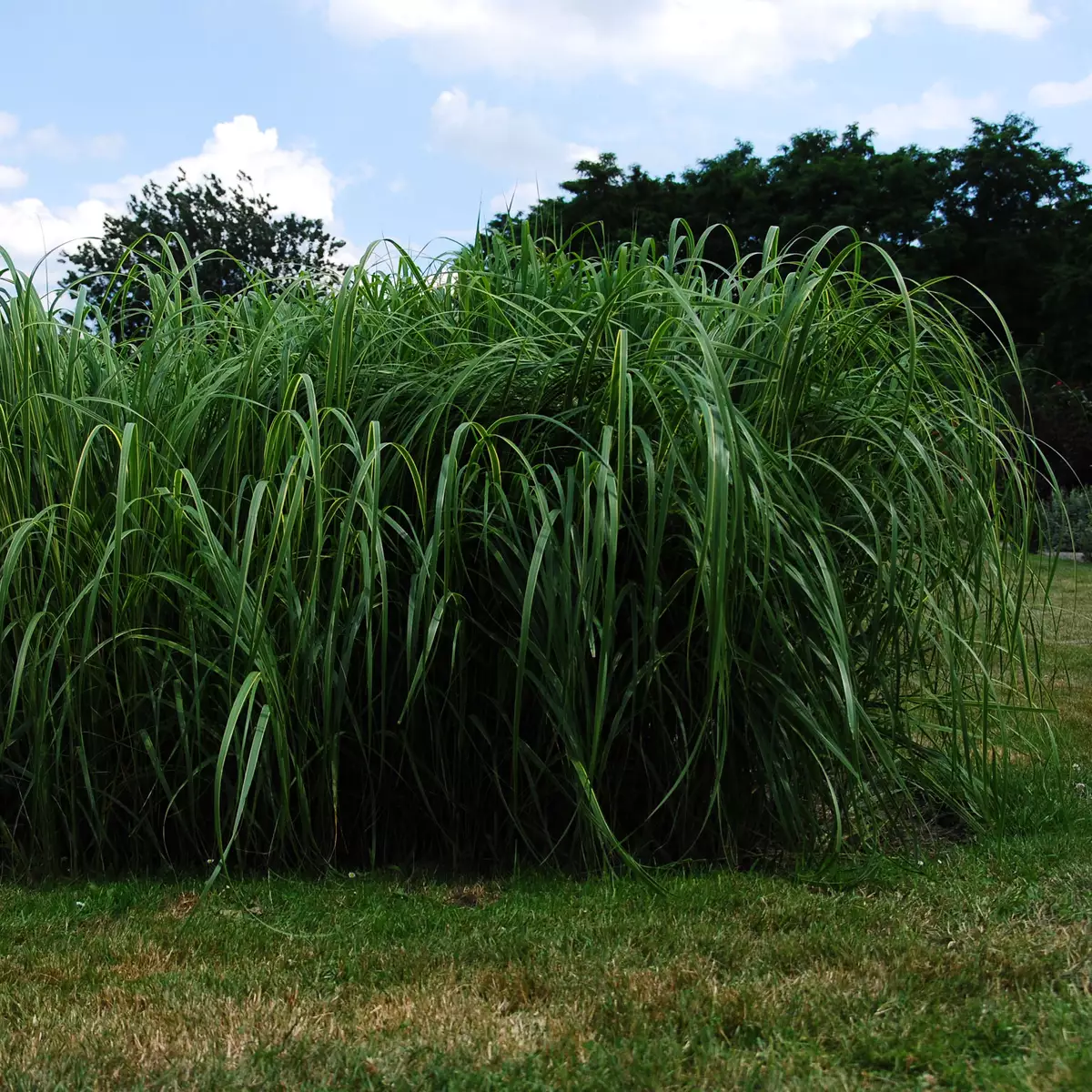
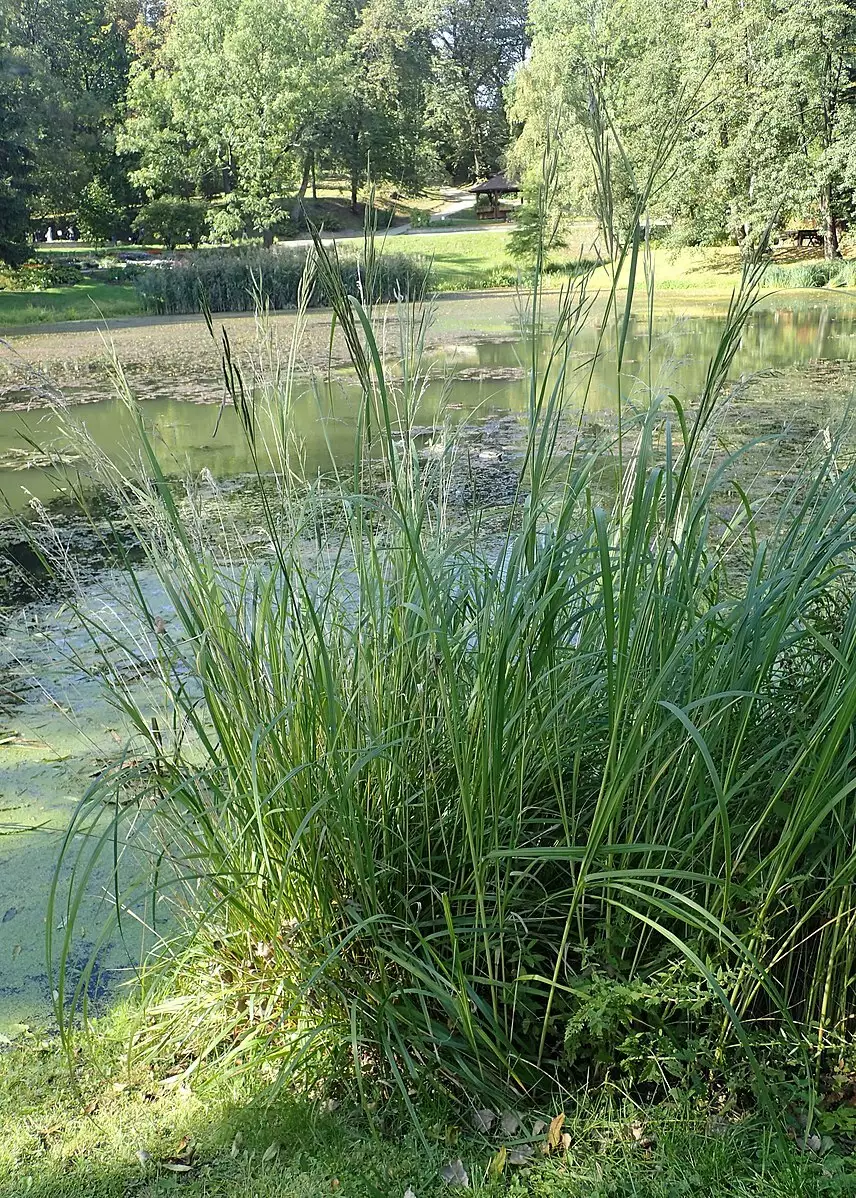
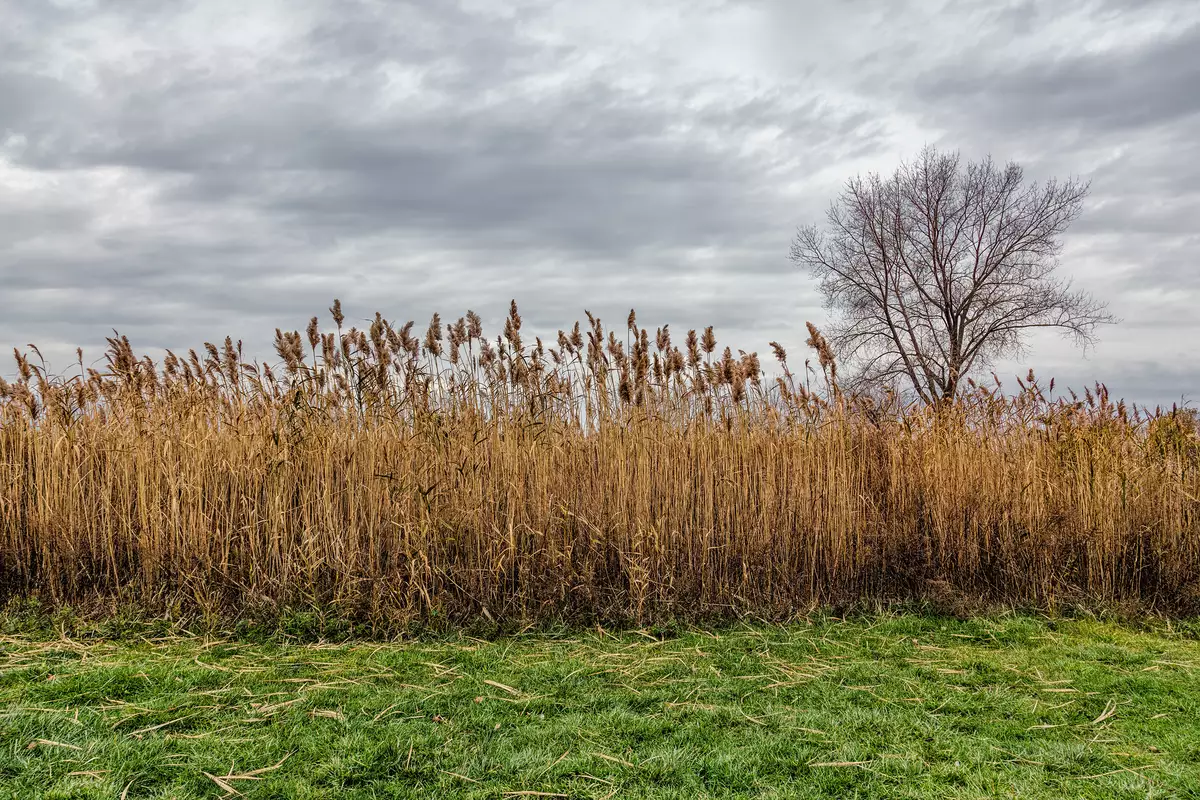
Embrace the resilience and adaptability of Spartina pectinata, commonly known as Prairie Cordgrass or Marsh Grass, a versatile native species perfect for enhancing wetland habitats. Standing tall at 5 to 8 feet, this perennial marvel thrives in wet prairies, marshes, and riverbanks, offering an effective solution for erosion control along streambanks. Its robust rhizomatous root system makes it a formidable ally in combating invasive species like Reed Canary Grass, particularly near water edges.
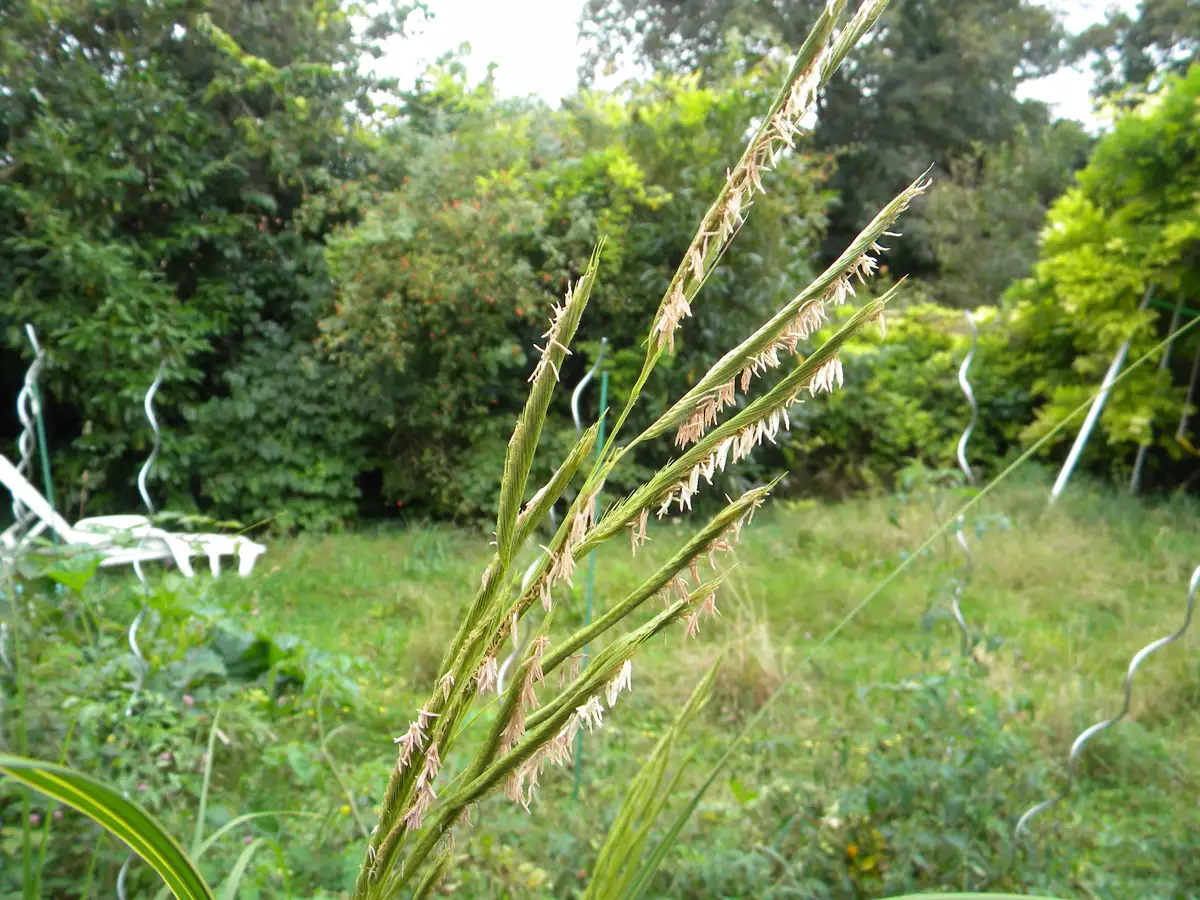
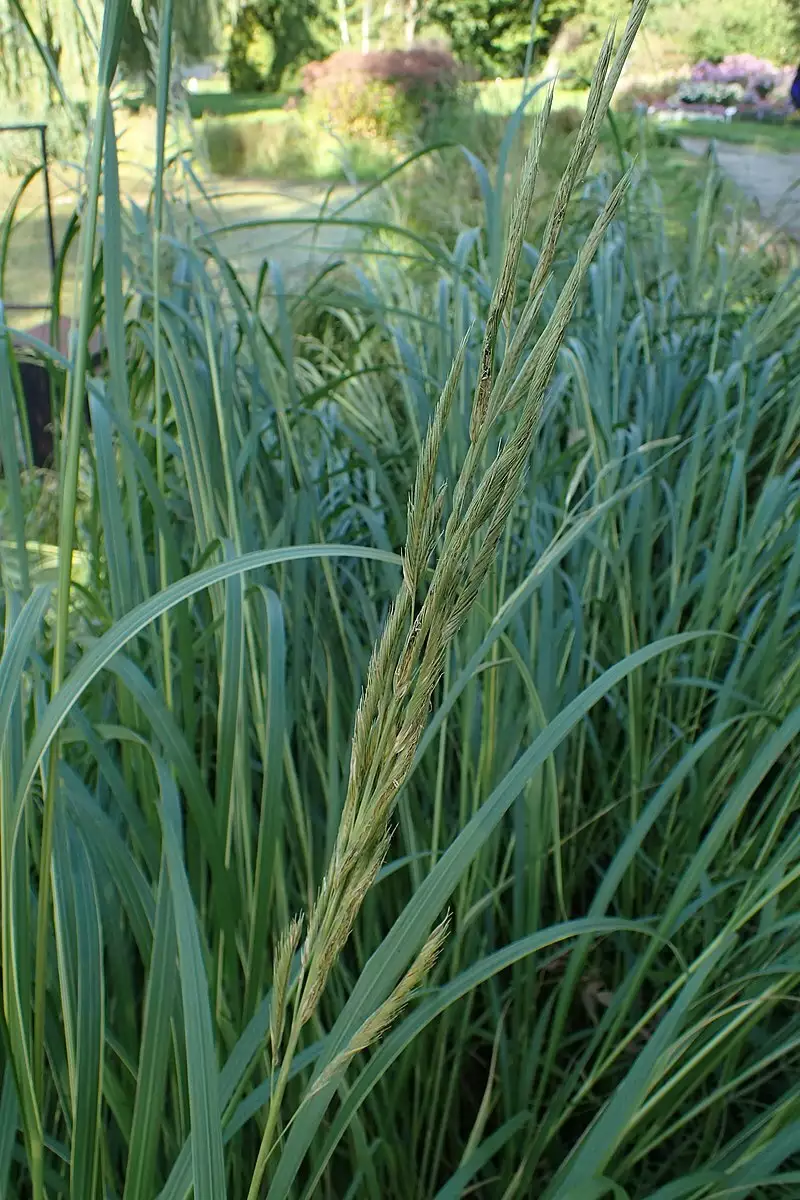
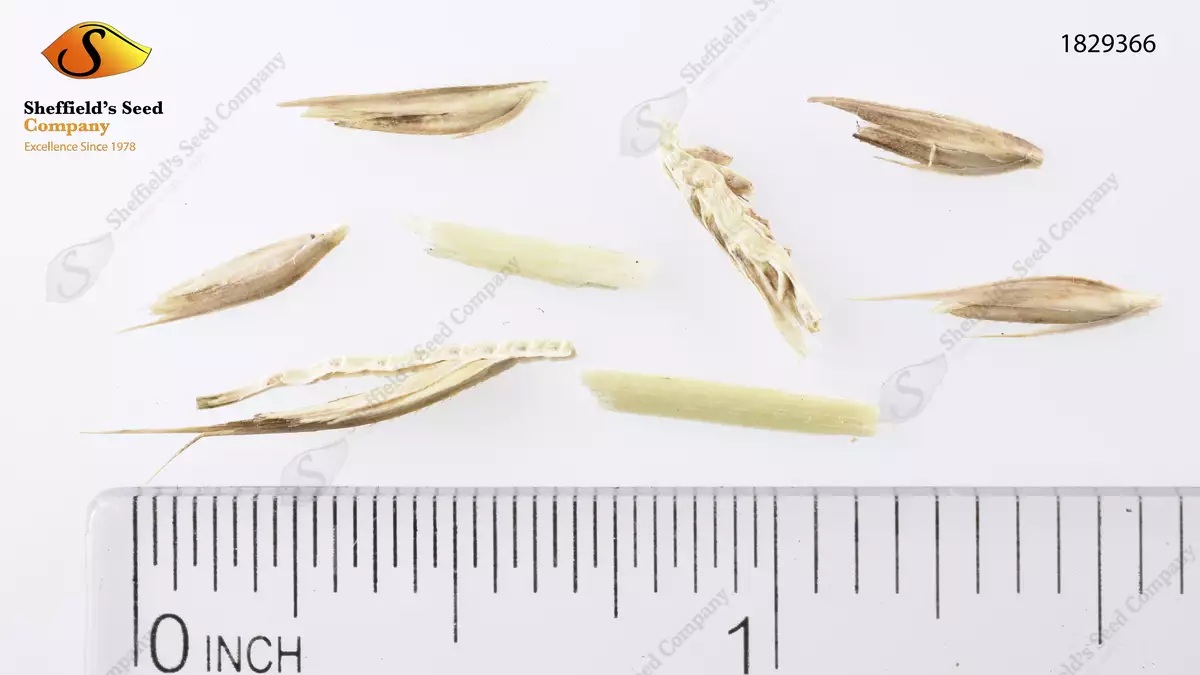
Blooming from July to September, Cordgrass displays ascending spikelets with tan-colored seedheads that add visual intrigue to any landscape. This grass not only withstands full and partial sun but also thrives in a range of soil types from loam to clay, as long as there's adequate moisture. Its pH tolerance (6.0 - 8.5) and adaptability to medium-wet conditions make it a reliable choice for varied environments.
Beyond aesthetics, Prairie Cordgrass supports ecological balance by serving as a critical habitat for wetland species. It offers shelter and food for birds, waterfowl, and small mammals, including muskrats and waterfowl like Black Ducks and Canada Geese. The species attracts specialist moth larvae like the Four-lined Borer Moth and Many-Lined Cordgrass Moth, making it a hub of biodiversity. A true dominator of tallgrass prairies and a nod to the landscapes of the past, this grass doesn't just grow—it asserts presence, with a comb-like beauty beckoning to resilient landscapes across the Midwest.