0


Close
1 / 5

AdobeStock

2 / 5

AdobeStock

3 / 5

AdobeStock

4 / 5

AdobeStock

Growing Info

Scarification
Scarification: Soak in hot tap water, let stand in water for 24 hours,If seeds do not swell treat with boiling water
Stratification
Stratification: none required
Germination
Germination: sow seed 1/4 deep, tamp the soil, keep moist, mulch the seed bed

Other: if boiling water treatment does not allow seed to imbibe, sulfuric acid treatment is required, innoculant could be used 

Native to: TN), USA, USA (NC
Native
Introduced

Robinia hispida

Bristly Locust, Moss Locust, Rose Acacia

Join Suppliers We need collectors for this seed. Please contact us if you can get them!
In Stock: 0 g (grams)
  • Robinia hispida

    All items have bulk rates priced in

Details

Germination:
98%
Germination test:
Cut (Full Seed)
Purity:
99%
Seeds per lb:
21,351
Quantity:
0 lb
Crop year:
2025
Min. hardiness zone:
5
Item ID:
1836825

Growing Info

Scarification
Scarification: Soak in hot tap water, let stand in water for 24 hours,If seeds do not swell treat with boiling water
Stratification
Stratification: none required
Germination
Germination: sow seed 1/4 deep, tamp the soil, keep moist, mulch the seed bed

Other: if boiling water treatment does not allow seed to imbibe, sulfuric acid treatment is required, innoculant could be used 

Native to: TN), USA, USA (NC
Native
Introduced
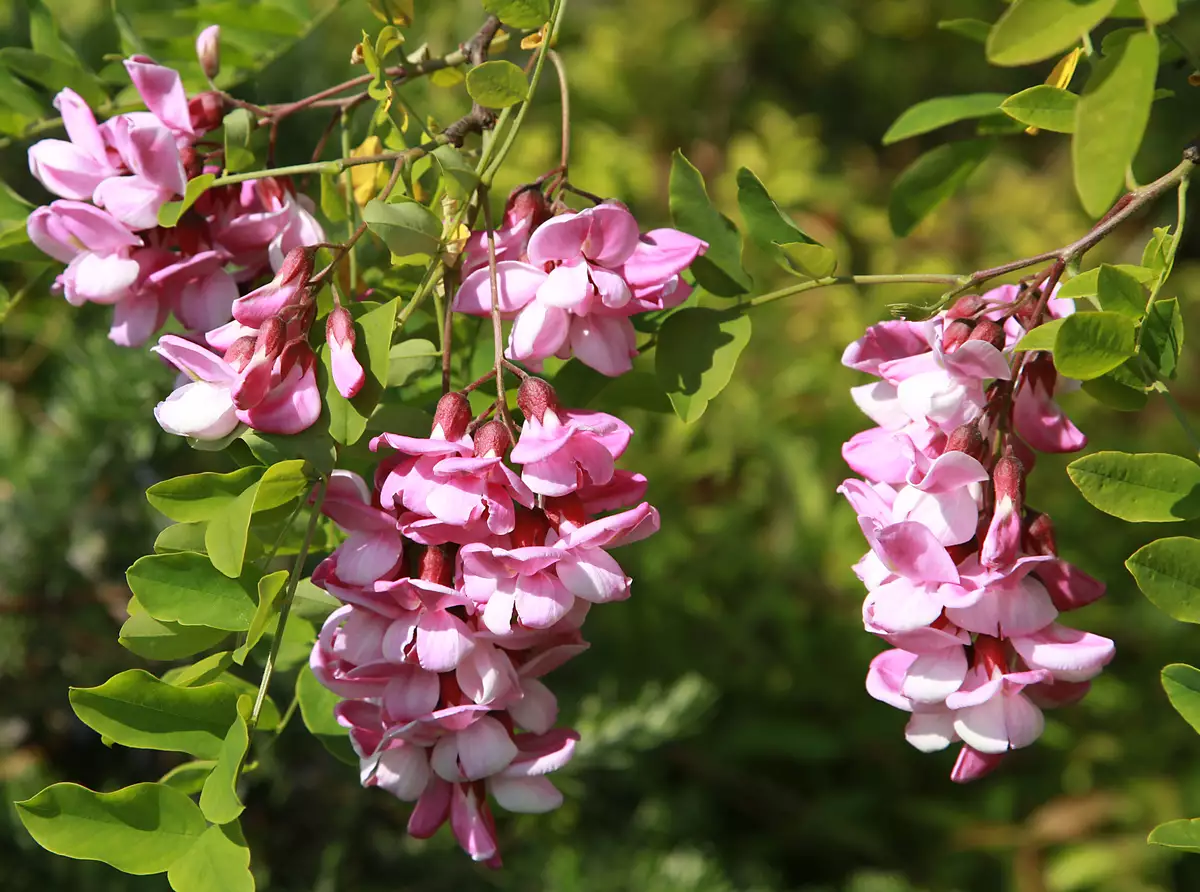
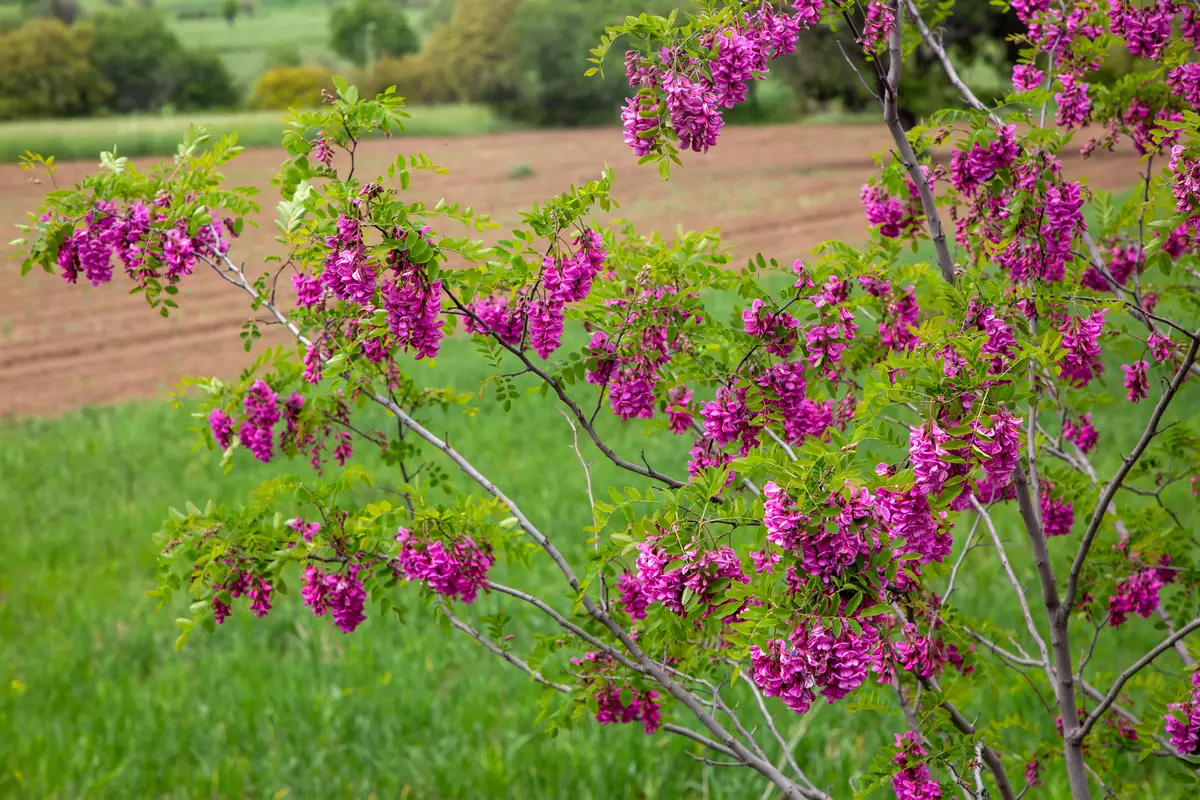
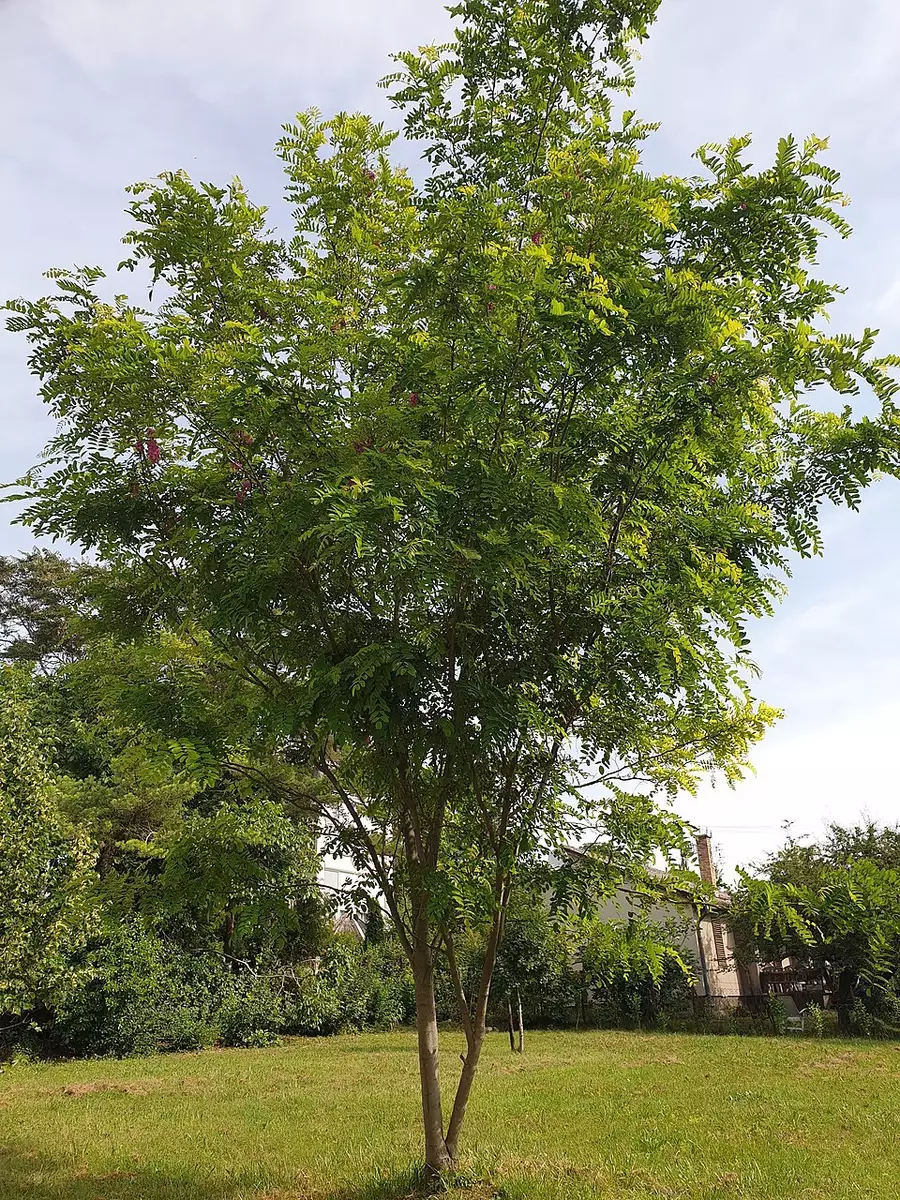
Robinia hispida, commonly known as Bristly Locust or Rose Acacia, is a captivating and versatile deciduous shrub/tree perfect for enhancing your garden's visual appeal. Native to the central and eastern United States, this robust plant thrives in USDA zones 5 through 8, reaching heights of 2 to 10 feet with a spread of 5 to 15 feet. It’s celebrated for its stunning display of rosy pink to purplish-red flowers that bloom in May, forming pendulous racemes that attract attention and admiration.

Bristly Locust is tolerant of various conditions, making it an excellent choice for challenging landscapes. It withstands drought, deer, erosion, dry soil, and even shallow-rocky terrains, making it suitable for stabilizing embankments and slopes. While it prefers rich, organic soils, it impressively adapts to dry and poor soil conditions, flourishing best in full sun.

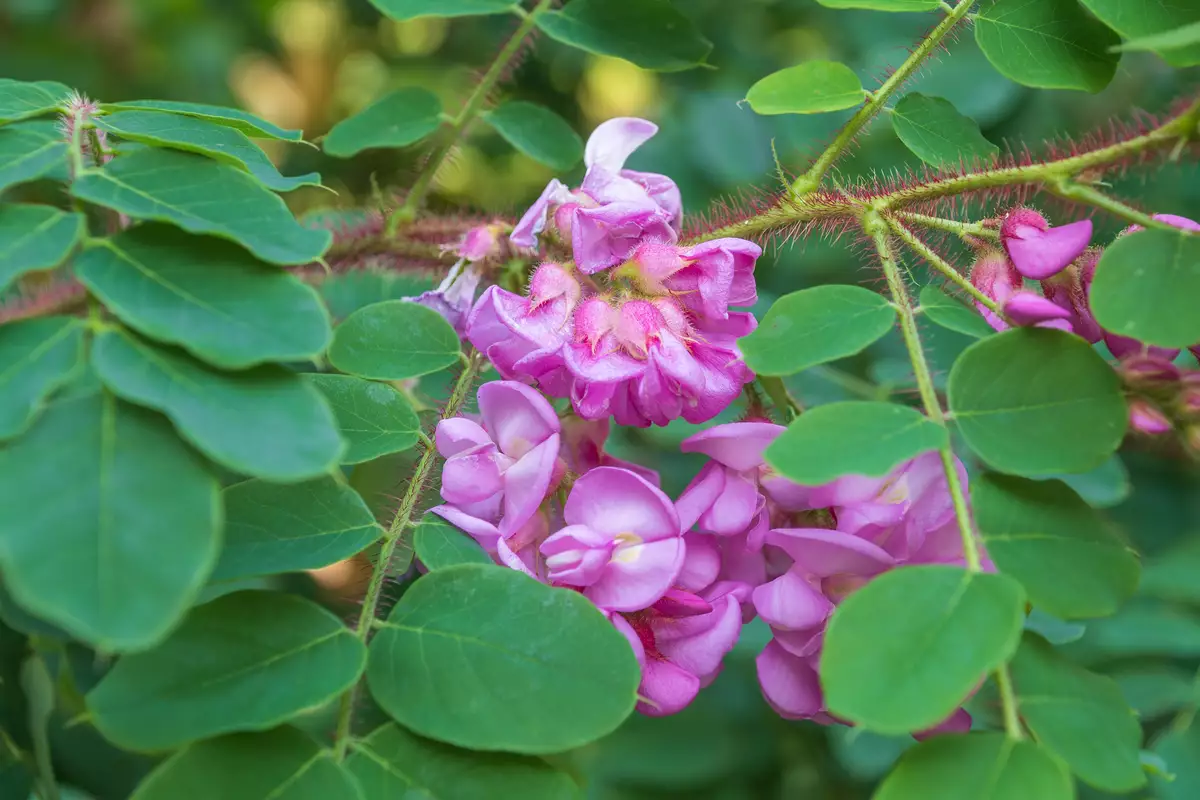
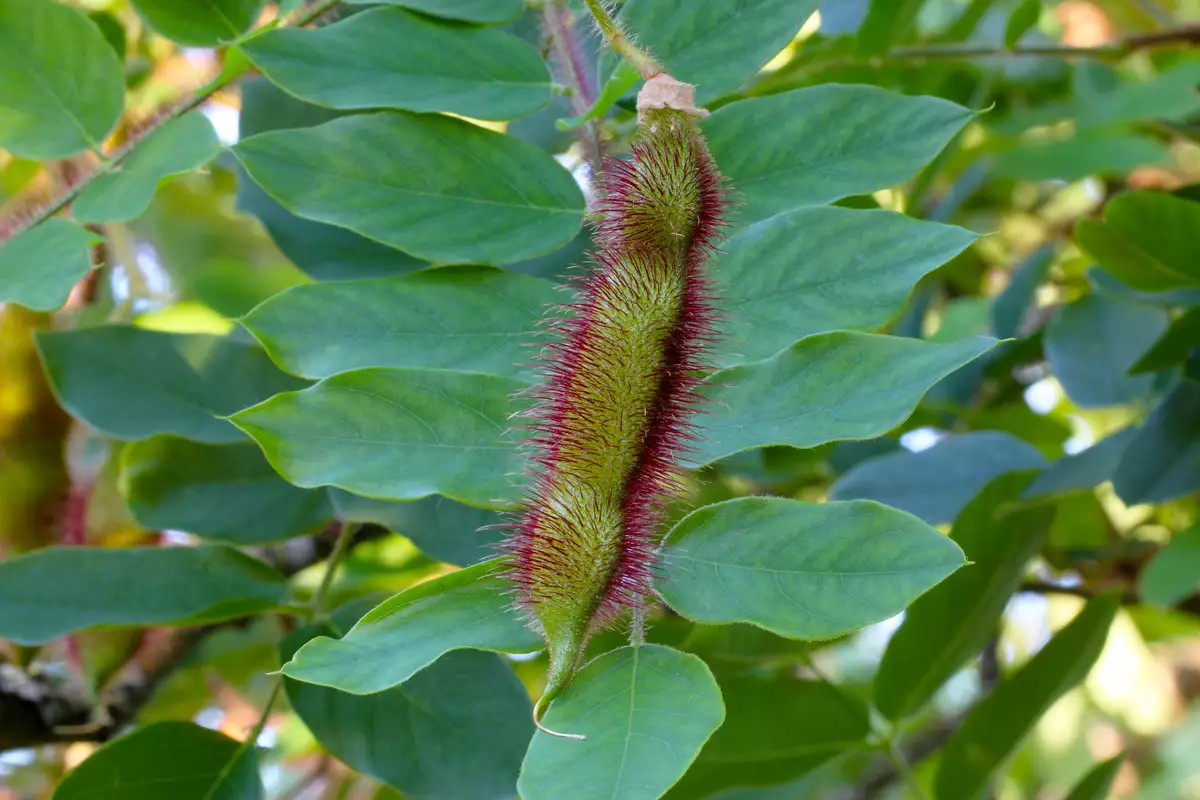
Despite its beauty, it's important to note that Bristly Locust can be invasive outside its native range. In cultivation, it's often grafted onto Black Locust roots to prevent aggressive spreading. Its bristly stems and fruit pods add unique texture to the landscape, complemented by attractive compound leaves that turn yellow in fall. Use this showy shrub as a specimen, screen, or informal hedge, and watch it transform your garden into a vibrant, thriving sanctuary.

You might also like

Papaver somniferum

Papaver somniferum

Opium Poppy

Sequoia sempervirens

Sequoia sempervirens

California Redwood, Coast Redwood, Redwood

Sequoiadendron giganteum

Sequoiadendron giganteum

Bigtree, Giant Sequoia, Sierra Redwood, Sierran Redwood, Wellingtonia

Vaccinium corymbosum

Vaccinium corymbosum

Highbush Blueberry

(315) 497-1058
269 NY-34 Locke NY 13092
seed@sheffields.com

HOME - logo

Find us on: