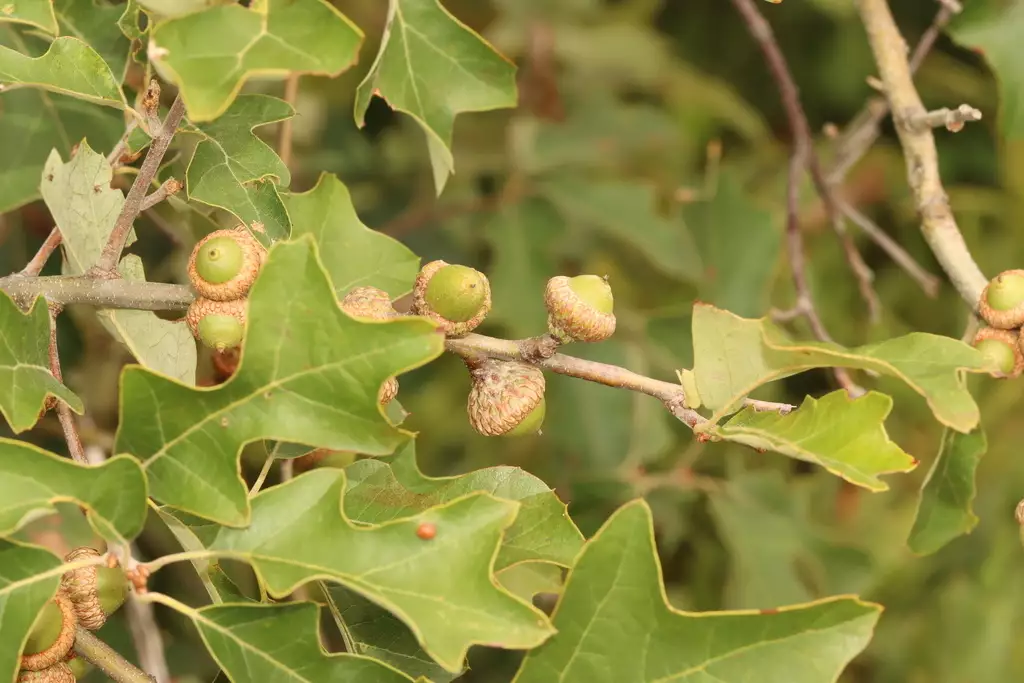
0


Growing Info

Scarification
Scarification: Soak in water, let stand in water for 24 hours
Stratification
Stratification: cold stratify for 120 days , or until radicle emergence
Germination
Germination: sow 1" deep, tamp the soil, mulch the seed bed

Other: fall sowing in mulched beds is preferred to artificial stratification 

Native to: Connecticut, Delaware, Maine, Maryland, Massachusetts, New Hampshire, New Jersey, New York, North Carolina, Ohio, Pennsylvania, Rhode Island, Vermont, Virginia, West Virginia
Native
Introduced

Quercus ilicifolia

Bear Oak, Scrub Oak

2025 crop was too small to offer any online. We hope to get more in the 2026 season! Recalcitrant seeds need refrigeration. Since shipping times are out of our control, we are not liable for seed condition upon arrival.
  • Quercus ilicifolia

Please select the quantity desired, and we will advise availability and price as soon as possible.

Details

Min. hardiness zone:
5

No Export to These Countries

New Zealand

Growing Info

Scarification
Scarification: Soak in water, let stand in water for 24 hours
Stratification
Stratification: cold stratify for 120 days , or until radicle emergence
Germination
Germination: sow 1" deep, tamp the soil, mulch the seed bed

Other: fall sowing in mulched beds is preferred to artificial stratification 

Native to: Connecticut, Delaware, Maine, Maryland, Massachusetts, New Hampshire, New Jersey, New York, North Carolina, Ohio, Pennsylvania, Rhode Island, Vermont, Virginia, West Virginia
Native
Introduced
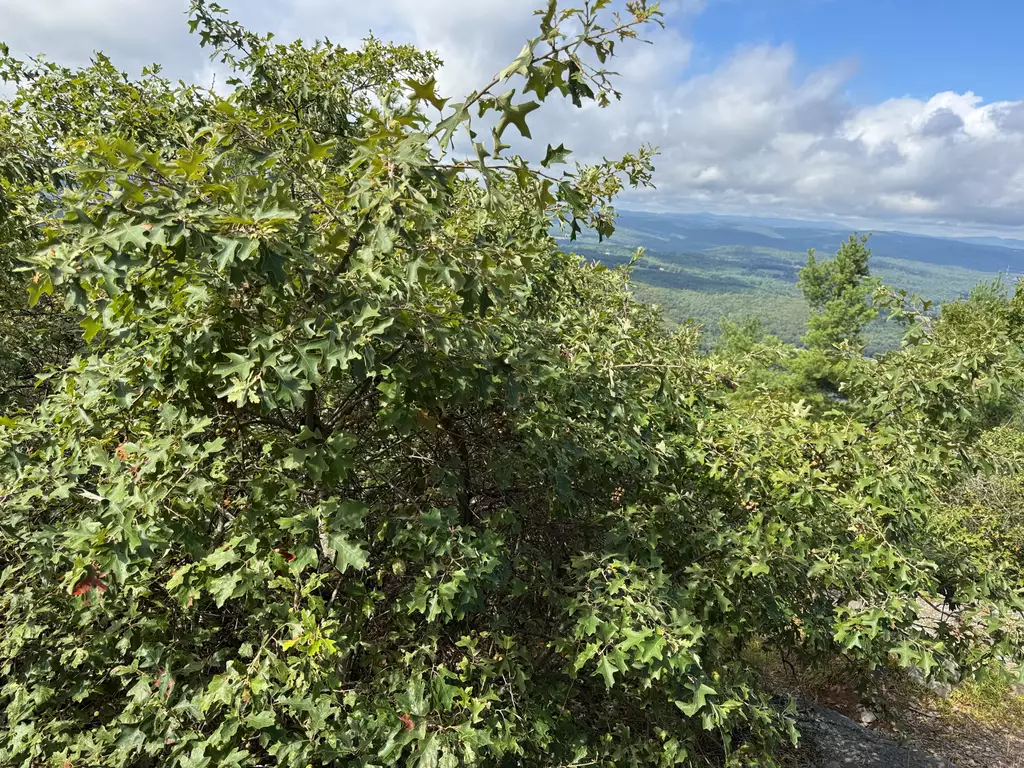
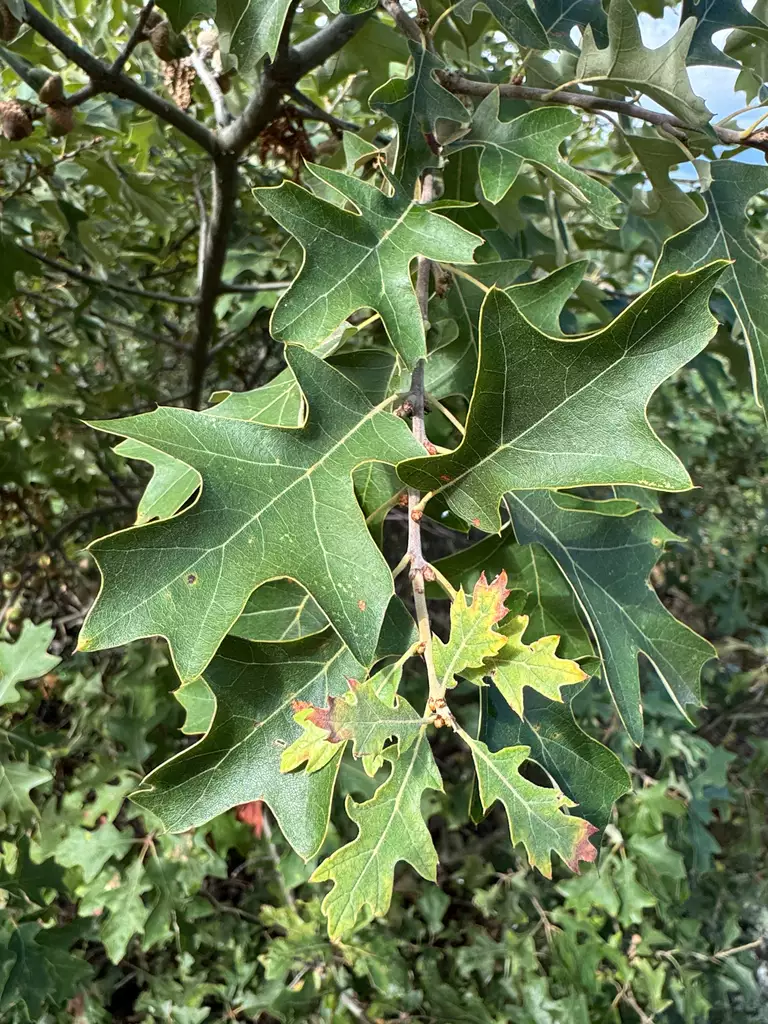
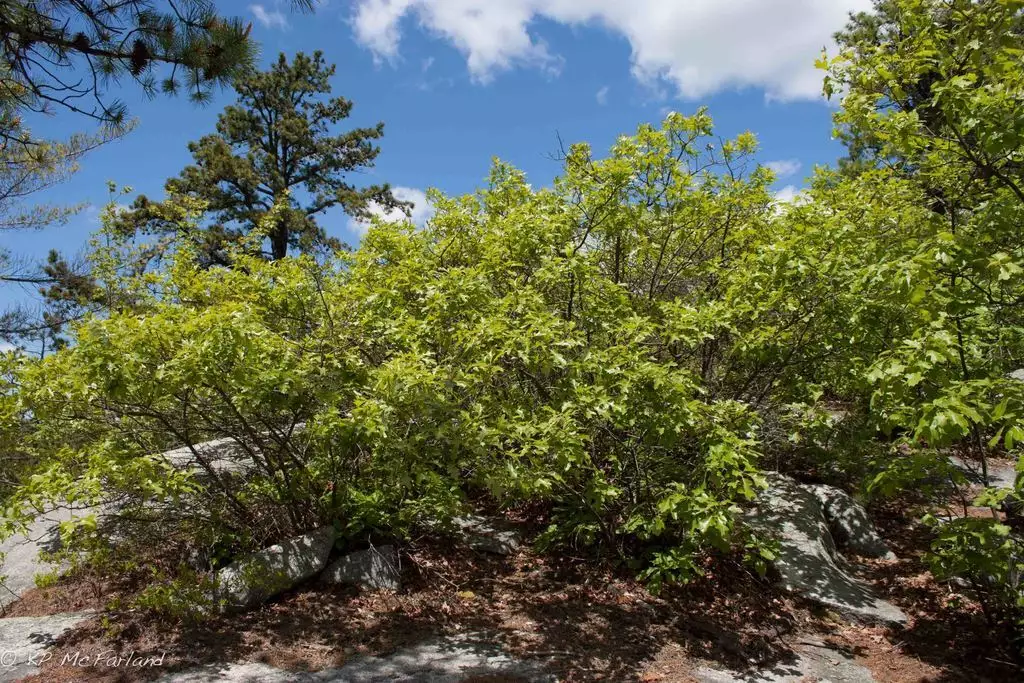
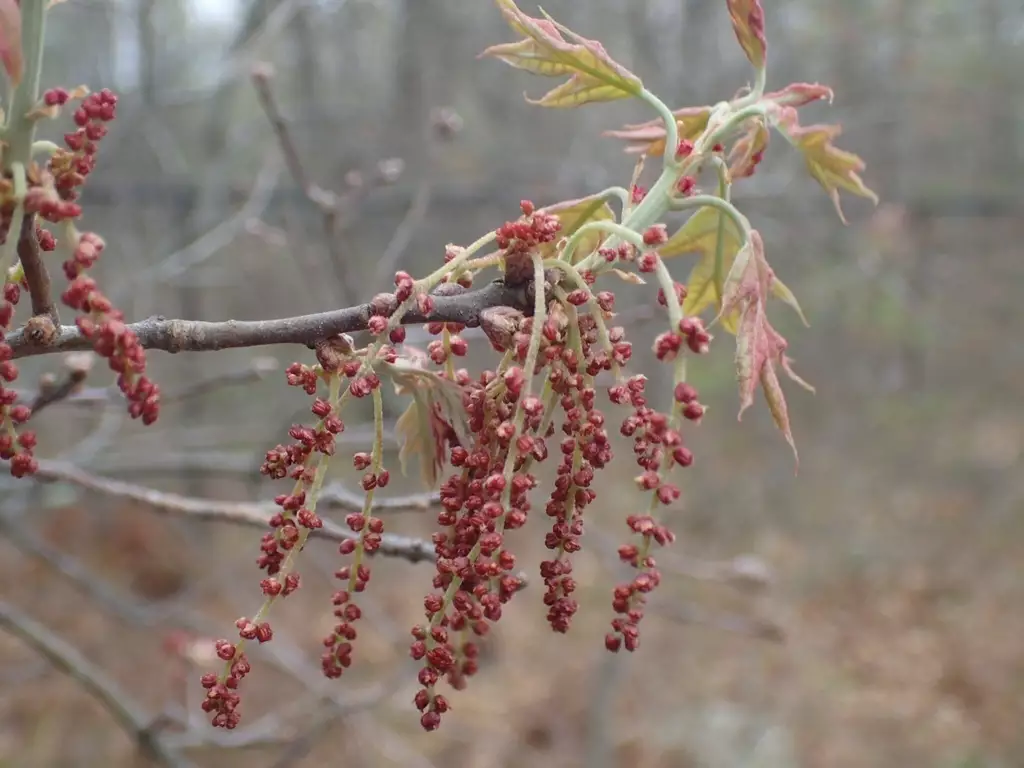
Discover the resilient Quercus ilicifolia, commonly known as Bear Oak or Scrub Oak, a fascinating and vital species native to the eastern regions of North America. Despite its small stature, rarely exceeding 12-20 feet, this gnarled oak plays a significant ecological role. Particularly adept at recolonizing dry, disturbed sites, Bear Oak thrives in shrublands and thickets, making it an essential early-successional tree that stabilizes and shades bare soils. Its holly-like, glossy green leaves, turning fiery orange or purplish red in the fall, add vibrant beauty to the landscape.

Bear Oak's memorable name comes from the bitter acorns that serve as a food source for wildlife, including bears, deer, and wild turkeys. This tree supports a rich biodiversity, hosting numerous insects, birds, and mammals, including endangered Lepidoptera species. Despite challenges such as short lifespan and shade intolerance, Bear Oak demonstrates resilience by flourishing in high mountain tops, rock outcrops, and pine barrens. Its ability to rapidly sprout after fire gives it a unique advantage, making it a cornerstone in maintaining diverse ecosystems. Protecting its habitat through prescribed burns can ensure the survival and spread of this unassuming yet crucial oak species.

You might also like

Papaver somniferum

Papaver somniferum

Opium Poppy

Sequoia sempervirens

Sequoia sempervirens

California Redwood, Coast Redwood, Redwood

Sequoiadendron giganteum

Sequoiadendron giganteum

Bigtree, Giant Sequoia, Sierra Redwood, Sierran Redwood, Wellingtonia

Vaccinium corymbosum

Vaccinium corymbosum

Highbush Blueberry

(315) 497-1058
269 NY-34 Locke NY 13092
seed@sheffields.com

HOME - logo

Find us on: