Pinus koraiensis, commonly known as Korean Pine, is a remarkable evergreen belonging to the Pinaceae family and native to the mountainous regions of Eastern Asia, including Korea and Japan. This elegant member of the white pine group thrives in USDA zones 3 to 7, flourishing in full sun and well-drained soils, and displaying exceptional cold tolerance. Korean Pine is both resilient and adaptable, managing well in varied soil types—from sandy to clay—though it shuns poorly drained soils and the sweltering heat of excessively humid climates.
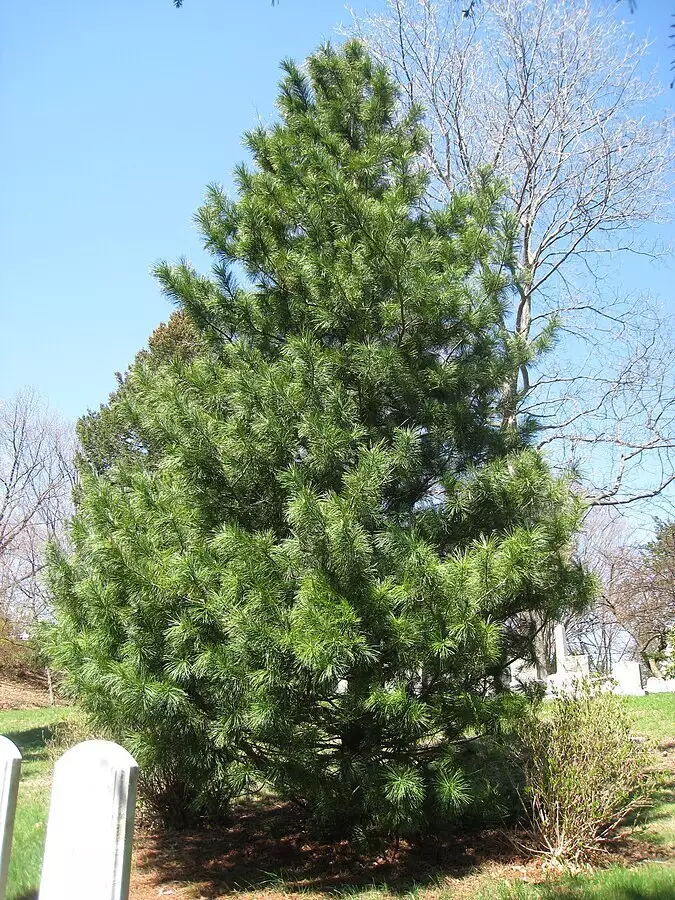
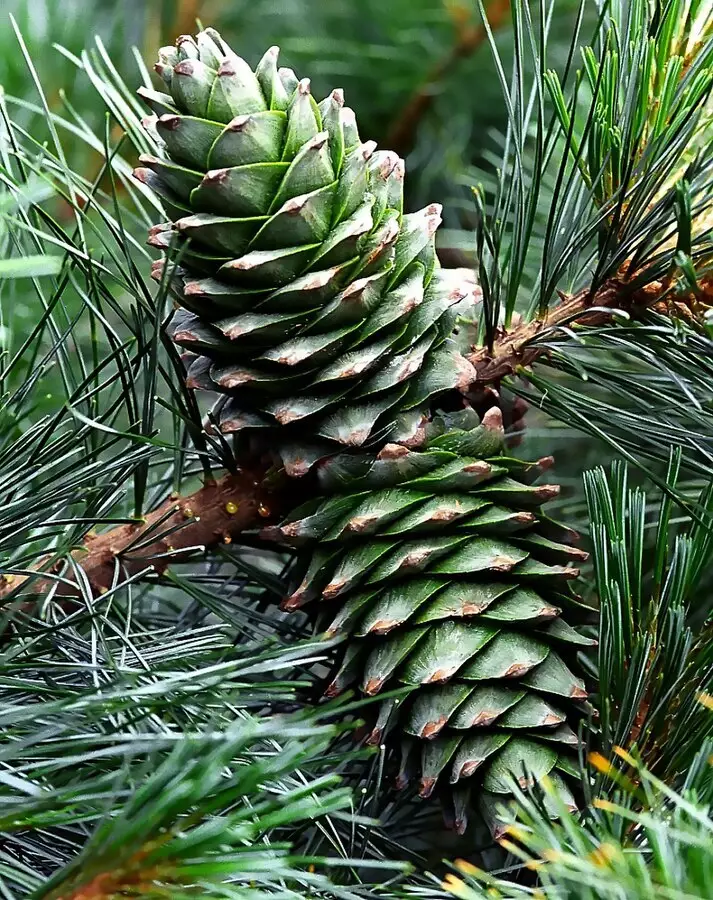
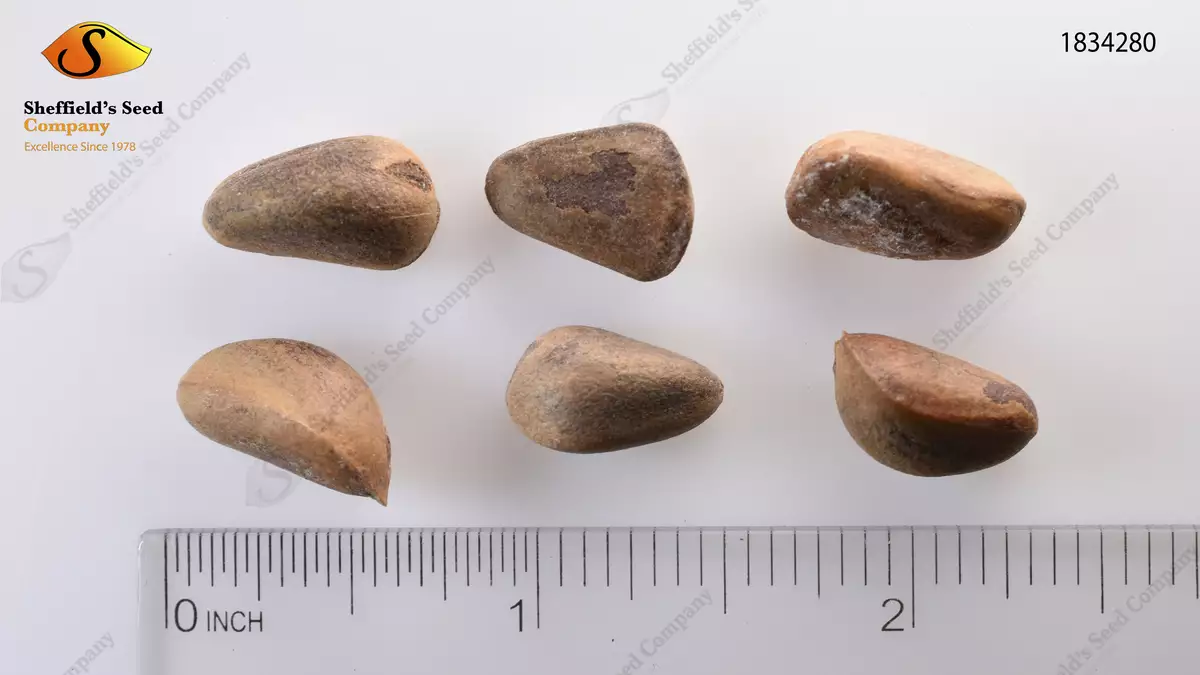
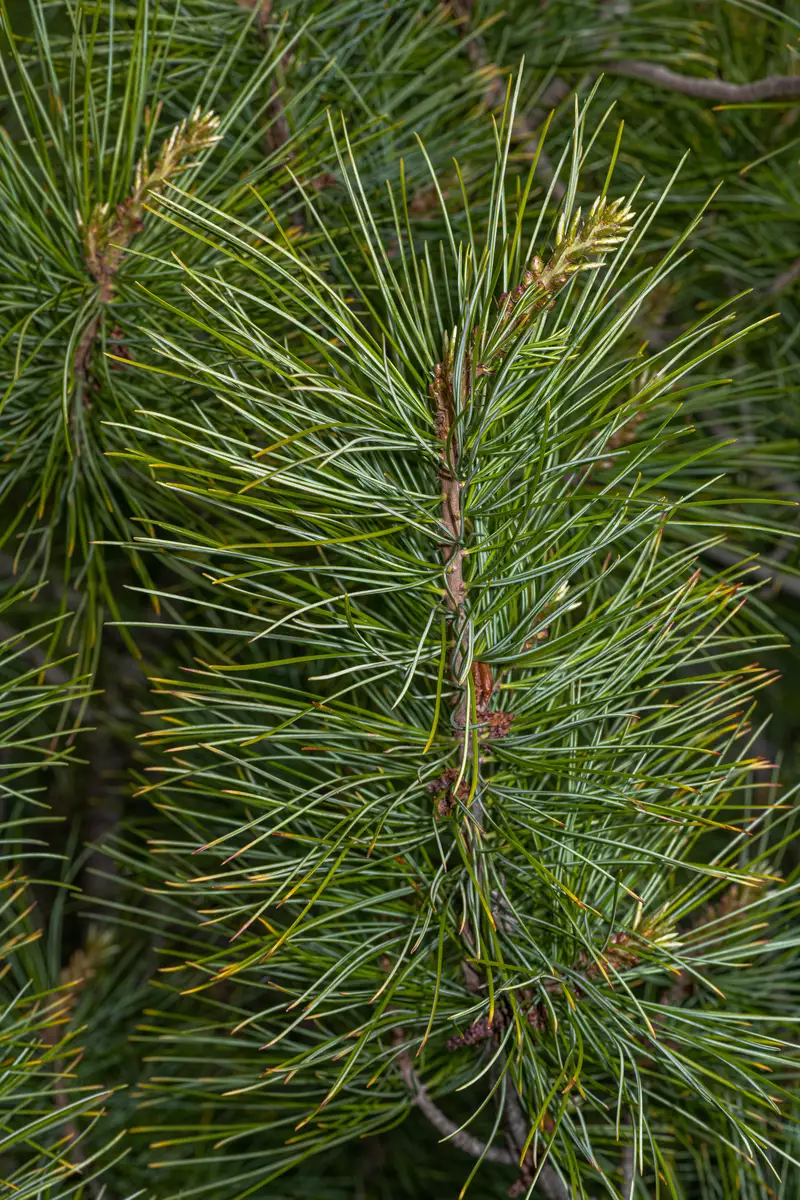
Standing 30-50 feet tall with a spread reaching 25-35 feet, it commands attention with its striking blue-green needles arranged in bundles of five, and produces mature cones containing large, edible seeds known as pine nuts. Ideal for diverse landscape applications such as group plantings, screens, or stately solitary specimens, its timber is also valuable for furniture and construction. Witness it transition from a narrow, pyramidal young form to a graceful, loosely pyramidal silhouette marked by horizontal, ground-reaching branches. Plus, its moderate drought tolerance and ability to withstand urban pollutants make it a versatile choice for modern gardens.









.jpg)
.jpg)