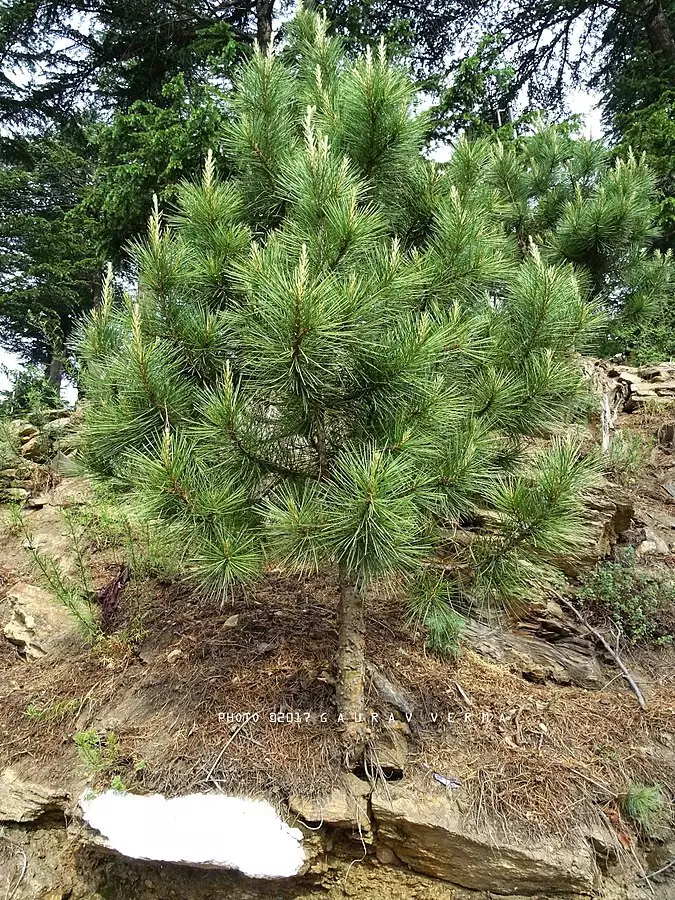
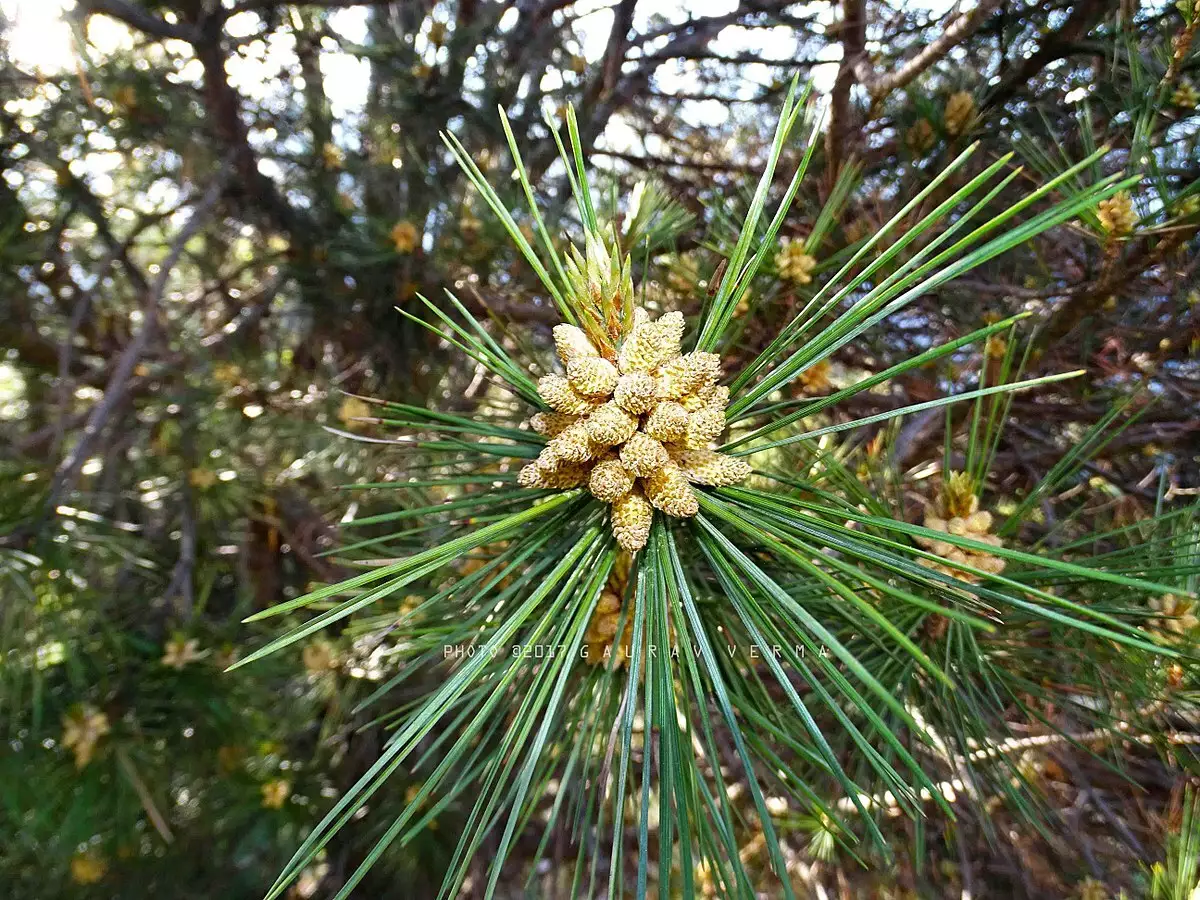
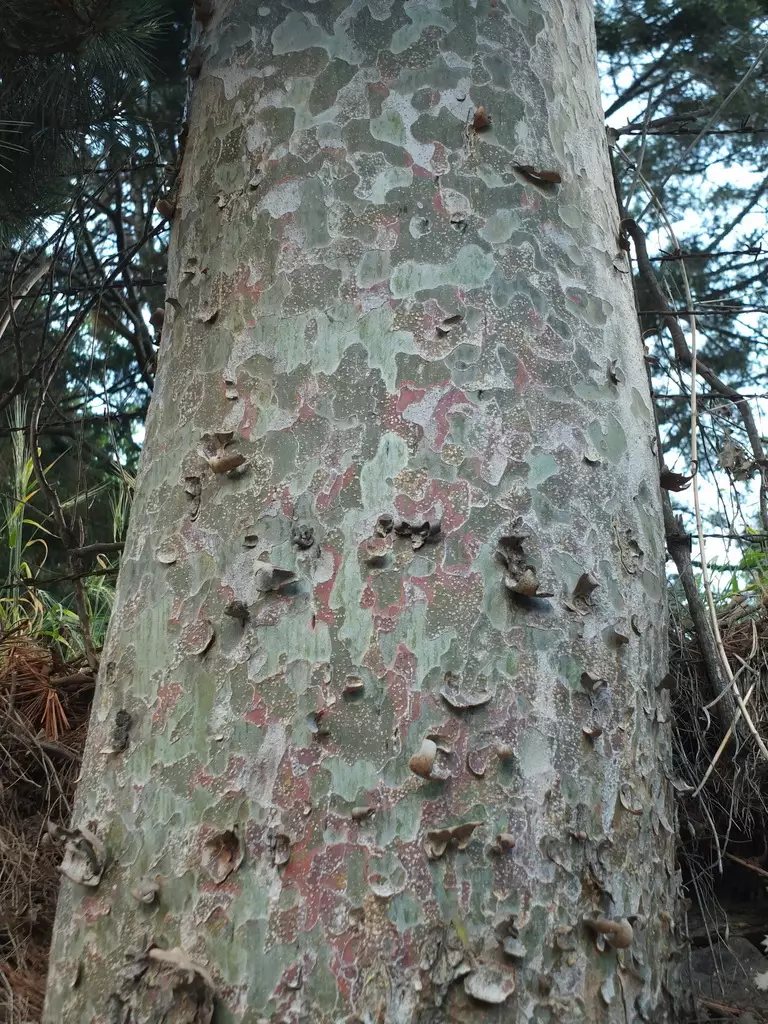
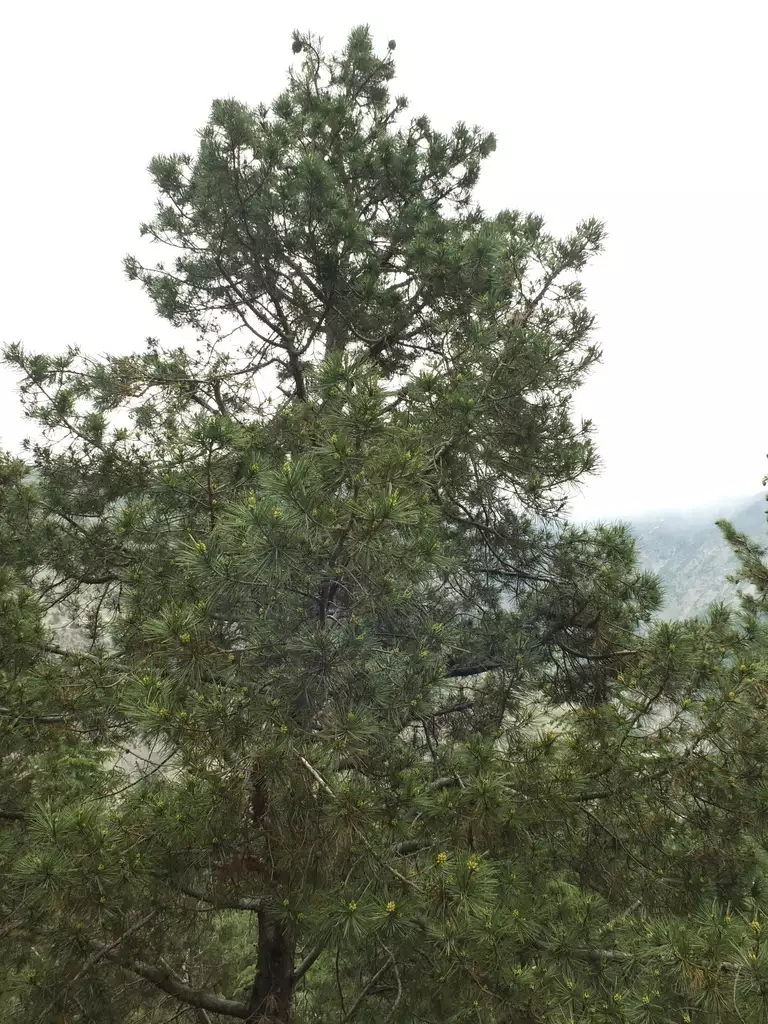
Pinus gerardiana, commonly known as Chilghoza Pine, is a majestic and unique pine species native to the rugged landscapes of Afghanistan, Pakistan, India, and Tibet. Standing at 50-80 ft tall, these iconic trees are most distinguished by their deep, wide crowns and long, erect branches, though in more crowded forests, their crowns tend to be narrower. The bark’s remarkable flaky texture, revealing light greyish-green patches, adds a mystical aura to its presence. A true botanical wonder, Chilghoza Pine’s needle-like leaves grow in groups of three, glossy green with subtle blue-green stomatal lines, creating a fine and delicate appearance.
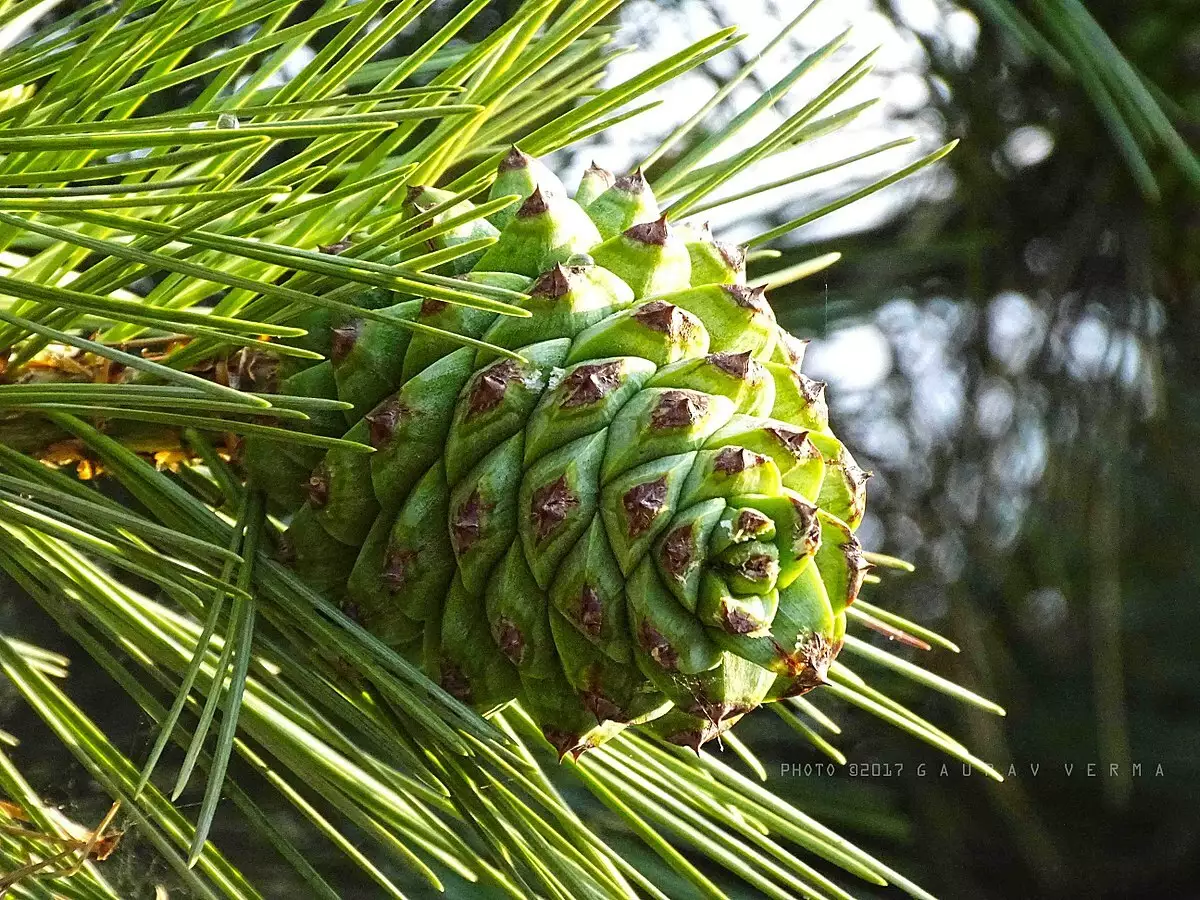
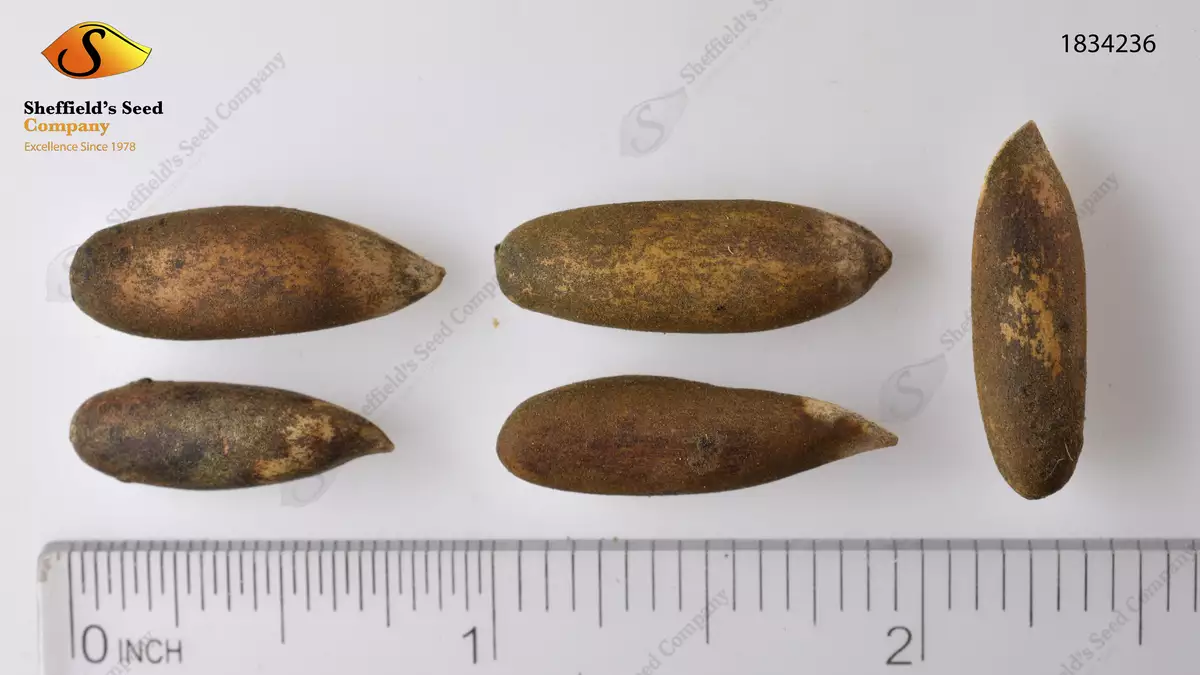
The true treasure of Pinus gerardiana lies in its cones and seeds. The cones, sized impressively at 4-7 inches long, house some of nature’s most valued pine nuts. Harvested predominantly in autumn and early winter, these nuts are a crucial economic asset, serving as a major cash crop in regions like Kinnaur and Pangi Valley of Himachal Pradesh, India. Rich in carbohydrates and proteins, Chilghoza pine nuts are treasured both locally and in markets across northern India. However, the species faces challenges, being classified as near threatened by the IUCN due to overharvesting and deforestation. Efforts are in motion to foster its cultivation and economic utilization sustainably, ensuring this magnificent tree continues to thrive in its native habitat. Its symbiotic relationship with the Eurasian nutcracker, which aids in seed dispersal, underscores the interconnectedness of its ecosystem. Embrace the enchantment of Chilghoza Pine, where nature's beauty and utility converge majestically amidst the stunning backdrop of the Himalayas.