0


Close
1 / 6
4 / 6

AdobeStock

5 / 6

AdobeStock

6 / 6

Growing Info

Scarification
Scarification: Soak in water, let stand in water for 24 hours, repeat process daily for 4 days
Stratification
Stratification: cold stratify for 90 days
Germination
Germination: surface sow and keep moist, tamp the soil, keep moist, mulch the seed bed, can be sown outdoors in the fall for spring germination

Native to: Canada, Canada (Ontario), United States, USA (widespread in eastern states)
Native
Introduced

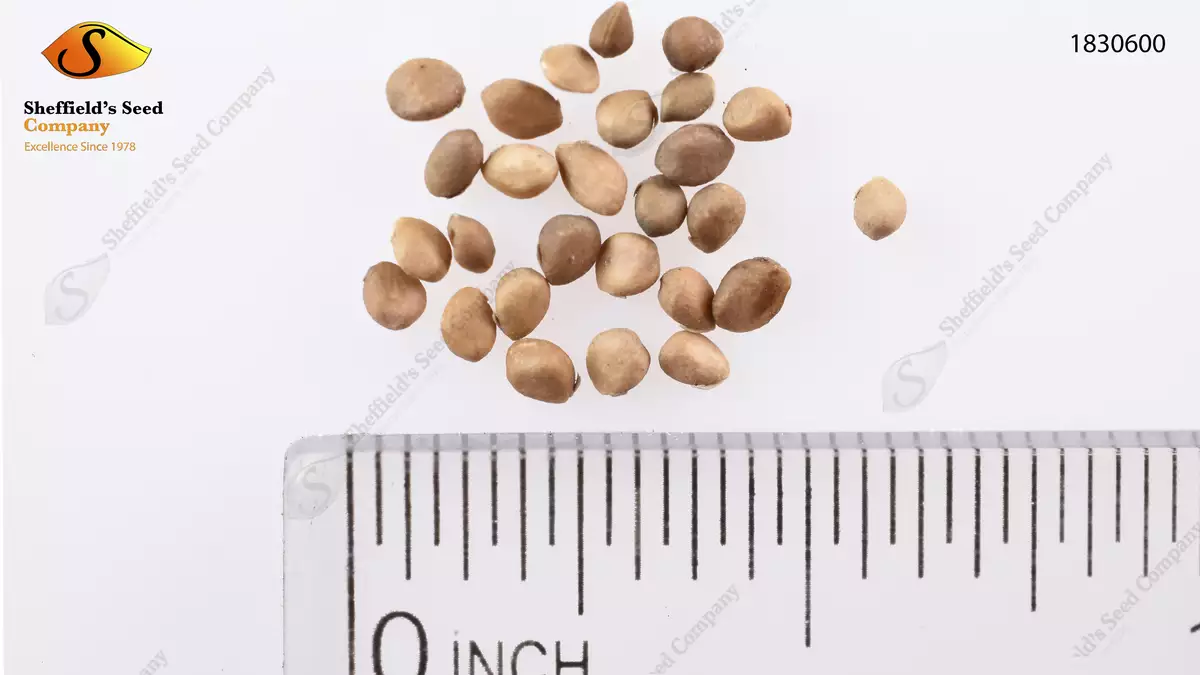
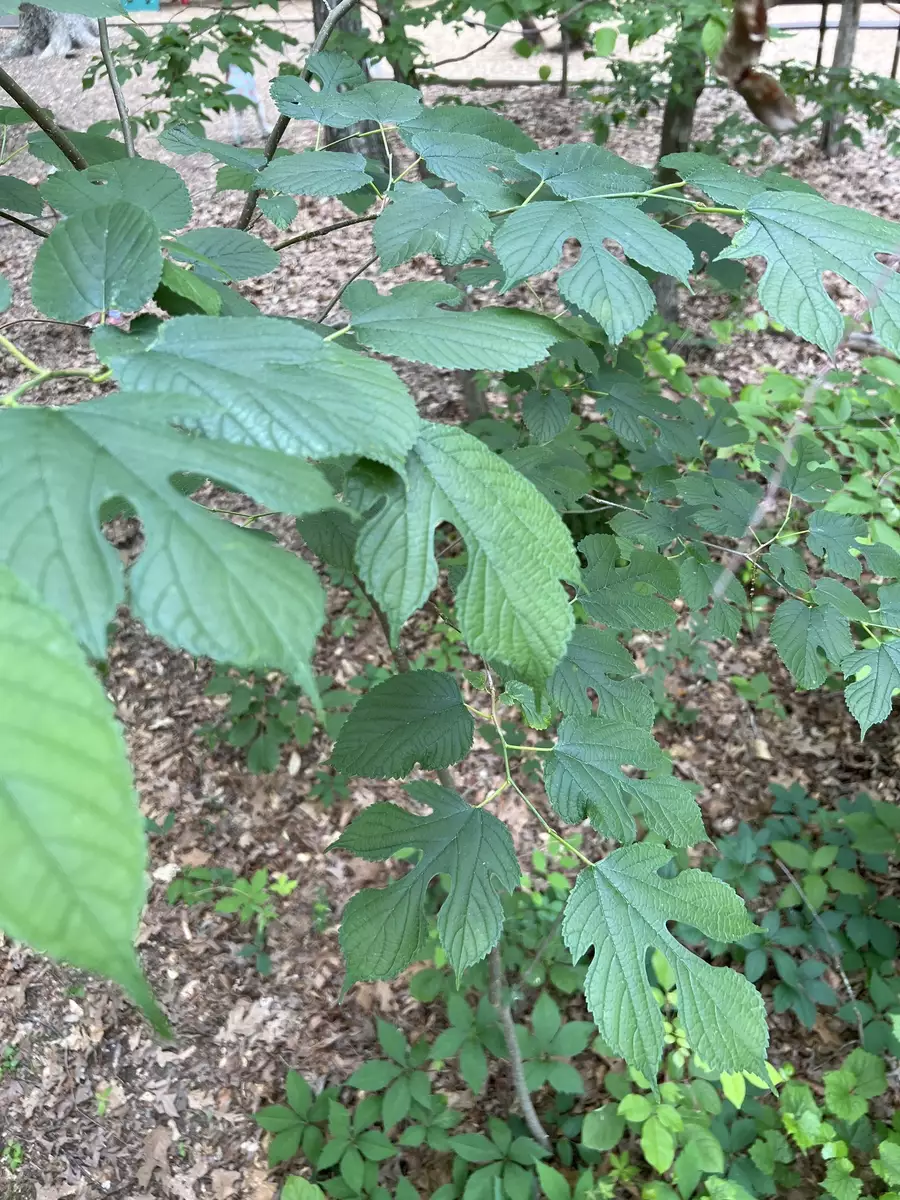
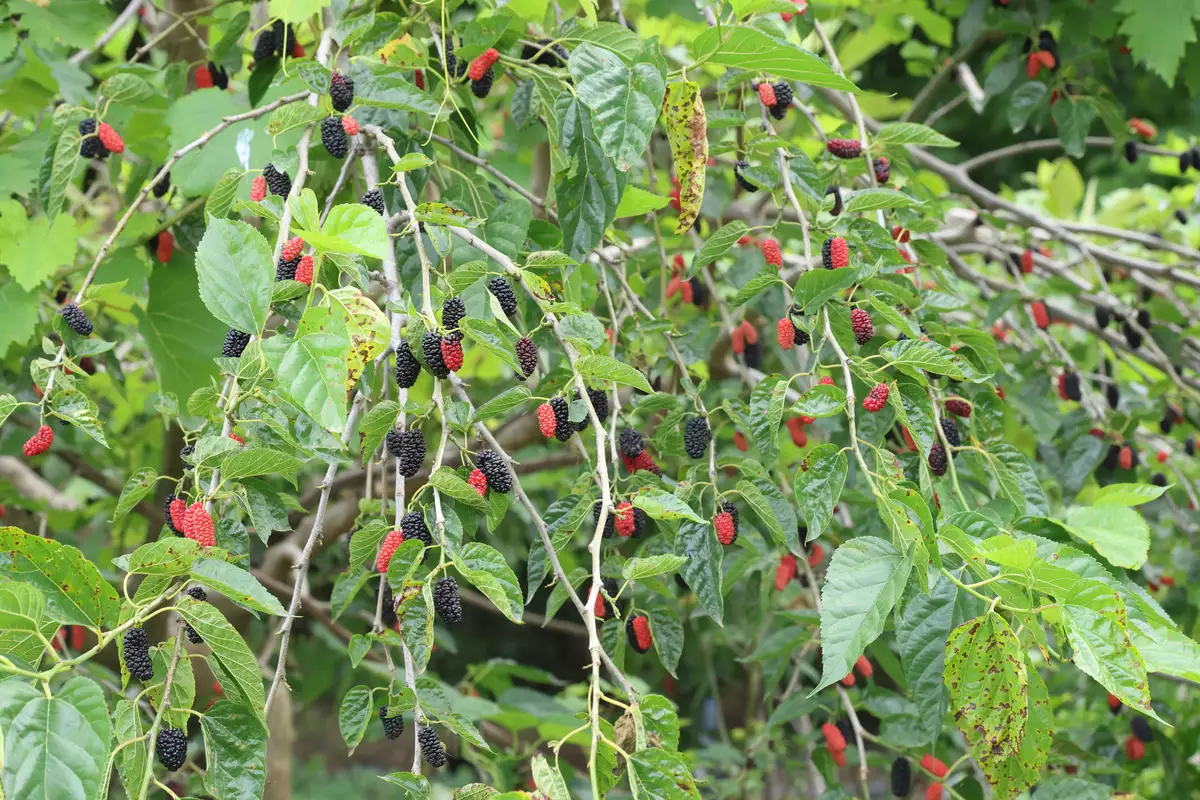
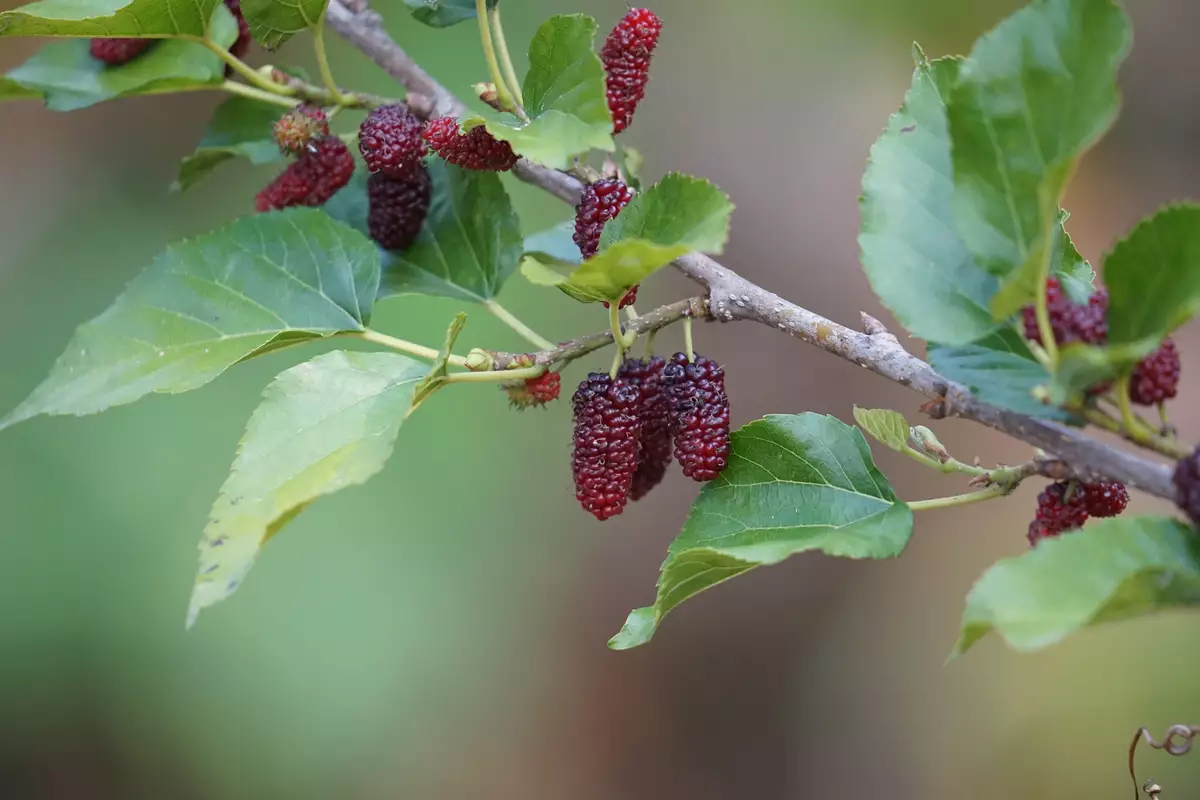
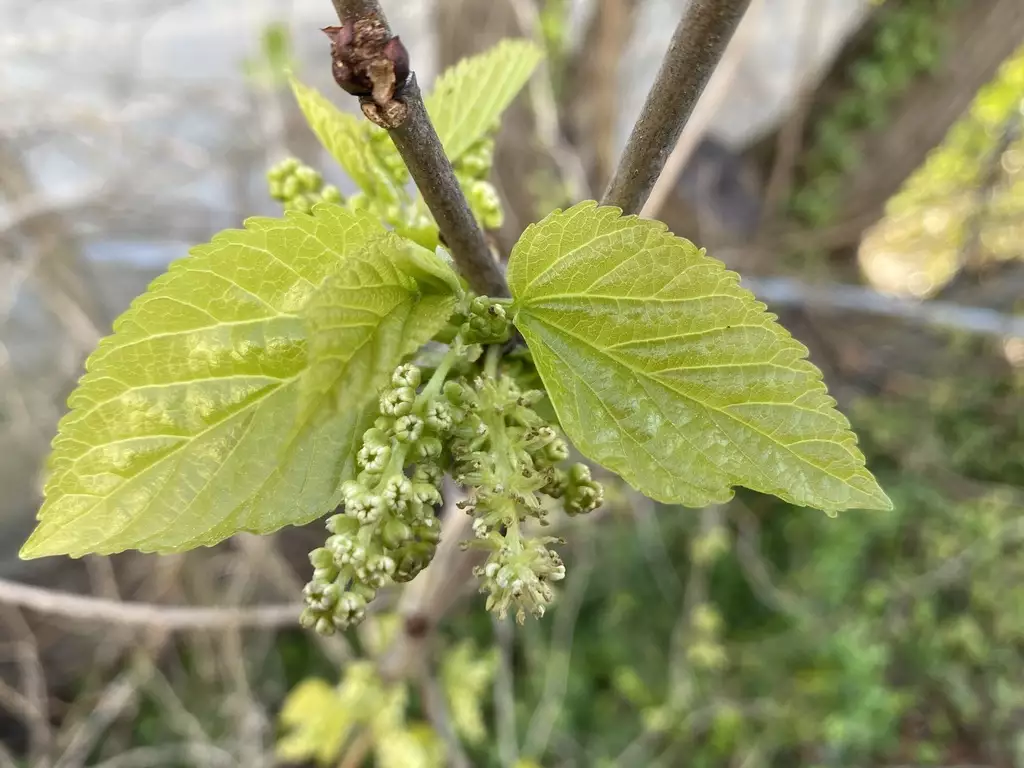
Morus rubra

American Mulberry, Red Mulberry

  • Morus rubra

Please select the quantity desired, and we will advise availability and price as soon as possible.

Details

Min. hardiness zone:
5

Growing Info

Scarification
Scarification: Soak in water, let stand in water for 24 hours, repeat process daily for 4 days
Stratification
Stratification: cold stratify for 90 days
Germination
Germination: surface sow and keep moist, tamp the soil, keep moist, mulch the seed bed, can be sown outdoors in the fall for spring germination

Native to: Canada, Canada (Ontario), United States, USA (widespread in eastern states)
Native
Introduced
Discover the beauty and bounty of Morus rubra, commonly known as American or Red Mulberry. This stunning deciduous tree is a gardener's delight, offering sweet and juicy fruit that promises a delectable addition to your summer and fall harvests. With a fast growth rate, Red Mulberry matures to heights of 30-60 feet and a spread of 20-25 feet, forming a dense, shady canopy. Perfect for grow zones 5-11, it thrives best in full sun but tolerates shade and flourishes in well-drained, organic-rich soils.

Not only does it provide sweet treats for you, but its blackberry-like fruits are also a favorite among a diverse array of wildlife, drawing birds, deer, and small mammals to your garden. Enjoy the sight of thrushes, robins, and more as they flock to your mulberry tree. Also, the tree attracts beneficial pollinators, adding ecological value to your landscape.

Though once widespread across North America, Red Mulberries now face threats from habitat loss and hybridization with the invasive white mulberry. Efforts to preserve this native species continue as gardeners and nature enthusiasts alike rediscover the joys of growing this resilient tree.

You might also like

Papaver somniferum

Papaver somniferum

Opium Poppy

Sequoia sempervirens

Sequoia sempervirens

California Redwood, Coast Redwood, Redwood

Sequoiadendron giganteum

Sequoiadendron giganteum

Bigtree, Giant Sequoia, Sierra Redwood, Sierran Redwood, Wellingtonia

Vaccinium corymbosum

Vaccinium corymbosum

Highbush Blueberry

(315) 497-1058
269 NY-34 Locke NY 13092
seed@sheffields.com

HOME - logo

Find us on: