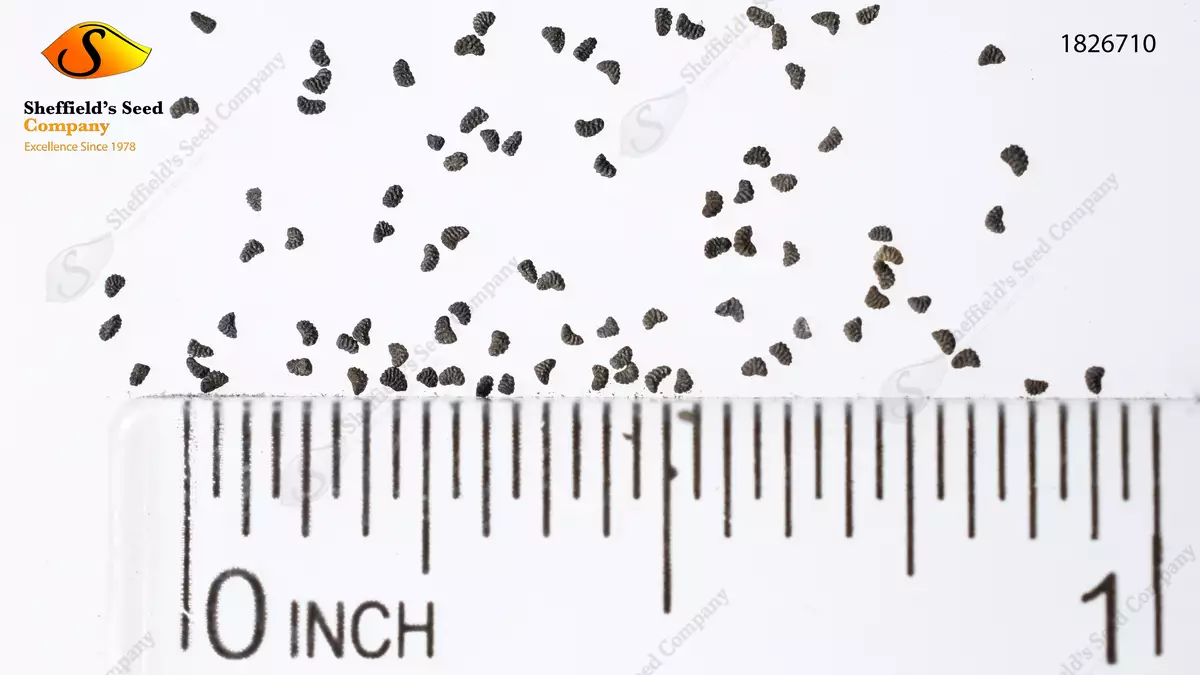
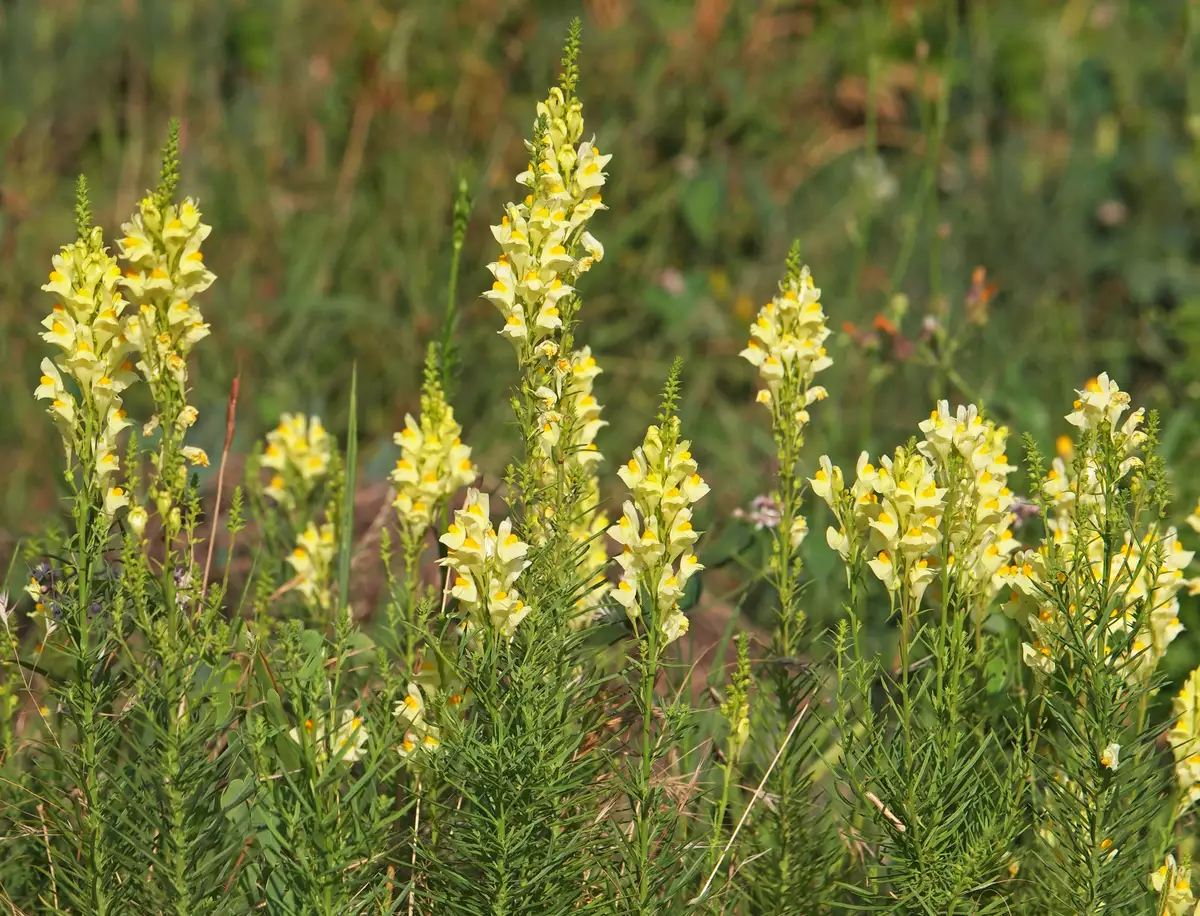
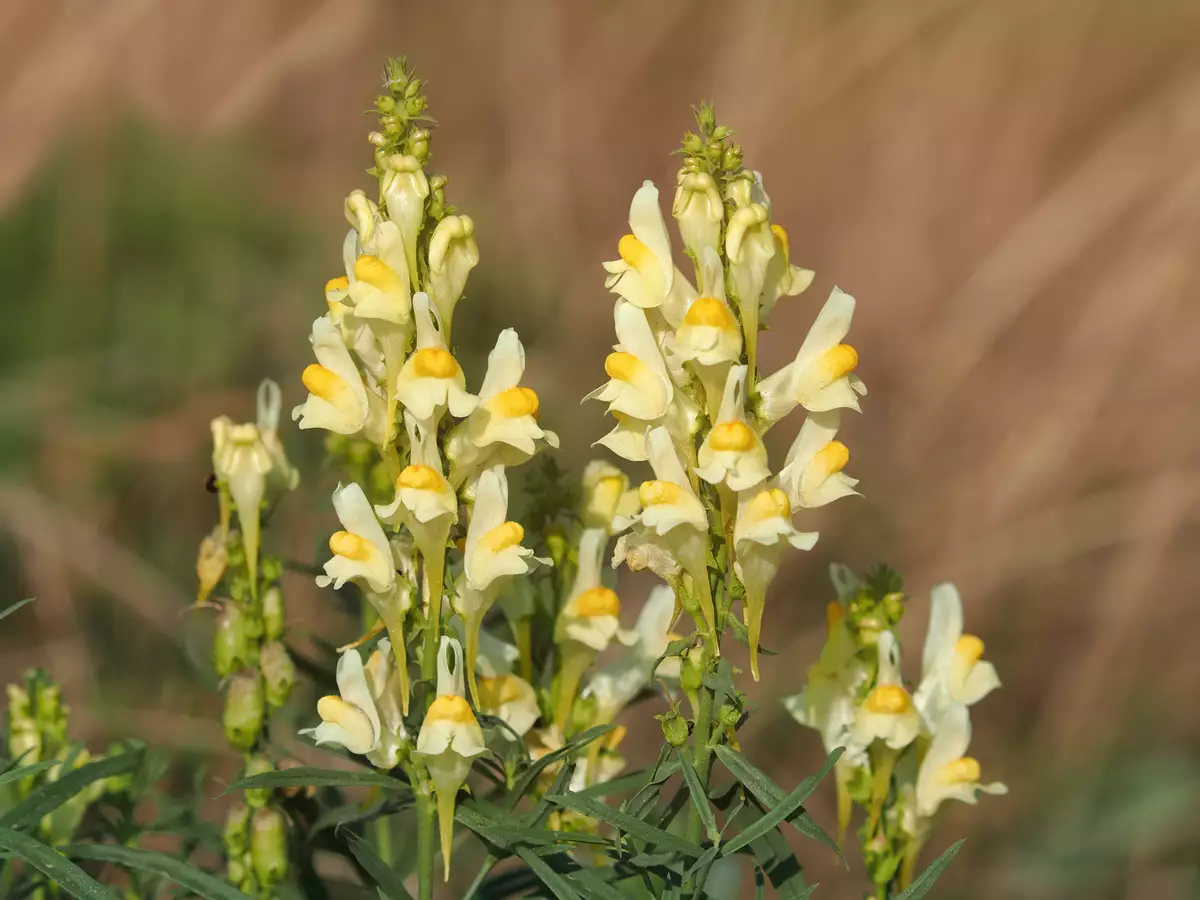
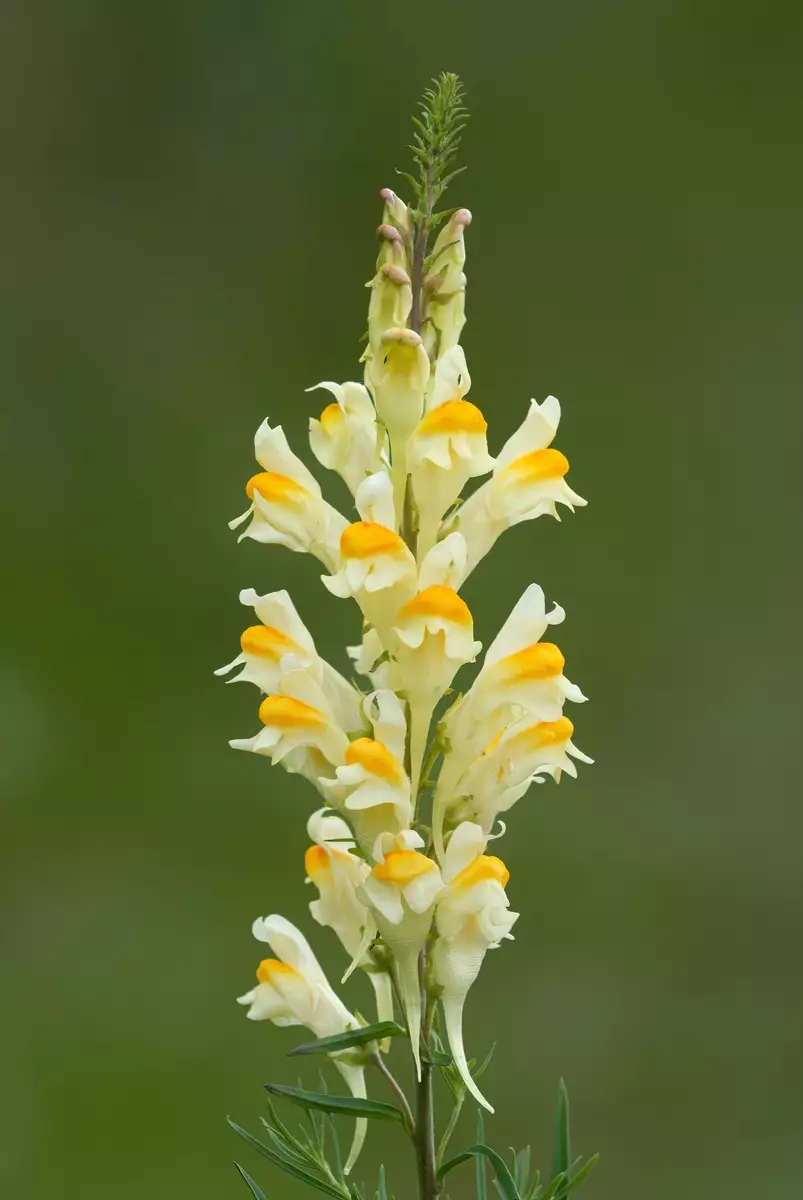
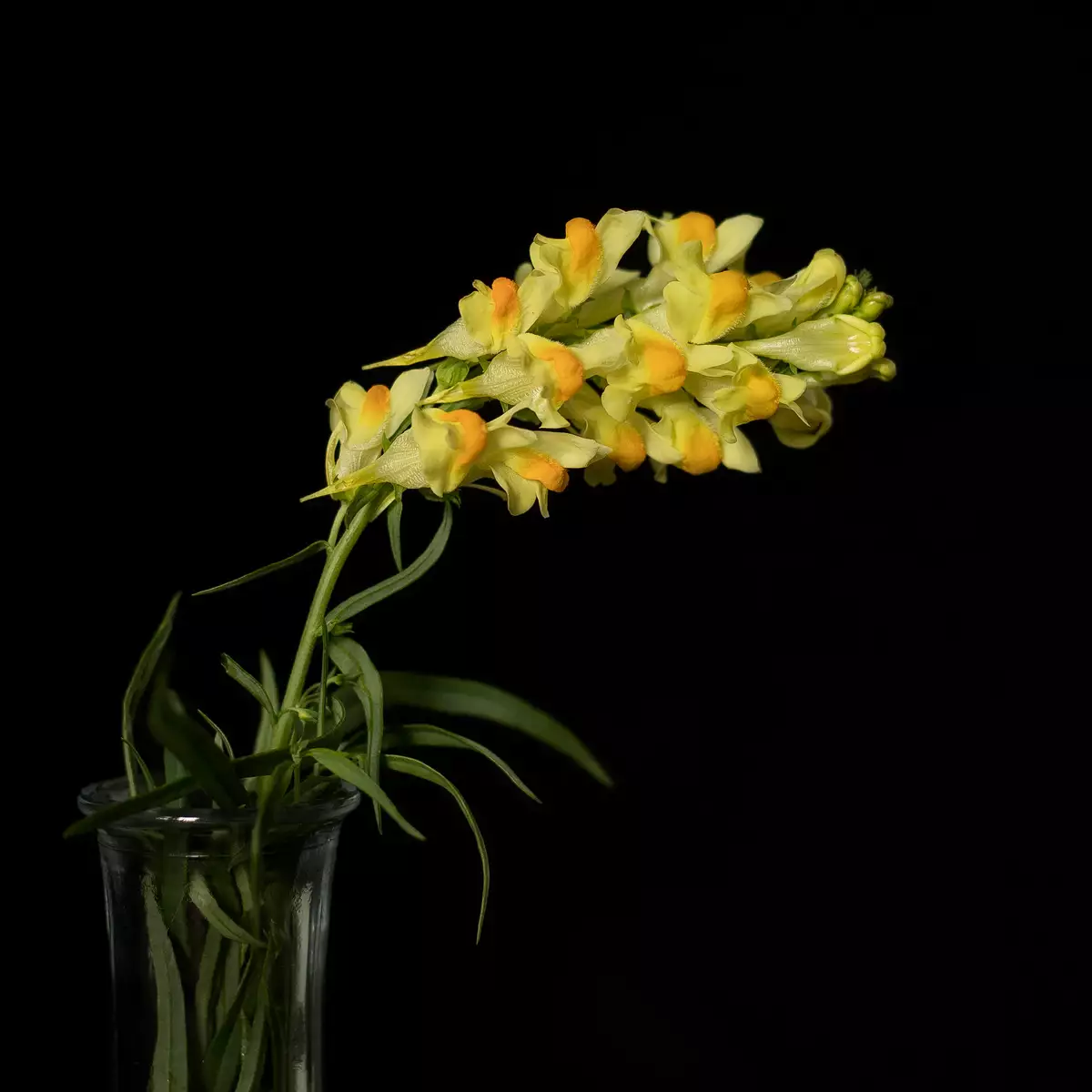
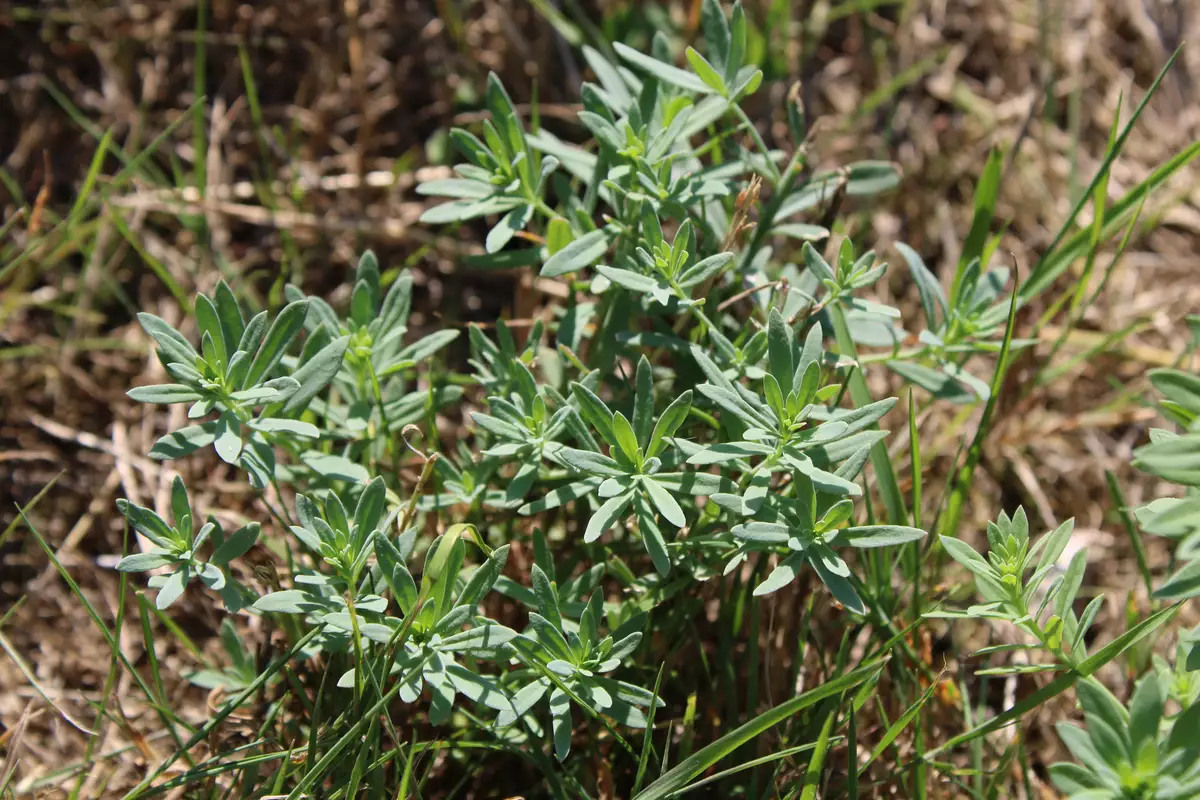
Discover the captivating allure of Linaria vulgaris, famously known as Butter and Eggs, Common Toadflax, or Yellow Toadflax. This perennial plant belongs to the figwort family (Scrophulariaceae) and boasts striking snapdragon-like flowers. Originating from Europe and parts of Asia, it was introduced to North America in the mid-1800s, primarily cultivated as a yellow dye by German immigrants. Its vibrant yellow blooms, with distinct orange spots, create a stunning visual display from summer through fall, attracting bees and butterflies. They also last a long time as a cut flower in a vase.
A notable presence in temperate North America, Linaria vulgaris thrives in various environments, including roadsides, pastures, and forest edges. However, caution is advised as it can aggressively invade fields, often labeled a noxious weed, displacing native plants. The plant's robustness stems from its ability to spread through seeds and rhizomes, forming resilient colonies.
While it embellishes wildflower mixes and gardens, prospective growers should tread carefully to avoid unintentional spread. Its potential mild toxicity to livestock also warrants consideration in rangelands. Embrace the beauty and complexity of Yellow Toadflax, mindful of its ecological impact and historical significance in dyeing and herbal remedies.