0


Growing Info

Scarification
Scarification: Crack and completely remove the endocarp. The best way is to strike a single blow to make the shell explode. Repeated strokes could damage it!| Soak in water, let stand in water for 24 hours
Stratification
Stratification: none required
Germination
Germination: Place them in a sterile, well drained medium (mix of peat and coarse sand). Cover the seeds with just a few millimeters of sand and spray with fungicide as a watering.

Other: Seed germination is slow, usually taking between 6 to 16 months to germinate. 

Native to: Central Chile, Chile
Native
Introduced

Jubaea chilensis

Chilean Wine Palm, Coquito Palm

In Stock: 2.038 lb (Total:2.038lb)
  • Jubaea chilensis

    All items have bulk rates priced in
select i.*, as2.state_abbr from inventory_item_manage i left outer join sheffields_2017.address_states as2 on (as2.state_name = i.CollectionLocale or as2.state_abbr = i.CollectionLocale) where i.inventory_id = '5603' group by i.id

Buying options

2.04 lb

Details

Germination:
98%
Germination test:
Cut (Full Seed)
Purity:
99%
Seeds per lb:
50
Quantity:
2.04 lb
Collected in:
Chile
Crop year:
2024
Min. hardiness zone:
7
Item ID:
1834944

Growing Info

Scarification
Scarification: Crack and completely remove the endocarp. The best way is to strike a single blow to make the shell explode. Repeated strokes could damage it!| Soak in water, let stand in water for 24 hours
Stratification
Stratification: none required
Germination
Germination: Place them in a sterile, well drained medium (mix of peat and coarse sand). Cover the seeds with just a few millimeters of sand and spray with fungicide as a watering.

Other: Seed germination is slow, usually taking between 6 to 16 months to germinate. 

Native to: Central Chile, Chile
Native
Introduced
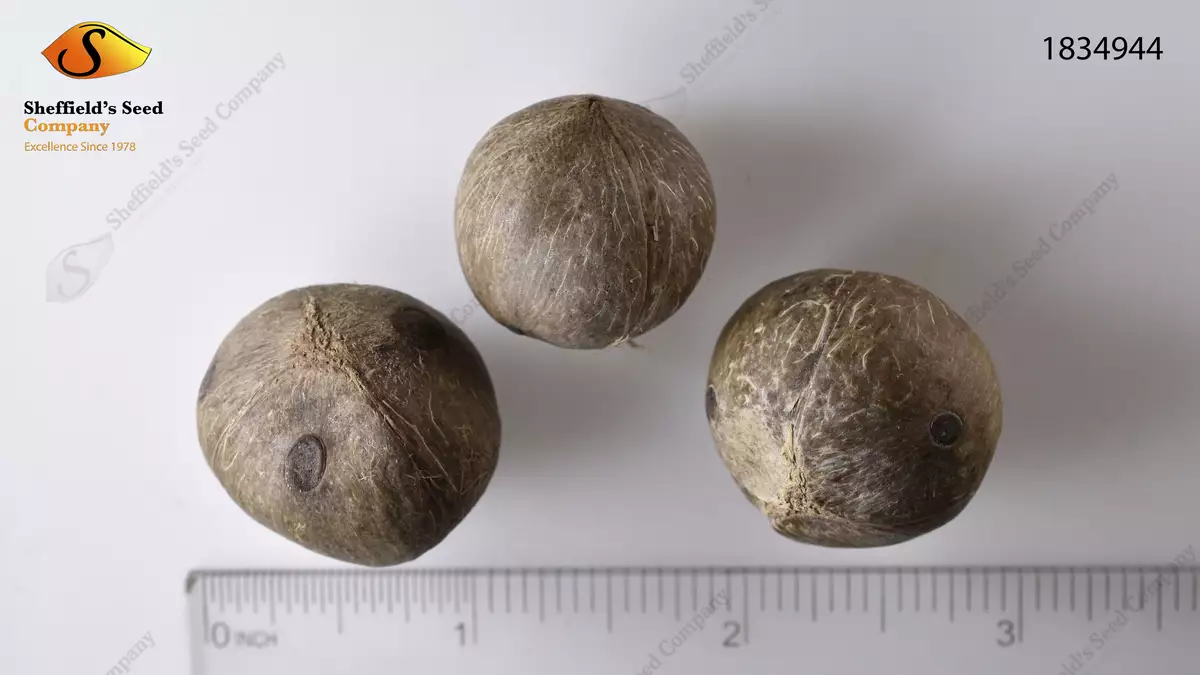
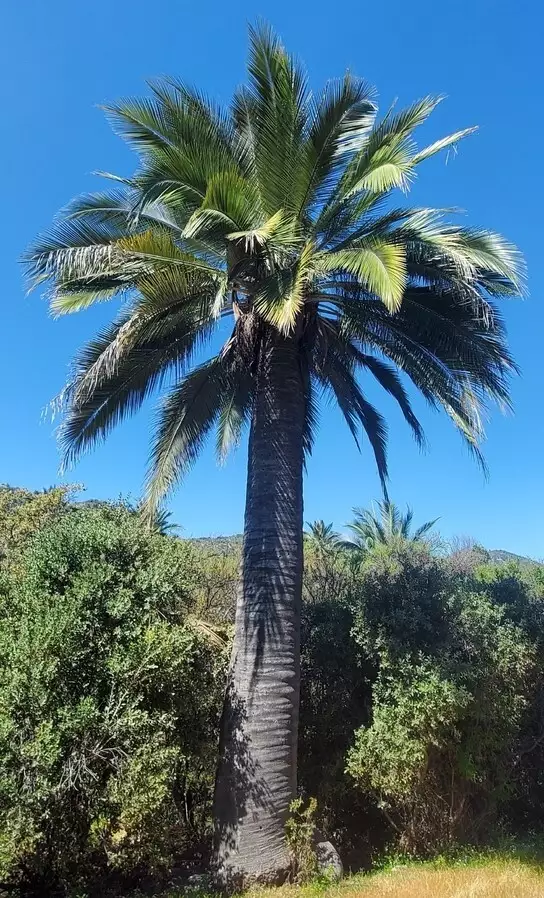
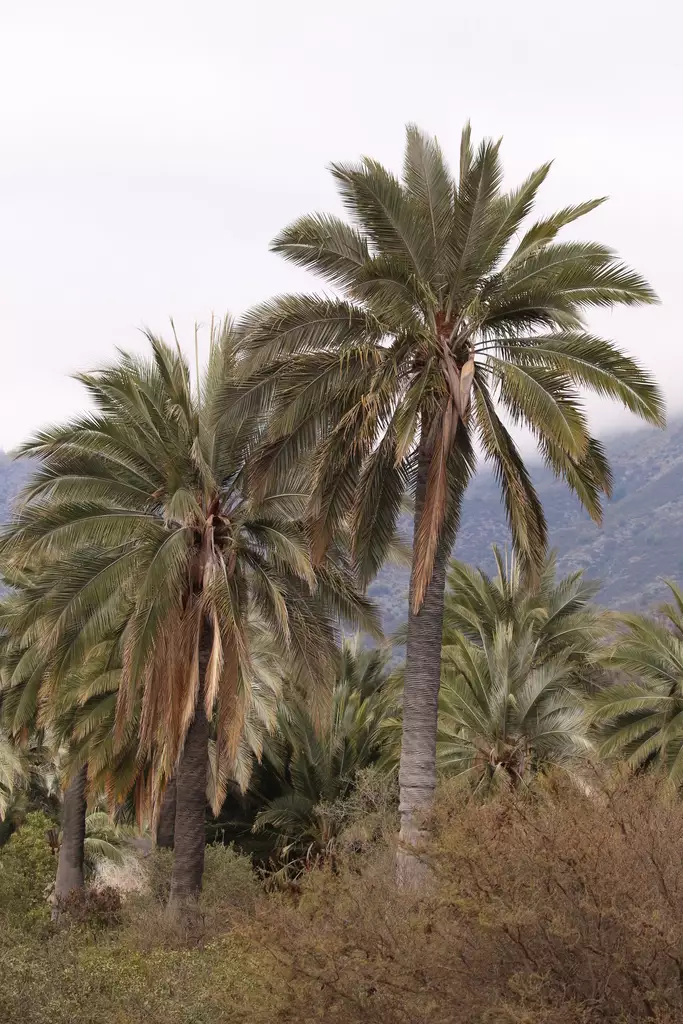
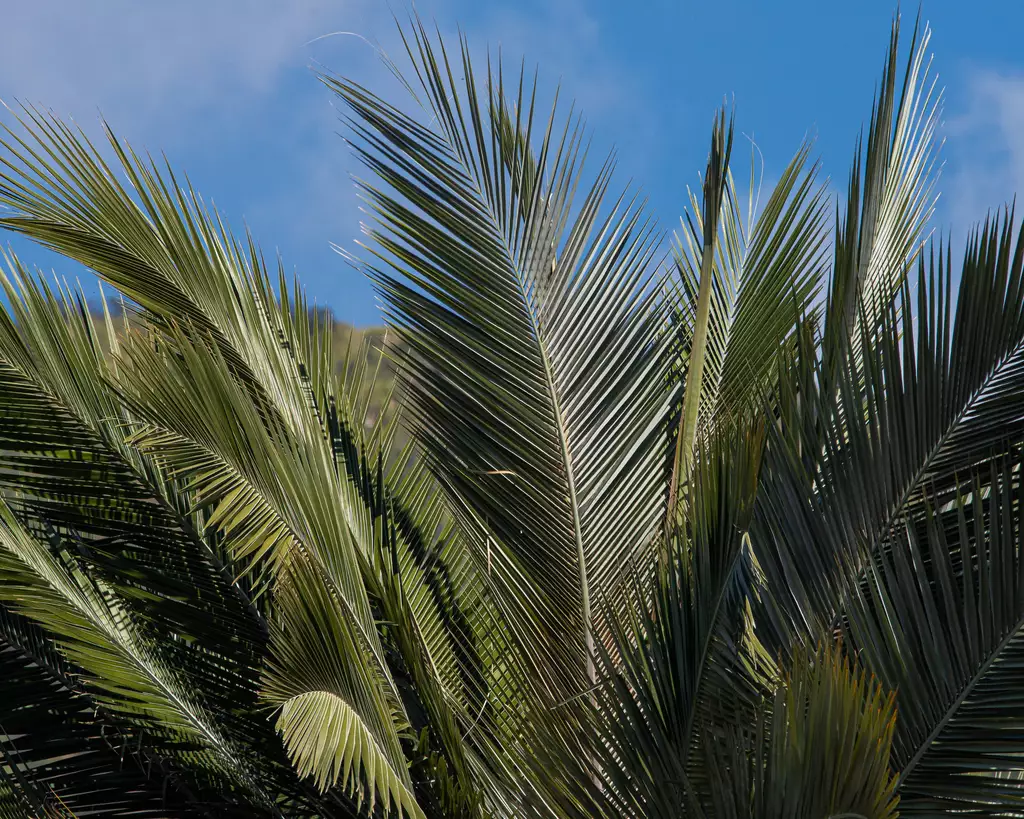
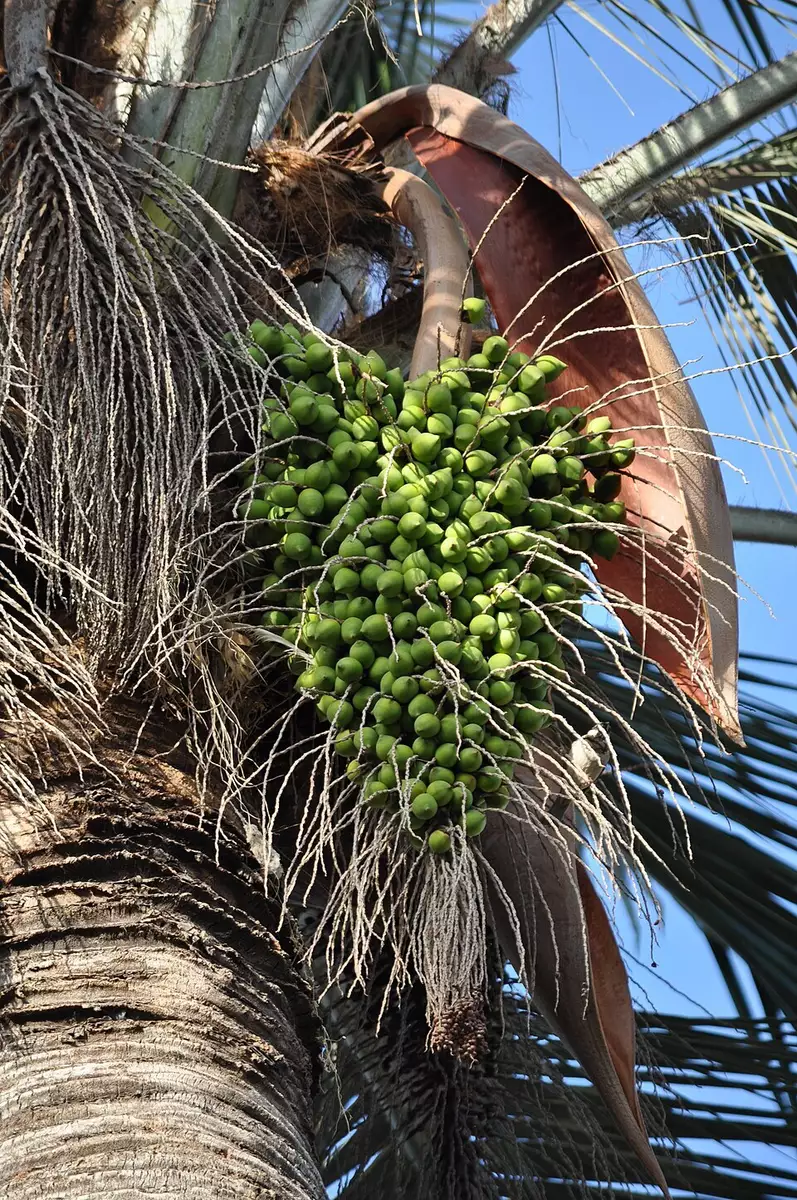
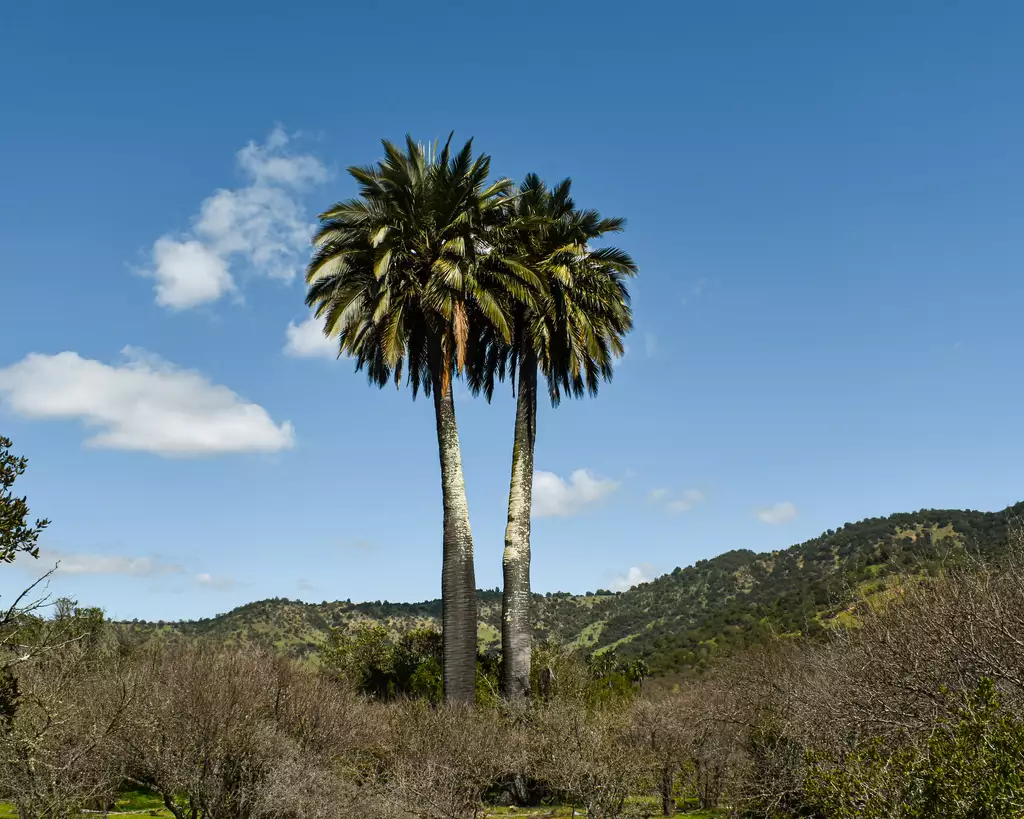
Discover the majestic allure of the Jubaea chilensis, commonly known as Chilean Wine Palm or Coquito Palm, a true marvel of the botanical world. Revered as the largest and most cold-hardy pinnate palm, this extraordinary species can attain an impressive height of up to sixty feet and a trunk diameter of up to six feet, though three to four feet is more typical. Its resilience to cold is unmatched, thriving in climates as varied as USDA zone 8 and cooler. With the ability to withstand severe frost down to 3°F, it thrives in temperate and subtropical regions. Despite its imposing size, Chilean Wine Palm is slow-growing, spending years developing its wide base before ascending skyward.

Sadly, this giant is endangered due to habitat loss and sap extraction, which provides a potent traditional libation. Its miniature coconuts, known as 'coquitos', mirror the taste of their larger relatives. Although its slow growth requires patience, Chilean Wine Palm rewards future generations with stunning groves. Ideal for landscapes in regions like California, southwestern Europe, and even parts of Britain, this monumental palm remains a rare, sought-after specimen in cultivation. Embrace the legacy of one of nature's giants—plant a Jubaea chilensis today for a majestic tomorrow.

You might also like

Butia capitata

Butia capitata

Coco Palm, Jelly Palm, Pindo Palm, South American Jelly Palm

Trachycarpus fortunei

Trachycarpus fortunei

Chinese Windmill Palm, Chusan Palm, Windmill Palm

Phoenix canariensis

Phoenix canariensis

Canary Date Palm, Canary Island Date, Canary Island Date Palm, Pineapple Palm

Brahea armata

Brahea armata

Blue Fan Palm, Blue Hesper Palm, Mexican blue palm, Palma Blanca, Sweet Brahea

(315) 497-1058
269 NY-34 Locke NY 13092
seed@sheffields.com

HOME - logo

Find us on: