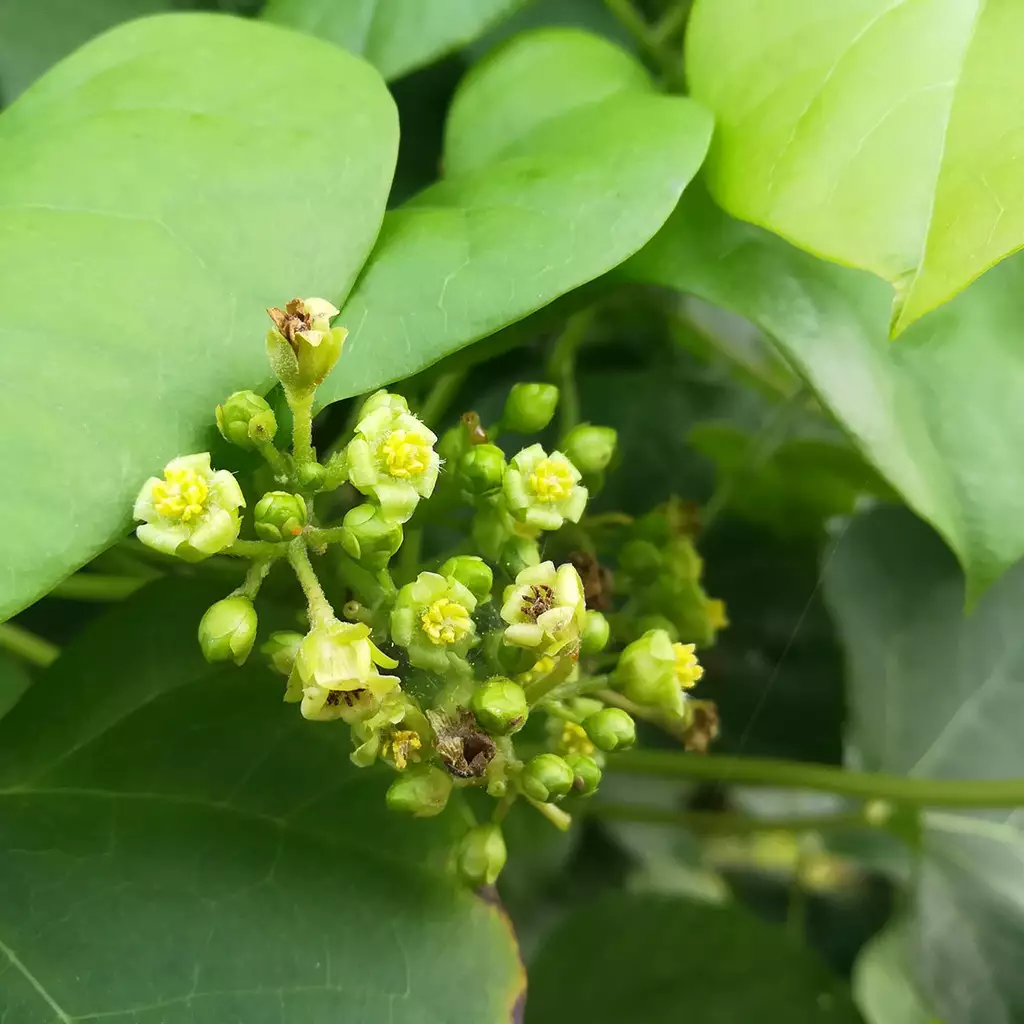
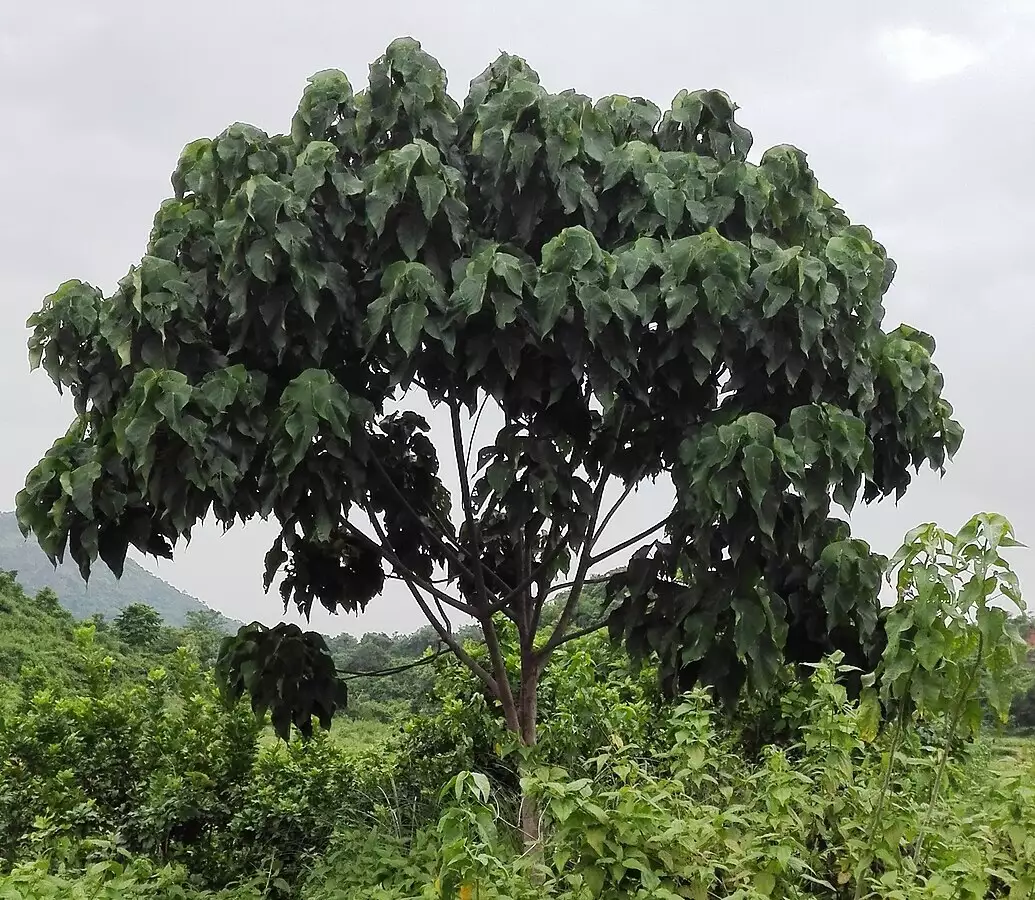
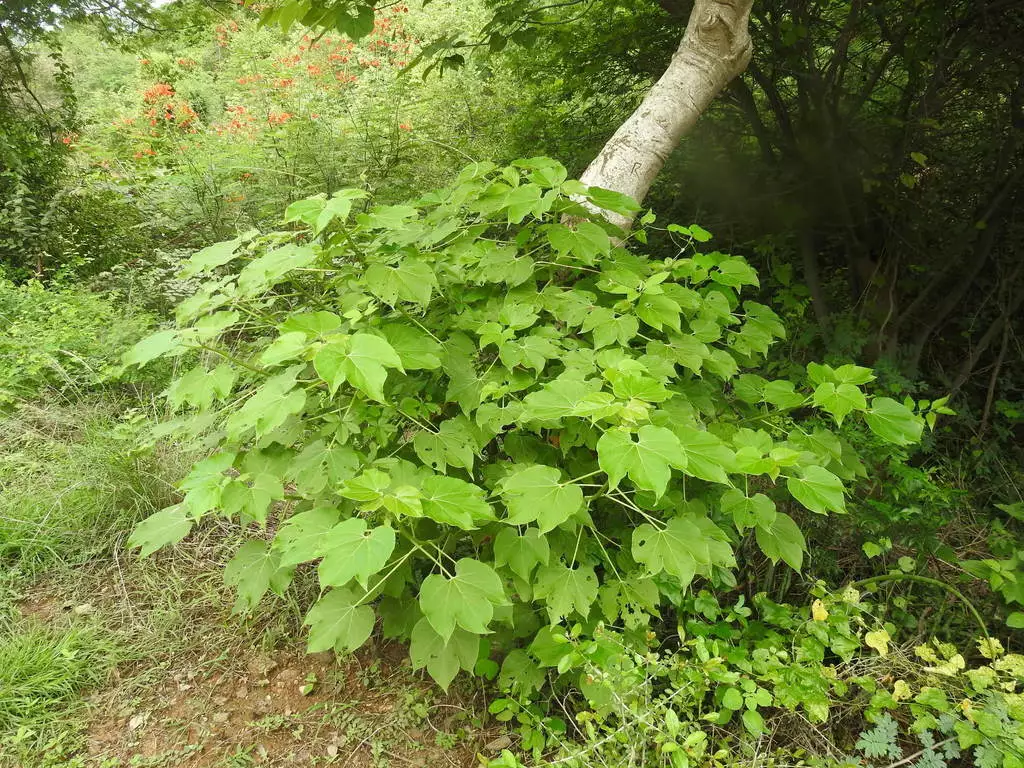
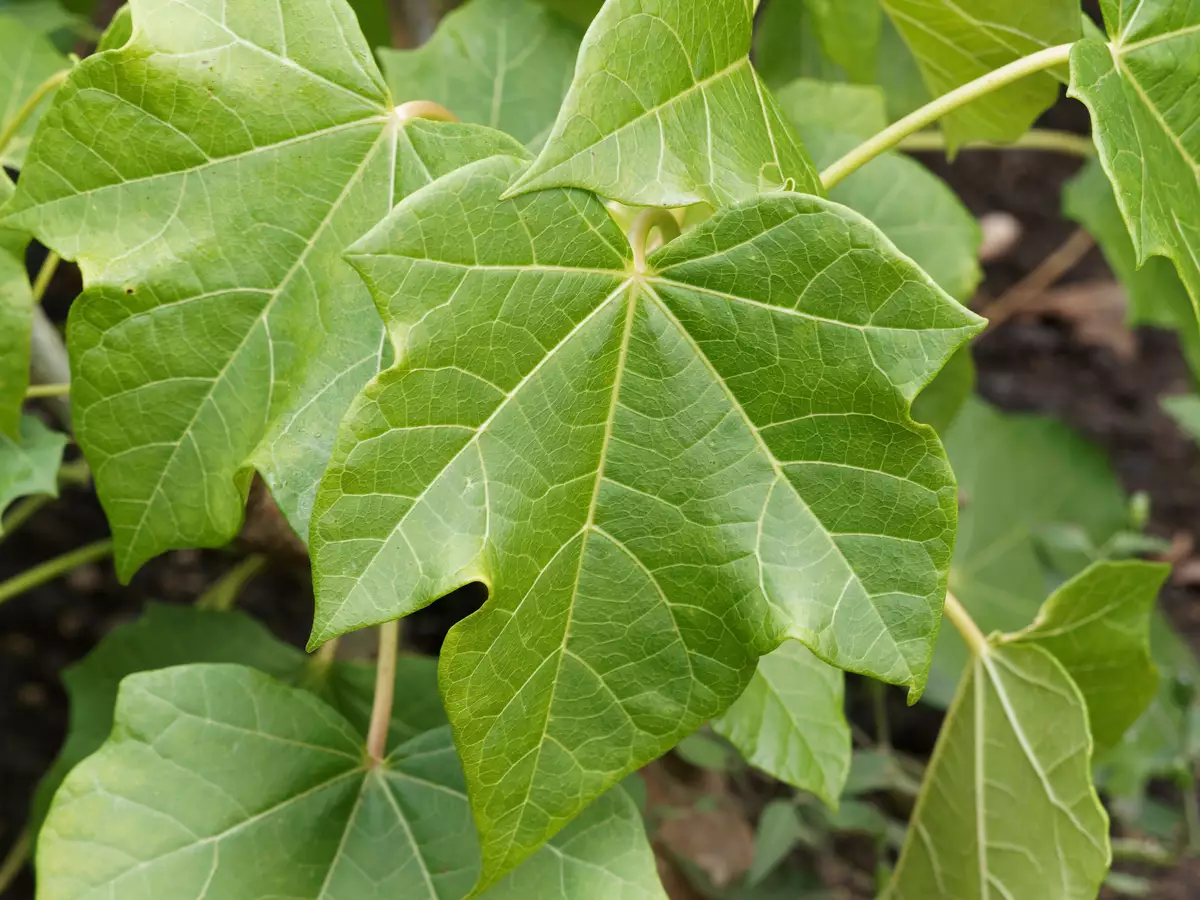
Discover the potential of Jatropha curcas, commonly known as Physic Nut or Barbados Nut, a versatile and eco-friendly plant celebrated for its biofuel capabilities. Originating from the tropical Americas and thriving in both tropical and subtropical regions worldwide, this resilient shrub can grow up to 20 ft tall and withstand extreme arid conditions, making it ideal for challenging environments.
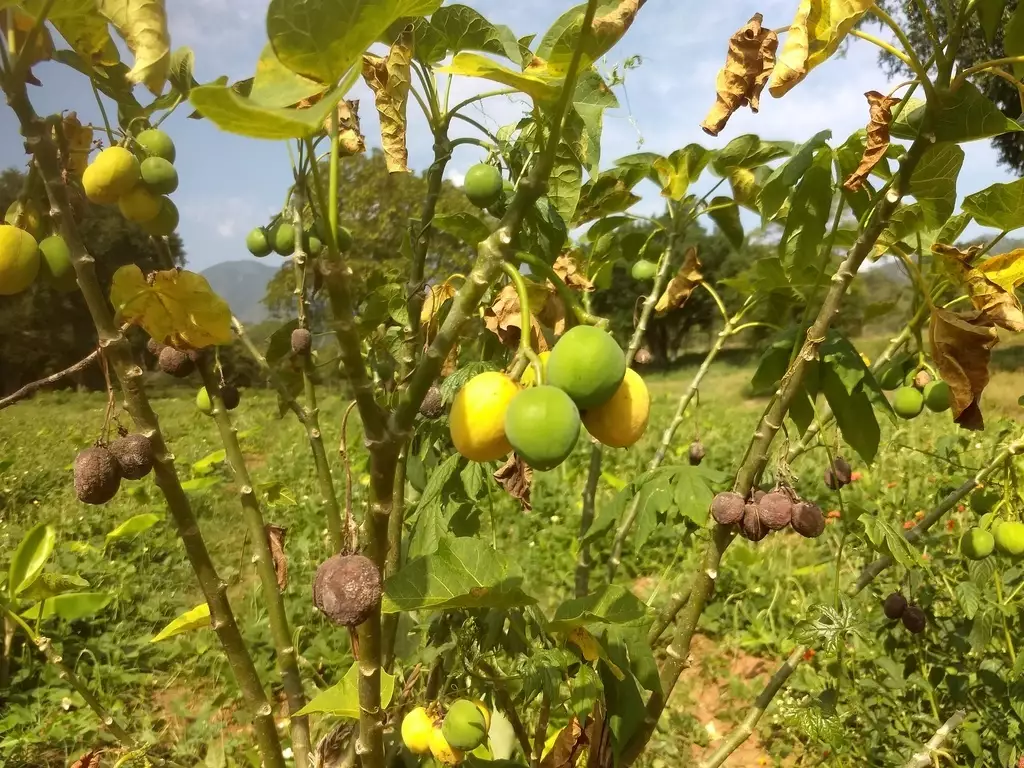
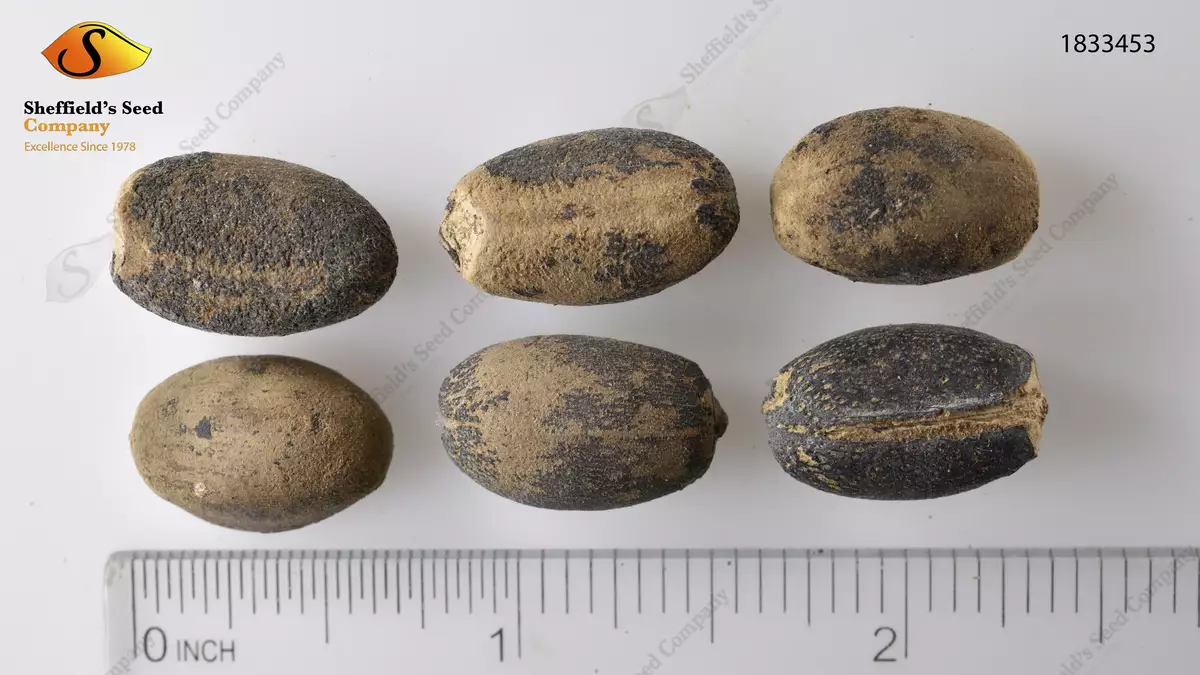
The seeds of Jatropha are a remarkable source of high-quality oil, yielding 27-40% oil content. This oil transforms into efficient biodiesel suitable for standard diesel engines and can even be upgraded to jet fuel. The plant's biproduct, the press cake, serves multiple sustainable purposes: it's utilized in biomass feedstock to generate electricity, enriches soil as a fertilizer enriched with nitrogen, phosphorus, and potassium, and can be processed into biogas in digesters and gasifiers.
Jatropha's adaptability extends beyond its environmental benefits. With edible progeny known as piñón manso, it offers non-toxic variants suitable for animal feed and food. Cultivation is relatively straightforward, thriving in a range of soils, from sandy to saline terrains, and requiring minimal water — just 10 inches annually after its second year. Its drought resistance, combined with pesticide properties, negates the use of chemical pesticides, promoting a sustainable agricultural system.
As a potent source for biofuel production, Jatropha offers immense potential for energy generation, particularly in developing nations keen on reducing carbon footprints. Its wide adaptability, coupled with the ability to grow in marginal soils, makes Jatropha a promising crop for sustainable fuel production and environmental restoration. Discover how Jatropha curcas can revolutionize the energy landscape with its biofuel potential, contributing significantly to a sustainable and eco-friendly future.








_tree_at_Samedha.jpg)