0


Close
1 / 6
2 / 6
3 / 6

AdobeStock

4 / 6

AdobeStock

5 / 6

AdobeStock

6 / 6

AdobeStock

Growing Info

Scarification
Scarification: none required
Stratification
Stratification: none required
Germination
Germination: Maintain a higher humidity and temperatures between 77 and 86F. Ensure the soil stays consistently moist but not waterlogged. |surface sow on peat or sphagnum moss and keep moist by misting.

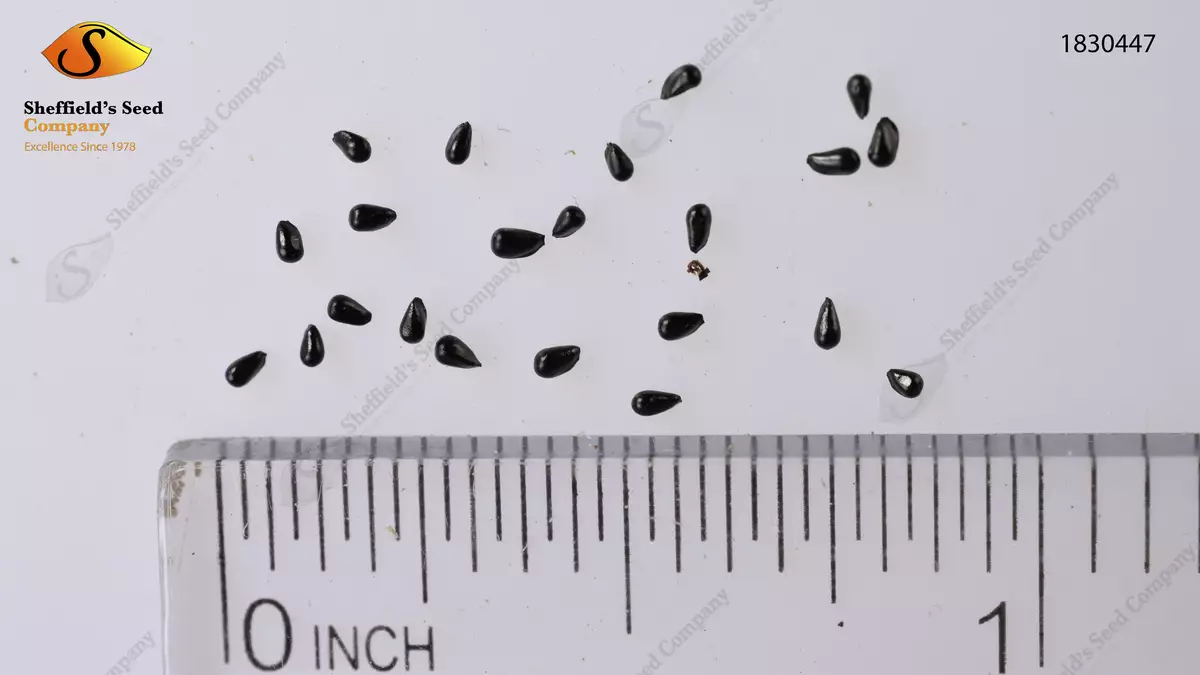
Other: Seed germination is slow, usually taking between 6 to 16 months to germinate.|Use only distilled water on these seeds/plants.|A light dusting with a fungicide is recommended. Store in refrigerator until ready to use. 

Native to: North Carolina, South Carolina
Introduced to: Alabama, California, Florida, Jamaica, New Jersey, Pennsylvania, Virginia, Washington
Native
Introduced

Dionaea muscipula

Venus Fly Trap, Venus Flytrap

  • Dionaea muscipula

Please select the quantity desired, and we will advise availability and price as soon as possible.

Details

Min. hardiness zone:
7

Growing Info

Scarification
Scarification: none required
Stratification
Stratification: none required
Germination
Germination: Maintain a higher humidity and temperatures between 77 and 86F. Ensure the soil stays consistently moist but not waterlogged. |surface sow on peat or sphagnum moss and keep moist by misting.

Other: Seed germination is slow, usually taking between 6 to 16 months to germinate.|Use only distilled water on these seeds/plants.|A light dusting with a fungicide is recommended. Store in refrigerator until ready to use. 

Native to: North Carolina, South Carolina
Introduced to: Alabama, California, Florida, Jamaica, New Jersey, Pennsylvania, Virginia, Washington
Native
Introduced
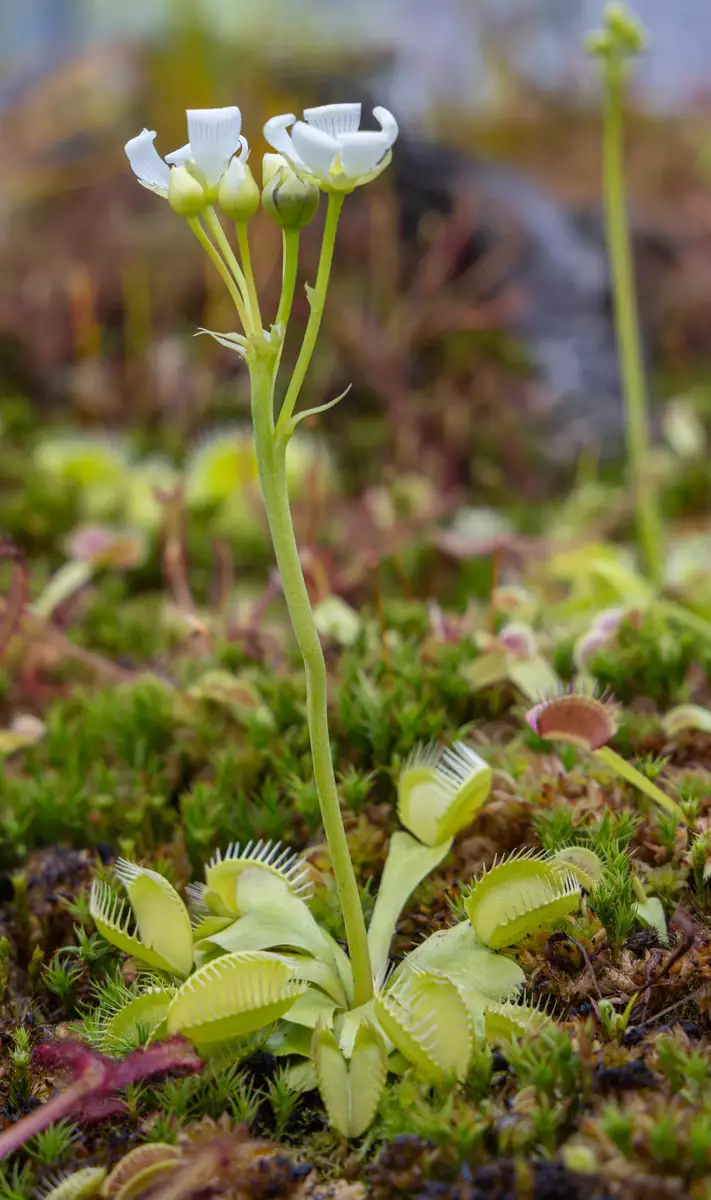
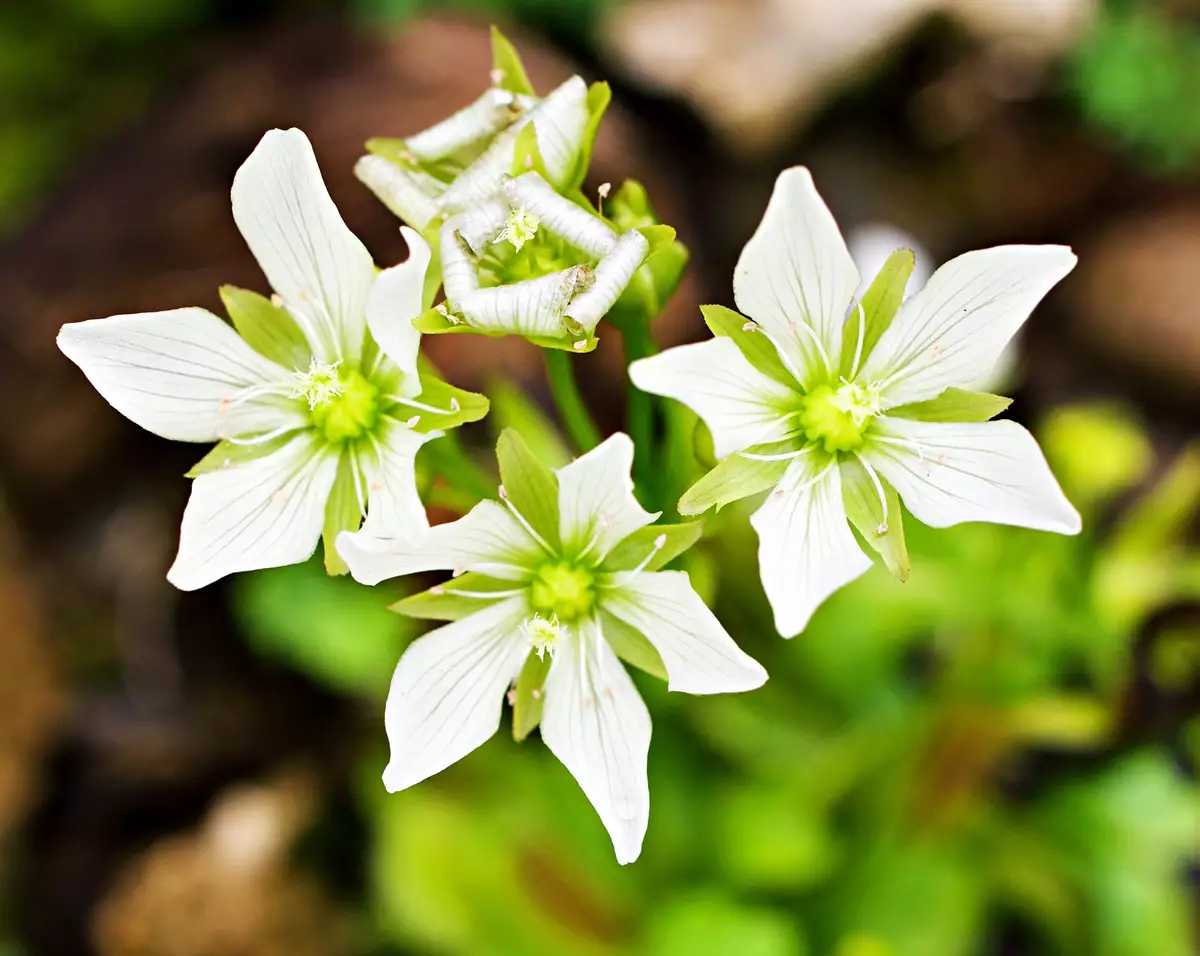
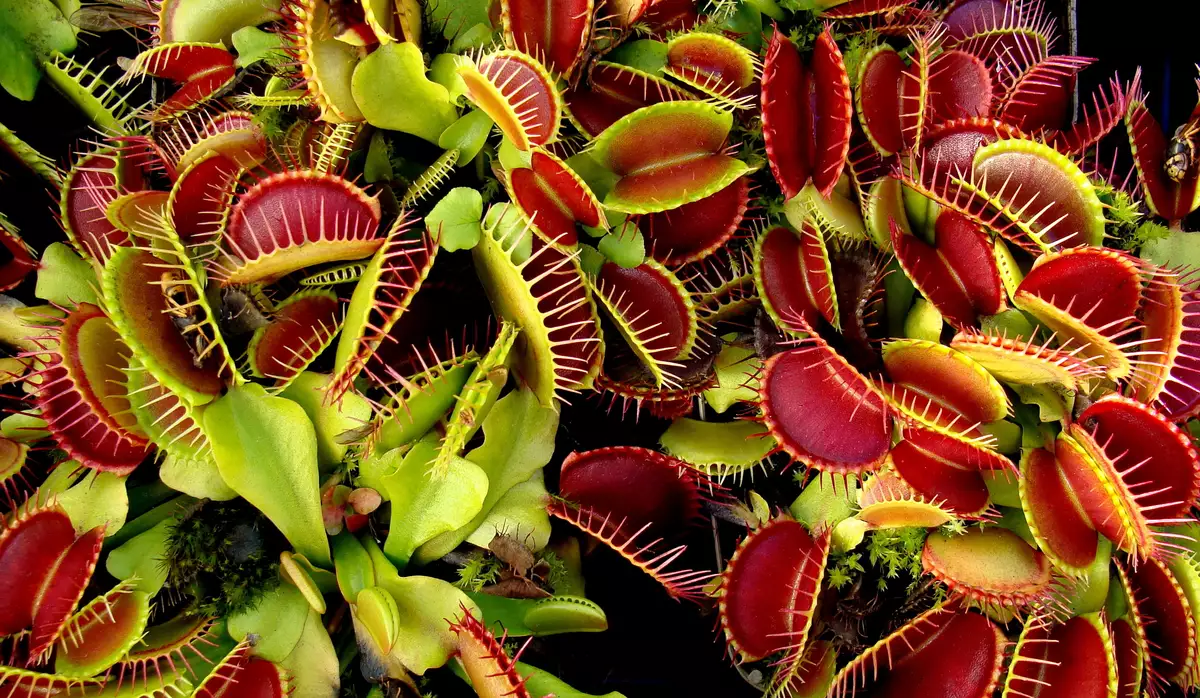
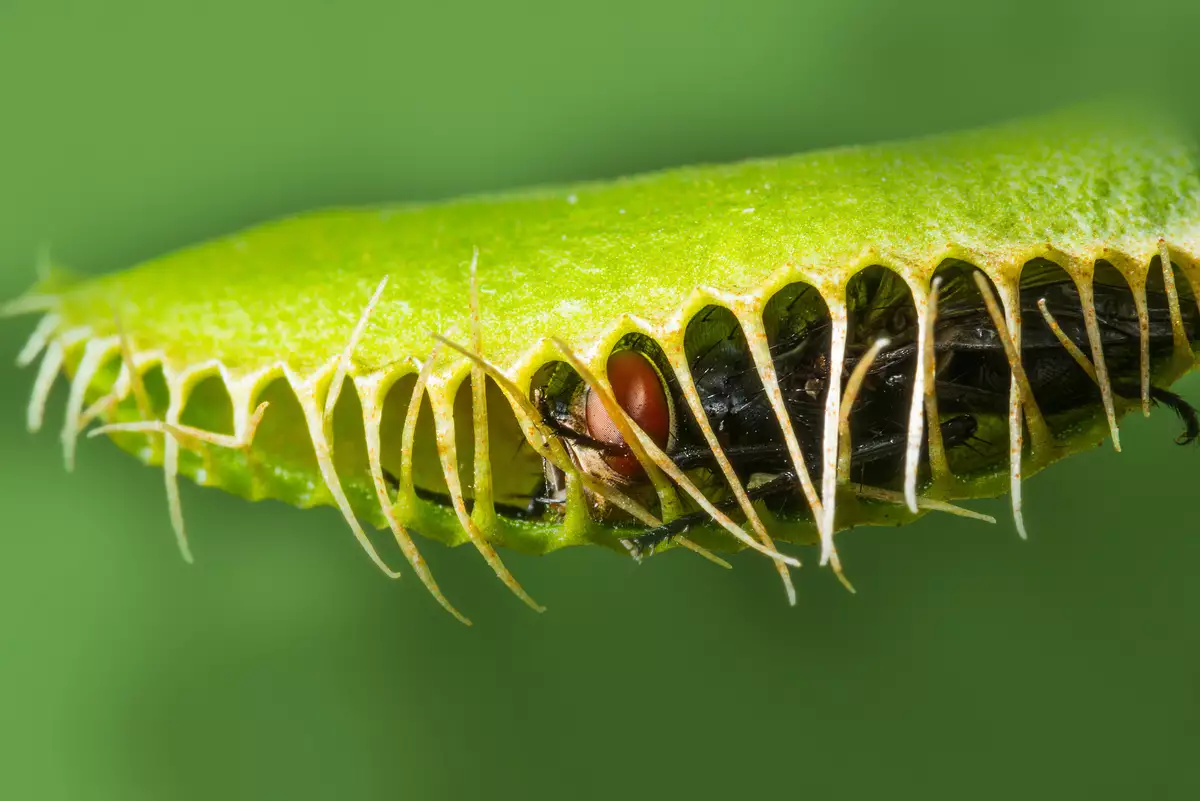
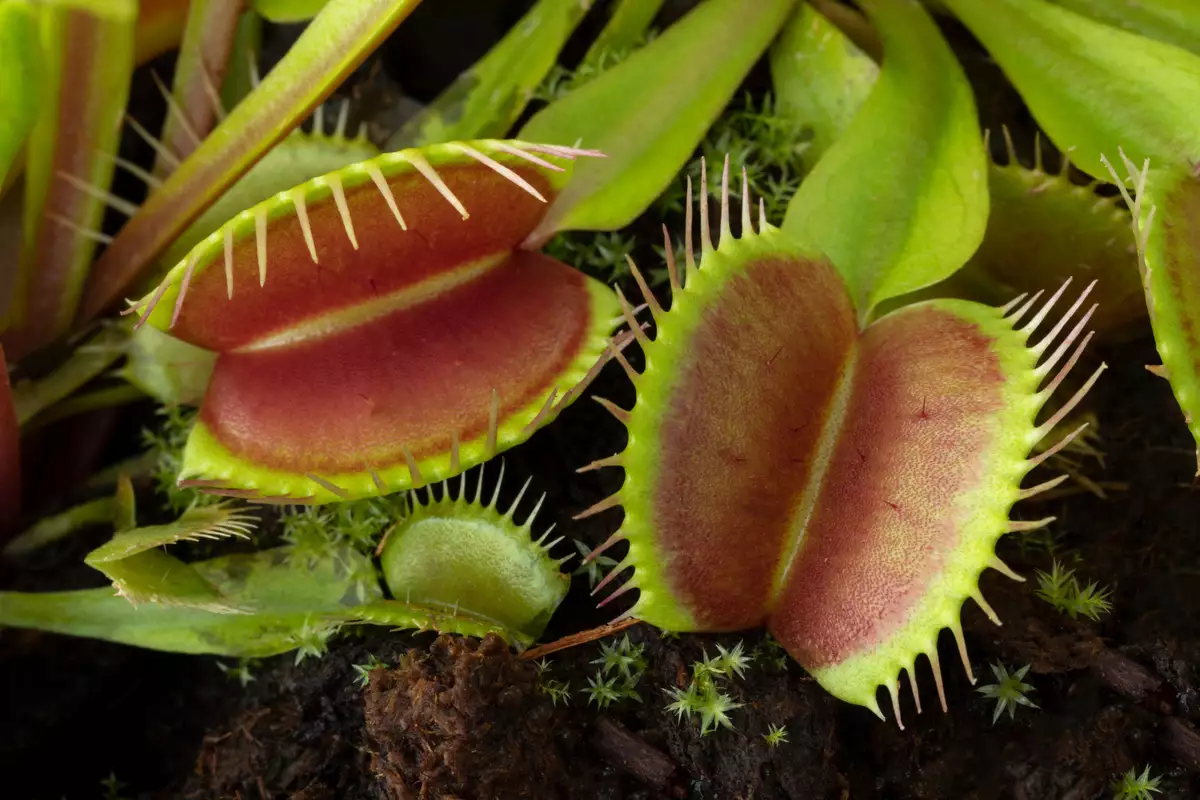
Discover the captivating world of Venus Flytrap, scientifically known as Dionaea muscipula, a true marvel in the plant kingdom. Renowned naturalist Charles Darwin once hailed it as "the most wonderful plant in the world," and it's easy to see why. Originally from the subtropical wetlands within a 100-mile radius of Cape Fear, North Carolina, this extraordinary plant has adapted to thrive in nutrient-poor environments by ingeniously capturing and digesting insects. Each trap, a modified leaf, showcases nature's ingenuity, with sensitive hairs that require multiple touches before snapping shut, ensuring that no energy is wasted on unrewarding prey.

Despite its allure, Venus Flytrap faces severe threats from habitat destruction, rendering it a rare gem with less than 5% of its original population remaining. Cultivating these temperate plants requires thoughtful care: they flourish in full sun, prefer bog-like conditions with distilled or rainwater, and undergo an annual dormancy during colder months. In the spring, Venus Flytraps burst into vigorous growth, producing spectacular traps that stand tall in summer before retreating for winter. Embrace the magic of this botanical wonder and contribute to its conservation by growing it responsibly, either outdoors or with precise indoor conditions replicating its natural habitat.

You might also like

Metasequoia glyptostroboides

Metasequoia glyptostroboides

Dawn Redwood

Papaver somniferum

Papaver somniferum

Opium Poppy

Sequoia sempervirens

Sequoia sempervirens

California Redwood, Coast Redwood, Redwood

Sequoiadendron giganteum

Sequoiadendron giganteum

Bigtree, Giant Sequoia, Sierra Redwood, Sierran Redwood, Wellingtonia

(315) 497-1058
269 NY-34 Locke NY 13092
seed@sheffields.com

HOME - logo

Find us on: