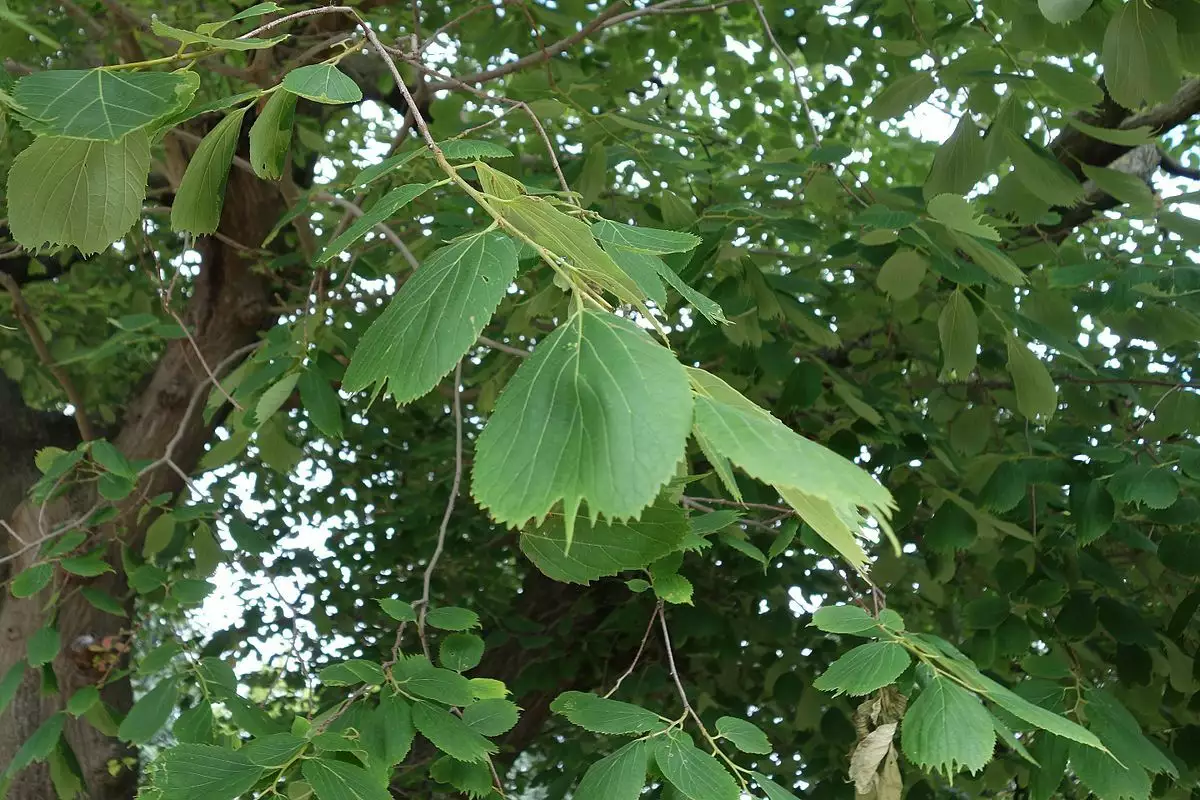
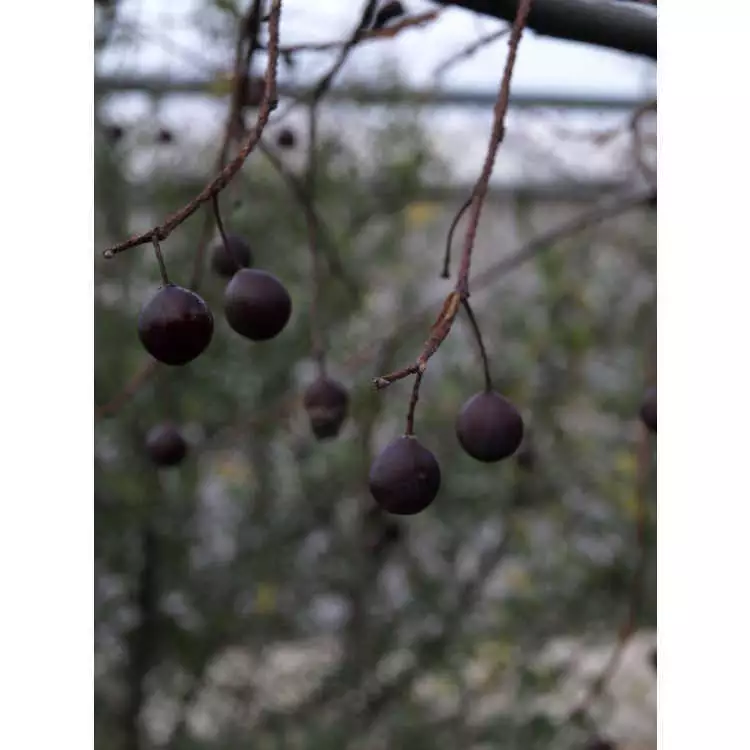
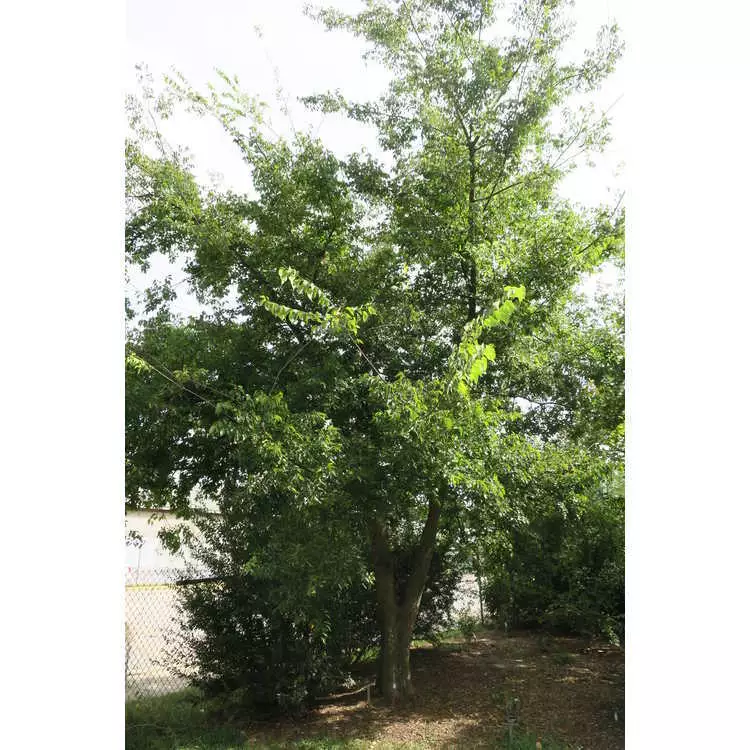
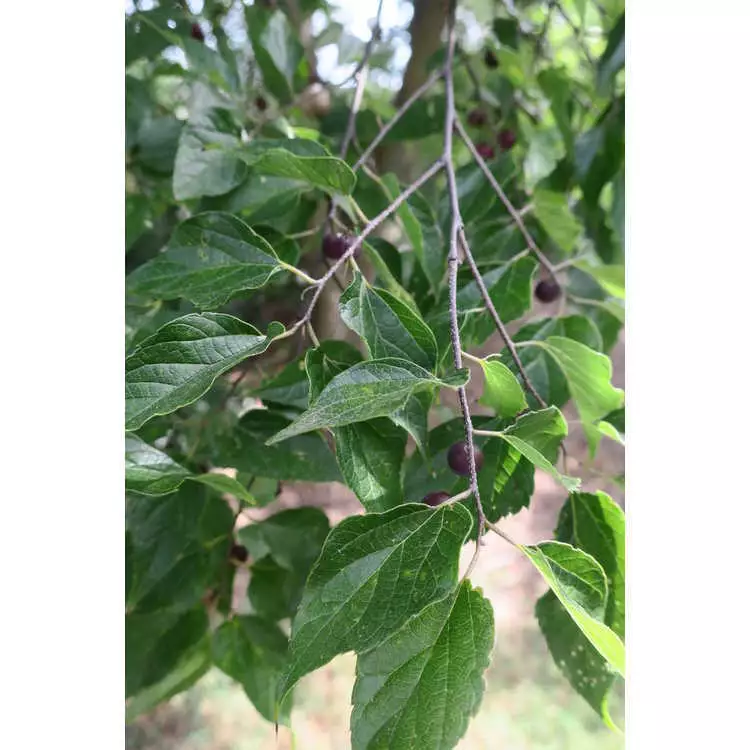
Celtis koraiensis, known as Korean hackberry, is a remarkable deciduous tree native to East Asia, particularly Korea and China. Reaching heights of 50 to 100 feet, it boasts a broad, rounded canopy and is easily recognized by its distinct leaf shape—broadly ovate to elliptical with coarse, serrated edges and a glossy green hue that turns yellow in autumn. The tree produces small, inconspicuous flowers in late spring, followed by spherical edible drupes that transition from green to dark purplish-black, attracting a variety of wildlife.
Preferentially growing in well-drained soils, this species thrives along riverbanks, in mountainous regions, and within mixed forests. Its adaptability to both acidic and alkaline conditions, along with resilience to urban pollution, makes Celtis koraiensis ideal for street and park settings. Beyond its ornamental appeal, the tree plays a vital ecological role, providing food and habitat for birds and insects, and its durable wood is prized in furniture making.
Easy to cultivate, Korean hackberry requires moderate watering and is pest-resistant, making it a low-maintenance option. While not endangered, proactive integration into landscape designs can help conserve and promote this valuable species, further enriching urban and natural environments alike.









.JPG)