0


Close
2 / 6

AdobeStock

4 / 6
5 / 6

AdobeStock

6 / 6

AdobeStock

Growing Info

Scarification
Scarification: Soak in water, let stand in water for 24 hours
Stratification
Stratification: cold stratify for 60 days
Germination
Germination: sow 1-2" deep, tamp the soil, mulch the seed bed

Other: can be fall sown without stratification. 

Native to: China, Korea
Native
Introduced

Castanea mollissima

Chinese Chestnut

  • Castanea mollissima

Please select the quantity desired, and we will advise availability and price as soon as possible.

Details

Min. hardiness zone:
4

No Export to These Countries

Australia

Growing Info

Scarification
Scarification: Soak in water, let stand in water for 24 hours
Stratification
Stratification: cold stratify for 60 days
Germination
Germination: sow 1-2" deep, tamp the soil, mulch the seed bed

Other: can be fall sown without stratification. 

Native to: China, Korea
Native
Introduced
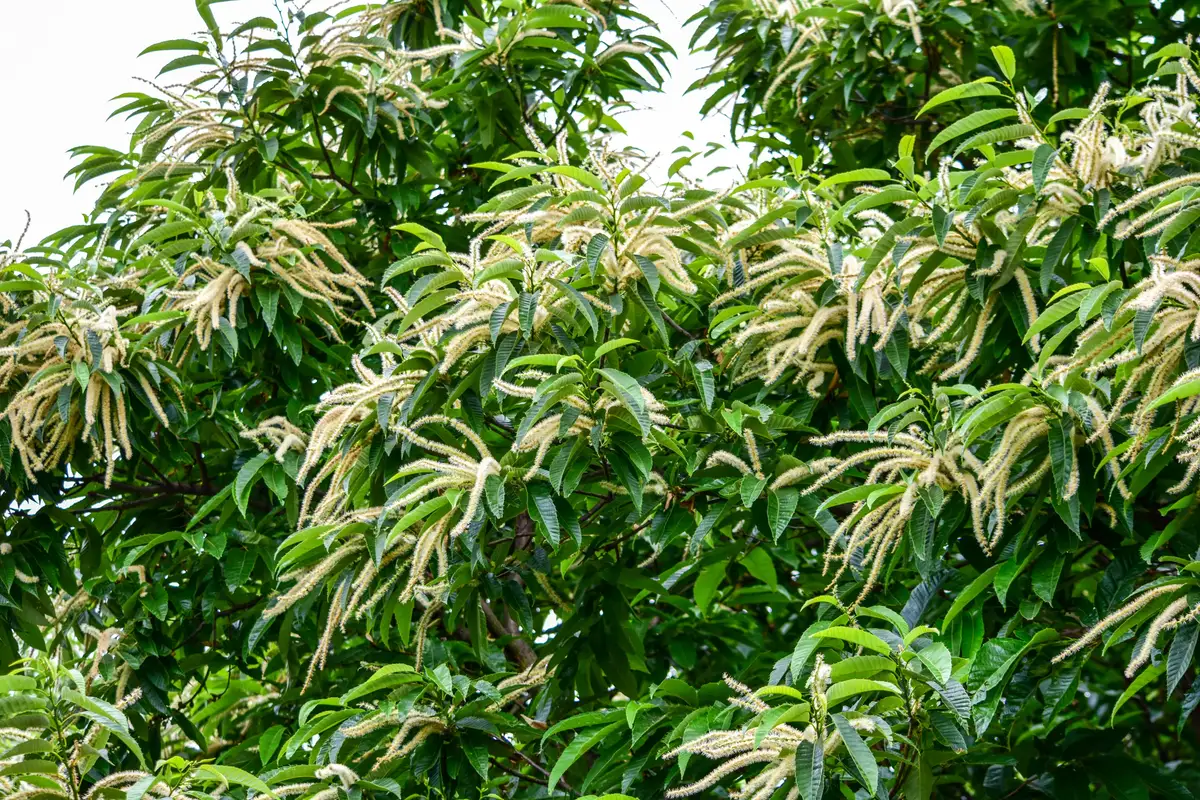
Castanea mollissima, commonly known as Chinese Chestnut, is a captivating addition to any landscape setting. This medium-sized, deciduous tree, native to China and Korea, flourishes across USDA Zones 4 to 8, reaching impressive heights of 40-60 feet with a similar spread. Renowned for its resilience, Chinese Chestnut stands defiant against chestnut blight, a disease that has decimated its American counterpart. Its glossy, dark green leaves, coupled with its aromatic yellowish-white blooms that appear in June, add visual and sensory appeal to gardens. As the seasons shift, the foliage transforms into stunning shades of yellow, injecting vibrancy into any autumn landscape.

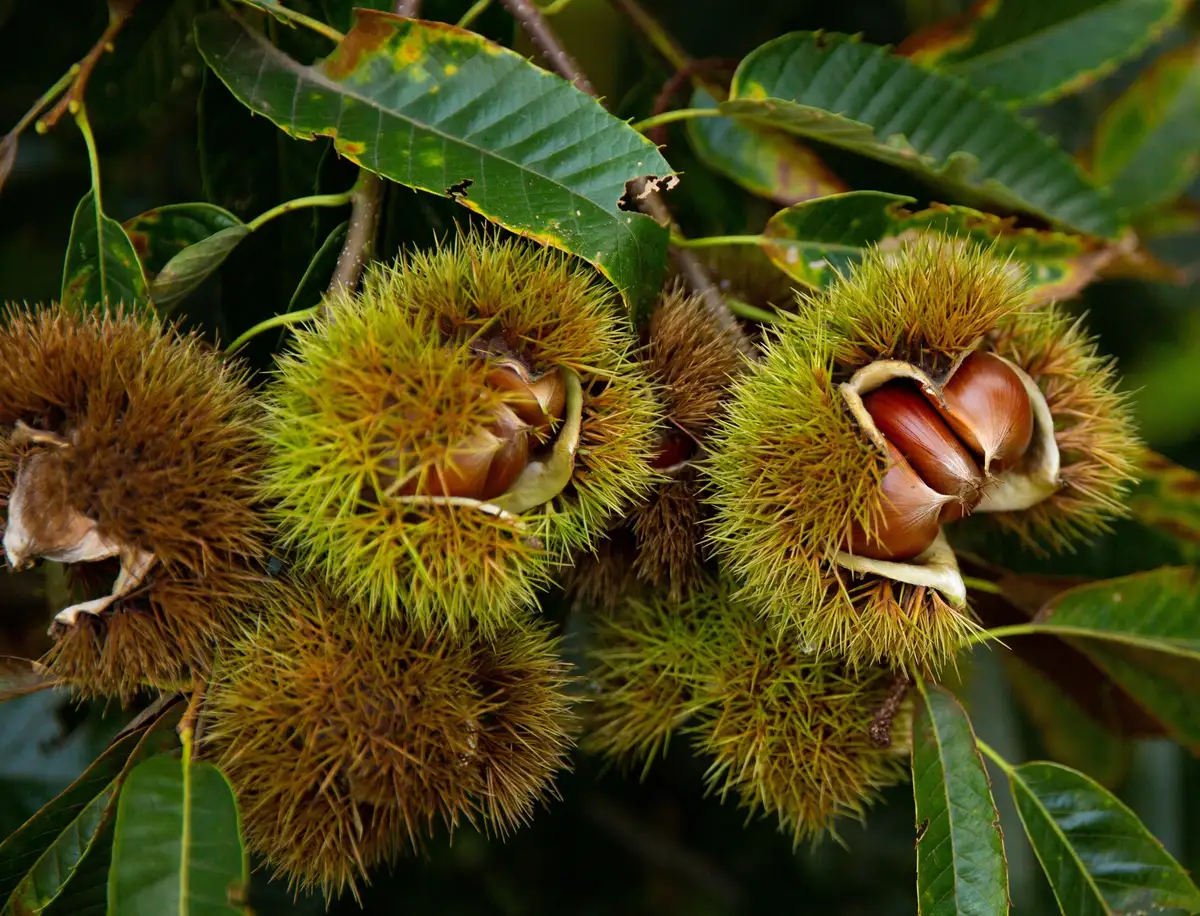
Beyond its ornamental beauty, Chinese Chestnut is valued for its edible nuts, encased in spiny burs. While these nutritious nuts provide a treat for both humans and wildlife, their propensity to litter the ground is important to consider. Thriving in full sun, this adaptable tree tolerates a range of soils, from well-drained loams to nutritionally poor types, and endures both humid summers and occasional droughts. For optimal nut production, multiple trees are recommended to encourage cross-pollination. Embrace the charm and utility of Chinese Chestnut—ideal as a shade provider, an attractive street tree, or a bountiful fruit tree.

You might also like

Papaver somniferum

Papaver somniferum

Opium Poppy

Robinia pseudoacacia

Robinia pseudoacacia

Black Locust, False Acacia, Yellow Locust

Sequoia sempervirens

Sequoia sempervirens

California Redwood, Coast Redwood, Redwood

Sequoiadendron giganteum

Sequoiadendron giganteum

Bigtree, Giant Sequoia, Sierra Redwood, Sierran Redwood, Wellingtonia

(315) 497-1058
269 NY-34 Locke NY 13092
seed@sheffields.com

HOME - logo

Find us on: