0


Close
2 / 6

AdobeStock

4 / 6

AdobeStock

5 / 6

AdobeStock

6 / 6

AdobeStock

Growing Info

Scarification
Scarification: Scar the seed coat or pour hot water (190F) over the seed and soak for 24 hours. With mechanical scarring still soak for 24 hours but in cold water.
Stratification
Stratification: none required
Germination
Germination: sow 1" deep, tamp the soil, mulch the seed bed

Other: Germination should occur in 10-21 days. 

Native to: Central America, Mexico
Native
Introduced

Pachyrhizus erosus

Jicama, Yam Bean

In Stock: 7.224 lb (Total:7.224lb)
NEW ITEM!
  • Pachyrhizus erosus

    All items have bulk rates priced in
select i.*, as2.state_abbr from inventory_item_manage i left outer join sheffields_2017.address_states as2 on (as2.state_name = i.CollectionLocale or as2.state_abbr = i.CollectionLocale) where i.inventory_id = '700942' group by i.id

Buying options

7.22 lb
NEW ITEM!

Details

Germination:
98%
Germination test:
Cut (Full Seed)
Purity:
99%
Seeds per lb:
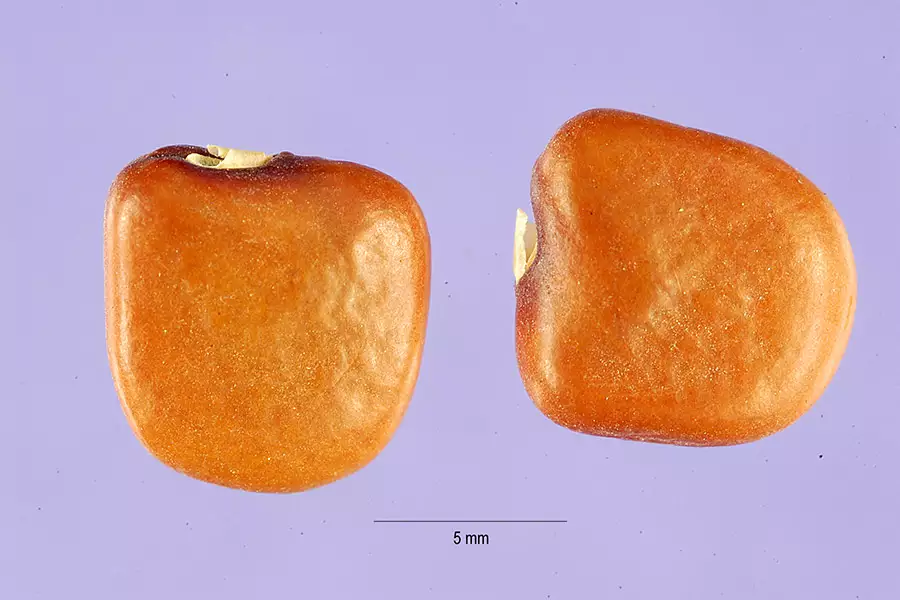
2,673
Quantity:
7.22 lb
Collected in:
China
Crop year:
2026
Min. hardiness zone:
10
Item ID:
1837835

Growing Info

Scarification
Scarification: Scar the seed coat or pour hot water (190F) over the seed and soak for 24 hours. With mechanical scarring still soak for 24 hours but in cold water.
Stratification
Stratification: none required
Germination
Germination: sow 1" deep, tamp the soil, mulch the seed bed

Other: Germination should occur in 10-21 days. 

Native to: Central America, Mexico
Native
Introduced
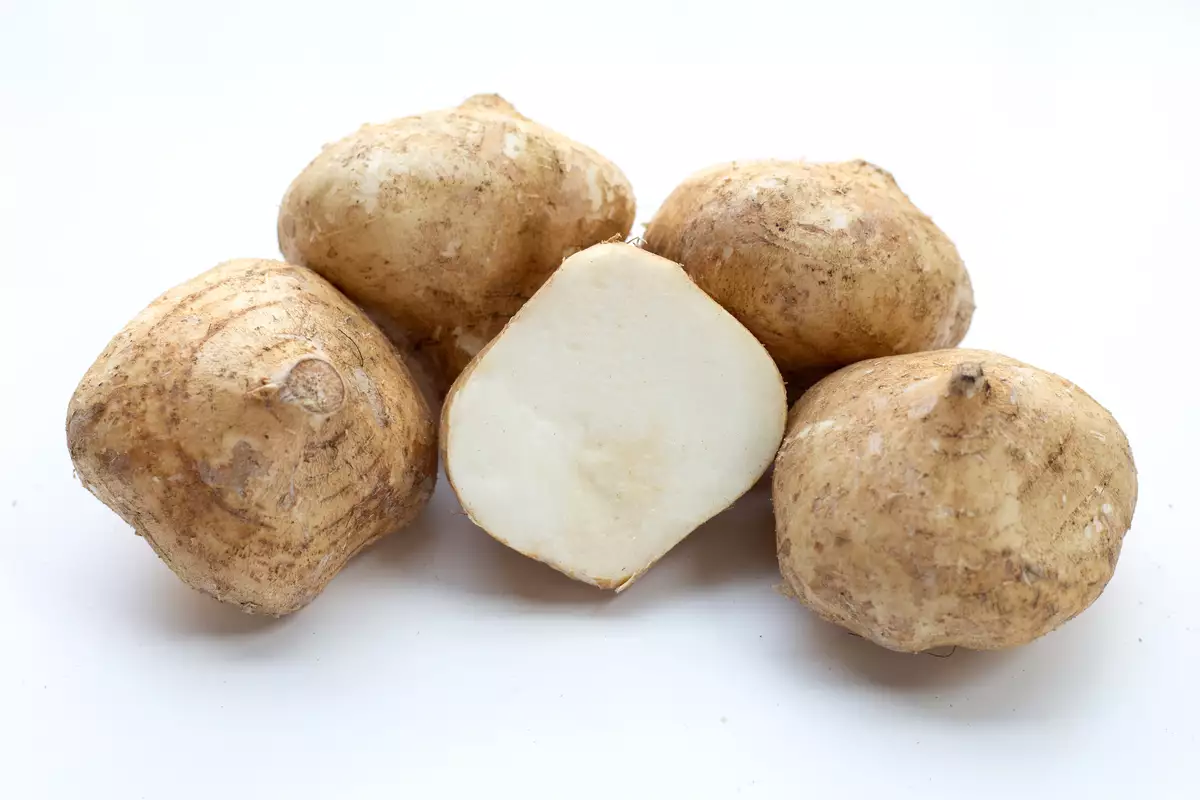
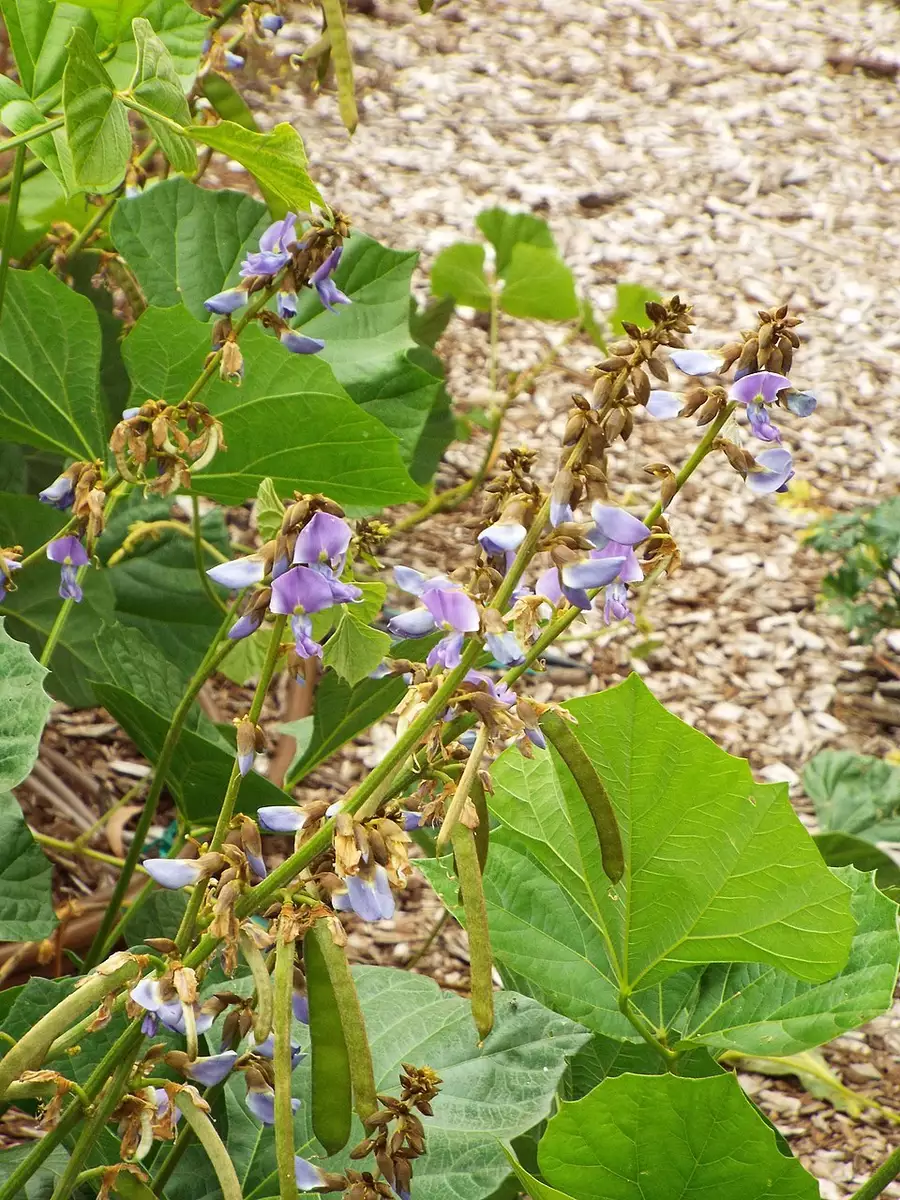
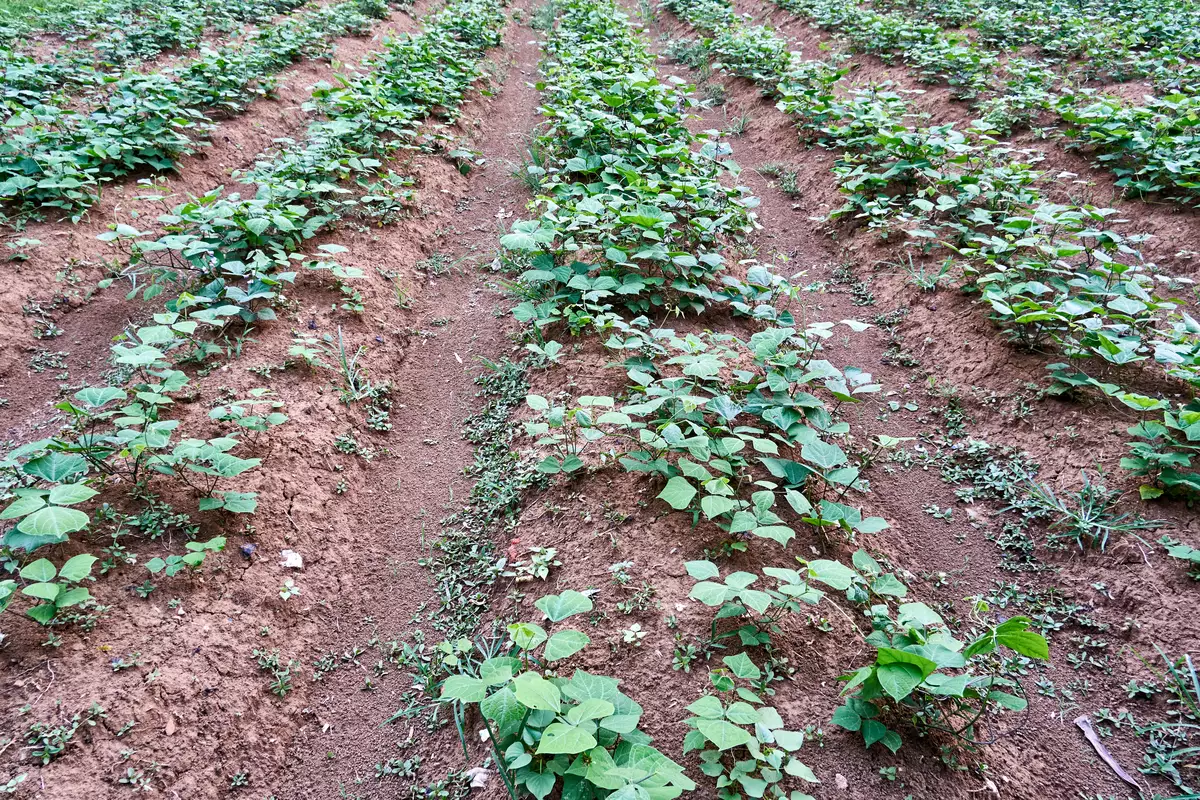
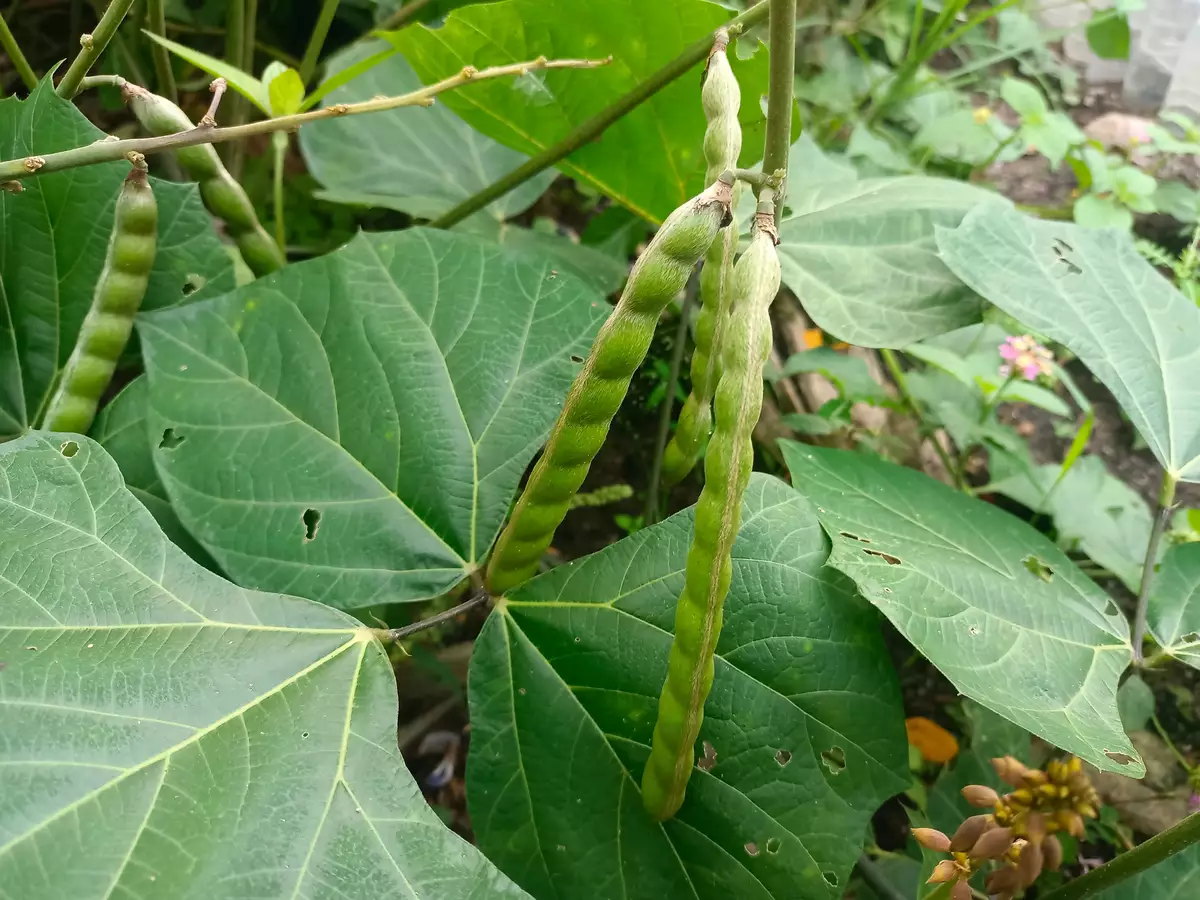
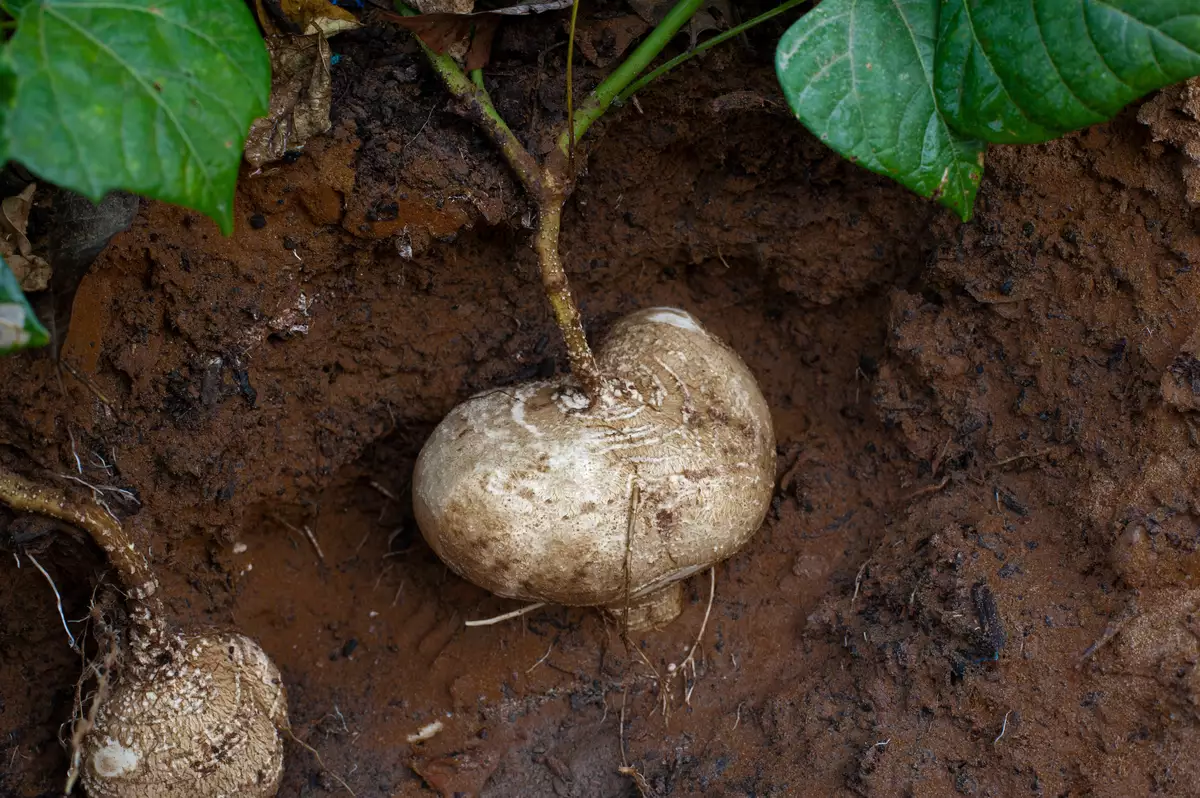
Discover the culinary gem, Pachyrhizus erosus, commonly known as Jicama, a tuberous rooted vine native to Mexico and Central America. Resembling a crisp apple or water chestnut in taste, Jicama's mildly sweet, crunchy texture makes it a versatile addition to your diet. Enjoy it raw, garnished with lime and chili powder in salads, or add it to stir-fries for extra crunch. This low-calorie, hydrating vegetable is a powerhouse of fiber, vitamin C, and antioxidants, making it an excellent choice for supporting digestion, enhancing immunity, and managing blood sugar levels. Jicama thrives in USDA Zones 10-12 and can be cultivated as an annual in cooler climates. It requires full sun and well-drained soil for optimal growth, with vines reaching up to 20-30 feet. Remember to peel the inedible brown skin before consumption, as only the white flesh is safe to eat. Cultivate it in your garden for its fragrant blossoms and vibrant foliage, or grow to eat the root. Whether enjoyed as a refreshing snack or a flavorful ingredient, Jicama is a rediscovered delight for health-conscious cooks and garden enthusiasts alike.

You might also like

Capparis spinosa

Capparis spinosa

Caper, Caper Bush, Common Caper

Gardenia jasminoides

Gardenia jasminoides

Cape Jasmine, Common Gardenia

Tetragonia tetragonioides

Tetragonia tetragonioides

New Zealand Spinach

Lonicera caerulea

Lonicera caerulea

Blue Honeysuckle, Haskap, Honeyberry, Sweetberry Honeysuckle

(315) 497-1058
269 NY-34 Locke NY 13092
seed@sheffields.com

HOME - logo

Find us on: